

Clinical drug trials are a cornerstone of modern medicine, serving as the bridge between laboratory research and the availability of new therapies to the public. These trials are meticulously designed studies that evaluate the safety, efficacy, and overall impact of new drugs or treatments on human subjects. The process is essential for ensuring that any new medication is both effective and safe before it reaches the market.
The journey of a drug from the laboratory bench to the pharmacy shelf is fraught with challenges, requiring rigorous testing and regulatory oversight to protect patient health and ensure therapeutic benefits. The clinical trial process is typically divided into several phases, each with distinct objectives and methodologies. These phases are designed to systematically assess various aspects of a drug’s performance, starting from initial safety assessments to large-scale efficacy studies and finally to post-marketing surveillance.

Each phase builds upon the findings of the previous one, creating a comprehensive understanding of the drug’s profile. This structured approach not only helps in identifying potential risks but also in determining the appropriate dosages and treatment regimens for patients.
Key Takeaways
- Clinical drug trials progress through phases I to IV, each focusing on safety, efficacy, large-scale testing, and post-market monitoring.
- Phase I trials primarily assess safety and determine appropriate dosage levels.
- Phase II evaluates the drug’s effectiveness and identifies potential side effects.
- Phase III involves large-scale testing to confirm results and support regulatory approval.
- Ethical considerations, patient recruitment, and informed consent are critical throughout the trial process.
Phase I: Safety and Dosage Testing

Phase I trials are the first step in testing a new drug in humans, primarily focusing on safety and dosage. These trials usually involve a small group of healthy volunteers, typically ranging from 20 to 100 participants. The primary goal is to determine how the drug is metabolized and excreted by the body, as well as to identify any potential side effects.
Researchers closely monitor participants for adverse reactions, which can provide critical information about the drug’s safety profile. In addition to safety assessments, Phase I trials also aim to establish the optimal dosage range for further testing. This involves administering varying doses of the drug to different groups within the trial to observe how each dose affects participants.
For instance, a study might start with a low dose and gradually increase it while monitoring for side effects. This dose-escalation approach helps researchers identify the maximum tolerated dose (MTD), which is crucial for designing subsequent phases of the trial. An example of a Phase I trial could involve a new cancer therapy where researchers assess how the drug interacts with healthy cells compared to cancerous cells, providing insights into its therapeutic potential.
Phase II: Efficacy and Side Effects Assessment

Once a drug has successfully passed Phase I trials, it progresses to Phase II, where the focus shifts from safety to efficacy and side effects. This phase typically involves a larger group of participants, often ranging from 100 to 300 individuals who have the condition that the drug aims to treat. The primary objective is to evaluate whether the drug produces the desired therapeutic effect while continuing to monitor its safety profile.
In Phase II trials, researchers employ various methodologies, including randomized controlled trials (RCTs), where participants are assigned to either receive the experimental drug or a placebo. This design allows for a direct comparison of outcomes between those receiving treatment and those not receiving it. For example, in a Phase II trial for a new antidepressant, researchers might measure changes in depression scores among participants over several weeks.
The data collected during this phase is crucial for determining whether the drug warrants further investigation in larger populations.
Phase III: Large-Scale Testing and Regulatory Approval
Phase III trials represent a critical juncture in the clinical trial process, as they involve large-scale testing of the drug across diverse populations. Typically enrolling hundreds to thousands of participants, these trials aim to confirm the efficacy observed in Phase II while further assessing safety in a broader context. The results from Phase III trials are pivotal for regulatory approval by agencies such as the U.S.
Food and Drug Administration (FDA) or the European Medicines Agency (EMA). During this phase, researchers often conduct multicenter trials that span various geographic locations, ensuring that the findings are generalizable across different demographics. For instance, a Phase III trial for a new vaccine might include participants from various age groups, ethnic backgrounds, and health statuses to evaluate its effectiveness in real-world conditions.
The data collected during this phase not only informs regulatory decisions but also provides healthcare professionals with essential information regarding dosing guidelines, potential interactions with other medications, and long-term safety considerations.
Phase IV: Post-Market Surveillance
| Phase | Purpose | Number of Participants | Duration | Key Focus | Success Rate |
|---|---|---|---|---|---|
| Phase 1 | Assess safety and dosage | 20-100 healthy volunteers | Several months | Safety, tolerability, pharmacokinetics | 70% |
| Phase 2 | Evaluate efficacy and side effects | 100-300 patients with condition | Several months to 2 years | Effectiveness, optimal dose, side effects | 33% |
| Phase 3 | Confirm effectiveness and monitor adverse reactions | 1,000-3,000 patients | 1-4 years | Confirm efficacy, monitor side effects, compare to standard treatment | 25-30% |
| Phase 4 | Post-marketing surveillance | Various (thousands) | Ongoing | Long-term effects, rare side effects, effectiveness in general population | Varies |
After a drug receives regulatory approval, it enters Phase IV, also known as post-marketing surveillance. This phase is crucial for monitoring the long-term effects of a drug once it is available to the general public. While earlier phases focus on controlled environments with selected participants, Phase IV studies assess how the drug performs in real-world settings among diverse populations over extended periods.
Phase IV trials can take various forms, including observational studies, registries, or additional randomized controlled trials aimed at specific populations or conditions. For example, after a new diabetes medication is approved, researchers may conduct a Phase IV study to monitor its long-term effects on cardiovascular health among patients with diabetes. This ongoing surveillance helps identify rare side effects that may not have been evident during earlier phases due to limited sample sizes or shorter follow-up periods.
Ethical Considerations in Clinical Drug Trials
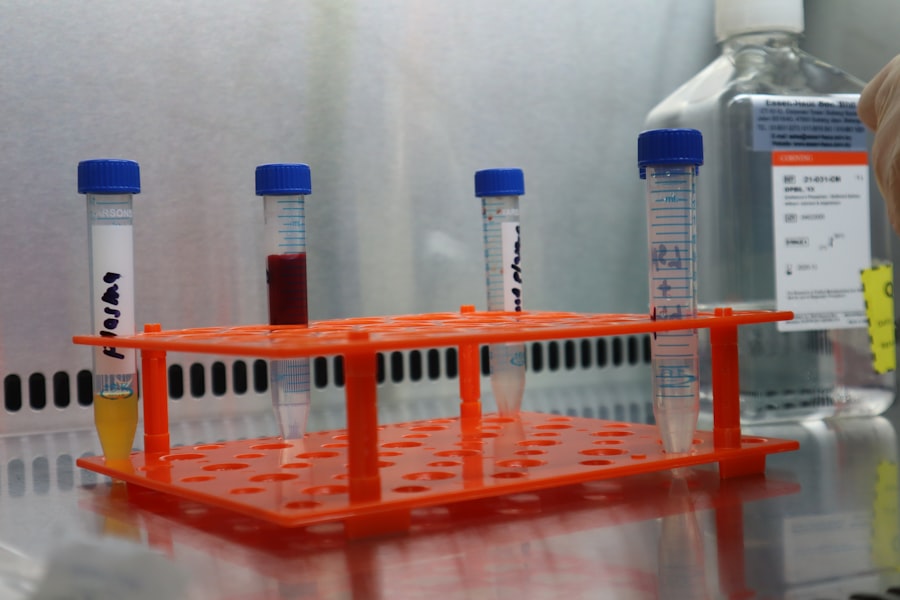
Ethical considerations are paramount throughout all phases of clinical drug trials. The protection of human subjects is governed by strict ethical guidelines and regulations designed to ensure their rights and welfare are prioritized. Informed consent is a fundamental principle that requires researchers to provide potential participants with comprehensive information about the study’s purpose, procedures, risks, and benefits before they agree to participate.
Moreover, ethical oversight is typically provided by Institutional Review Boards (IRBs) or Ethics Committees (ECs), which review study protocols to ensure they meet ethical standards. These bodies assess factors such as risk-benefit ratios, participant recruitment methods, and data confidentiality measures. For instance, in trials involving vulnerable populations—such as children or individuals with cognitive impairments—additional safeguards are implemented to protect their rights and ensure that participation is truly voluntary.
Patient Recruitment and Informed Consent
Patient recruitment is a critical component of clinical drug trials, as the success of a study hinges on enrolling an appropriate number of participants who meet specific eligibility criteria. Researchers employ various strategies to reach potential participants, including outreach through healthcare providers, advertisements in media outlets, and collaborations with patient advocacy groups. Effective recruitment strategies not only enhance enrollment rates but also ensure that diverse populations are represented in clinical research.
Informed consent is an integral part of this process, ensuring that participants fully understand what their involvement entails. Researchers must communicate complex medical information in an accessible manner while allowing ample time for questions and discussions. For example, when recruiting participants for a trial involving a novel cancer treatment, researchers might provide educational materials that explain both the potential benefits and risks associated with participation.
This transparency fosters trust between researchers and participants and empowers individuals to make informed decisions about their involvement in clinical research.
The Future of Clinical Drug Trials
The landscape of clinical drug trials is evolving rapidly due to advancements in technology and changes in regulatory frameworks. Innovations such as digital health technologies, artificial intelligence (AI), and real-world evidence (RWE) are transforming how trials are designed and conducted. For instance, wearable devices can continuously monitor patient health metrics outside traditional clinical settings, providing real-time data that can enhance trial outcomes.
Additionally, adaptive trial designs are gaining traction, allowing researchers to modify aspects of a study based on interim results without compromising scientific integrity. This flexibility can lead to more efficient trials that accelerate the development of promising therapies while minimizing unnecessary exposure to ineffective treatments. As regulatory agencies increasingly embrace these innovations, the future of clinical drug trials holds great promise for improving patient outcomes and expediting access to new therapies.
The integration of patient-centric approaches is also becoming more prevalent in clinical research. Engaging patients in trial design and decision-making processes ensures that studies address their needs and preferences. By prioritizing patient perspectives, researchers can enhance recruitment efforts and improve retention rates throughout the trial process.
As we look ahead, fostering collaboration between stakeholders—including researchers, healthcare providers, patients, and regulatory bodies—will be essential for advancing clinical drug trials and ultimately improving public health outcomes.
