

The Archive of Breakthroughs serves as a comprehensive repository of significant advancements in the field of medicine, chronicling the relentless pursuit of knowledge and innovation that characterizes the healthcare landscape. This archive not only highlights the remarkable achievements of researchers and clinicians but also serves as a testament to the collaborative efforts that drive scientific inquiry. By documenting these breakthroughs, the archive provides a valuable resource for healthcare professionals, policymakers, and the general public, fostering a deeper understanding of the complexities and triumphs inherent in medical research.
In an era where information is abundant yet often fragmented, the Archive of Breakthroughs stands out as a beacon of organized knowledge. It encapsulates a wide array of discoveries across various medical disciplines, from oncology to neurology, infectious diseases to mental health. Each entry in the archive represents not just a scientific finding but also the potential for improved patient outcomes and enhanced quality of life.

As we delve into the latest findings and innovations documented within this archive, we gain insight into how these advancements are shaping the future of medicine and healthcare delivery.
Key Takeaways
- The Archive of Breakthroughs compiles cutting-edge medical research across multiple fields.
- Recent cancer studies reveal promising new therapies and early detection methods.
- Significant progress has been made in understanding and treating neurological disorders.
- Infectious disease research highlights novel vaccines and antiviral treatments.
- Innovations in genetics, regenerative medicine, and mental health are shaping future medical approaches.
The Latest Findings in Cancer Research

Recent advancements in cancer research have ushered in a new era of precision medicine, where treatments are tailored to the individual characteristics of each patient’s tumor. One notable breakthrough is the development of targeted therapies that focus on specific genetic mutations within cancer cells. For instance, the identification of mutations in the EGFR gene has led to the creation of drugs like osimertinib, which has shown remarkable efficacy in treating non-small cell lung cancer.
This approach not only improves survival rates but also minimizes side effects compared to traditional chemotherapy. Moreover, immunotherapy has emerged as a revolutionary treatment modality in oncology. The use of immune checkpoint inhibitors, such as pembrolizumab and nivolumab, has transformed the management of various cancers, including melanoma and lung cancer.
These agents work by unleashing the body’s immune system to recognize and attack cancer cells more effectively. Clinical trials have demonstrated that patients receiving these therapies often experience durable responses, leading to long-term remission in some cases. The ongoing research into combination therapies that pair immunotherapy with other treatment modalities holds promise for further enhancing patient outcomes.
Advancements in Neurological Disorders

The field of neurology has witnessed significant advancements in understanding and treating disorders such as Alzheimer’s disease, Parkinson’s disease, and multiple sclerosis. One groundbreaking development is the identification of biomarkers that can aid in the early diagnosis of Alzheimer’s disease. Researchers have discovered specific proteins, such as amyloid-beta and tau, that accumulate in the brains of individuals with Alzheimer’s.
The ability to detect these biomarkers through advanced imaging techniques or cerebrospinal fluid analysis allows for earlier intervention and potential participation in clinical trials for emerging therapies. In addition to diagnostic advancements, novel therapeutic approaches are being explored for neurological disorders. For instance, deep brain stimulation (DBS) has gained traction as a treatment option for Parkinson’s disease.
This technique involves implanting electrodes in specific brain regions to modulate neural activity and alleviate motor symptoms. Recent studies have shown that DBS can significantly improve quality of life for patients who do not respond adequately to medication alone. Furthermore, ongoing research into gene therapy holds promise for addressing genetic forms of neurological disorders, potentially offering curative options for conditions previously deemed untreatable.
Breakthroughs in Infectious Disease Research
The COVID-19 pandemic has catalyzed unprecedented advancements in infectious disease research, particularly in vaccine development and antiviral therapies. The rapid creation and deployment of mRNA vaccines, such as those developed by Pfizer-BioNTech and Moderna, represent a paradigm shift in vaccine technology. These vaccines utilize messenger RNA to instruct cells to produce a harmless piece of the virus’s spike protein, prompting an immune response without causing disease.
The success of these vaccines not only highlights the potential for rapid response to emerging infectious threats but also paves the way for future mRNA-based vaccines targeting other pathogens. In addition to vaccine innovations, research into antiviral treatments has accelerated significantly. The development of oral antiviral medications like molnupiravir and nirmatrelvir-ritonavir (Paxlovid) has provided effective options for treating COVID-19 in high-risk patients.
These drugs work by inhibiting viral replication, thereby reducing the severity of illness and preventing hospitalization. The lessons learned from COVID-19 have spurred renewed interest in developing broad-spectrum antivirals that could be effective against multiple viral infections, addressing a critical gap in our current therapeutic arsenal.
Innovations in Genetic and Molecular Medicine
| Metric | Description | Value | Unit |
|---|---|---|---|
| Total Research Articles | Number of medical research articles archived | 1,250,000 | articles |
| Annual Growth Rate | Yearly increase in archived medical research articles | 7.5 | % per year |
| Average Citations per Article | Mean number of citations received by each article | 15 | citations |
| Number of Journals Covered | Total medical journals included in the archive | 3,200 | journals |
| Languages Covered | Number of languages in which research articles are archived | 25 | languages |
| Open Access Articles | Percentage of articles freely accessible | 42 | % |
| Average Article Length | Mean length of articles in pages | 12 | pages |
| Data Update Frequency | How often the archive is updated with new research | Weekly | interval |
The field of genetic and molecular medicine has experienced remarkable growth, driven by advancements in genomic sequencing technologies and our understanding of the human genome. One significant innovation is CRISPR-Cas9 gene editing technology, which allows for precise modifications to DNA sequences. This tool has opened new avenues for treating genetic disorders by enabling researchers to correct mutations at their source.
For example, clinical trials are underway to evaluate CRISPR-based therapies for conditions such as sickle cell disease and beta-thalassemia, with promising early results indicating potential cures. Additionally, advancements in personalized medicine are transforming how we approach treatment for various diseases. By analyzing an individual’s genetic makeup, healthcare providers can tailor therapies to maximize efficacy while minimizing adverse effects.
For instance, pharmacogenomics—the study of how genes affect a person’s response to drugs—has led to more effective prescribing practices in oncology and psychiatry. As our understanding of the genetic underpinnings of diseases deepens, the potential for developing targeted therapies that address specific molecular pathways continues to expand.
Developments in Regenerative Medicine
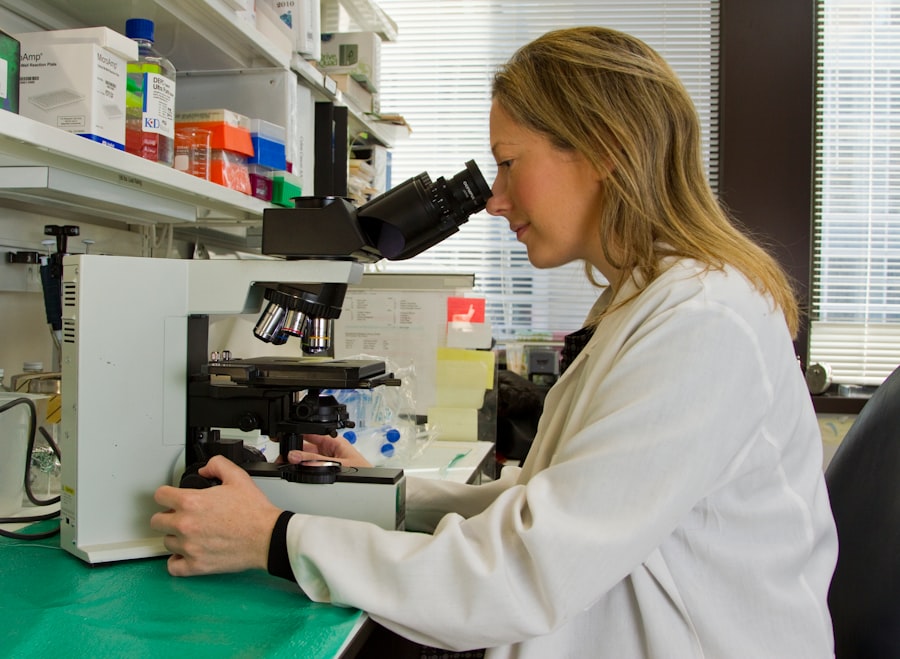
Regenerative medicine is at the forefront of medical innovation, focusing on repairing or replacing damaged tissues and organs through advanced techniques such as stem cell therapy and tissue engineering. One notable advancement is the use of induced pluripotent stem cells (iPSCs), which are derived from adult cells reprogrammed to an embryonic-like state. This technology allows researchers to generate patient-specific cells for transplantation or drug testing without the ethical concerns associated with embryonic stem cells.
Clinical applications are emerging in areas such as cardiac repair following myocardial infarction and neurodegenerative diseases. Tissue engineering has also made significant strides, particularly in creating bioengineered organs for transplantation. Researchers are exploring 3D bioprinting techniques to construct complex tissue structures that mimic natural organs.
For example, scientists have successfully printed vascularized tissues that can support cell survival and function over extended periods. These innovations hold immense potential for addressing organ shortages and improving outcomes for patients requiring transplants.
New Approaches to Mental Health Treatment
The landscape of mental health treatment is evolving rapidly, with new approaches emerging that challenge traditional paradigms. One area gaining traction is the integration of technology into mental health care through teletherapy and digital mental health applications. The COVID-19 pandemic accelerated the adoption of telehealth services, allowing patients to access therapy from the comfort of their homes.
This shift not only improves accessibility but also reduces stigma associated with seeking help. Moreover, novel therapeutic modalities such as psychedelic-assisted therapy are being explored for conditions like depression and PTSD. Substances like psilocybin and MDMA have shown promise in clinical trials, demonstrating significant reductions in symptoms when combined with psychotherapy.
These treatments are thought to facilitate profound psychological insights and emotional breakthroughs, offering new hope for individuals who have not responded to conventional therapies.
Future Directions in Medical Research
As we look ahead, the future directions in medical research are poised to be shaped by interdisciplinary collaboration and technological advancements. The integration of artificial intelligence (AI) into healthcare is expected to revolutionize diagnostics and treatment planning by analyzing vast datasets to identify patterns that may elude human clinicians. AI algorithms are already being developed to assist radiologists in detecting anomalies in imaging studies with remarkable accuracy.
Furthermore, the emphasis on global health equity will drive research initiatives aimed at addressing disparities in healthcare access and outcomes across diverse populations. Collaborative efforts between governments, non-profit organizations, and academic institutions will be essential in tackling pressing health challenges such as infectious diseases, maternal health, and chronic conditions prevalent in underserved communities. In conclusion, the Archive of Breakthroughs encapsulates a dynamic landscape where innovation meets compassion in medicine.
As we continue to document these advancements, we remain hopeful that they will lead to transformative changes in patient care and overall public health outcomes.
