
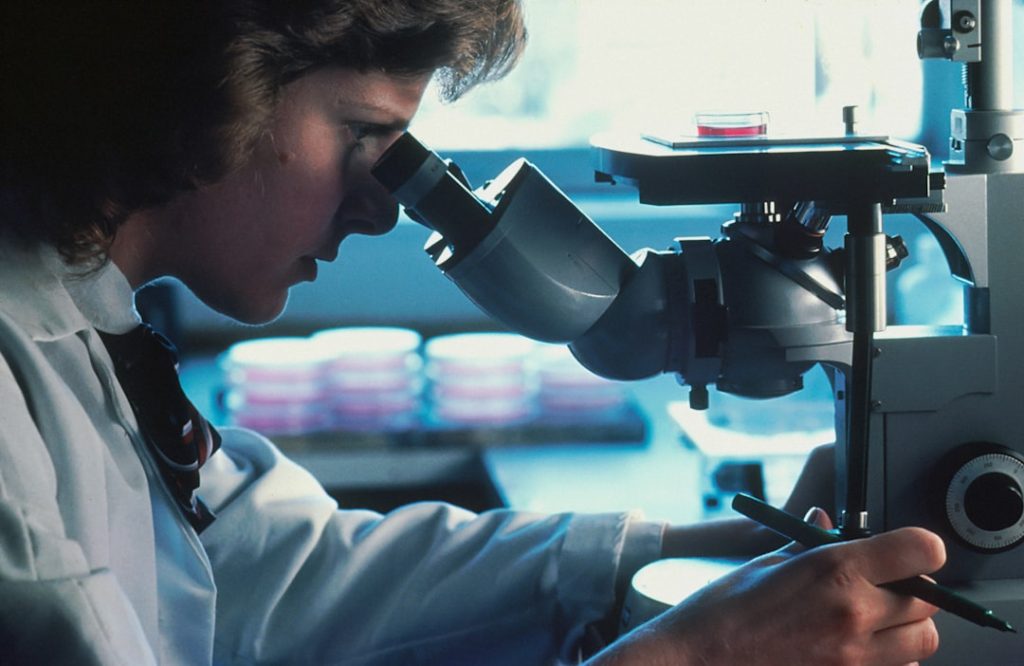
The landscape of modern medicine is characterized by rapid advancements that have transformed the way diseases are diagnosed, treated, and managed. Medical breakthroughs are not merely incremental improvements; they represent significant leaps in our understanding of human biology and disease pathology. These innovations often arise from a confluence of scientific research, technological advancements, and collaborative efforts among researchers, clinicians, and industry leaders.
The impact of these breakthroughs extends beyond individual patients, influencing public health policies, healthcare systems, and the overall quality of life for populations worldwide. As we delve into the various domains of medical breakthroughs, it becomes evident that each advancement is a testament to human ingenuity and perseverance. From the development of novel therapies for chronic diseases to the refinement of surgical techniques, these innovations are reshaping the future of healthcare.

The following sections will explore specific areas where remarkable progress has been made, highlighting the implications for patients and the healthcare system as a whole.
Key Takeaways
- Medical breakthroughs are rapidly transforming diagnosis and treatment across various fields.
- Cancer treatment advancements include targeted therapies and improved survival rates.
- Gene therapy innovations offer potential cures for genetic disorders by correcting faulty genes.
- Immunotherapy breakthroughs enhance the body’s ability to fight diseases like cancer.
- Precision medicine and stem cell research are paving the way for personalized and regenerative treatments.
Advancements in Cancer Treatment

Cancer treatment has undergone a revolutionary transformation over the past few decades, moving away from traditional methods such as chemotherapy and radiation therapy to more targeted and personalized approaches. One of the most significant advancements in this field is the development of targeted therapies that focus on specific molecular alterations within cancer cells. For instance, drugs like trastuzumab (Herceptin) have been designed to target HER2-positive breast cancer, leading to improved survival rates and reduced side effects compared to conventional treatments.
Moreover, the advent of immunotherapy has opened new avenues in cancer treatment. Immune checkpoint inhibitors, such as pembrolizumab (Keytruda) and nivolumab (Opdivo), have demonstrated remarkable efficacy in treating various malignancies by unleashing the body’s immune system to recognize and attack cancer cells. These therapies have not only improved outcomes for patients with advanced melanoma but have also shown promise in other cancers, including lung cancer and bladder cancer.
The ongoing research into combination therapies that integrate immunotherapy with traditional treatments holds the potential to further enhance patient outcomes.
Innovations in Gene Therapy
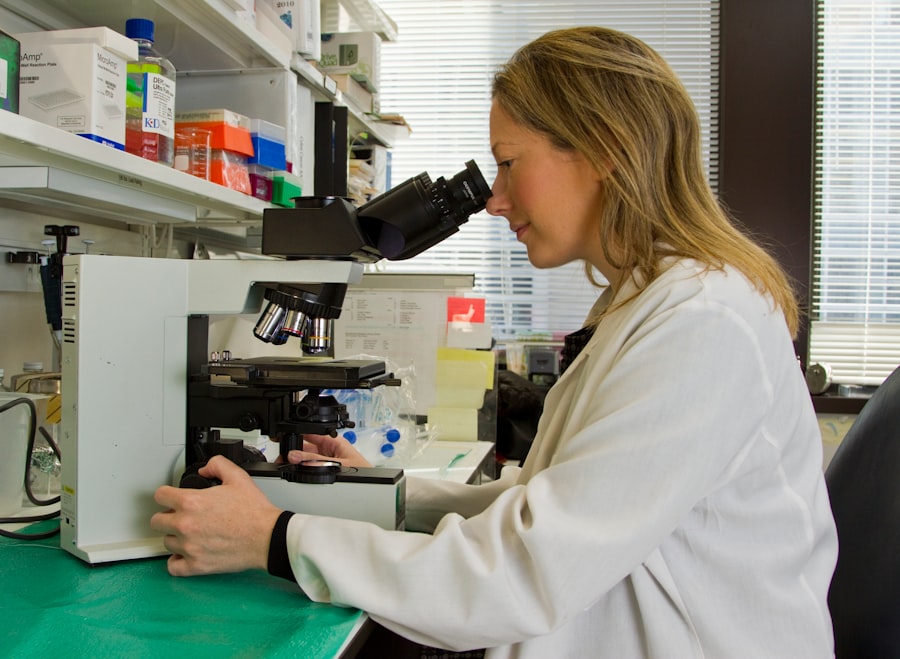
Gene therapy represents one of the most exciting frontiers in modern medicine, offering the possibility of treating genetic disorders at their source. By introducing, removing, or altering genetic material within a patient’s cells, gene therapy aims to correct underlying genetic defects that cause diseases. One notable example is the use of adeno-associated virus (AAV) vectors to deliver therapeutic genes for conditions such as spinal muscular atrophy (SMA).
The approval of onasemnogene abeparvovec (Zolgensma) marked a significant milestone in gene therapy, providing a one-time treatment option that has shown remarkable efficacy in improving motor function in affected infants. In addition to inherited disorders, gene therapy is being explored as a treatment for various acquired diseases, including certain types of cancer and viral infections. Researchers are investigating the use of CRISPR-Cas9 technology to edit genes associated with diseases like sickle cell anemia and beta-thalassemia.
This revolutionary approach allows for precise modifications at the DNA level, potentially offering long-lasting cures rather than symptomatic treatments. As clinical trials continue to yield promising results, gene therapy is poised to redefine the treatment landscape for numerous conditions.
Breakthroughs in Immunotherapy
Immunotherapy has emerged as a groundbreaking approach in the fight against cancer, harnessing the body’s immune system to identify and destroy malignant cells. This paradigm shift has led to the development of various immunotherapeutic strategies, including monoclonal antibodies, cancer vaccines, and adoptive cell transfer therapies. One of the most notable breakthroughs in this field is CAR T-cell therapy, which involves engineering a patient’s T-cells to express chimeric antigen receptors that target specific tumor antigens.
This innovative approach has shown remarkable success in treating hematological malignancies such as acute lymphoblastic leukemia (ALL) and certain types of lymphoma. The success of immunotherapy is not limited to hematological cancers; it has also made significant strides in solid tumors. For instance, immune checkpoint inhibitors have revolutionized the treatment landscape for melanoma and non-small cell lung cancer (NSCLC).
By blocking proteins that inhibit immune responses, these therapies enable T-cells to effectively attack tumor cells. The combination of immunotherapy with other treatment modalities, such as chemotherapy or radiation therapy, is an area of active research aimed at enhancing therapeutic efficacy and overcoming resistance mechanisms.
Progress in Stem Cell Research
| Metric | Description | Value | Unit | Source |
|---|---|---|---|---|
| Number of Clinical Trials | Total ongoing clinical trials in medical research | 350,000 | trials | ClinicalTrials.gov |
| Average Research Funding | Annual funding allocated to medical research | 45 | billion USD | NIH (2023) |
| Research Publications | Number of medical research papers published annually | 1,200,000 | papers | PubMed (2023) |
| Average Time to Drug Approval | Time from research start to drug approval | 10 | years | FDA Reports |
| Global Research Workforce | Number of professionals involved in medical research | 1,500,000 | people | WHO (2023) |
Stem cell research has garnered immense attention due to its potential to revolutionize regenerative medicine and tissue engineering. Stem cells possess unique properties that allow them to differentiate into various cell types and self-renew indefinitely. This capability opens up exciting possibilities for treating degenerative diseases and injuries.
For example, researchers are exploring the use of induced pluripotent stem cells (iPSCs) derived from adult cells to generate patient-specific tissues for transplantation or drug testing. One of the most promising applications of stem cell research is in the treatment of neurodegenerative disorders such as Parkinson’s disease and amyotrophic lateral sclerosis (ALS). By transplanting stem cell-derived neurons into affected areas of the brain or spinal cord, researchers aim to restore lost function and improve quality of life for patients.
Additionally, advancements in 3D bioprinting technology are enabling scientists to create complex tissue structures that mimic natural organs, paving the way for future organ transplantation solutions.
Developments in Precision Medicine

Precision medicine represents a paradigm shift in healthcare that tailors medical treatment to individual characteristics, including genetic makeup, environmental factors, and lifestyle choices. This approach contrasts with traditional one-size-fits-all treatments by recognizing that patients with similar diagnoses may respond differently to therapies based on their unique biological profiles. The integration of genomic sequencing into clinical practice has been instrumental in advancing precision medicine.
One notable example is the use of genomic profiling in oncology to identify specific mutations driving tumor growth. By analyzing a patient’s tumor DNA, oncologists can select targeted therapies that are more likely to be effective based on the molecular characteristics of the cancer. This personalized approach not only improves treatment outcomes but also minimizes unnecessary side effects associated with ineffective therapies.
Furthermore, precision medicine extends beyond oncology; it is being applied in fields such as cardiology and psychiatry to develop tailored interventions that address individual patient needs.
Improvements in Organ Transplantation
Organ transplantation has long been a critical component of modern medicine, providing life-saving solutions for patients with end-stage organ failure. Recent advancements have significantly improved transplant outcomes and expanded the donor pool. One major breakthrough is the development of machine perfusion technology, which allows organs to be preserved outside the body for extended periods while maintaining their viability.
This innovation enhances organ preservation and increases the chances of successful transplantation. Additionally, advances in immunosuppressive therapies have reduced the risk of organ rejection while minimizing side effects associated with long-term use. The introduction of new agents such as belatacept has shown promise in improving graft survival rates without compromising patient safety.
Furthermore, ongoing research into xenotransplantation—transplanting organs from genetically modified animals—holds potential for addressing the shortage of human organ donors. As these technologies continue to evolve, they may reshape the future landscape of organ transplantation.
Future Prospects and Implications
The future of medicine is poised for unprecedented advancements driven by ongoing research and technological innovation. As we look ahead, several trends are likely to shape the trajectory of medical breakthroughs. The integration of artificial intelligence (AI) into healthcare is one such trend that holds immense promise for enhancing diagnostics, treatment planning, and patient monitoring.
AI algorithms can analyze vast amounts of data from electronic health records and genomic databases to identify patterns that may inform clinical decision-making. Moreover, the continued exploration of personalized medicine will likely lead to more effective treatments tailored to individual patients’ needs. As our understanding of genomics deepens and new therapeutic modalities emerge, healthcare providers will be better equipped to deliver targeted interventions that optimize patient outcomes.
However, these advancements also raise ethical considerations regarding access to cutting-edge therapies and potential disparities in healthcare delivery. In conclusion, while we stand on the brink of remarkable medical breakthroughs across various domains—from cancer treatment to gene therapy—the implications for patients and society are profound. The ongoing collaboration among researchers, clinicians, and policymakers will be crucial in ensuring that these innovations translate into tangible benefits for all individuals seeking better health outcomes.
As we navigate this exciting era in medicine, it is essential to remain vigilant about ethical considerations while embracing the transformative potential of scientific discovery.
