

Clinical trials for Alzheimer’s disease treatments represent a critical part of the scientific process, acting as a bridge between laboratory discoveries and potential patient benefits. The website ClinicalTrials.gov serves as a central repository for this crucial information, documenting a vast landscape of ongoing and completed research into this complex neurodegenerative condition. Understanding the information presented on ClinicalTrials.gov is essential for researchers, patients, and the wider public interested in the progress of Alzheimer’s therapies. This article will delve into the nature of clinical trials as documented on this platform, highlighting key areas of investigation and the broader implications for the future of Alzheimer’s care.
ClinicalTrials.gov is a registry and results database of publicly and privately supported clinical studies conducted around the world. Operated by the U.S. National Library of Medicine (NLM) at the National Institutes of Health (NIH), it provides a standardized platform for investigators to register their trials and report their findings. This transparency is vital for several reasons. For starters, it helps prevent duplicated efforts, ensuring that researchers are aware of ongoing work and can build upon existing knowledge rather than inadvertently repeating research that has already been conducted. Secondly, it allows for a comprehensive overview of the research landscape, offering insights into which areas are receiving the most attention and what therapeutic avenues are being explored. Imagine it as a vast library catalog, listing every book (trial) published on a particular subject (Alzheimer’s), allowing you to see the breadth and depth of available information and identify specific titles that might be of interest.
The Purpose of Clinical Trial Registration

The fundamental purpose of registering a clinical trial on ClinicalTrials.gov is to ensure that research conducted with human participants is made public. This registration is typically required by regulatory bodies and journals before a study can begin or recruit participants. It provides essential details about the trial, including its objectives, design, eligibility criteria, and the locations where it is being conducted. This allows for a clear understanding of the research question being addressed and the methodology employed.
Accessing and Navigating the Database
Navigating ClinicalTrials.gov can seem daunting initially, given the sheer volume of information. However, effective search functionalities allow users to filter trials based on keywords, disease status, intervention types, and geographical locations. For someone seeking information on new Alzheimer’s treatments, specific search terms like “Alzheimer’s disease,” “amyloid,” “tau,” “immunotherapy,” or “cognitive enhancement” can yield relevant results. The website provides detailed study records, including a summary of the trial, scientific objectives, and links to participating sites.
Therapeutic Avenues Under Investigation

Clinical trials for Alzheimer’s disease are exploring a diverse range of therapeutic strategies, reflecting the multifaceted nature of the disease. These investigations aim to address various biological mechanisms implicated in its development and progression. Each approach represents a distinct hypothesis about how to intervene in the disease process, and the collective efforts on ClinicalTrials.gov showcase the scientific community’s broad assault on this challenging illness.
Amyloid-Beta Targeting Therapies
A significant portion of Alzheimer’s research has focused on the protein amyloid-beta. This protein forms plaques in the brain, which are considered a hallmark of the disease. Clinical trials are evaluating a variety of approaches to reduce the production of amyloid-beta, prevent its aggregation, or clear existing plaques.
Monoclonal Antibodies
Several monoclonal antibodies are being investigated as a means to target and clear amyloid plaques. These are laboratory-produced antibodies that are designed to bind to amyloid-beta proteins. Examples include trials for drugs that bind to soluble amyloid-beta oligomers, which are thought to be particularly toxic to neurons, as well as antibodies that target amyloid plaques themselves. The aim is to reduce the burden of amyloid in the brain.
BACE Inhibitors
Beta-secretase 1 (BACE1) is an enzyme involved in the production of amyloid-beta. Inhibiting this enzyme is another strategy being explored to reduce amyloid-beta levels. Clinical trials have investigated BACE inhibitors, though some have faced challenges in terms of efficacy and side effects.
Gamma-Secretase Modulators
Gamma-secretase is another enzyme that plays a role in amyloid-beta production. Modulating its activity, rather than completely inhibiting it, is an area of ongoing research, with trials exploring compounds that could alter the proportions of different amyloid-beta fragments produced.
Tau-Targeting Therapies
Another key pathological feature of Alzheimer’s disease is the accumulation of tau protein, which forms neurofibrillary tangles within neurons. For a long time, amyloid was the primary focus, but the understanding of tau’s role has grown, leading to a surge in trials addressing this target.
Tau Aggregation Inhibitors
These therapies aim to prevent tau proteins from misfolding and clumping together into tangles. Trials are investigating small molecules and other agents that can bind to tau and inhibit its aggregation.
Tau Immunotherapies
Similar to amyloid immunotherapies, researchers are developing antibodies that target abnormal tau proteins to promote their clearance from the brain. This approach seeks to leverage the body’s immune system to combat the disease. Trials are often distinguishing between different forms of tau, such as phosphorylated tau, which is believed to be a key driver of pathology.
Neuroinflammation and Synaptic Plasticity
The brain’s inflammatory response and the health of synapses (the connections between neurons) are also critical areas of investigation. Neuroinflammation, while a natural response to injury, can become chronic and detrimental in Alzheimer’s disease. Synaptic dysfunction is a primary driver of the cognitive decline observed in patients.
Anti-Inflammatory Agents
Trials are exploring various anti-inflammatory compounds, including non-steroidal anti-inflammatory drugs (NSAIDs) and other novel agents, to dampen the chronic inflammatory processes in the brain. The challenge here is to reduce harmful inflammation without suppressing beneficial immune responses.
Agents Promoting Synaptic Health
Some research focuses on interventions that can protect or restore synaptic function. This might include compounds that enhance neurotransmitter activity or promote the growth and survival of synaptic connections. These treatments aim to directly address the loss of communication between neurons, which underlies memory loss and other cognitive deficits.
Investigational Drug Development and Trial Phases
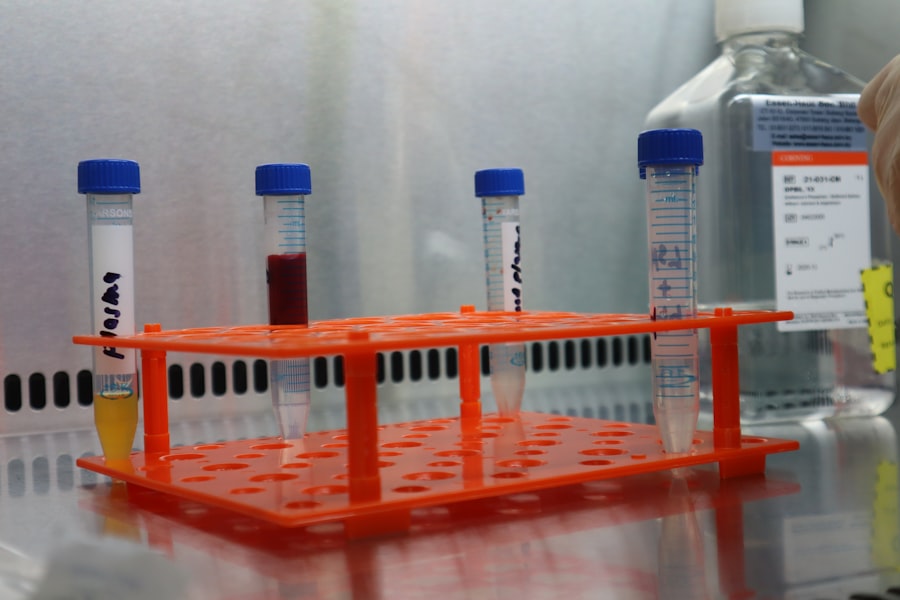
The development of any new drug, including those for Alzheimer’s disease, is a long and rigorous process that progresses through several distinct phases of clinical trials. Each phase has a specific purpose in evaluating the safety and efficacy of a potential treatment. Understanding these phases is crucial for interpreting the information found on ClinicalTrials.gov.
Phase 1 Trials: Safety First
Phase 1 trials are the initial step in testing a new drug in humans. The primary goal is to assess the safety of the drug and determine a safe dosage range. These trials typically involve a small number of healthy volunteers or individuals with the disease. Researchers monitor for any adverse effects and how the drug is absorbed, distributed, metabolized, and excreted by the body. For Alzheimer’s disease, this phase is particularly important given the age and vulnerability of the patient population.
Phase 2 Trials: Exploring Efficacy and Side Effects
If a drug proves to be safe in Phase 1, it moves to Phase 2 trials. These trials involve a larger group of participants, including those with Alzheimer’s disease. The main objectives are to evaluate the drug’s effectiveness in treating the condition and to further assess its safety and identify potential side effects. Researchers will measure specific outcomes related to cognitive function, disease biomarkers, and overall well-being.
Phase 3 Trials: Confirming Efficacy and Monitoring Adverse Reactions
Phase 3 trials are the largest and most comprehensive stage of drug development. They involve hundreds or even thousands of participants across multiple locations. The primary goal is to confirm the drug’s efficacy, monitor side effects, compare it to standard treatments (if available), and collect information that will allow the drug to be used safely. Positive results from Phase 3 trials are typically required for a drug to be considered for regulatory approval.
Phase 4 Trials: Post-Marketing Surveillance
After a drug has been approved and is available to the public, Phase 4 trials, also known as post-marketing surveillance, are conducted. These trials continue to monitor the drug’s safety and effectiveness in the general population over a longer period. They can identify rare side effects that may not have been apparent in earlier trials and explore new uses for the drug.
Eligibility Criteria and Patient Recruitment

The success of any clinical trial hinges on the careful selection of participants who meet specific criteria. Eligibility criteria are the rules that determine who can and cannot participate in a study. These are meticulously designed to ensure the safety of participants and the validity of the study’s results.
Defining the Target Population
For Alzheimer’s disease trials, eligibility criteria often specify the stage of the disease (e.g., mild, moderate, severe), the presence of specific biomarkers (like amyloid or tau in cerebrospinal fluid or on PET scans), and the absence of other significant medical conditions that could interfere with the study’s outcomes or participant safety. For instance, a trial testing an early-stage intervention might exclude individuals with advanced dementia.
Inclusion and Exclusion Criteria
Inclusion criteria specify the characteristics that potential participants must have to be considered for a trial. Exclusion criteria list the characteristics that would disqualify a potential participant. These might include certain medications, other neurological conditions, or significant organ system dysfunction. The purpose is to create a relatively homogeneous study group that allows researchers to attribute any observed effects specifically to the intervention being tested.
The Role of Caregivers and Families
In Alzheimer’s disease research, caregivers and family members often play an indispensable role. They are frequently involved in understanding study protocols, providing consent, accompanying participants to appointments, and reporting on the patient’s daily functioning and any observed changes. Many trials on ClinicalTrials.gov will list requirements for caregiver involvement as part of the inclusion criteria.
Challenges and Future Directions
| Metric | Description | Example Value |
|---|---|---|
| Number of Registered Trials | Total clinical trials registered on ClinicalTrials.gov | 450,000+ |
| Active Recruiting Trials | Trials currently recruiting participants | 25,000+ |
| Completed Trials | Trials that have been completed | 200,000+ |
| Phases Covered | Clinical trial phases included (Phase 1 to Phase 4) | Phase 1, 2, 3, 4 |
| Conditions Studied | Number of unique medical conditions studied | 10,000+ |
| Intervention Types | Types of interventions (Drug, Device, Behavioral, etc.) | Drug, Device, Behavioral, Procedure |
| Locations | Number of countries with registered trials | 200+ |
| Average Enrollment | Average number of participants per trial | 100-300 |
| Results Reporting Rate | Percentage of trials reporting results on the site | 40% |
The path to an effective Alzheimer’s treatment is fraught with challenges, but the vast array of ongoing research documented on ClinicalTrials.gov offers a beacon of hope. Understanding these challenges is vital to appreciating the current state of the field and the future trajectory of research.
High Failure Rate in Drug Development
Historically, Alzheimer’s drug development has faced a high rate of failure, particularly in later-stage trials. Many promising compounds that showed efficacy in preclinical studies or early human trials have ultimately not proven effective in larger, more diverse populations or have exhibited unacceptable side effects. This has led to a refinement of research strategies and a deeper understanding of the disease’s complexity.
The Complexity of Alzheimer’s Pathogenesis
Alzheimer’s disease is not a single, simple cause-and-effect illness. It involves a complex interplay of genetic, environmental, and lifestyle factors that contribute to the accumulation of abnormal proteins, neuroinflammation, synaptic dysfunction, and ultimately, neuronal death. This complexity means that a single therapeutic agent may not be sufficient to halt or reverse the disease.
Biomarker Development and Precision Medicine
The development and application of reliable biomarkers are crucial for advancing Alzheimer’s research. Biomarkers can help in early diagnosis, tracking disease progression, and monitoring treatment response. The shift towards precision medicine, tailoring treatments to individual patient characteristics based on genetic profiles or specific disease subtypes, is a promising future direction. ClinicalTrials.gov reflects this growing trend, with an increasing number of trials specifying biomarker-based eligibility or outcome measures.
The Importance of Early Intervention
Much of the current research hypothesis revolves around the idea that intervening earlier in the disease process, before significant neuronal loss has occurred, will yield the most significant benefits. This focus on prodromal or very early symptomatic stages of Alzheimer’s is evident in many trials registered on ClinicalTrials.gov, suggesting a strategic shift towards prevention and slowing disease progression at its nascent stages. The ultimate goal is to move from managing symptoms to altering the course of the disease itself, offering a ray of light in the ongoing fight against this devastating condition.
