
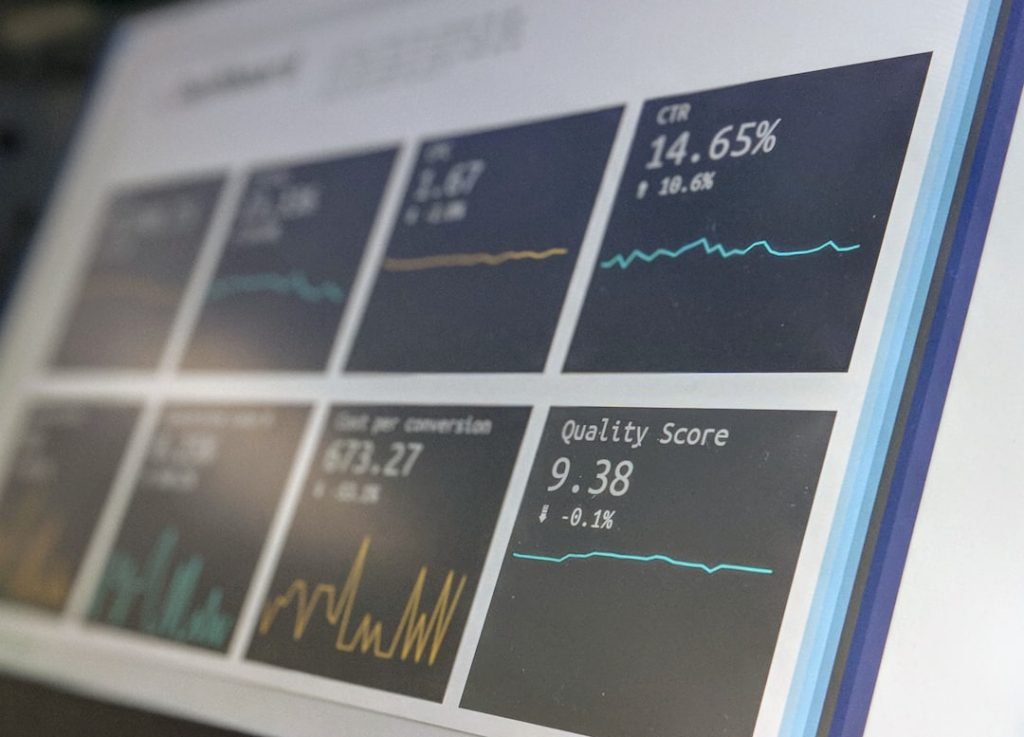
Effective data management forms the foundation of clinical research by ensuring research integrity and result validity. Clinical studies produce substantial volumes of data including patient demographics, clinical outcomes, laboratory results, and adverse event reports. A comprehensive data management strategy prevents information from becoming disorganized, which can cause errors, misinterpretations, and compromised study results.
Systematic data management enables timely decision-making during all phases of clinical studies. Researchers require accurate and accessible data to monitor study progress, evaluate safety parameters, and implement protocol modifications when necessary. In adaptive clinical trials, where study design changes may occur based on interim analyses, organized data management systems support real-time data analysis and rapid response to emerging patterns.

This capability improves research quality while maintaining patient safety standards.
Key Takeaways
- Efficient data management is crucial for the success and reliability of clinical studies.
- Implementing best practices in data collection and organization improves study accuracy and efficiency.
- Utilizing advanced technology streamlines data handling and enhances overall study management.
- Maintaining data quality, integrity, and regulatory compliance ensures trustworthy and secure clinical research.
- Effective data analysis and interpretation contribute to better patient safety, outcomes, and future clinical advancements.
Best Practices for Collecting and Organizing Clinical Study Data

The collection and organization of clinical study data require meticulous planning and execution. One of the best practices involves establishing a clear data collection protocol that outlines the types of data to be collected, the methods for collection, and the timelines for data entry. This protocol should be developed collaboratively by all stakeholders, including clinical researchers, biostatisticians, and data managers, to ensure that it meets the needs of the study while adhering to regulatory requirements.
In addition to a well-defined protocol, utilizing standardized data collection tools can significantly enhance the organization of clinical study data. Electronic data capture (EDC) systems are increasingly favored over traditional paper-based methods due to their ability to streamline data entry and reduce errors. These systems often come equipped with features such as real-time validation checks, which help identify discrepancies at the point of entry.
Furthermore, employing standardized terminologies and coding systems, such as the Clinical Data Interchange Standards Consortium (CDISC) standards, ensures consistency across datasets and facilitates easier integration with other databases.
Leveraging Technology for Streamlined Data Management

The integration of technology into clinical data management has revolutionized how researchers handle data throughout the study lifecycle. Advanced software solutions enable researchers to automate various aspects of data management, from collection to analysis. For example, cloud-based platforms allow for centralized data storage, making it easier for multi-site studies to share information seamlessly.
This accessibility not only enhances collaboration among research teams but also ensures that all stakeholders have access to the most current data. Moreover, leveraging artificial intelligence (AI) and machine learning (ML) technologies can further streamline data management processes. These technologies can assist in identifying patterns within large datasets that may not be immediately apparent to human analysts.
For instance, AI algorithms can analyze patient responses in real-time to predict potential adverse events or treatment outcomes, allowing researchers to make informed decisions quickly. Additionally, automated reporting tools can generate insights and visualizations that aid in interpreting complex datasets, ultimately enhancing the overall efficiency of clinical studies.
Ensuring Data Quality and Integrity in Clinical Studies
Data quality and integrity are critical components of clinical research that directly impact the reliability of study findings. To ensure high-quality data, it is essential to implement rigorous quality control measures throughout the data management process. This includes conducting regular audits and validation checks to identify any inconsistencies or errors in the dataset.
For example, double data entry methods can be employed where two independent personnel enter the same data, allowing for cross-verification and minimizing human error. Furthermore, fostering a culture of accountability among team members is vital for maintaining data integrity. Training sessions focused on best practices for data handling and ethical considerations in research can empower staff to take ownership of their roles in the data management process.
Establishing clear lines of communication regarding data responsibilities ensures that everyone involved understands their contributions to maintaining the integrity of the study.
Effective Strategies for Data Analysis and Interpretation
| Metric | Description | Typical Value/Range | Importance |
|---|---|---|---|
| Data Entry Error Rate | Percentage of errors identified during data entry | 0.1% – 1% | High – impacts data quality and study validity |
| Query Resolution Time | Average time taken to resolve data queries | 1 – 5 days | Medium – affects study timelines |
| Data Lock Time | Time from last patient visit to database lock | 2 – 6 weeks | High – critical for study reporting |
| CRF Completion Rate | Percentage of case report forms fully completed | 95% – 100% | High – ensures completeness of data |
| Data Validation Rate | Percentage of data points validated through edit checks | 90% – 99% | High – ensures data accuracy |
| Database Downtime | Percentage of time the clinical database is unavailable | <1% | Medium – affects data entry and monitoring |
| Audit Trail Completeness | Percentage of data changes tracked with audit trail | 100% | High – regulatory compliance requirement |
| Data Backup Frequency | Interval at which data backups are performed | Daily to Weekly | High – prevents data loss |
Once data has been collected and organized, the next critical step is analysis and interpretation. Employing effective statistical methods is essential for drawing meaningful conclusions from clinical study data. Researchers must select appropriate analytical techniques based on the study design and research questions.
For instance, if a study aims to compare treatment effects between two groups, statistical tests such as t-tests or ANOVA may be employed to assess differences in outcomes. In addition to traditional statistical methods, utilizing advanced analytical techniques such as multivariate analysis or survival analysis can provide deeper insights into complex datasets. These methods allow researchers to account for confounding variables and better understand relationships between different factors influencing patient outcomes.
Moreover, visualizing data through graphs and charts can enhance interpretation by making trends more apparent and facilitating communication of findings to diverse audiences.
Addressing Regulatory Compliance and Data Security in Clinical Studies

Regulatory compliance is a fundamental aspect of clinical research that cannot be overlooked. Researchers must adhere to guidelines set forth by regulatory bodies such as the Food and Drug Administration (FDA) or the European Medicines Agency (EMA). These regulations dictate how data should be collected, stored, and reported to ensure participant safety and ethical conduct throughout the study.
Implementing a comprehensive compliance framework that includes regular training on regulatory requirements is essential for keeping all team members informed. Data security is another critical consideration in clinical studies, particularly given the sensitive nature of health information. Researchers must implement robust security measures to protect patient confidentiality and prevent unauthorized access to data.
This includes utilizing encryption technologies for data storage and transmission, as well as establishing strict access controls that limit who can view or modify sensitive information. Regular security audits can help identify vulnerabilities in the system and ensure that appropriate safeguards are in place.
The Role of Data Management in Enhancing Patient Safety and Outcomes
Effective data management plays a pivotal role in enhancing patient safety and improving outcomes in clinical studies. By ensuring that accurate and timely information is available throughout the research process, researchers can make informed decisions that prioritize participant welfare. For instance, real-time monitoring of adverse events allows for swift interventions if safety concerns arise during a trial.
Moreover, comprehensive data management enables researchers to identify trends that may inform future treatment protocols or guidelines. By analyzing outcomes across diverse patient populations, researchers can uncover insights into how different demographics respond to treatments, ultimately leading to more personalized approaches in healthcare. This focus on patient-centered research not only enhances safety but also contributes to better overall health outcomes.
Future Trends in Clinical Study Data Management
As technology continues to evolve, so too will the landscape of clinical study data management. One emerging trend is the increasing use of decentralized clinical trials (DCTs), which leverage remote monitoring technologies and telehealth solutions to collect data from participants outside traditional clinical settings. This approach not only enhances patient convenience but also broadens access to diverse populations that may have previously been underrepresented in clinical research.
Additionally, advancements in big data analytics are poised to transform how researchers approach data management. The ability to analyze vast datasets from various sources—such as electronic health records (EHRs), wearables, and genomic databases—will enable more comprehensive insights into patient health trends and treatment efficacy. As these technologies become more integrated into clinical research workflows, they will facilitate more agile decision-making processes and ultimately lead to more effective interventions.
In conclusion, efficient data management is essential for conducting high-quality clinical studies that prioritize patient safety and produce reliable findings. By adopting best practices for data collection and organization, leveraging technology for streamlined processes, ensuring data quality and integrity, addressing regulatory compliance and security concerns, employing effective analysis strategies, and staying attuned to future trends, researchers can enhance their ability to contribute valuable insights to the field of medicine.
