
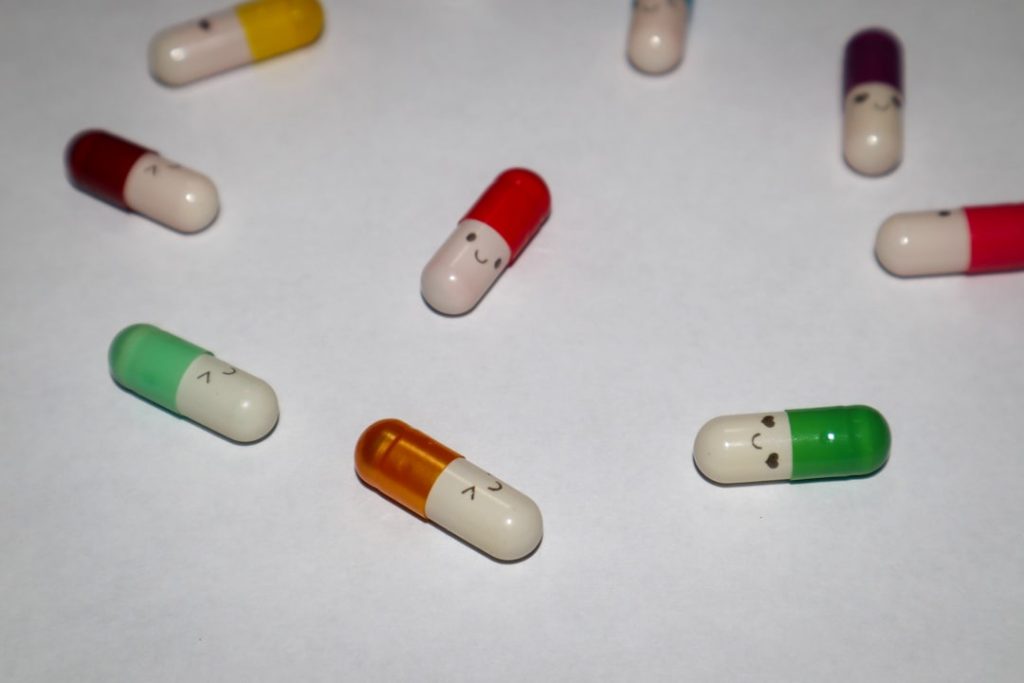
Clinical trial supply chains are complex systems responsible for ensuring that investigational medicinal products and associated materials are available at the right place, at the right time, and in the right quantity for participants to receive their treatment as planned. The efficient and effective management of these supply chains is paramount for the success of clinical research, impacting everything from patient safety and data integrity to trial timelines and overall cost. A breakdown in the supply chain can lead to significant delays, increased expenditure, and, in worst-case scenarios, compromise the validity of study results. Imagine a vast, intricate clockwork mechanism; each gear and spring must function perfectly for the timepiece to keep accurate time. In clinical trials, the supply chain is that clockwork, and a single malfunctioning part can disrupt the entire operation.
The foundation of any optimized clinical trial supply chain rests on several key principles and components. Neglecting any of these can be like building a house on sand; it may stand for a while, but it lacks the inherent stability for long-term success. These pillars are not isolated entities but are interconnected, with strength in one reinforcing the others.
Demand Forecasting: The Compass and Sextant of Supply

Accurate demand forecasting is the initial, critical step in the supply chain journey. It’s the process of predicting how much drug, placebo, and comparator product will be needed, along with ancillary supplies like syringes, vials, and patient diaries, for the duration of the trial. This isn’t a crystal ball gazing exercise; it involves a rigorous analysis of various factors.
Key Forecasting Inputs
- Patient Recruitment Projections: The anticipated enrollment rate in each trial site is a primary driver. Sites enrolling faster will naturally require more supplies.
- Investigational Medicinal Product (IMP) Dosing and Regimen: The frequency and dosage of the IMP directly influence consumption. A daily oral medication will have a different demand profile than a weekly injectable.
- Study Protocol Specifics: The study design, including planned treatment arms, crossover periods, and potential for dose adjustments, directly impacts the quantity and type of supplies needed.
- Re-supply Cycles and Lead Times: Understanding how long it takes to manufacture, package, ship, and clear customs for new batches of IMP is crucial for avoiding stockouts.
- Historical Data and Benchmarking: Data from similar past trials can provide valuable insights, though caution is advised as no two trials are identical.
- Site-Specific Considerations: Factors such as local shipping delays, customs regulations, and expected patient retention rates at individual sites can necessitate adjustments to global forecasts.
The Perils of Inaccurate Forecasting
Underestimating demand leads to stockouts, resulting in delayed treatments for patients, potential patient withdrawal from the study, and the need for expensive expedited shipments. Conversely, overestimating demand can result in significant waste of expensive IMP and storage costs, especially for time-sensitive or temperature-controlled materials. It’s akin to a ship captain navigating by outdated charts; they might end up far from their intended destination, facing unexpected hazards.
Inventory Management: The Art of Balancing Reserves

Once demand is projected, effective inventory management ensures that the right amount of product is stored at the right locations to meet that demand. This is more than just keeping shelves stocked; it’s a strategic allocation of resources.
Strategic Depot Locations
- Centralized vs. Decentralized Warehousing: The decision to use a single, large central depot or multiple smaller, regional depots depends on factors like trial geography, regulatory requirements, and the cost-effectiveness of transportation.
- Just-in-Time (JIT) vs. Buffer Stock: While JIT aims to minimize inventory holding, clinical trials often require buffer stock to mitigate the risks of supply chain disruptions. The optimal strategy involves a carefully calculated balance.
- Temperature-Controlled Storage: Many investigational drugs are sensitive to temperature fluctuations. Maintaining a cold chain, from manufacturing to patient administration, is non-negotiable and requires specialized facilities and monitoring, like a vigilant guardian protecting precious cargo.
Expiry Date Management
- First-Expired, First-Out (FEFO): Employing FEFO principles ensures that products with earlier expiry dates are used first, minimizing the risk of expired stock going to waste.
- Expiry Date Tracking: Robust systems for tracking expiry dates across all depots and at the site level are essential.
Packaging and Labeling: The Identity and Instruction Manual
The packaging and labeling of investigational medicinal products are critical for patient safety and regulatory compliance. Each label is a vital communication tool, conveying essential information to healthcare professionals and patients.
Labeling Requirements
- Multilingual Labels: Trials conducted in multiple countries require labels in the local languages, ensuring understanding across diverse patient populations.
- Braille and Large Print: For visually impaired patients, accessible labeling options may be necessary.
- Unique Identifiers and Traceability: Each vial or pack must have a unique identifier for traceability, allowing for tracking from the manufacturer to the patient. This is akin to a unique fingerprint for each unit of the drug.
- Blinding Integrity: For blinded studies, labels must be designed to maintain the blind, often using coded numbers or specific visual cues that are only deciphered at the appropriate time.
Distribution and Logistics: The Arteries of the System
The movement of investigational products from the manufacturer to the clinical sites and ultimately to patients is the circulatory system of the supply chain. A disruption here can halt progress rapidly.
Transportation Modes and Considerations
- Global Shipping Networks: Establishing reliable relationships with global logistics providers experienced in handling pharmaceutical products is paramount.
- Cold Chain Logistics: Maintaining the integrity of the cold chain during transit requires specialized equipment, such as refrigerated containers and temperature monitors, and careful route planning.
- Customs Clearance: Navigating the complexities of international customs regulations for investigational drugs can be a significant hurdle. Delays here can be like a traffic jam in a critical intersection, blocking all movement.
- Last-Mile Delivery: Ensuring timely and secure delivery to individual clinical sites, sometimes in remote locations, is often the most challenging aspect of distribution.
Navigating the Complexities of the Supply Chain Ecosystem
The clinical trial supply chain doesn’t exist in a vacuum. It is an intricate ecosystem involving numerous stakeholders, each with their own objectives and constraints. Successful optimization requires understanding and coordinating the efforts of all these players.
Stakeholder Collaboration: The Orchestra of Operations
Effective collaboration among all parties involved is not just a nicety; it’s a necessity for a well-functioning supply chain. Each stakeholder plays a distinct instrument, and without good coordination, the symphony of trial execution will be discordant.
Key Stakeholders and Their Roles
- Sponsors: The pharmaceutical or biotechnology companies funding and overseeing the clinical trial. They bear the ultimate responsibility for the supply chain.
- Contract Research Organizations (CROs): Organizations that conduct clinical trials on behalf of sponsors. CROs often have specialized expertise in supply chain management.
- Investigational Medicinal Product (IMP) Manufacturers: The companies that produce the drug. Their manufacturing schedules and capacities directly impact supply availability.
- Logistics Providers: Companies specializing in the transportation and warehousing of pharmaceutical products.
- Depot Management Organizations: Facilities responsible for storing, packaging, and distributing IMP and other supplies to trial sites.
- Regulatory Authorities: Government agencies that oversee the approval and conduct of clinical trials, influencing labeling and distribution requirements.
- Clinical Investigators and Site Staff: The healthcare professionals at trial sites who administer the IMP to patients. Their feedback on supply needs and challenges is invaluable.
- Patients: The ultimate recipients of the investigational treatment. Their safety and experience are at the forefront of all supply chain considerations.
Communication Channels and Information Flow
Establishing clear and consistent communication channels between all stakeholders is vital. This includes regular meetings, shared platforms for data exchange, and defined escalation procedures for addressing issues.
Regulatory Compliance: The Guardrails of the Highway
The supply chain for clinical trials operates within a rigorous regulatory framework designed to protect patient safety and ensure data integrity. Adherence to these regulations is not optional; it’s foundational.
Good Manufacturing Practice (GMP) and Good Distribution Practice (GDP)
- GMP: Ensures that products are consistently produced and controlled according to quality standards. This applies to the manufacturing of the IMP itself.
- GDP: Outlines the minimum requirements that a wholesaler must fulfill to ensure the quality and proper supply of medicines. This covers warehousing, transportation, and distribution.
Country-Specific Regulations
- Import/Export Licenses: Each country has specific requirements for importing and exporting investigational drugs, often involving lengthy application processes.
- Labeling and Packaging Mandates: Local regulations may dictate specific labeling content, font sizes, or even packaging materials.
- Documentation Requirements: Comprehensive documentation for every step of the supply chain is essential for audits and regulatory inspections.
Technology and Data Management: The Nervous System
In the modern era, technology and robust data management systems are the nervous system of an optimized clinical trial supply chain, enabling real-time visibility and informed decision-making.
Supply Chain Visibility Platforms
- Real-Time Tracking: Systems that provide real-time visibility into the location and status of IMP and supplies from manufacture to site.
- Inventory Management Software: Tools for tracking inventory levels, expiry dates, and stock movements across all depots.
- Temperature Monitoring Systems: Automated systems that record and alert on any deviations from required temperature ranges during storage and transit.
Data Analytics and Predictive Modeling
- Leveraging Historical Data: Analyzing past trial data to identify trends and improve future demand forecasting.
- Predictive Analytics for Risk Mitigation: Using data to anticipate potential disruptions and proactively implement mitigation strategies.
- Performance Measurement and KPIs: Defining Key Performance Indicators (KPIs) such as on-time delivery rates, stockout incidents, and expiry write-offs to monitor supply chain efficiency.
Optimizing Key Supply Chain Processes

Beyond understanding the foundational elements and the ecosystem, specific processes within the supply chain can be targeted for optimization to enhance efficiency and reduce risk.
The Drug Product Lifecycle: From Batch to Bedside
The journey of the investigational drug from its initial manufacture to its administration to a patient is a critical pathway that demands careful management.
Manufacturing and Quality Control
- Batch Release Timelines: Efficient manufacturing processes and prompt quality control testing are essential to ensure timely batch release for distribution.
- Manufacturing Site Capacity: Understanding the production capacity of manufacturing sites and aligning it with projected trial needs is crucial.
Packaging, Labeling, and Randomization
- Packaging Strategies: Efficient packaging processes, including kit assembly for randomized patient treatments, directly impact timelines. Automated solutions can significantly expedite this process.
- Randomization and Supply Matching: Implementing robust randomization processes that ensure the correct IMP is allocated to the correct patient, maintaining blinding integrity.
Ancillary Supplies Management: The Supporting Cast
While the IMP is the star of the show, the supporting cast, comprising all ancillary supplies, plays a crucial role. Their unavailability can halt the lead actor’s performance.
Identifying and Quantifying Ancillary Needs
- Comprehensive Lists: Creating detailed lists of all required ancillary supplies, from syringes and needles to lab kits and patient diaries.
- Site-Specific Requirements: Recognizing that different trial sites may have varying needs based on local availability and infrastructure.
Sourcing and Procurement of Ancillary Supplies
- Consolidated Procurement: Centralizing the procurement of ancillary supplies can lead to cost savings and streamlined logistics.
- Quality Assurance: Ensuring that all ancillary supplies meet the required quality standards for use in clinical trials.
Returns and Destruction: Closing the Loop Responsibly
The management of returned IMP and expired or damaged supplies is a vital, often overlooked, aspect of the supply chain. This part of the process is like the responsible disposal of stage props after a performance.
Procedures for Returns
- Authorized Returns: Establishing clear protocols for authorized returns from sites, including documentation requirements and packaging for safe transit.
- Reconciliation: Accurately reconciling returned product with dispensing records to maintain accountability.
Destruction Protocols
- Secure Destruction: Implementing secure and compliant destruction methods for expired, damaged, or otherwise unusable investigational products, adhering to environmental regulations.
- Documentation of Destruction: Maintaining meticulous records of all destruction activities for audit purposes.
Embracing Innovation and Continuous Improvement

The clinical trial supply chain is not a static entity. It evolves with technological advancements, changing regulatory landscapes, and growing demands for efficiency and patient centricity. Embracing innovation and fostering a culture of continuous improvement is key to staying ahead.
Emerging Technologies and Approaches
- Blockchain for Traceability: Exploring the use of blockchain technology to enhance the transparency and traceability of IMP throughout the supply chain.
- Artificial Intelligence (AI) and Machine Learning (ML): Leveraging AI and ML for more sophisticated demand forecasting, risk prediction, and optimization of logistics.
- 3D Printing for Patient-Specific Needs: Investigating the potential of 3D printing for producing specific components or even personalized dosages in the future.
Proactive Risk Management: Anticipating the Storm
A truly optimized supply chain doesn’t just react to problems; it anticipates them. Proactive risk management is about building resilience into the system.
Risk Assessment and Mitigation Strategies
- Identifying Potential Failure Points: Conducting thorough risk assessments to identify all potential points of failure within the supply chain.
- Developing Contingency Plans: Creating robust contingency plans for various scenarios, such as manufacturing delays, transportation disruptions, or unexpected spikes in demand.
- Supplier Diversification: Reducing reliance on single suppliers for critical components or services to mitigate disruption risks.
Performance Monitoring and Feedback Loops
Regularly monitoring supply chain performance and establishing feedback loops with all stakeholders are essential for identifying areas for improvement and implementing necessary adjustments.
Key Performance Indicators (KPIs) for Supply Chain Excellence
- On-Time Delivery Rates: The percentage of shipments delivered to sites by the agreed-upon date.
- Stockout Incidents: The number of times a site ran out of IMP or critical supplies.
- Expired Product Write-offs: The financial loss due to product expiring before it can be used.
- Cycle Times: The time taken for key processes, such as batch clearance or outbound shipments.
Continuous Improvement Cycle
- Regular Reviews and Audits: Conducting periodic reviews of supply chain performance and performing internal and external audits to identify areas for enhancement.
- Implementing Lessons Learned: Actively incorporating lessons learned from past trials and supply chain challenges into future planning and operations.
In conclusion, optimizing clinical trial supply chains is a multi-faceted endeavor that requires a deep understanding of demand, careful management of inventory, stringent adherence to regulations, and a collaborative approach among all stakeholders. By embracing technology, focusing on continuous improvement, and proactively managing risks, organizations can build resilient and efficient supply chains that ultimately contribute to the successful and timely completion of vital clinical research, bringing life-changing therapies to patients more effectively.
