
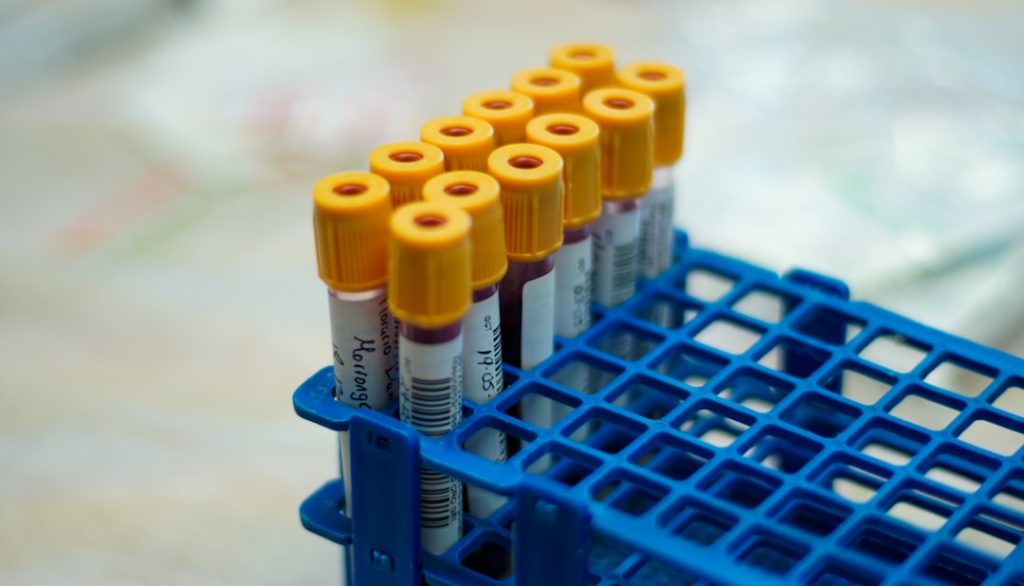
Paid clinical trials are research studies conducted to evaluate the safety and efficacy of new drugs, medical devices, or treatment protocols. These trials are essential for advancing medical science and ensuring that new therapies are both effective and safe for public use. Participants in these studies may receive compensation for their time and involvement, which can vary significantly depending on the nature of the trial, the duration of participation, and the specific requirements of the study.
The compensation serves as an incentive for individuals to volunteer, helping researchers gather the necessary data to bring new treatments to market. Clinical trials are typically divided into phases, each with distinct objectives. Phase I trials focus on assessing safety and determining appropriate dosage levels, often involving a small group of healthy volunteers.

Phase II trials expand the participant pool to evaluate the drug’s effectiveness and further assess its safety. Phase III trials involve larger populations and are designed to confirm effectiveness, monitor side effects, and compare the new treatment to standard therapies. Each phase is crucial in the drug development process, and paid clinical trials play a vital role in recruiting participants who can provide valuable insights into the treatment being tested.
Key Takeaways
- Paid clinical trials offer financial compensation for participating in medical research studies.
- Finding paid trials involves searching online databases, contacting research centers, and consulting healthcare providers.
- Eligibility depends on specific health criteria, age, and other factors unique to each trial.
- Participants should weigh potential risks and benefits before enrolling in a paid clinical trial.
- Compensation varies and may include money, medical care, or other benefits, with clear expectations set during the trial.
How to Find Paid Clinical Trials

Finding paid clinical trials can be a straightforward process if you know where to look. One of the most effective methods is to search online databases that specialize in clinical trial listings. Websites such as ClinicalTrials.gov provide comprehensive information about ongoing and upcoming trials across various medical conditions and locations.
Users can filter their searches based on criteria such as location, age, gender, and health status, making it easier to find trials that match their profile. Additionally, many pharmaceutical companies and research institutions maintain their own websites where they list current studies and recruitment opportunities. Another avenue for discovering paid clinical trials is through local hospitals, universities, or research centers.
Many academic institutions conduct clinical research and often seek participants from their communities. By contacting these organizations directly or visiting their websites, individuals can learn about available studies. Furthermore, patient advocacy groups related to specific diseases may also have information on clinical trials relevant to their members.
These groups often collaborate with researchers to facilitate participant recruitment, making them a valuable resource for those interested in contributing to medical research.
Eligibility for Paid Clinical Trials

Eligibility criteria for paid clinical trials can vary widely depending on the specific study and its objectives. Generally, researchers establish inclusion and exclusion criteria to ensure that participants are suitable for the trial. Inclusion criteria may include factors such as age, gender, medical history, and current health status.
For instance, a trial testing a new medication for diabetes may require participants to be diagnosed with the condition and within a certain age range. Conversely, exclusion criteria might disqualify individuals with certain pre-existing conditions or those taking specific medications that could interfere with the study’s outcomes. It is essential for potential participants to carefully review these eligibility requirements before applying for a trial.
Some studies may require additional screenings or tests to confirm eligibility, which can include blood tests, physical examinations, or medical history assessments. Understanding these criteria not only helps individuals determine if they qualify but also ensures that they are aware of any potential risks associated with participation. Researchers aim to create a homogenous group of participants to minimize variables that could affect the study’s results, making adherence to these criteria crucial for the integrity of the trial.
Understanding the Risks and Benefits
Participating in paid clinical trials comes with both risks and benefits that individuals should carefully consider before enrolling. On one hand, participants have the opportunity to access cutting-edge treatments that may not yet be available to the general public. This access can be particularly appealing for individuals with chronic or life-threatening conditions who have exhausted other treatment options.
Additionally, participants contribute to scientific knowledge that can lead to improved therapies for future patients, providing a sense of purpose and involvement in advancing healthcare. However, there are inherent risks associated with participating in clinical trials. New treatments may have unknown side effects or may not be effective for all individuals.
Participants may experience adverse reactions that could impact their health or quality of life. Furthermore, clinical trials often involve rigorous monitoring and follow-up appointments, which can be time-consuming and may require significant lifestyle adjustments. It is crucial for potential participants to engage in open discussions with healthcare providers about these risks and benefits, ensuring they make informed decisions about their involvement in research studies.
What to Expect During a Paid Clinical Trial
| Metric | Description | Value | Unit |
|---|---|---|---|
| Average Payment per Participant | Mean amount paid to each participant in clinical trials | 1500 | USD |
| Total Clinical Trials Paid | Number of clinical trials that offer payment to participants | 1200 | Trials |
| Median Payment per Trial | Median total payment amount distributed per clinical trial | 25000 | USD |
| Percentage of Trials Offering Payment | Proportion of clinical trials that provide payment to participants | 65 | % |
| Average Number of Participants Paid | Average number of participants receiving payment per trial | 30 | Participants |
Once enrolled in a paid clinical trial, participants can expect a structured process that includes several key components. Initially, they will undergo a thorough screening process to confirm eligibility, which may involve medical examinations, laboratory tests, and detailed questionnaires about their health history. This step is critical for ensuring that participants meet the study’s criteria and for identifying any potential health risks associated with participation.
After passing the screening phase, participants will receive detailed information about the trial protocol, including what will be expected of them throughout the study duration. This may involve regular visits to the research site for assessments, taking medication as prescribed, and completing questionnaires or diaries related to their health status. Participants should also be informed about any potential side effects they might experience and how these will be monitored during the trial.
Communication with study coordinators is vital; they are responsible for addressing any questions or concerns that arise during participation.
Compensation for Participating in Paid Clinical Trials

Compensation for participating in paid clinical trials varies widely based on several factors, including the trial’s complexity, duration, and location. Some studies may offer modest payments for time spent attending appointments or completing assessments, while others may provide more substantial compensation for longer-term commitments or more invasive procedures. For example, a trial requiring frequent visits over several months might offer higher compensation than a one-time screening visit.
In addition to monetary compensation, participants may also receive other benefits such as free medical care related to the study or access to new treatments before they become widely available. Some trials cover travel expenses or provide stipends for meals during visits. It is essential for potential participants to inquire about compensation details during the informed consent process so they have a clear understanding of what they will receive in exchange for their involvement.
Important Considerations Before Participating
Before deciding to participate in a paid clinical trial, individuals should consider several important factors that can influence their experience and outcomes. First and foremost is understanding the nature of the study itself—what it entails, its purpose, and how it aligns with their personal health goals. Individuals should ask questions about the treatment being tested, its potential risks and benefits, and how it compares to existing therapies.
Another critical consideration is the commitment required for participation. Some trials may demand significant time investment due to frequent visits or extensive monitoring procedures. Participants should assess their ability to meet these demands alongside their personal responsibilities and lifestyle.
Additionally, it is vital to consider how participation might affect one’s mental and emotional well-being; being part of a clinical trial can be both rewarding and stressful depending on individual circumstances.
Resources for Finding Paid Clinical Trials
Numerous resources are available for individuals seeking information about paid clinical trials. As previously mentioned, ClinicalTrials.gov is one of the most comprehensive databases where users can search for trials by condition, location, or phase of research. This site is maintained by the U.S.
National Library of Medicine and provides detailed information about each study’s purpose, eligibility criteria, locations, and contact information for researchers. In addition to online databases, local hospitals and academic institutions often have dedicated research departments that can provide information about ongoing studies. Many of these organizations also host informational sessions or open houses where potential participants can learn more about available trials directly from researchers.
Furthermore, patient advocacy groups related to specific diseases frequently maintain lists of relevant clinical trials and can offer support in navigating the enrollment process. Social media platforms and online forums can also serve as valuable resources for connecting with others who have participated in clinical trials or are considering enrollment. These platforms allow individuals to share experiences, ask questions, and gain insights into what participation entails from those who have firsthand knowledge of the process.
By leveraging these resources effectively, individuals can make informed decisions about participating in paid clinical trials that align with their health needs and personal circumstances.
