
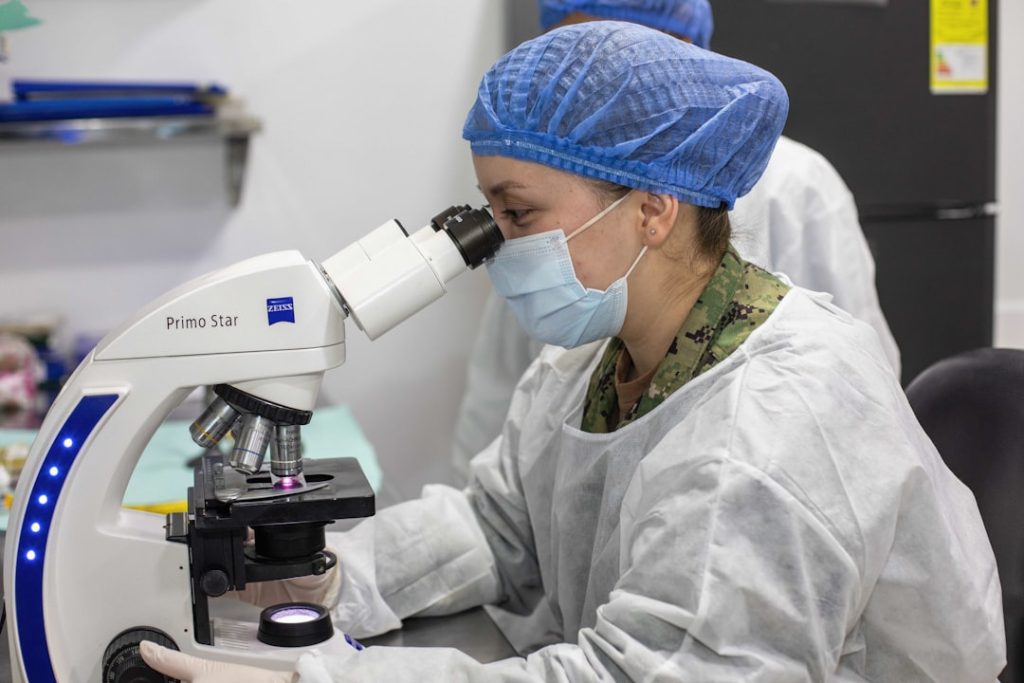
The clinical trials industry has experienced substantial changes in employment practices, driven primarily by the COVID-19 pandemic’s impact on workplace operations. Before 2020, clinical research positions typically required on-site presence at research facilities, hospitals, or pharmaceutical company offices. The pandemic necessitated rapid implementation of remote work protocols to maintain trial continuity while adhering to public health guidelines.
Remote clinical trial positions now include data managers, clinical research associates, biostatisticians, regulatory affairs specialists, and project coordinators. These roles utilize digital infrastructure including electronic data capture systems, remote patient monitoring devices, telemedicine platforms, and cloud-based clinical trial management systems. Regulatory agencies, including the FDA and EMA, have issued guidance documents supporting remote monitoring and decentralized trial methodologies.

The adoption of remote work in clinical trials has resulted in measurable organizational benefits. Companies report reduced operational costs through decreased office space requirements and travel expenses. The geographic expansion of recruitment has increased access to specialized talent, particularly in areas with limited local clinical research infrastructure.
Digital trial technologies have enabled real-time data access and accelerated decision-making processes. These technological and operational adaptations have established remote work as a permanent component of clinical research operations, with many organizations implementing hybrid models that combine remote and on-site activities.
Key Takeaways
- Remote jobs in clinical trials have significantly increased, driven by technological advancements and the need for flexible work arrangements.
- Benefits of remote roles include improved work-life balance, reduced commuting time, and access to a broader talent pool.
- Challenges include maintaining effective communication, ensuring data security, and managing regulatory compliance remotely.
- Various remote opportunities exist for roles such as Clinical Research Associates, Data Managers, Trial Monitors, and Coordinators.
- The future of remote work in clinical trials looks promising, with continued growth expected as digital tools and virtual trial methods evolve.

Advantages of Remote Jobs in Clinical Trials
One of the most significant advantages of remote jobs in clinical trials is the flexibility they offer. Professionals can often set their own schedules, allowing them to balance work responsibilities with personal commitments more effectively. This flexibility can lead to increased job satisfaction and improved mental health, as employees are better able to manage their time and reduce stress.
Furthermore, remote work eliminates the need for lengthy commutes, which can be particularly beneficial for those living in areas far from research sites or corporate offices. This not only saves time but also reduces transportation costs and environmental impact. Another key advantage is the ability to tap into a diverse talent pool.
Remote job opportunities allow organizations to recruit individuals from various geographical locations, bringing in a wealth of perspectives and expertise that can enhance the quality of clinical trials. For instance, a clinical trial manager based in a rural area can collaborate with data analysts in urban centers or even across international borders. This diversity can lead to innovative solutions and improved trial designs that are more representative of the populations being studied.
Additionally, remote work can help organizations address staffing shortages by attracting candidates who may have been unable to relocate for traditional roles.
Challenges of Remote Jobs in Clinical Trials
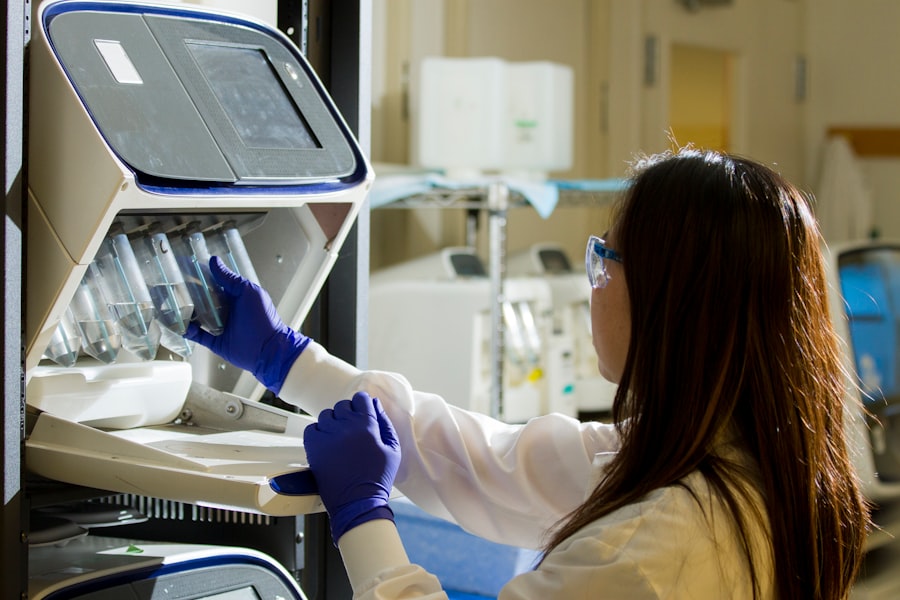
Despite the numerous advantages, remote jobs in clinical trials also present several challenges that organizations must navigate. One significant concern is maintaining effective communication among team members who may be spread across different time zones and locations. Miscommunication can lead to delays in project timelines and hinder collaboration efforts.
To mitigate this issue, organizations must invest in robust communication tools and establish clear protocols for information sharing. Regular virtual meetings and updates can help ensure that all team members are aligned and informed about project developments. Another challenge is ensuring compliance with regulatory requirements while working remotely.
Clinical trials are subject to strict guidelines set forth by regulatory bodies such as the FDA and EMRemote work can complicate adherence to these regulations, particularly when it comes to data security and patient confidentiality. Organizations must implement stringent data protection measures and provide training for employees on best practices for handling sensitive information. Additionally, remote monitoring of trial sites requires innovative approaches to ensure that all aspects of the trial are conducted according to established protocols.
Remote Job Opportunities for Clinical Research Associates
Clinical Research Associates (CRAs) play a crucial role in overseeing clinical trials, ensuring that they are conducted according to regulatory standards and protocols. The rise of remote work has opened up new opportunities for CRAs to perform their duties from various locations. Remote CRAs can conduct site visits virtually using video conferencing tools, allowing them to monitor trial progress without being physically present at the site.
This flexibility enables CRAs to manage multiple sites more efficiently, ultimately leading to faster trial completion times. Moreover, remote CRAs can leverage digital tools for data collection and monitoring, streamlining their workflows and enhancing productivity. For example, electronic data capture (EDC) systems allow CRAs to access real-time data from trial sites, enabling them to identify issues promptly and implement corrective actions as needed.
This shift not only improves the efficiency of trial management but also enhances the quality of data collected, as CRAs can address discrepancies or concerns immediately rather than waiting for an on-site visit.
Remote Job Opportunities for Clinical Data Managers
| Job Title | Average Salary | Key Skills | Typical Employers | Remote Work Feasibility | Job Growth Outlook (2024-2030) |
|---|---|---|---|---|---|
| Clinical Research Associate (CRA) | 85,000 – 110,000 | Monitoring, Data Analysis, Regulatory Compliance | Pharmaceutical Companies, CROs | High | 7% Increase |
| Clinical Data Manager | 75,000 – 100,000 | Data Management, SAS, EDC Systems | Biotech Firms, Research Institutions | High | 8% Increase |
| Regulatory Affairs Specialist | 70,000 – 95,000 | Regulatory Knowledge, Documentation, Communication | Pharma, Medical Device Companies | Moderate | 6% Increase |
| Clinical Project Manager | 95,000 – 130,000 | Project Management, Leadership, Budgeting | CROs, Pharma Companies | High | 9% Increase |
| Medical Writer | 65,000 – 90,000 | Scientific Writing, Regulatory Guidelines, Editing | Pharma, CROs, Publishing | Very High | 10% Increase |
Clinical Data Managers (CDMs) are responsible for ensuring the integrity and accuracy of data collected during clinical trials. The transition to remote work has significantly impacted this role, as CDMs can now manage data processes from anywhere with an internet connection. Remote CDMs utilize cloud-based data management systems that facilitate real-time access to trial data, allowing them to monitor data quality and resolve issues as they arise.
Additionally, remote work enables CDMs to collaborate more effectively with other team members involved in data analysis and reporting. By utilizing collaborative platforms, CDMs can share insights and findings with biostatisticians and other stakeholders seamlessly. This collaborative approach not only enhances the overall quality of data management but also fosters a culture of transparency and accountability within clinical trial teams.
As a result, organizations can expect improved outcomes and more reliable results from their clinical research efforts.
Remote Job Opportunities for Clinical Trial Monitors
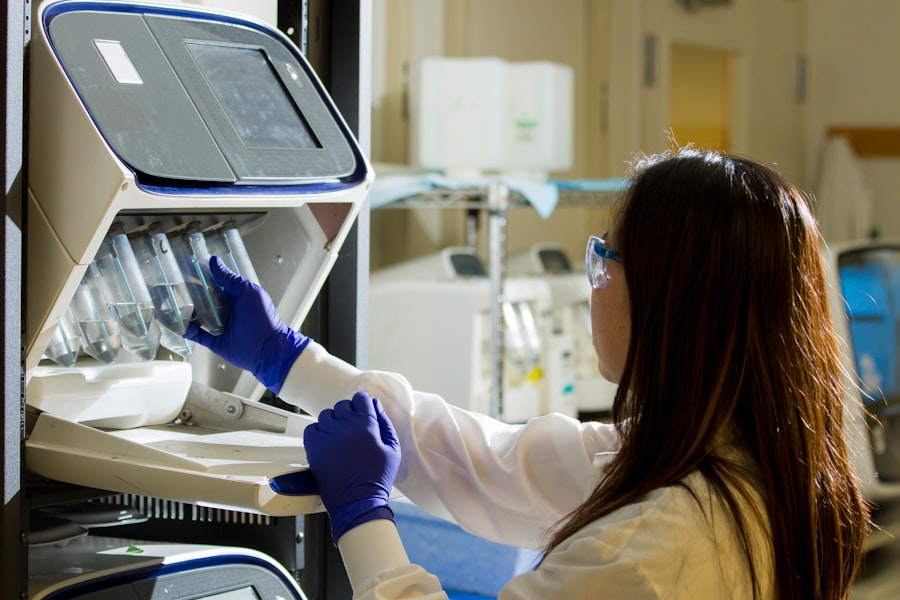
Clinical Trial Monitors (CTMs) are essential for ensuring that clinical trials adhere to regulatory guidelines and that participant safety is prioritized throughout the study process. The rise of remote work has transformed how CTMs conduct their monitoring activities. With advanced technology at their disposal, CTMs can perform many of their responsibilities remotely, including reviewing study documentation, assessing site compliance, and conducting virtual site visits.
Remote monitoring allows CTMs to cover a broader range of sites without the constraints of travel logistics. This increased efficiency means that CTMs can allocate more time to high-risk sites or those requiring additional support while still maintaining oversight over multiple locations. Furthermore, virtual monitoring tools enable CTMs to engage with site staff in real-time, fostering stronger relationships and facilitating open communication about any challenges or concerns that may arise during the trial.
Remote Job Opportunities for Clinical Trial Coordinators
Clinical Trial Coordinators (CTCs) play a pivotal role in managing the day-to-day operations of clinical trials, including participant recruitment, scheduling appointments, and ensuring compliance with study protocols. The shift towards remote work has created new opportunities for CTCs to perform their duties from home or other locations outside traditional office settings. This flexibility allows CTCs to manage their time more effectively while still providing essential support to research teams.
Remote CTCs can utilize digital tools for participant engagement and communication, streamlining processes such as informed consent and follow-up assessments. For instance, telehealth platforms enable CTCs to conduct virtual visits with participants, ensuring that they remain engaged throughout the trial while minimizing disruptions caused by travel or scheduling conflicts. Additionally, remote CTCs can collaborate with other team members through project management software, ensuring that everyone is aligned on timelines and deliverables.
The Future of Remote Jobs in Clinical Trials
The future of remote jobs in clinical trials appears promising as organizations continue to embrace flexible work arrangements and technological advancements. As more companies recognize the benefits of remote work—such as increased efficiency, cost savings, and access to a diverse talent pool—it’s likely that these opportunities will become more prevalent across the industry. The ongoing development of digital tools will further enhance the ability of clinical research professionals to perform their roles effectively from remote locations.
Moreover, as regulatory bodies adapt to the changing landscape of clinical research, there may be an increased acceptance of remote monitoring and data collection methods. This shift could lead to new guidelines that support remote work while ensuring participant safety and data integrity remain paramount. As organizations continue to innovate and adapt to this new paradigm, remote jobs in clinical trials will likely become an integral part of the industry’s future landscape, paving the way for more efficient and inclusive research practices that benefit both researchers and participants alike.
