
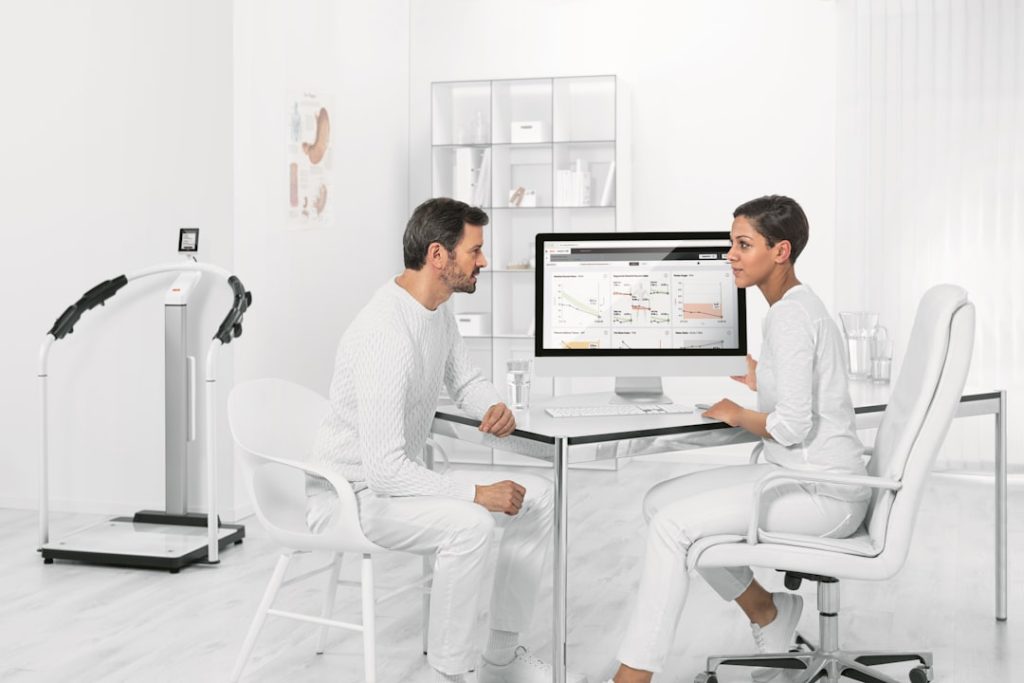
Remote Monitoring Visits in Clinical Trials: Ensuring Patient Safety
The landscape of clinical trials has undergone significant transformation, moving beyond the traditional confines of on-site visits to embrace remote monitoring strategies. This evolution, accelerated by technological advancements and the need for greater efficiency and accessibility, presents a robust framework for ensuring patient safety without compromising data integrity. Remote monitoring visits, by their very nature, extend the reach of oversight, offering a continuous, or at least more frequent, gaze upon the well-being of trial participants.

Clinical trials are the bedrock of modern medicine, providing the evidence needed to develop and approve new therapies. For decades, the primary method of ensuring data quality and patient safety has been the on-site monitoring visit.
The Traditional On-Site Monitoring Model
In the traditional model, Clinical Research Associates (CRAs) would physically travel to clinical trial sites. These visits served multiple critical functions:
- Source Data Verification (SDV): CRAs would compare the data entered into the electronic data capture (EDC) system against the original source documents in the patient’s medical record. This ensured the accuracy and completeness of the data reported.
- Protocol Adherence: They assessed whether the trial was being conducted according to the approved protocol, a vital step in maintaining the scientific validity of the study.
- Investigator Site Training and Support: CRAs provided guidance and training to site staff, addressing any questions or challenges they encountered.
- Review of Essential Documents: This included examining regulatory documents, informed consent forms, and drug accountability records.
- Patient Safety Assessment: While not always a direct patient interaction, CRAs reviewed adverse event (AE) reporting and management processes, indirectly assessing safety.

While effective, this model has inherent limitations. The cost and logistical complexities of frequent travel were substantial. Travel for CRAs represents a significant portion of a trial’s budget, impacting the speed at which trials could be executed. Furthermore, the infrequency of on-site visits meant that potential issues might only be identified several weeks after they occurred, delaying corrective actions and potentially impacting patient safety or data integrity. The geographical dispersion of trial sites also meant that some sites might receive less frequent monitoring than others, creating an uneven playing field for oversight.
The Imperative for Change: Drivers of Remote Monitoring
Several factors have converged to drive the adoption of remote monitoring:
- Technological Advancement: The widespread availability of high-speed internet, secure cloud-based platforms, and sophisticated data analytics tools has made remote data access and review technically feasible. The development of EDC systems capable of real-time data entry and query management has been particularly transformative.
- Cost Containment: The pharmaceutical industry constantly seeks ways to optimize trial budgets. Remote monitoring, by reducing travel expenses, offers a direct pathway to cost savings. This freed-up capital can be reinvested in other critical aspects of trial conduct, such as participant recruitment or novel therapeutic development.
- Increased Efficiency and Speed: Remote access to data allows for more frequent and timely review, enabling quicker identification and resolution of data discrepancies and safety signals. This can significantly accelerate the overall trial timeline, bringing potentially life-saving treatments to patients sooner.
- Global Expansion of Clinical Trials: As trials increasingly span multiple countries and continents, on-site monitoring becomes logistically challenging and prohibitively expensive. Remote monitoring offers a scalable solution for overseeing diverse geographical sites.
- Patient-Centricity: Minimizing the burden on participants is a growing priority. Reducing the need for patients to travel to sites specifically for monitoring-related activities, or for extended periods, can improve patient compliance and satisfaction. Some remote monitoring approaches can even allow participants to engage with study procedures from their own homes.
The move towards remote monitoring is not simply about replacing physical presence with digital tools; it’s about a strategic re-evaluation of how oversight is best achieved. It’s like shifting from a lighthouse keeper diligently scanning the horizon only at dawn and dusk to a network of synchronized buoys providing continuous real-time data about the ocean’s conditions.
Defining Remote Monitoring in Clinical Trials
Remote monitoring in clinical trials refers to a range of activities conducted by study personnel, typically CRAs, without being physically present at the investigational site. This is facilitated by technology and a focus on data analysis rather than physical presence.
Types of Remote Monitoring Activities
The spectrum of remote monitoring encompasses several distinct approaches:
- Remote Data Review: This is the cornerstone of most remote monitoring strategies. CRAs access the EDC system from their own offices or remotely to review data entered by site staff. This includes:
- Source Data Verification (SDV): Modern EDC systems, coupled with electronic health records (EHRs) and other digital source documents, allow for remote SDV. CRAs can compare data in the EDC with electronic source documents, provided secure access and patient privacy are maintained.
- Query Management: CRAs can review, issue, and resolve data queries electronically, often in near real-time. This drastically reduces the turnaround time compared to waiting for the next on-site visit to discuss queries.
- Trend Analysis: Remote access enables CRAs to analyze data trends across multiple sites or over time. This can highlight potential issues such as unusual patterns in adverse events, protocol deviations, or data entry errors.
- Centralized Monitoring: This approach involves a dedicated team, often separate from the field-based CRAs, who analyze data from multiple sites in aggregate. They use statistical methods and risk indicators to identify potential risks to data integrity or patient safety. This team then escalates findings to on-site CRAs or study management for further investigation. This is akin to an air traffic control system, observing all flights rather than a single ground crew watching one aircraft.
- Remote Site Initiation and Training: Initial site training and initiation meetings can be conducted virtually using video conferencing and online learning platforms. This saves travel time and costs for both site staff and study monitors.
- Remote Monitoring of Investigational Product (IP) Accountability: Using electronic inventory management systems and secure communication channels, monitors can remotely review IP dispensing, returns, and destruction records to ensure proper accountability and prevent diversion or misuse.
- Remote Regulatory Document Review: Essential regulatory documents can be uploaded to secure document management systems, allowing for remote review and approval by CRAs and other study personnel.
Technological Enablers of Remote Monitoring
The successful implementation of remote monitoring relies heavily on a suite of technological tools:
- Electronic Data Capture (EDC) Systems: These systems are the heart of remote data review, allowing for real-time data entry, validation checks, and query management. Modern EDCs are increasingly integrated with other healthcare IT systems.
- Electronic Health Records (EHRs): As EHRs become more prevalent and interoperable, they can serve as a digital source document for remote SDV. Secure data-sharing agreements and robust anonymization techniques are crucial here.
- Electronic Trial Master Files (eTMFs): These systems allow for the electronic management and storage of all essential trial documents, facilitating remote access and review.
- Telehealth and Video Conferencing Platforms: Essential for conducting remote meetings, training sessions, and even some forms of remote patient assessment or check-ins.
- Data Analytics and Visualization Tools: Sophisticated software can analyze large datasets to identify trends, anomalies, and potential risks, forming the basis of centralized monitoring.
- Secure Cloud-Based Platforms: These provide a secure environment for data storage, sharing, and collaboration among study team members.
The integration of these technologies creates a digital ecosystem where oversight can be exercised with unprecedented reach and frequency.
Ensuring Patient Safety Through Remote Monitoring
While the efficiency and cost benefits of remote monitoring are significant, the paramount concern remains patient safety. Remote monitoring strategies are meticulously designed to uphold and enhance this critical aspect of clinical research.
Proactive Risk Identification and Mitigation
Remote monitoring allows for a more proactive approach to identifying and mitigating risks to patient well-being. By continuously analyzing data and identifying deviations from expected patterns, potential safety issues can be flagged before they escalate.
- Real-time Adverse Event (AE) and Serious Adverse Event (SAE) Review: CRAs can monitor AE and SAE reporting in near real-time. Any unexpected surge in a particular AE, or a pattern suggesting a potential drug-related issue, can be immediately investigated. This proactive approach is like spotting a crack in a dam early on, allowing for swift repairs before a breach occurs.
- Protocol Deviation Monitoring: Subtle deviations from the protocol can sometimes have safety implications, such as incorrect dosing or missed assessments. Remote review can highlight these deviations more quickly, enabling prompt intervention and correction.
- Medical History and Concomitant Medication Review: Remote access to these data points allows monitors to identify potential safety concerns related to a participant’s existing conditions or other medications they are taking, which might interact with the investigational product.
- Vital Signs and Lab Parameter Trend Analysis: Monitoring trends in vital signs (blood pressure, heart rate) and laboratory results can reveal early indicators of toxicity or other adverse reactions that might not be immediately apparent from a single data point.
Enhanced Data Integrity for Reliable Safety Signals
Accurate and reliable data is fundamental to identifying genuine safety signals. Remote monitoring, by improving data quality, indirectly strengthens patient safety.
- Increased Frequency of Source Data Verification (SDV): While the method might change (e.g., comparing EDC to e-source), the ability to conduct SDV more frequently remotely means that data errors or omissions that could mask safety issues are identified and resolved sooner.
- More Efficient Query Resolution: Delayed query resolution can lead to outdated or inaccurate data. Remote query management ensures that discrepancies are addressed promptly, maintaining the integrity of the safety data being collected.
- Consistency Across Sites: Centralized monitoring, a form of remote oversight, helps ensure that data collection and reporting are consistent across all participating sites. This prevents variations in reporting from obscuring real safety trends.
Facilitating Timely Communication and Intervention
Remote monitoring tools facilitate swifter communication channels, enabling rapid response when safety concerns arise.
- Direct Communication with Site Staff: Secure messaging and video conferencing allow CRAs to communicate directly and quickly with investigators and site staff to discuss potential safety concerns or clarify data.
- Escalation Pathways: When issues are identified remotely, clear escalation pathways are in place to notify study management, safety committees, and regulatory authorities in a timely manner. This ensures that appropriate actions are taken, whether it’s modifying the protocol, informing participants, or, in rare cases, halting the trial.
- Remote Patient Follow-up (where applicable): In some trials, remote monitoring might include scheduled telehealth calls with participants to assess their well-being or review specific symptoms, providing a direct channel for safety assessment.
The essence of remote monitoring in ensuring patient safety lies in its ability to provide a more persistent and analytical lens on trial conduct. It transforms oversight from periodic inspections to continuous vigilance.
Implementing Effective Remote Monitoring Strategies
The successful implementation of remote monitoring requires careful planning, robust technology, and a skilled workforce. It’s not simply a matter of plugging in new software; it’s a systemic shift in operational strategy.
Building a Robust Technological Infrastructure
A prerequisite for effective remote monitoring is a solid technological foundation.
- Secure Data Platforms: All systems used must comply with stringent data privacy regulations (e.g., GDPR, HIPAA) and offer robust cybersecurity measures to protect sensitive patient information. Data encryption, access controls, and audit trails are non-negotiable.
- Interoperability: Systems should ideally be interoperable, allowing for seamless data flow between EDC, eTMF, and other relevant platforms. This reduces manual data transfer and the potential for errors.
- Reliable Connectivity: Stable and high-speed internet access is essential for both the clinical trial sites and the remote monitoring teams.
- User-Friendly Interfaces: Technology should be intuitive and easy for both site staff and monitors to use, minimizing training burdens and promoting adoption.
Training and Skill Development for Monitors
The skillset required for remote monitoring differs from traditional on-site monitoring.
- Data Analytics Proficiency: Monitors need to be adept at interpreting data reports, identifying trends, and understanding statistical metrics.
- Risk-Based Monitoring (RBM) Expertise: Remote monitoring is often intertwined with RBM, where resources are focused on areas of highest risk. Monitors must understand how to apply RBM principles in a remote setting.
- Communication and Interpersonal Skills: Despite the physical distance, effective communication is paramount. Monitors must be able to clearly articulate findings, provide constructive feedback, and build rapport with site staff remotely.
- Technological Fluency: Monitors need to be comfortable navigating and utilizing various electronic systems and platforms.
The Shift to Risk-Based Monitoring (RBM)
Remote monitoring is a critical enabler of Risk-Based Monitoring (RBM).
- Identifying Critical Data and Processes: RBM involves identifying which data and processes are most critical to patient safety and data integrity. Remote monitoring tools provide the data needed to make these identifications.
- Tailoring Monitoring Intensity: Instead of uniform on-site visits, RBM dictates that monitoring intensity (frequency and type of review) is tailored based on the identified risks of each site and process. Remote monitoring allows for this dynamic adjustment. For example, a site with a history of data inconsistencies might receive more frequent remote data review, while a well-performing site might have fewer but still targeted remote checks.
- Proactive Risk Identification: Centralized monitoring, a remote activity, is a prime example of RBM in action, proactively flagging sites or data points that warrant closer attention.
Developing Clear Standard Operating Procedures (SOPs)
Well-defined SOPs are essential for consistent and compliant remote monitoring.
- Defining Remote Monitoring Tasks: Clearly outline what tasks will be performed remotely, for which data types, and at what frequency.
- Establishing Escalation Procedures: Detail how and to whom identified issues (e.g., potential safety concerns, significant data discrepancies) should be escalated.
- Data Security and Privacy Protocols: Reinforce the procedures for accessing, handling, and storing sensitive patient data remotely.
- Communication Protocols: Specify preferred communication channels and expected response times for different types of interactions.
Implementing these elements ensures that remote monitoring is not just a technological upgrade but a thoughtful and strategic enhancement of clinical trial oversight.
Integrating Remote Monitoring with On-Site Activities
| Metric | Description | Typical Value / Range | Importance |
|---|---|---|---|
| Number of Remote Monitoring Visits | Total count of remote monitoring visits conducted during the clinical trial | 5-20 per trial phase | High – indicates monitoring frequency |
| Data Query Resolution Time | Average time taken to resolve data queries identified during remote monitoring | 1-3 days | High – impacts data quality and trial timelines |
| Percentage of Source Data Verified (SDV) | Proportion of data verified remotely against source documents | 50%-100% | Medium – ensures data integrity |
| Number of Protocol Deviations Identified | Count of protocol deviations detected during remote monitoring visits | 0-5 per visit | High – affects trial compliance |
| Average Duration of Remote Monitoring Visit | Time spent per remote monitoring session | 1-3 hours | Medium – impacts resource allocation |
| Percentage of Sites Monitored Remotely | Proportion of clinical trial sites utilizing remote monitoring | 30%-80% | High – reflects adoption of remote monitoring |
| Technical Issues Encountered | Number of technical problems during remote monitoring (e.g., connectivity, software) | 0-3 per visit | Medium – affects efficiency |
| Cost Savings Compared to On-site Monitoring | Estimated percentage reduction in monitoring costs using remote visits | 20%-50% | High – financial impact |
The most effective approach to clinical trial oversight often involves a hybrid model, blending the strengths of both remote and on-site monitoring. This balanced approach ensures comprehensive oversight without unnecessary duplication of effort or expense.
The Hybrid Monitoring Model: A Balanced Approach
A hybrid model acknowledges that certain aspects of trial conduct are best managed through physical presence, while others benefit from the efficiency and reach of remote capabilities.
- Risk-Based Allocation of Resources: The hybrid model leverages RBM principles. Critical data points and high-risk processes are monitored remotely. When remote monitoring identifies significant issues or requires complex problem-solving, an on-site visit may be triggered. This is like having a sophisticated early warning system that dispatches a specialized response team only when necessary.
- Remote for Routine Checks, On-Site for Deeper Dives: Routine SDV, query resolution, and trend analysis can be effectively managed remotely. However, complex issues, investigator site training, or the review of highly sensitive source documents might still necessitate an on-site presence.
- Targeted On-Site Visits: Instead of blanket, frequent on-site visits, the hybrid model allows for targeted interventions. Visits can be scheduled for specific purposes, such as addressing a cluster of critical deviations, conducting protocol-specific training, or performing in-depth reviews of a particular patient population.
Triggering On-Site Visits from Remote Findings
Remote monitoring acts as a sophisticated diagnostic tool, identifying when human intervention on-site is required.
- Thresholds for Safety Concerns: If remote review reveals a pattern of significant safety events, unexpected adverse events, or potential underreporting, this can trigger an immediate on-site visit to investigate thoroughly.
- Persistent Data Quality Issues: If remote data review consistently highlights significant discrepancies or poor data quality at a particular site, despite remote attempts at resolution, an on-site assessment of the site’s processes and staff competence may be initiated.
- Investigator Site Performance Declines: A decline in site performance metrics, as observed remotely, might necessitate an on-site visit to understand the root causes and provide direct support.
- Complex Protocol Deviations: Certain complex or critical protocol deviations may require on-site discussion and resolution with the investigator to ensure full understanding and implementation of corrective actions.
The Role of the CRA in a Hybrid Environment
The role of the Clinical Research Associate (CRA) evolves in a hybrid monitoring setup.
- Remote Data Analyst and Investigator: CRAs spend more time analyzing data remotely, identifying trends, and querying data. They become proactive investigators of data.
- On-Site Problem Solver and Trainer: When on-site visits are required, CRAs can focus their limited physical presence on addressing complex issues, providing hands-on training, and conducting in-depth source document verification where most critical.
- Strategic Collaborator: The CRA acts as a strategic partner with the site, guiding them through remote monitoring processes and collaborating on solutions to emerging challenges.
Benefits of the Integrated Approach
The hybrid model offers several advantages:
- Optimized Resource Utilization: Travel budgets and CRA time are used more efficiently, focusing on areas of greatest need.
- Enhanced Data Quality and Patient Safety: The combination of continuous remote oversight and targeted on-site intervention provides a robust framework for ensuring both data integrity and participant well-being.
- Increased Trial Efficiency: By resolving many issues remotely, the overall trial timeline can be accelerated.
- Improved CRA Work-Life Balance: Reduced travel can contribute to a better work-life balance for CRAs.
The hybrid model represents a pragmatic evolution, acknowledging that while technology offers unprecedented capabilities, the human element remains vital for navigating complex clinical trial landscapes.
Future Trends and Considerations in Remote Monitoring
The field of remote monitoring in clinical trials is dynamic, with ongoing advancements and evolving best practices shaping its future.
Leveraging Artificial Intelligence (AI) and Machine Learning (ML)
AI and ML are poised to significantly enhance remote monitoring capabilities.
- Predictive Analytics for Risk Identification: AI algorithms can analyze vast datasets to identify subtle patterns and predict potential risks to patient safety or data integrity even before they become apparent to human monitors. This allows for proactive intervention.
- Automated Data Review and Anomaly Detection: ML can automate many aspects of data review, flagging anomalies for human CRAs to investigate. This frees up CRAs to focus on more complex tasks.
- Natural Language Processing (NLP) for Source Document Analysis: NLP can be used to extract relevant information from unstructured text in electronic health records, facilitating more comprehensive remote source data review and aiding in the identification of adverse events or protocol deviations.
- Intelligent Query Management: AI can optimize query generation and resolution, suggesting relevant queries based on data anomalies and predicting likely resolutions.
Expansion of Wearable Technology and Remote Patient Monitoring (RPM) Devices
The integration of wearable devices and RPM technology offers an unprecedented opportunity for continuous patient monitoring.
- Real-time Physiological Data Collection: Devices can collect data on vital signs, activity levels, sleep patterns, and even specific biomarkers, providing a rich stream of information about a participant’s health status.
- Early Detection of Adverse Events: Deviations in collected data can serve as early warning signs of potential adverse events, allowing for timely medical intervention.
- Reduced Patient Burden: Participants can contribute valuable data without the need for frequent site visits, improving compliance and retention. This is like having a trusted health companion continuously observing the patient’s well-being.
- Data Integration Challenges: Ensuring the secure and reliable integration of data from diverse RPM devices into clinical trial databases remains a key challenge.
Regulatory Adaptations and Guidance
Regulatory bodies worldwide are continuously adapting their guidance to accommodate remote monitoring practices.
- Evolution of Good Clinical Practice (GCP) Guidelines: Regulatory bodies are issuing updated guidelines that explicitly address remote monitoring, data integrity, and the use of technology in clinical trials.
- Focus on Data Security and Privacy: As remote data sharing increases, regulators are placing a strong emphasis on robust data security measures and patient privacy.
- Validation of Remote Monitoring Tools: Regulators are increasingly expecting validation of the software and systems used for remote monitoring to ensure their reliability and accuracy.
Ethical Considerations and Patient Engagement
As remote monitoring becomes more prevalent, ethical considerations and patient engagement are paramount.
- Informed Consent in a Digital Age: Ensuring participants fully understand what data is being collected remotely, how it will be used, and the associated risks and benefits is crucial for informed consent.
- Digital Divide and Accessibility: Efforts must be made to ensure that remote monitoring does not exacerbate health disparities. Providing accessible technology and support for participants who may not be digitally literate is essential.
- Maintaining the Human Touch: While technology is powerful, maintaining a human connection and empathy with trial participants is vital for trust and effective communication.
The future of remote monitoring promises a more efficient, data-driven, and patient-centric approach to clinical trial oversight, ultimately accelerating the delivery of safe and effective therapies to those in need.
