

Biomedical research serves as the cornerstone of modern medicine, intertwining the disciplines of biology, medicine, and technology to enhance our understanding of health and disease. This field encompasses a wide array of studies, from molecular biology to clinical trials, all aimed at unraveling the complexities of human biology and developing new therapeutic strategies. The significance of biomedical research cannot be overstated; it is the driving force behind the discovery of new treatments, the development of diagnostic tools, and the overall improvement of healthcare outcomes.
As we delve deeper into this multifaceted domain, we uncover the intricate relationships between various biological systems and the potential for innovative solutions to pressing health challenges. The evolution of biomedical research has been marked by significant milestones that have transformed our approach to health and disease. From the discovery of penicillin to the mapping of the human genome, each breakthrough has paved the way for new methodologies and technologies that continue to shape the landscape of medicine.

Today, researchers are equipped with advanced tools and techniques that allow for unprecedented exploration into the molecular underpinnings of diseases. This article will explore several key areas within biomedical research, highlighting advancements in genomic editing, drug delivery systems, imaging technologies, stem cell research, precision medicine, artificial intelligence, and the ethical considerations that accompany these innovations.
Key Takeaways
- Biomedical research integrates multiple disciplines to advance healthcare and treatment options.
- Genomic editing technologies like CRISPR have revolutionized the ability to modify genes precisely.
- Novel drug delivery systems improve targeting and efficacy while reducing side effects.
- Advanced imaging technologies enable detailed visualization of biological processes in real time.
- AI and precision medicine are driving personalized treatments tailored to individual patient profiles.
Advancements in Genomic Editing

Genomic editing has emerged as one of the most revolutionary advancements in biomedical research, fundamentally altering our ability to manipulate genetic material with precision. Techniques such as CRISPR-Cas9 have garnered significant attention for their ability to edit genes with remarkable accuracy and efficiency. This technology allows researchers to target specific sequences within the genome, enabling them to knock out genes associated with diseases or introduce beneficial mutations.
The implications of genomic editing extend far beyond basic research; they hold promise for treating genetic disorders, enhancing agricultural productivity, and even combating infectious diseases. One notable application of CRISPR technology is in the treatment of sickle cell disease, a genetic disorder characterized by abnormal hemoglobin production. Researchers have successfully utilized CRISPR to edit hematopoietic stem cells from patients, correcting the mutation responsible for the disease.
In clinical trials, patients have shown remarkable improvements, with some achieving a complete resolution of symptoms. This example underscores not only the potential of genomic editing to provide curative therapies but also its capacity to transform the lives of individuals affected by genetic conditions. As researchers continue to refine these techniques and explore their applications, the future of genomic editing appears increasingly promising.
Innovative Drug Delivery Systems
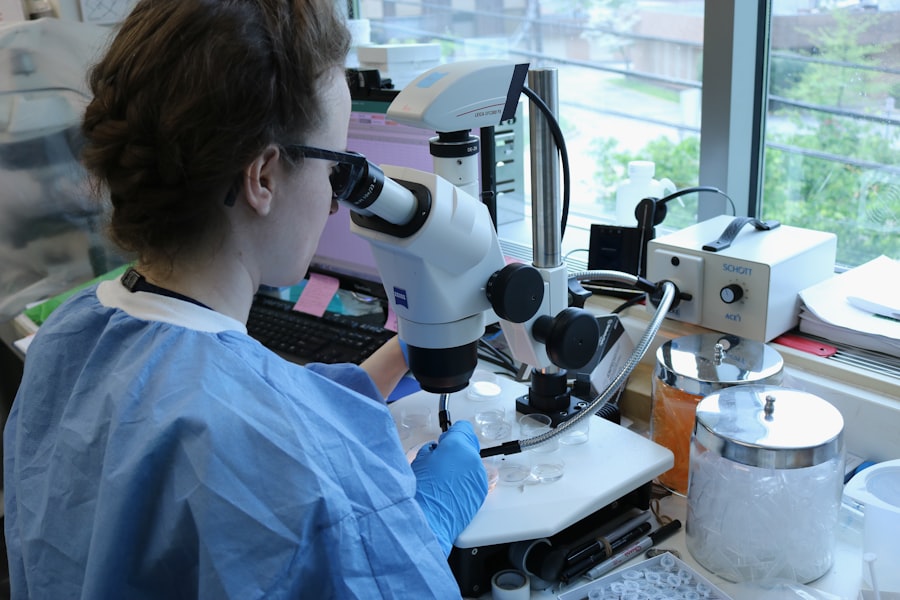
The efficacy of therapeutic agents is often limited by their delivery methods, which can affect bioavailability and patient compliance. Innovative drug delivery systems have emerged as a solution to these challenges, utilizing advanced technologies to enhance the targeted delivery of medications. Nanotechnology has played a pivotal role in this evolution, allowing for the development of nanoparticles that can encapsulate drugs and release them in a controlled manner.
These nanoparticles can be engineered to target specific tissues or cells, minimizing side effects and maximizing therapeutic effects. One compelling example of innovative drug delivery is the use of liposomes in cancer therapy. Liposomes are spherical vesicles composed of lipid bilayers that can encapsulate chemotherapeutic agents.
By modifying the surface properties of liposomes, researchers can enhance their accumulation in tumor tissues while reducing systemic toxicity. Clinical studies have demonstrated that liposomal formulations can improve patient outcomes by increasing drug concentration at the tumor site while sparing healthy tissues. This targeted approach not only enhances treatment efficacy but also reduces adverse effects commonly associated with conventional chemotherapy.
Cutting-Edge Imaging Technologies
Imaging technologies have undergone a remarkable transformation in recent years, providing researchers and clinicians with powerful tools to visualize biological processes in real-time. Techniques such as positron emission tomography (PET), magnetic resonance imaging (MRI), and advanced microscopy have revolutionized our ability to observe cellular and molecular dynamics within living organisms. These imaging modalities enable researchers to track disease progression, assess treatment responses, and gain insights into complex biological systems.
One particularly exciting advancement is the development of molecular imaging techniques that allow for the visualization of specific biomolecules within cells or tissues. For instance, fluorescence resonance energy transfer (FRET) has been employed to study protein-protein interactions in live cells, providing valuable information about cellular signaling pathways. Additionally, advancements in super-resolution microscopy have enabled scientists to observe structures at nanometer resolutions, revealing intricate details about cellular architecture that were previously inaccessible.
These cutting-edge imaging technologies not only enhance our understanding of fundamental biological processes but also facilitate the development of targeted therapies by allowing for precise monitoring of treatment effects.
Breakthroughs in Stem Cell Research
| Metric | Description | Typical Value/Range | Unit |
|---|---|---|---|
| Research Funding | Annual budget allocated to biomedical research | 10 – 50 | Billion USD |
| Number of Publications | Scientific papers published annually in biomedical research | 50,000 – 100,000 | Publications |
| Clinical Trials Initiated | Number of new clinical trials started per year | 5,000 – 10,000 | Trials |
| Average Time to Drug Approval | Time taken from discovery to regulatory approval | 7 – 12 | Years |
| Researcher Workforce | Number of active biomedical researchers worldwide | 200,000 – 300,000 | Researchers |
| Patent Applications | Number of biomedical patents filed annually | 3,000 – 6,000 | Patents |
| Success Rate of Clinical Trials | Percentage of trials leading to approved treatments | 10 – 20 | Percent (%) |
Stem cell research has emerged as a pivotal area within biomedical science, offering profound insights into development, regeneration, and disease modeling. Stem cells possess unique properties that allow them to differentiate into various cell types and self-renew indefinitely. This versatility has made them a focal point for regenerative medicine, where researchers aim to harness their potential for repairing damaged tissues and organs.
Recent breakthroughs in induced pluripotent stem cell (iPSC) technology have further expanded the horizons of stem cell research. iPSCs are generated by reprogramming somatic cells back into a pluripotent state, allowing them to differentiate into any cell type in the body. This technology has opened new avenues for personalized medicine, as patient-specific iPSCs can be derived from individuals with specific diseases.
Researchers are now using iPSCs to model conditions such as Parkinson’s disease and amyotrophic lateral sclerosis (ALS), providing valuable insights into disease mechanisms and potential therapeutic targets. The ability to generate patient-specific cells not only enhances our understanding of disease pathology but also paves the way for personalized treatment strategies tailored to individual patients.
Precision Medicine and Personalized Treatments

Precision medicine represents a paradigm shift in healthcare, moving away from a one-size-fits-all approach toward tailored treatments based on individual patient characteristics. This approach integrates genomic information, lifestyle factors, and environmental influences to develop personalized therapeutic strategies that optimize treatment efficacy while minimizing adverse effects. The advent of high-throughput sequencing technologies has facilitated the collection of vast amounts of genomic data, enabling researchers to identify genetic variations associated with diseases and treatment responses.
One prominent example of precision medicine is its application in oncology. By analyzing the genetic profiles of tumors, oncologists can identify specific mutations driving cancer growth and select targeted therapies that directly address these alterations. For instance, patients with non-small cell lung cancer harboring mutations in the EGFR gene may benefit from tyrosine kinase inhibitors that specifically target this pathway.
Clinical trials have demonstrated that patients receiving targeted therapies based on their tumor genetics experience improved outcomes compared to those receiving conventional chemotherapy. This shift toward precision medicine not only enhances treatment effectiveness but also empowers patients by providing them with more informed choices regarding their care.
Artificial Intelligence in Biomedical Research
Artificial intelligence (AI) has emerged as a transformative force in biomedical research, offering unprecedented capabilities for data analysis and decision-making. The vast amounts of data generated through genomic sequencing, clinical trials, and electronic health records present both opportunities and challenges for researchers seeking to extract meaningful insights. AI algorithms can process this data at an unparalleled scale and speed, identifying patterns and correlations that may elude traditional analytical methods.
One notable application of AI in biomedical research is drug discovery. Machine learning algorithms can analyze chemical libraries to predict which compounds are most likely to exhibit desired biological activity. By training models on existing data from previous drug development efforts, researchers can significantly reduce the time and cost associated with identifying promising drug candidates.
For example, AI-driven platforms have been employed to discover novel antibiotics by analyzing large datasets of microbial genomes and predicting potential targets for intervention. This innovative approach not only accelerates drug discovery but also holds promise for addressing pressing public health challenges such as antibiotic resistance.
Ethical Considerations in Biomedical Innovation
As biomedical research continues to advance at an unprecedented pace, ethical considerations become increasingly paramount. The rapid development of technologies such as genomic editing and AI raises important questions about consent, privacy, and equity in healthcare access. For instance, while genomic editing holds immense potential for treating genetic disorders, it also raises concerns about unintended consequences and the ethical implications of germline modifications that could be passed on to future generations.
Moreover, the integration of AI into biomedical research necessitates careful consideration of bias in algorithms and data interpretation. If AI systems are trained on datasets that lack diversity or represent certain populations disproportionately, there is a risk that these systems may perpetuate existing health disparities rather than mitigate them. Ensuring equitable access to emerging therapies and technologies is essential for fostering trust in biomedical innovation and ensuring that advancements benefit all segments of society.
In conclusion, navigating these ethical challenges requires ongoing dialogue among researchers, policymakers, ethicists, and the public to establish frameworks that prioritize patient welfare while fostering innovation. As we continue to explore the frontiers of biomedical research, it is imperative that we remain vigilant about the ethical implications of our discoveries and strive for a future where scientific progress aligns with societal values and needs.
