

The landscape of clinical trials is undergoing a significant transformation, driven by the integration of advanced management technologies. These tools are not merely incremental improvements; they represent a fundamental shift in how research is conducted, from initial protocol design to final data analysis and regulatory submission. This revolution is born out of necessity, aiming to address the persistent challenges of cost, complexity, and inefficiency that have long plagued drug development. The traditional methods, often reliant on paper-based processes and fragmented communication, are increasingly ill-suited to the data-intensive and globally distributed nature of modern clinical research. Management technology, in its various forms, is stepping in to streamline operations, enhance data integrity, and accelerate the journey from laboratory bench to patient bedside.
The efficacy of a clinical trial hinges on a well-defined protocol and the selection of appropriate research sites. Management technologies are playing a crucial role in optimizing both these foundational elements, acting as the architects’ blueprints and surveyors for construction projects.
Intelligent Protocol Development

Early-stage protocol design is a critical juncture. Errors or ambiguities here can lead to costly amendments, delays, and compromised data quality downstream. Management technologies, particularly those incorporating artificial intelligence (AI) and natural language processing (NLP), are beginning to assist in this phase. These tools can analyze vast repositories of existing trial data, scientific literature, and regulatory guidance to identify optimal study parameters. For instance, AI algorithms can predict the likelihood of a protocol’s success based on historical outcomes of similar studies. NLP can be used to extract key information from existing protocols, enabling the identification of best practices and potential pitfalls. Furthermore, collaborative platforms integrated into these technologies facilitate real-time input and review from multiple stakeholders – clinicians, statisticians, regulatory experts, and ethics committees – fostering consensus and reducing the risk of oversight. This collaborative environment acts like a digital war room, allowing all key players to contribute to the blueprint simultaneously, rather than in a sequential, delayed fashion.
Data-Driven Site Identification and Activation
The selection of clinical trial sites is a complex operational undertaking. Historically, this involved extensive manual outreach, site visits, and assessments of investigator experience and patient demographics. Today, technologies are enabling a more data-driven and efficient approach. Geographic information systems (GIS) coupled with demographic databases can pinpoint areas with high prevalence of the targeted disease and identify populations likely to meet inclusion criteria. Furthermore, databases of investigator performance metrics, past trial participation rates, and site infrastructure capabilities allow for pre-qualification and risk assessment. Predictive analytics can forecast recruitment rates at potential sites, enabling researchers to prioritize those with the highest probability of success. Once identified, digital platforms streamline the site activation process. This includes electronic distribution and tracking of essential documents, automated initiation visits, and efficient onboarding of study personnel. The activation phase, once a lengthy bureaucratic hurdle, is being transformed into a rapid deployment initiative, much like equipping a rapid response team.
Enhancing Patient Recruitment and Engagement

Patient participation is the lifeblood of any clinical trial. Historical recruitment struggles have been a significant bottleneck, leading to extended trial timelines and inflated costs. Management technologies are addressing this by improving outreach, streamlining the informed consent process, and fostering ongoing patient engagement.
Digital Patient Matching and Outreach
Identifying and recruiting eligible patients directly transforms the trial’s pace. Technologies are emerging that facilitate “digital patient matching.” These systems can, with appropriate patient consent and data privacy safeguards, analyze electronic health records (EHRs) to identify individuals who meet predefined eligibility criteria. This moves beyond simple keyword searches, employing sophisticated algorithms to understand clinical concepts and patient histories. Once potential candidates are identified, digital outreach tools allow for targeted communication. This can range from secure messaging platforms to patient-facing portals that provide detailed information about the trial in an accessible format. The aim is to proactively connect potential participants with relevant studies, acting as a digital beacon guiding eligible individuals to opportunities that can benefit them.
Streamlined Informed Consent and Retention Strategies
The informed consent process, a cornerstone of ethical research, can be time-consuming and prone to misunderstanding. Digital consent platforms offer a more interactive and accessible experience. These platforms can present information in various formats, including videos, interactive modules, and simplified language, ensuring patients fully comprehend the implications of participating. Electronic signatures expedite the process, and centralized platforms ensure that consent documents are securely stored and accessible. Beyond initial consent, technologies are crucial for ongoing patient engagement, which is vital for retention and adherence to study protocols. Patient-facing mobile applications can provide reminders for appointments and medication, facilitate symptom reporting, and offer educational resources. Gamification elements, chatbots for answering common questions, and direct communication channels with study coordinators can all contribute to a more positive and supportive patient experience. This ongoing engagement acts as a continuous feedback loop, keeping participants invested and supported throughout their journey in the trial.
Revolutionizing Data Capture and Management
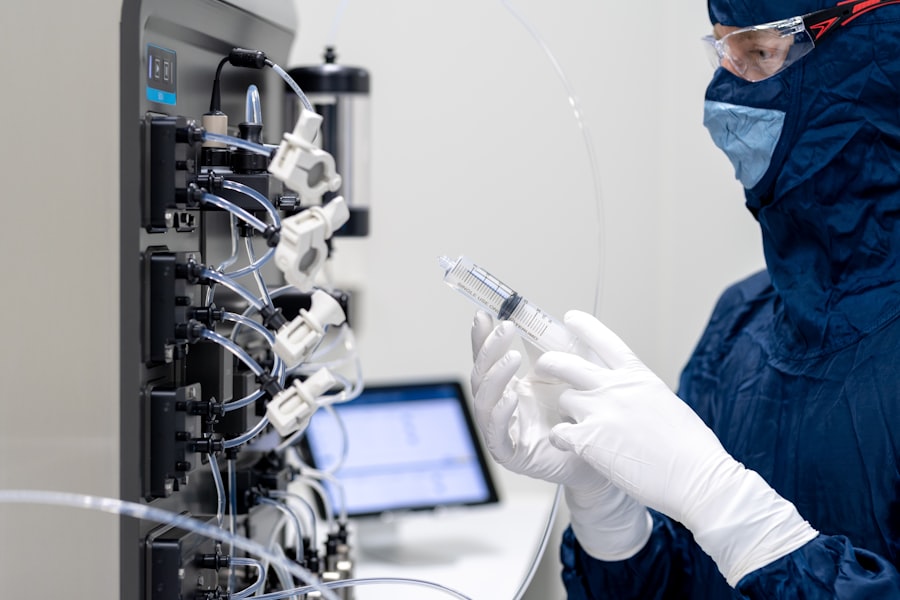
The integrity and accessibility of data are paramount to the success and validity of clinical trials. Traditional methods of data capture and management were often paper-intensive, leading to transcription errors, delays in data availability, and difficulties in quality control. Modern technologies are fundamentally altering this, creating a more robust and efficient data ecosystem.
Electronic Data Capture (EDC) Systems
Electronic Data Capture (EDC) systems have become the industry standard, replacing paper diaries and case report forms (CRFs). These systems allow for real-time data entry directly by investigators or authorized personnel at research sites. Benefits include immediate data availability, reduced transcription errors, automated edit checks for data consistency and logic, and the ability to monitor data entry progress in real-time. EDC platforms are often integrated with electronic medical records (EMRs) to facilitate data transfer and reduce duplicate data entry. The efficiency gains are substantial; imagine moving from painstakingly transcribing notes from a myriad of individual scribes to a unified digital dashboard where information flows in seamlessly.
Remote Monitoring and Data Quality Assurance
The advent of remote data monitoring has significantly reduced the need for extensive on-site monitoring visits, a costly and time-consuming aspect of clinical trials. Technology enables remote data verification, query management, and source data verification (SDV) for a significant portion of trial data. Through secure online portals, monitors can access and review data from multiple sites, identify discrepancies, and send queries directly to study staff for resolution. This real-time, proactive approach to data quality assurance ensures that data remains accurate, complete, and reliable throughout the trial. AI-powered tools are also being deployed to identify data anomalies and potential fraud, acting as an early warning system for quality issues. This shift is akin to moving from an inspector arriving periodically to inspect the finished product to a sophisticated real-time quality control system built into the manufacturing process itself.
Integration with Wearable Devices and Biosensors
The rise of wearable technology and biosensors is opening new frontiers for data collection in clinical trials. These devices can continuously and passively collect physiological data, such as heart rate, activity levels, sleep patterns, and even biochemical markers. Integrating this real-time, objective data into clinical trial management systems provides a richer and more nuanced understanding of patient responses to investigational therapies. This can lead to more sensitive detection of treatment effects, improved monitoring of patient safety, and a more personalized approach to treatment. For example, continuous glucose monitors can provide researchers with a detailed picture of glycemic control in diabetes trials, far beyond what episodic blood tests could offer. This integration is like equipping researchers with a high-fidelity sensor array, capturing subtle but crucial signals that were previously undetectable.
Advancing Data Analysis and Regulatory Submission
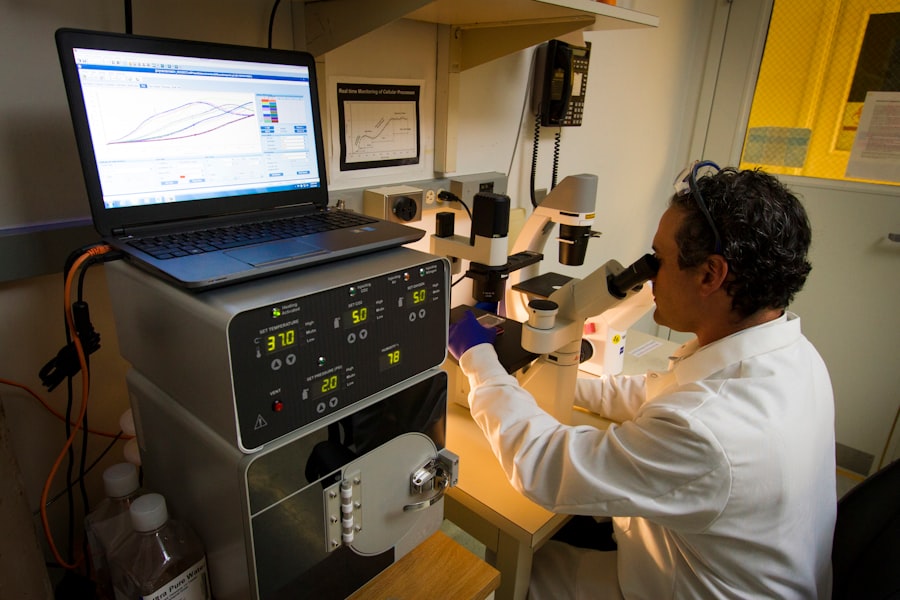
The final stages of a clinical trial, data analysis and regulatory submission, are critical for bringing new treatments to market. Management technologies are accelerating these processes by facilitating powerful analytics and streamlining the preparation of regulatory dossiers.
Advanced Analytics and Real-Time Insights
The wealth of data generated by modern clinical trials requires sophisticated analytical tools. Management technologies are integrating advanced statistical software and AI-powered analytics platforms. These tools enable researchers to perform complex statistical analyses, identify trends, and gain real-time insights into treatment efficacy and safety. Predictive modeling can be used to forecast trial outcomes, potentially allowing for early termination of futile studies or intensification of promising ones. Data visualization dashboards provide a clear and intuitive representation of key metrics, enabling stakeholders to make informed decisions quickly. This is analogous to having a team of expert analysts not just crunching numbers in the background, but providing live, actionable intelligence to guide the entire operation.
Streamlined e-Submission and Regulatory Compliance
Navigating the complex landscape of regulatory submissions is a significant undertaking. Electronic submission (e-submission) technologies are transforming this process. These platforms facilitate the compilation and organization of vast amounts of data into standardized formats required by regulatory agencies worldwide. Features such as automated document generation, version control, and integrated review workflows reduce the time and effort required to prepare a submission package. Furthermore, technologies that support data standardization and metadata management ensure that the submitted data is consistent, traceable, and compliant with regulatory requirements. This has moved the process from a manual, paper-heavy assembly line to a digital, automated pipeline, significantly reducing lead times and the potential for human error in the final submission.
The Future Landscape: AI, Blockchain, and Greater Collaboration
| Metric | Description | Typical Value / Range | Importance |
|---|---|---|---|
| Patient Enrollment Rate | Number of patients enrolled per month using the technology | 50 – 200 patients/month | High |
| Data Entry Accuracy | Percentage of error-free data entries in the system | 95% – 99.9% | Critical |
| Protocol Deviation Rate | Frequency of deviations from the clinical trial protocol | Less than 5% | High |
| Query Resolution Time | Average time taken to resolve data queries | 24 – 72 hours | Medium |
| System Uptime | Percentage of time the clinical trial management system is operational | 99.5% – 99.99% | Critical |
| Cost per Patient | Operational cost associated with managing each patient in the trial | Varies widely | Medium |
| Time to Database Lock | Duration from last patient visit to database lock | 2 – 6 weeks | High |
| Regulatory Compliance Rate | Percentage of trials compliant with regulatory standards | 98% – 100% | Critical |
The trajectory of clinical trial management technology points towards an even more integrated, intelligent, and collaborative future. Emerging technologies are poised to further revolutionize how research is conducted, pushing the boundaries of efficiency, data integrity, and patient-centricity.
The Role of Artificial Intelligence and Machine Learning
Artificial intelligence (AI) and machine learning (ML) are not just buzzwords; they are becoming foundational pillars of clinical trial innovation. Beyond the applications already discussed in protocol design, patient matching, and data analysis, AI and ML are being employed for more sophisticated tasks. This includes predicting patient dropout rates, identifying optimal dosing regimens through real-world data analysis, and even simulating trial outcomes to reduce the number of patients needed in certain phases. Generative AI models are showing promise in assisting with the drafting of clinical study reports and regulatory documents, further accelerating timelines. The continuous learning capabilities of these systems mean that the efficiency and intelligence of trial management will only increase over time.
Blockchain for Enhanced Data Security and Transparency
Blockchain technology offers a novel approach to data security and transparency in clinical trials. Its distributed ledger nature creates an immutable record of transactions, meaning data, once recorded, cannot be altered or deleted without consensus. This can significantly enhance the integrity and auditability of clinical trial data, making it more resistant to manipulation. For patient data, blockchain can provide a secure and decentralized way for individuals to control access to their health information, granting permission to researchers on a case-by-case basis. This level of granular control and inherent security can foster greater trust in the research process. Imagine a highly secure digital vault, where every access and modification is meticulously logged and verifiable by all authorized parties.
Fostering Global Collaboration and Decentralized Trials
The future of clinical trials is increasingly global and, in some aspects, decentralized. Management technologies are the enablers of this shift. Cloud-based platforms and secure communication tools facilitate seamless collaboration among researchers, sponsors, and regulatory bodies across different continents. Decentralized clinical trials (DCTs), which leverage technology to conduct trial activities in patients’ homes or local healthcare settings rather than traditional research centers, are becoming more prevalent. Technologies such as remote monitoring, telemedicine, and direct-to-patient drug shipment are essential to the success of DCTs. These advancements are not just about moving data; they are about democratizing access to research participation, bringing trials closer to the people who need them most. This reimagining of trials breaks down geographical barriers, creating a truly interconnected global research community.
