

Hypertension, commonly referred to as high blood pressure, is a chronic medical condition characterized by elevated pressure in the arteries. Blood pressure is measured in millimeters of mercury (mmHg) and is expressed with two numbers: systolic pressure (the pressure in the arteries when the heart beats) over diastolic pressure (the pressure in the arteries when the heart rests between beats). A normal blood pressure reading is typically around 120/80 mmHg.
When blood pressure consistently exceeds 130/80 mmHg, it is classified as hypertension. This condition can be primary (essential) hypertension, which has no identifiable cause, or secondary hypertension, which results from an underlying health issue such as kidney disease or hormonal disorders. The prevalence of hypertension is staggering, affecting nearly one-third of adults globally.

It is often termed a “silent killer” because it usually presents no symptoms until significant damage has occurred to the cardiovascular system. Chronic hypertension can lead to severe health complications, including heart disease, stroke, kidney failure, and vision loss. The World Health Organization (WHO) estimates that hypertension contributes to approximately 7.5 million deaths each year, underscoring the critical need for awareness and management of this condition.
Understanding the mechanisms behind hypertension, including genetic predispositions, lifestyle factors such as diet and physical activity, and environmental influences, is essential for effective prevention and treatment strategies.
Key Takeaways
- Hypertension is a critical health issue requiring effective management to prevent complications.
- The SPRINT trial studied the effects of intensive blood pressure control on patient outcomes.
- Intensive blood pressure control significantly reduces cardiovascular events and mortality.
- Implementing SPRINT findings involves stricter blood pressure targets and careful patient monitoring.
- While beneficial, intensive control may pose risks, necessitating individualized treatment plans.

Importance of Managing Hypertension
Managing hypertension is crucial not only for individual health but also for public health at large. Effective management can significantly reduce the risk of cardiovascular events and improve overall quality of life. The relationship between hypertension and cardiovascular diseases is well-established; uncontrolled high blood pressure can lead to atherosclerosis, where arteries become narrowed and hardened due to plaque buildup.
This condition increases the risk of heart attacks and strokes, making it imperative for individuals with hypertension to engage in regular monitoring and management. Moreover, managing hypertension can alleviate the economic burden on healthcare systems. The costs associated with treating complications arising from uncontrolled hypertension are substantial.
According to the American Heart Association, cardiovascular diseases cost the United States approximately $363 billion annually in healthcare services, medications, and lost productivity. By investing in preventive measures and effective management strategies for hypertension, healthcare systems can reduce these costs while improving patient outcomes. This highlights the importance of not only individual responsibility in managing blood pressure but also the role of healthcare providers in promoting awareness and facilitating access to treatment options.
Sprint Trial: What is it?
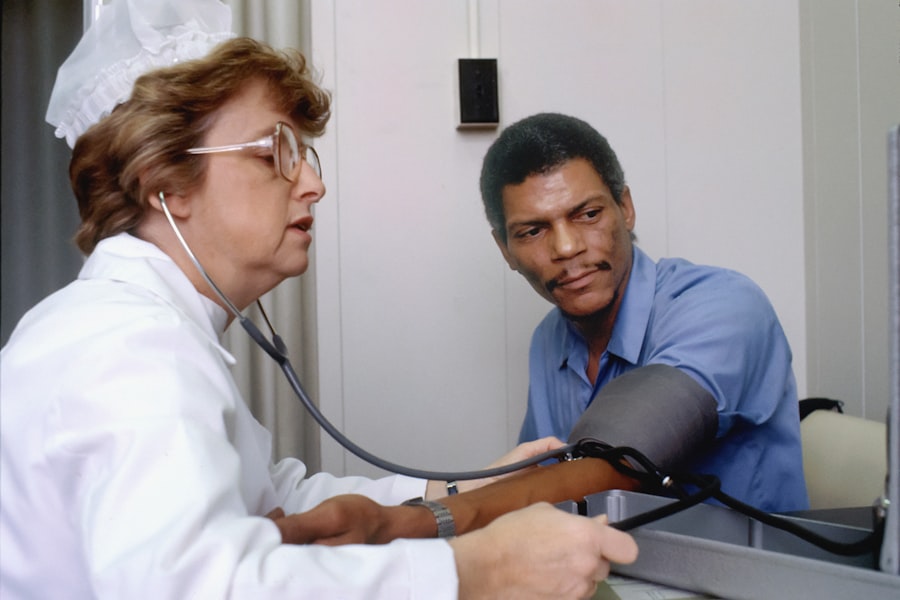
The SPRINT trial, or Systolic Blood Pressure Intervention Trial, was a landmark clinical study designed to evaluate the effects of intensive blood pressure control on cardiovascular outcomes in adults aged 50 years and older with high blood pressure. Launched in 2010 by the National Institutes of Health (NIH), the trial aimed to determine whether lowering systolic blood pressure to a target of less than 120 mmHg would lead to better health outcomes compared to a standard target of less than 140 mmHg. The trial enrolled over 9,300 participants who were at high risk for cardiovascular events but did not have diabetes or a history of stroke.
The SPRINT trial was notable not only for its size but also for its rigorous methodology. Participants were randomly assigned to either an intensive treatment group or a standard treatment group, with the intensive group receiving a combination of antihypertensive medications aimed at achieving the lower blood pressure target. The trial was designed to assess not only the effectiveness of intensive blood pressure control but also its safety and feasibility in a real-world setting.
The results of this trial have had significant implications for clinical practice and have influenced guidelines on hypertension management.
Key Findings from the Sprint Trial
The findings from the SPRINT trial were groundbreaking and have reshaped the landscape of hypertension management. One of the most significant outcomes was that participants in the intensive treatment group experienced a 25% reduction in the risk of major cardiovascular events compared to those in the standard treatment group. This included reductions in heart attacks, strokes, and heart failure hospitalizations.
Additionally, there was a remarkable 27% decrease in all-cause mortality among those who achieved lower systolic blood pressure targets. However, the trial also highlighted some important considerations regarding safety. While intensive blood pressure control was associated with substantial benefits, it also led to a higher incidence of adverse events such as hypotension (abnormally low blood pressure), syncope (fainting), and acute kidney injury.
These findings underscore the necessity for careful monitoring and individualized treatment plans when implementing intensive blood pressure control strategies. The SPRINT trial’s results have prompted healthcare providers to reconsider traditional approaches to hypertension management and have sparked discussions about optimal blood pressure targets for various patient populations.
Implementing Sprint Trial Findings in Hypertension Management
| Metric | Value | Unit | Description |
|---|---|---|---|
| Number of Participants | 9361 | persons | Total enrolled in the SPRINT trial |
| Age Range | 50-75 | years | Age range of participants |
| SBP Target (Intensive Group) | <120 | mm Hg | Systolic blood pressure target for intensive treatment group |
| SBP Target (Standard Group) | <140 | mm Hg | Systolic blood pressure target for standard treatment group |
| Primary Outcome | 25% | reduction | Reduction in cardiovascular events in intensive group vs standard |
| Follow-up Duration | 3.26 | years | Median follow-up time for participants |
| Serious Adverse Events | 4.7% | incidence | Incidence of serious adverse events in intensive treatment group |
The implementation of SPRINT trial findings into clinical practice requires a multifaceted approach that emphasizes personalized care and shared decision-making between patients and healthcare providers. First and foremost, clinicians must assess each patient’s individual risk factors, comorbidities, and preferences before determining an appropriate blood pressure target. For many patients, particularly those at high risk for cardiovascular events, aiming for a systolic blood pressure below 120 mmHg may be beneficial; however, this must be balanced against potential risks.
Healthcare providers should also consider employing a team-based approach to hypertension management that includes pharmacists, dietitians, and other specialists who can contribute to comprehensive care plans. This collaborative model can enhance medication adherence through education about lifestyle modifications such as dietary changes (e.g., adopting a DASH diet), increased physical activity, and weight management strategies. Regular follow-up appointments are essential for monitoring blood pressure levels and adjusting treatment regimens as necessary to achieve optimal outcomes.
Benefits of Intensive Blood Pressure Control
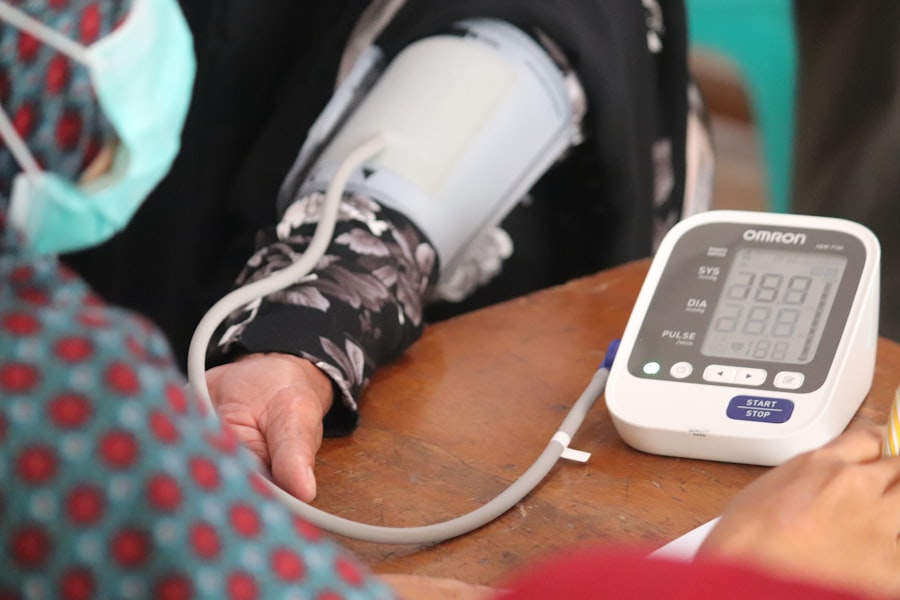
The benefits of intensive blood pressure control extend beyond mere numbers on a sphygmomanometer; they encompass improved overall health outcomes and enhanced quality of life for patients with hypertension. As evidenced by the SPRINT trial findings, achieving lower systolic blood pressure targets can significantly reduce the risk of major cardiovascular events, which are leading causes of morbidity and mortality worldwide. This reduction in risk translates into fewer hospitalizations and medical interventions related to heart disease and stroke.
Furthermore, intensive blood pressure control can lead to improved cognitive function and reduced incidence of dementia among older adults. Studies have suggested that maintaining optimal blood pressure levels may help protect against vascular dementia and cognitive decline associated with aging. By prioritizing aggressive management of hypertension, healthcare providers can contribute not only to physical health but also to mental well-being, allowing patients to maintain independence and quality of life as they age.
Potential Risks and Considerations
While the benefits of intensive blood pressure control are compelling, it is crucial to acknowledge potential risks and considerations associated with this approach. One primary concern is the increased likelihood of adverse effects from antihypertensive medications when targeting lower blood pressure levels. Patients may experience side effects such as dizziness, fatigue, or electrolyte imbalances that could compromise their overall health if not monitored closely.
Additionally, there is a need for caution when applying findings from clinical trials like SPRINT to diverse patient populations outside the study parameters. For instance, individuals with diabetes or those with multiple comorbidities may respond differently to intensive treatment strategies than those included in the trial. Therefore, healthcare providers must exercise clinical judgment when determining appropriate treatment plans tailored to each patient’s unique circumstances.
Future Directions in Hypertension Management
The future of hypertension management will likely be shaped by ongoing research that builds upon findings from studies like SPRINT. As our understanding of hypertension evolves, there will be an increasing emphasis on personalized medicine that considers genetic predispositions, lifestyle factors, and individual patient preferences when developing treatment plans. Advances in technology may also play a pivotal role; wearable devices that monitor blood pressure continuously could provide real-time data that allows for more dynamic adjustments in treatment.
Moreover, public health initiatives aimed at increasing awareness about hypertension prevention and management will be essential in reducing its prevalence globally. Educational campaigns that promote healthy lifestyle choices—such as balanced diets rich in fruits and vegetables, regular physical activity, and smoking cessation—can empower individuals to take charge of their health before hypertension develops. In conclusion, while significant strides have been made in understanding and managing hypertension through studies like SPRINT, ongoing research and innovation will be vital in addressing this pervasive health issue effectively.
By prioritizing individualized care and leveraging advancements in technology and public health initiatives, we can work towards reducing the burden of hypertension on individuals and society as a whole.
