
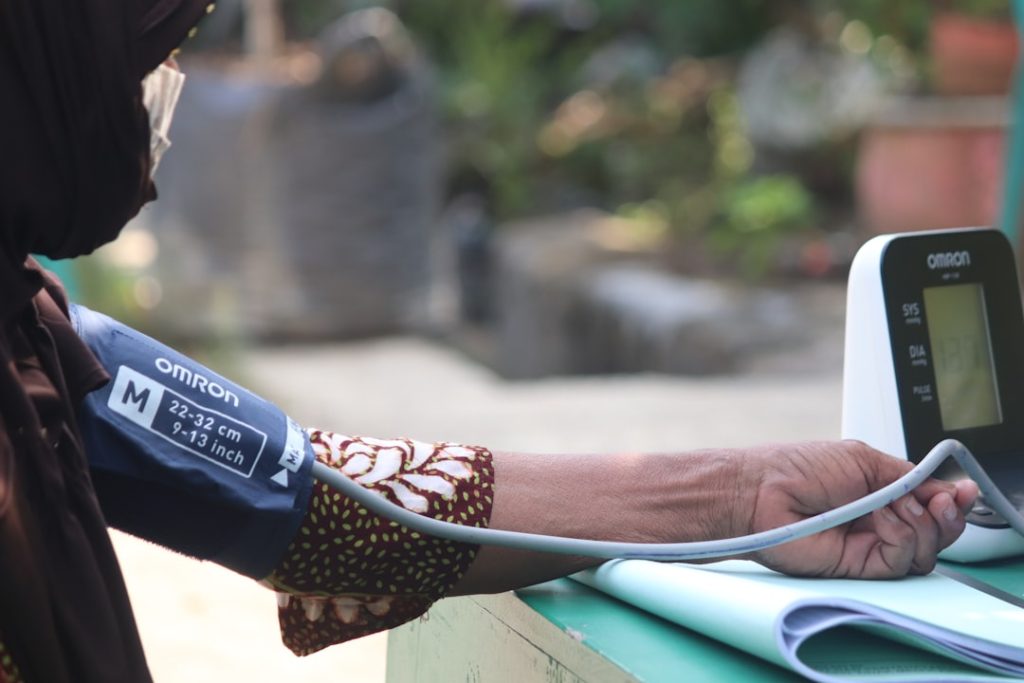
Hypertension, commonly referred to as high blood pressure, is a chronic medical condition characterized by elevated pressure in the arteries. Blood pressure is measured in millimeters of mercury (mmHg) and is expressed with two numbers: systolic pressure (the pressure in the arteries when the heart beats) over diastolic pressure (the pressure in the arteries when the heart rests between beats). A normal blood pressure reading is typically around 120/80 mmHg.
When blood pressure consistently exceeds 130/80 mmHg, it is classified as hypertension. This condition can be primary (essential), where no specific cause is identified, or secondary, resulting from underlying health issues such as kidney disease or hormonal disorders. The prevalence of hypertension is staggering, affecting nearly one-third of adults globally.

It is often termed a “silent killer” because it usually presents no symptoms until significant damage has occurred to the cardiovascular system. Chronic hypertension can lead to severe health complications, including heart disease, stroke, kidney failure, and vision loss. The pathophysiology of hypertension involves complex interactions between genetic predispositions, environmental factors, and lifestyle choices.
Factors such as obesity, sedentary behavior, excessive salt intake, and chronic stress can contribute to the development and exacerbation of this condition.
Key Takeaways
- Hypertension is a critical health issue requiring effective management to prevent complications.
- The SPRINT trial demonstrated that intensive blood pressure control significantly reduces cardiovascular events.
- Implementing SPRINT findings involves targeting lower blood pressure goals in suitable patients.
- Intensive management offers benefits but also carries risks, necessitating careful patient selection.
- Lifestyle modifications remain essential alongside medical treatment for optimal hypertension control.

Importance of Managing Hypertension
Managing hypertension is crucial not only for individual health but also for public health at large. Effective management can significantly reduce the risk of cardiovascular events and improve overall quality of life. The World Health Organization (WHO) estimates that hypertension contributes to approximately 7.5 million deaths annually, making it a leading cause of mortality worldwide.
By controlling blood pressure levels, individuals can mitigate the risk of heart attacks, strokes, and other serious health issues that arise from prolonged high blood pressure. Moreover, managing hypertension has economic implications. The healthcare costs associated with treating complications arising from uncontrolled hypertension are substantial.
These include hospitalizations, medications for heart disease and stroke management, and long-term care for chronic conditions. By investing in preventive measures and effective management strategies for hypertension, healthcare systems can alleviate some of the financial burdens associated with these complications. This underscores the importance of early detection and continuous monitoring of blood pressure levels as part of routine healthcare.
Sprint Trial: What is it?
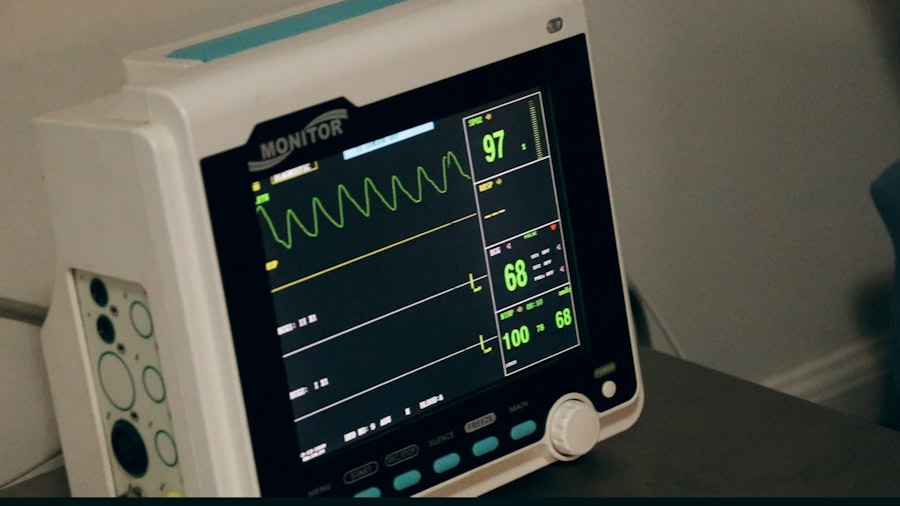
The SPRINT trial, or Systolic Blood Pressure Intervention Trial, was a landmark clinical study designed to evaluate the effects of intensive blood pressure management on cardiovascular outcomes in adults aged 50 years and older with high blood pressure. Launched in 2010 by the National Institutes of Health (NIH), the trial aimed to determine whether lowering systolic blood pressure to a target of less than 120 mmHg would lead to better health outcomes compared to the standard target of less than 140 mmHg. The study enrolled over 9,300 participants who were at high risk for cardiovascular events but did not have diabetes or a history of stroke.
Participants in the SPRINT trial were randomly assigned to one of two groups: one group received intensive treatment aimed at achieving a systolic blood pressure target of less than 120 mmHg, while the other group received standard treatment with a target of less than 140 mmHg. The trial was designed to assess not only the effectiveness of intensive blood pressure control but also its safety and feasibility in a real-world clinical setting. The results of this trial have had significant implications for hypertension management guidelines and practices.
Results of the Sprint Trial
The results of the SPRINT trial were groundbreaking and have reshaped the approach to hypertension management. The trial was halted early due to compelling evidence that intensive blood pressure control significantly reduced the risk of cardiovascular events and mortality. Participants in the intensive treatment group experienced a 25% reduction in the rate of major cardiovascular events, including heart attacks and strokes, compared to those receiving standard treatment.
Additionally, there was a remarkable 27% reduction in all-cause mortality among those who achieved lower blood pressure targets. However, while the benefits were substantial, the trial also highlighted potential risks associated with intensive blood pressure management. Participants in the intensive group experienced higher rates of adverse events such as hypotension (abnormally low blood pressure), syncope (fainting), and acute kidney injury.
These findings underscored the importance of individualized treatment plans that consider both the benefits and risks associated with aggressive blood pressure control. The SPRINT trial’s results have since influenced clinical guidelines, prompting healthcare providers to reconsider target blood pressure levels for older adults and those at high risk for cardiovascular disease.
Implementing Sprint Trial Findings in Clinical Practice
| Metric | Value | Unit | Description |
|---|---|---|---|
| Number of Participants | 9361 | persons | Total enrolled subjects in the SPRINT trial |
| Age Range | 50-75 | years | Age range of participants included in the trial |
| Target Systolic BP (Intensive Group) | <120 | mm Hg | Blood pressure goal for intensive treatment group |
| Target Systolic BP (Standard Group) | <140 | mm Hg | Blood pressure goal for standard treatment group |
| Primary Outcome Event Rate (Intensive) | 1.65 | per 100 person-years | Rate of cardiovascular events in intensive treatment group |
| Primary Outcome Event Rate (Standard) | 2.19 | per 100 person-years | Rate of cardiovascular events in standard treatment group |
| Relative Risk Reduction | 25% | percent | Reduction in primary outcome events with intensive treatment |
| Follow-up Duration | 3.26 | years | Median follow-up time for participants |
| Serious Adverse Events (Intensive) | 4.7 | percent | Percentage of participants with serious adverse events in intensive group |
| Serious Adverse Events (Standard) | 2.9 | percent | Percentage of participants with serious adverse events in standard group |
The implementation of SPRINT trial findings into clinical practice requires a multifaceted approach that emphasizes personalized care and shared decision-making between patients and healthcare providers. Clinicians are encouraged to assess individual patient characteristics, including age, comorbidities, and overall health status when determining appropriate blood pressure targets. For some patients, particularly older adults or those with multiple health issues, a more conservative approach may be warranted to minimize risks associated with intensive treatment.
Moreover, healthcare providers must engage patients in discussions about their treatment options and involve them in setting realistic goals for blood pressure management. This collaborative approach fosters adherence to treatment plans and empowers patients to take an active role in their health. Additionally, ongoing education about lifestyle modifications—such as dietary changes, physical activity, and stress management—should be integrated into patient care to complement pharmacological interventions.
Benefits and Risks of Intensive Blood Pressure Management

Intensive blood pressure management offers several benefits that can significantly enhance patient outcomes. The most notable advantage is the substantial reduction in cardiovascular events and mortality rates observed in studies like SPRINT. Lowering systolic blood pressure to targets below 120 mmHg has been associated with decreased incidence rates of heart attacks, strokes, and heart failure.
Furthermore, intensive management may improve overall quality of life by reducing symptoms related to high blood pressure and its complications. However, these benefits must be weighed against potential risks. Intensive treatment can lead to adverse effects such as hypotension, which may result in dizziness or falls—particularly concerning for older adults who may already be at risk for these issues.
Additionally, aggressive management may increase the likelihood of renal impairment due to reduced renal perfusion from overly aggressive diuresis or antihypertensive medications. Therefore, clinicians must carefully monitor patients undergoing intensive treatment and adjust therapy as needed to balance efficacy with safety.
Lifestyle Changes to Manage Hypertension
In addition to pharmacological interventions, lifestyle changes play a critical role in managing hypertension effectively. Dietary modifications are among the most impactful strategies; adopting a diet rich in fruits, vegetables, whole grains, lean proteins, and low-fat dairy products can help lower blood pressure significantly. The DASH (Dietary Approaches to Stop Hypertension) diet is specifically designed to combat high blood pressure by emphasizing nutrient-dense foods while reducing sodium intake.
Physical activity is another cornerstone of hypertension management. Regular aerobic exercise—such as brisk walking, cycling, or swimming—can lead to significant reductions in systolic and diastolic blood pressure levels. The American Heart Association recommends at least 150 minutes of moderate-intensity aerobic activity per week for optimal cardiovascular health.
Additionally, weight management is crucial; even modest weight loss can have a profound effect on lowering blood pressure in overweight individuals. Stress reduction techniques also contribute significantly to hypertension management. Practices such as mindfulness meditation, yoga, and deep-breathing exercises can help mitigate stress-related increases in blood pressure.
Furthermore, limiting alcohol consumption and quitting smoking are essential lifestyle changes that can enhance overall cardiovascular health.
Future Directions in Hypertension Management
As research continues to evolve in the field of hypertension management, several promising directions are emerging that may further refine treatment strategies. One area of focus is personalized medicine—tailoring treatment plans based on individual genetic profiles and biomarkers could lead to more effective interventions with fewer side effects. Advances in technology also hold potential; wearable devices that monitor blood pressure continuously could provide real-time data for both patients and healthcare providers, allowing for timely adjustments in treatment.
Additionally, there is growing interest in exploring novel pharmacological agents that target specific pathways involved in hypertension regulation. For instance, new classes of antihypertensive medications that act on different mechanisms may offer alternatives for patients who do not respond well to traditional therapies or experience adverse effects. Finally, public health initiatives aimed at increasing awareness about hypertension prevention and management are essential for reducing its prevalence on a population level.
Community-based programs that promote healthy lifestyles through education and access to resources can empower individuals to take charge of their health and reduce their risk for developing hypertension. In summary, while significant strides have been made in understanding and managing hypertension through studies like the SPRINT trial, ongoing research and innovation will continue to shape future approaches to this pervasive condition.
