

The supply chain, the intricate network of organizations, people, activities, information, and resources involved in moving a product or service from supplier to customer, is a critical component of any successful business. Streamlining this complex system is not merely an operational improvement; it is a strategic imperative for achieving efficiency, reducing costs, and enhancing customer satisfaction. This article will explore the methodologies and considerations for achieving a more efficient supply chain.
Before embarking on any streamlining initiative, a thorough understanding of the existing supply chain is paramount. This involves mapping out every stage, from raw material procurement to final delivery and reverse logistics. Think of your supply chain as a river system. You need to know its tributaries, its main channel, and where any dams or blockages might be. Without this comprehensive overview, any attempts at improvement will be akin to treating symptoms without diagnosing the disease.
Mapping the Value Stream

The first step in understanding your supply chain is to map its value stream. This process visually represents the flow of materials and information, identifying value-adding activities and non-value-adding activities (waste).
Identifying Key Stakeholders and Their Roles
A supply chain is a collaborative effort. Identifying all stakeholders, including suppliers, manufacturers, distributors, retailers, and customers, and understanding their specific roles and expectations is vital. This ensures alignment and facilitates communication.
Documenting Existing Processes and Workflows

Each step in the supply chain has associated processes and workflows. Documenting these in detail—how orders are placed, how goods are transported, how inventory is managed—provides a baseline for analysis and improvement.
Analyzing Key Performance Indicators (KPIs)
Establishing and tracking relevant KPIs is essential for measuring performance. These might include lead times, inventory turnover, order accuracy, on-time delivery rates, and total supply chain costs. These metrics are the vital signs of your supply chain’s health.
Identifying Areas of Inefficiency and Bottlenecks
Once the current state is understood, the focus shifts to pinpointing where the system falters. These are the points where goods or information become stuck, delaying the entire process.
Root Cause Analysis of Delays
Investigating the reasons behind delays is crucial. Is it a supplier issue, a production bottleneck, a transportation problem, or an administrative delay? Root cause analysis aims to uncover the fundamental reasons for these inefficiencies.
Quantification of Waste (Time, Money, Resources)
Identifying and quantifying waste is a core principle of lean methodologies. This includes excess inventory, unnecessary transportation, overproduction, defects, waiting time, and underutilized talent. Each of these represents a drain on resources.
Assessing Technology Utilization
The role of technology in modern supply chains cannot be overstated. Evaluating how existing technologies are being used and where gaps exist is important. Are you using outdated systems that hinder progress?
Evaluating Communication Flows
Ineffective communication is a common source of supply chain inefficiencies. Understanding how information is shared between different entities and identifying any breakdowns or misunderstandings is critical.
Implementing Strategic Sourcing and Supplier Relationship Management
The foundation of any efficient supply chain lies with its suppliers. Strategic sourcing and robust supplier relationship management are not just about acquiring goods; they are about building partnerships that drive mutual benefit and efficiency.
Developing a Comprehensive Sourcing Strategy
A well-defined sourcing strategy aligns procurement activities with overall business objectives. This involves deciding what to buy, from whom, how, and when.
Supplier Selection Criteria and Due Diligence
Selecting the right suppliers is paramount. Criteria should extend beyond price to include quality, reliability, capacity, innovation, and ethical practices. Thorough due diligence protects against future problems.
Negotiation and Contract Management Best Practices
Effective negotiation ensures favorable terms, while robust contract management provides a framework for accountability and dispute resolution. These are the guardrails of your supplier relationships.
Risk Assessment and Mitigation in Sourcing
Identifying potential risks associated with suppliers, such as financial instability, geopolitical issues, or supply disruptions, and developing mitigation plans is crucial for resilience.
Fostering Collaborative Supplier Relationships
Viewing suppliers as partners rather than mere vendors unlocks significant potential for collaboration and continuous improvement.
Building Trust and Transparency
Open communication and a foundation of trust are essential for effective collaboration. Sharing information, even challenges, can lead to proactive problem-solving.
Joint Process Improvement Initiatives
Working with suppliers to identify and implement process improvements can lead to greater efficiency across the entire chain. This might involve optimizing delivery schedules or improving packaging.
Performance Monitoring and Feedback Mechanisms
Regularly monitoring supplier performance against agreed-upon metrics and providing constructive feedback fosters accountability and encourages continuous improvement.
Optimizing Inventory Management and Warehousing
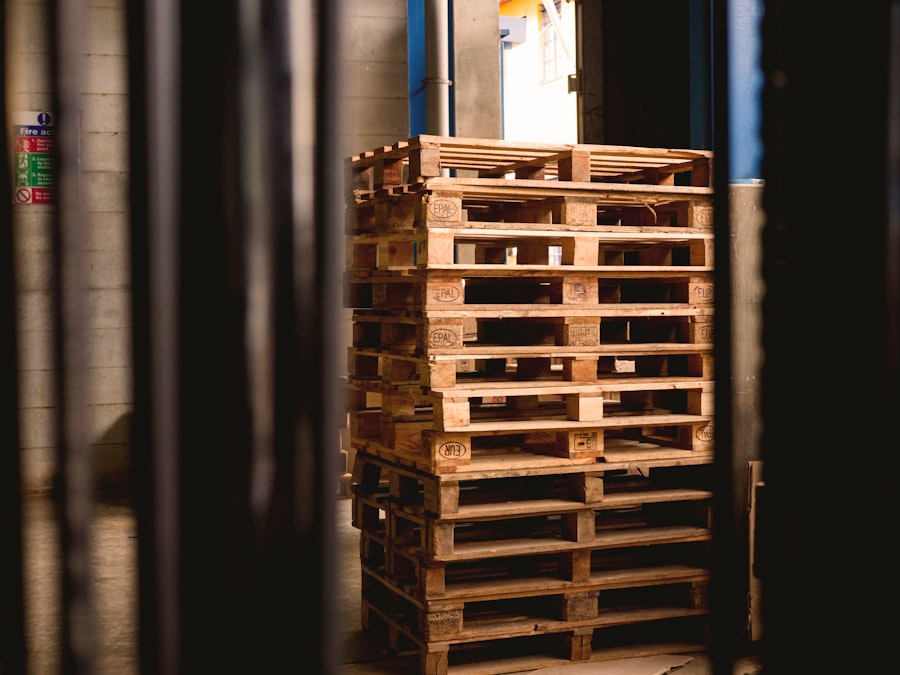
Inventory is the lifeblood of many businesses, but excess or poorly managed inventory can be a significant drain on resources. Effective inventory management and warehousing are about finding the sweet spot between having enough to meet demand and avoiding costly overstock.
Inventory Optimization Techniques
Various techniques exist to ensure the right amount of inventory is held at the right time.
Just-In-Time (JIT) and Lean Inventory Principles
JIT aims to minimize inventory by receiving goods only as they are needed in the production process. Lean principles focus on eliminating waste in all forms, including excess inventory.
Demand Forecasting Accuracy and Its Impact
Accurate demand forecasting is the bedrock of effective inventory management. Overestimating leads to excess, underestimating to stockouts.
Safety Stock Calculation and Management
Safety stock acts as a buffer against uncertainties in demand or supply. Calculating and managing it appropriately prevents costly stockouts without unnecessary holding costs.
Inventory Visibility and Tracking Systems
Real-time visibility into inventory levels across the entire supply chain is crucial. Technology plays a key role in achieving this.
Efficient Warehouse Operations and Layout
Warehouses are central hubs in the supply chain. Their efficiency directly impacts throughput and cost.
Warehouse Layout and Slotting Optimization
A well-designed warehouse layout minimizes travel time for picking and put-away. Strategic slotting ensures frequently accessed items are readily available.
Automation and Technology in Warehousing
Automated guided vehicles (AGVs), automated storage and retrieval systems (ASRS), and advanced warehouse management systems (WMS) can dramatically improve efficiency.
Labor Management and Training
Efficient labor utilization and proper training are key to operational excellence in the warehouse.
Cross-Docking and Its Benefits
Cross-docking minimizes or eliminates storage time by transferring goods directly from inbound to outbound transportation.
Enhancing Logistics and Transportation Efficiency
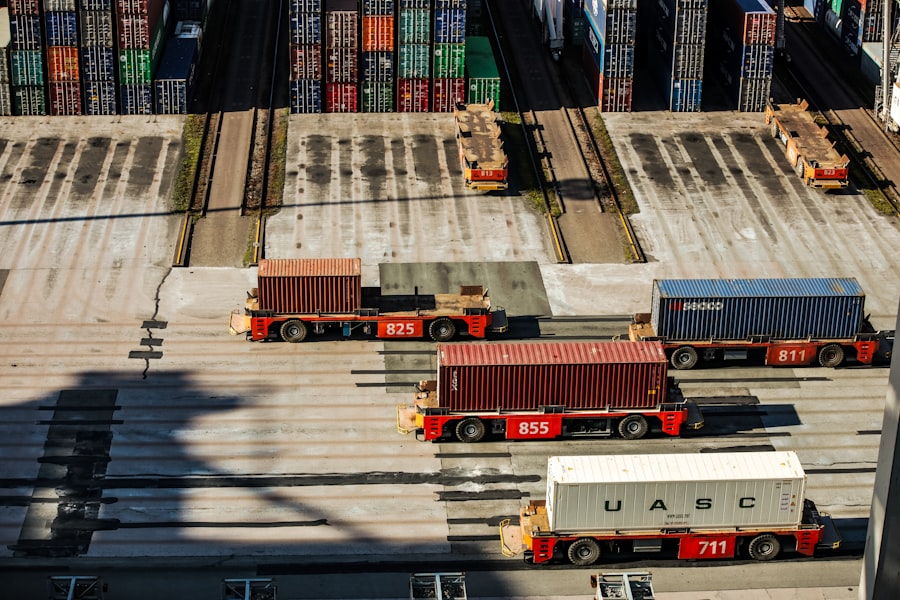
The movement of goods is a significant cost center and a critical determinant of delivery times. Streamlining logistics and transportation is about getting products from point A to point B as quickly, cost-effectively, and reliably as possible.
Network Design and Optimization
The overall structure of your transportation network impacts efficiency and cost.
Distribution Center Location and Network Analysis
Strategic placement of distribution centers can reduce transit times and transportation costs. Network analysis helps determine the optimal number and location of these facilities.
Mode Selection and Optimization
Choosing the right transportation modes (e.g., truck, rail, air, sea) based on cost, speed, and cargo type is essential.
Route Planning and Optimization Software
Sophisticated software can optimize delivery routes, reducing mileage, fuel consumption, and driver time, much like a skilled navigator charting the most efficient course.
Fleet Management and Carrier Relations
Managing your own fleet or working with third-party carriers requires a strategic approach.
Fleet Maintenance and Utilization
Ensuring your fleet is well-maintained and utilized effectively minimizes downtime and operational costs.
Carrier Selection and Performance Management
Choosing reliable carriers and actively managing their performance against contractual obligations is critical.
Load Consolidation and Backhauling
Consolidating smaller shipments into larger loads reduces costs, and utilizing backhauling opportunities minimizes empty miles.
Real-Time Tracking and Visibility
Knowing where your shipments are at all times allows for proactive management and improved customer service.
Leveraging Technology and Data Analytics for Continuous Improvement
| Metric | Description | Value | Unit |
|---|---|---|---|
| Inventory Turnover | Number of times inventory is sold and replaced over a period | 8 | Times per year |
| Order Fulfillment Cycle Time | Average time taken from order placement to delivery | 3 | Days |
| Supply Chain Cost | Total cost involved in supply chain operations | 120000 | Units |
| On-Time Delivery Rate | Percentage of orders delivered on or before the promised date | 95 | Percent |
| Demand Forecast Accuracy | Accuracy of predicted demand versus actual demand | 89 | Percent |
| Supplier Lead Time | Average time taken by suppliers to deliver goods | 7 | Days |
Technology and data are the engines that power modern supply chain optimization. Without them, you are essentially navigating a complex landscape with a blindfold on.
Implementing Supply Chain Management (SCM) Software
Integrated SCM software provides a unified platform for managing various supply chain functions.
Enterprise Resource Planning (ERP) Integration
Seamless integration between ERP systems and SCM software ensures data consistency and facilitates real-time decision-making.
Warehouse Management Systems (WMS) and Transportation Management Systems (TMS)
These specialized systems automate and optimize warehouse and transportation operations, respectively.
Advanced Planning and Scheduling (APS) Systems
APS systems use sophisticated algorithms to optimize production schedules, inventory levels, and resource allocation.
The Internet of Things (IoT) and Real-Time Data Collection
IoT devices can provide real-time data on asset location, condition, and environmental factors, enabling proactive management.
Data Analytics and Predictive Modeling
The value of data lies in its analysis. Turning raw data into actionable insights is key.
Demand Sensing and Predictive Analytics
Using advanced analytics to predict demand with greater accuracy, accounting for real-time market fluctuations.
Performance Dashboards and Reporting
Visualizing key performance indicators through interactive dashboards allows for quick identification of trends and issues.
Supply Chain Event Management (SCEM)
SCEM systems monitor events in the supply chain and trigger alerts and automated responses to disruptions.
Artificial Intelligence (AI) and Machine Learning (ML) in Supply Chain Optimization
AI and ML are increasingly being used to automate complex decisions, identify patterns, and forecast future outcomes with greater precision.
Cyber Security and Data Protection
As supply chains become more digitized, protecting sensitive data becomes paramount. Robust cybersecurity measures are essential to prevent disruptions and data breaches.
By systematically addressing these areas, organizations can move beyond mere transactional management of their supply chains to a state of strategic efficiency. The journey towards a streamlined supply chain is ongoing, requiring continuous evaluation, adaptation, and a commitment to leveraging available tools and methodologies to stay ahead in a dynamic global marketplace.
