
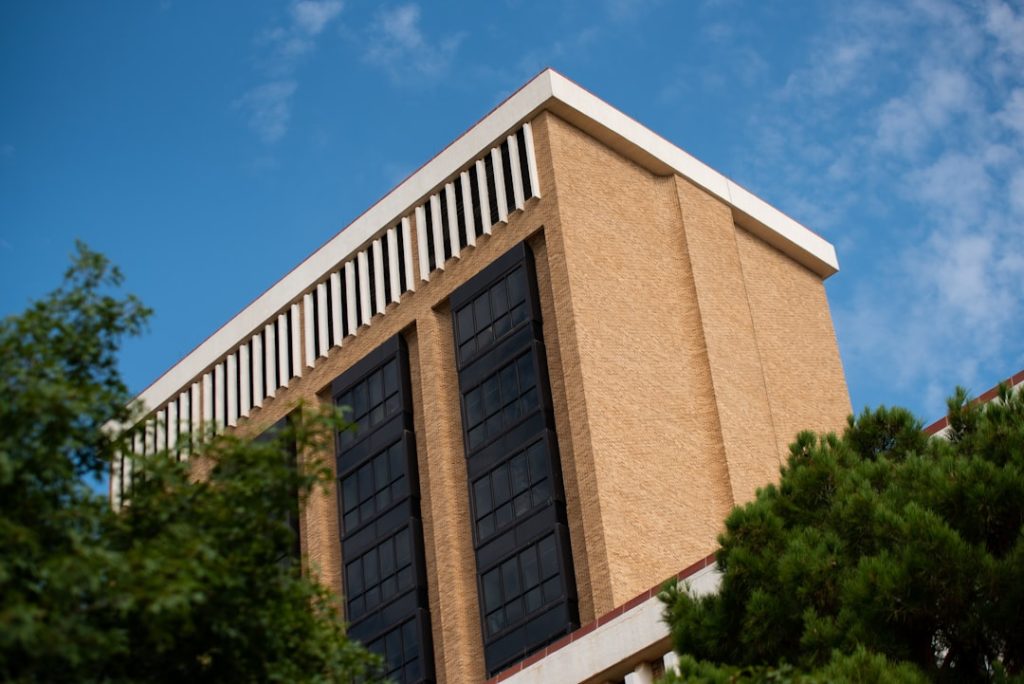
Temple University opened its Medical Education and Research Building (MERB) as part of its medical education program. The facility is located on Temple’s Health Sciences campus and provides access to clinical areas, research laboratories, and community health programs. The building houses classrooms, research spaces, and educational technology designed to support medical training.
The MERB’s location allows students to move between academic instruction and clinical practice settings. The facility supports Temple University’s medical curriculum, which includes laboratory work, clinical training, and research activities. The building serves medical students, faculty, and researchers within Temple’s health sciences programs.
Key Takeaways
- Temple University has unveiled a new building dedicated to medical education and research.
- The building features innovative design and cutting-edge architectural elements.
- It houses state-of-the-art facilities and advanced technology for medical training and research.
- The space promotes collaboration and interdisciplinary work among students and faculty.
- Sustainability and community outreach are key components of the building’s mission and future plans.

Design and Architecture of the Building
The architectural design of the Medical Education and Research Building is a testament to modern educational philosophy, emphasizing openness, flexibility, and functionality. The building features a contemporary aesthetic characterized by large glass facades that invite natural light into the learning spaces. This design choice not only enhances the visual appeal of the structure but also creates an inviting atmosphere conducive to learning and collaboration.

The layout is intentionally open, with communal areas that encourage interaction among students, faculty, and researchers. Inside, the MERB is organized into distinct zones that cater to various aspects of medical education and research. Classrooms are equipped with advanced audiovisual technology, allowing for interactive learning experiences that engage students in real-time discussions and simulations.
The design also incorporates flexible spaces that can be reconfigured for different teaching methods, from traditional lectures to small group discussions. This adaptability reflects a growing recognition of diverse learning styles and the need for educational environments that can evolve alongside pedagogical advancements.
State-of-the-Art Facilities and Technology
Equipped with cutting-edge facilities, the MERB is designed to support a comprehensive medical education curriculum. One of its standout features is the simulation center, which includes high-fidelity mannequins and virtual reality environments that replicate real-life clinical scenarios. These simulations provide students with invaluable hands-on experience in a safe setting, allowing them to practice critical skills such as patient assessment, diagnosis, and treatment planning without the risk of harming real patients.
In addition to the simulation center, the MERB houses advanced research laboratories that facilitate groundbreaking studies in various fields of medicine. These labs are outfitted with the latest technology, including genomic sequencing equipment, imaging systems, and bioinformatics tools. Such resources empower faculty and students to engage in innovative research projects that can lead to significant advancements in medical science.
The integration of these facilities within the same building fosters a culture of inquiry and collaboration, where education and research are intertwined.
Impact on Medical Education and Research at Temple University
The establishment of the MERB is set to have a profound impact on medical education at Temple University. By providing an environment that prioritizes experiential learning, the building enhances students’ preparedness for real-world clinical practice. The emphasis on simulation-based training ensures that graduates are not only knowledgeable but also skilled in applying their knowledge in practical situations.
This approach aligns with contemporary educational trends that advocate for active learning methodologies over traditional rote memorization. Moreover, the MERB serves as a catalyst for research initiatives at Temple University. With its state-of-the-art laboratories and collaborative spaces, the building encourages faculty and students to pursue innovative research projects that address pressing health issues.
The integration of research into the educational framework allows students to engage with current scientific inquiries, fostering a mindset of inquiry and critical thinking. As a result, graduates emerge not only as competent clinicians but also as informed contributors to the advancement of medical knowledge.
Collaborative Spaces and Interdisciplinary Opportunities
| Metric | Details |
|---|---|
| Building Name | Temple University Medical Education and Research Building |
| Location | Philadelphia, Pennsylvania, USA |
| Purpose | Medical education, research, and clinical training |
| Number of Floors | 8 |
| Total Area | Approximately 200,000 square feet |
| Year Completed | 2012 |
| Key Features | Simulation labs, research labs, classrooms, clinical skills center |
| LEED Certification | Gold |
| Architect | Ballinger |
| Funding Source | State and private funding |
A hallmark of the MERB is its commitment to fostering collaboration across disciplines. The building features numerous collaborative spaces designed to facilitate interaction among students from various health professions, including medicine, nursing, pharmacy, and public health. These spaces are equipped with technology that supports group work and brainstorming sessions, encouraging students to share ideas and perspectives from their respective fields.
Interdisciplinary education is increasingly recognized as essential in preparing healthcare professionals for the complexities of modern patient care. The MERB’s design reflects this understanding by promoting teamwork and communication among future healthcare providers. For instance, joint workshops and case studies can be conducted in shared spaces, allowing students to learn from one another’s expertise while developing a holistic approach to patient care.
This collaborative environment not only enriches the educational experience but also mirrors the realities of healthcare delivery, where teamwork is crucial for effective patient outcomes.
Sustainability and Environmental Features
In addition to its educational and research capabilities, the MERB is designed with sustainability in mind. The building incorporates various environmentally friendly features aimed at reducing its carbon footprint and promoting energy efficiency. For example, it utilizes advanced HVAC systems that optimize energy use while maintaining comfortable indoor conditions for occupants.
Additionally, rainwater harvesting systems are integrated into the design to minimize water consumption and promote responsible resource management. The use of sustainable materials throughout the construction process further underscores Temple University’s commitment to environmental stewardship. By prioritizing eco-friendly practices in both design and operation, the MERB serves as a model for future developments within the university and beyond.
This focus on sustainability not only benefits the environment but also instills a sense of responsibility among students regarding their role in promoting health—both for individuals and for the planet.
Community Engagement and Outreach Programs
The MERB is not just an academic facility; it also plays a vital role in community engagement and outreach initiatives. Temple University has a long-standing tradition of serving its local community, and the new building enhances this commitment by providing space for programs that address public health challenges. For instance, health fairs, workshops, and free clinics can be hosted within its walls, allowing students to apply their skills while serving underserved populations.
Moreover, partnerships with local organizations are facilitated through the MERB’s collaborative spaces. These partnerships enable students to work on community-based projects that tackle issues such as chronic disease management, mental health awareness, and preventive care strategies. By engaging with the community in meaningful ways, students gain valuable insights into the social determinants of health while developing a sense of civic responsibility that will shape their future practices as healthcare professionals.
Future Plans and Expansion for the Building
Looking ahead, Temple University envisions continued growth and development for the Medical Education and Research Building. Plans are already underway to expand certain facilities within the MERB to accommodate an increasing number of students pursuing careers in healthcare. As demand for healthcare professionals continues to rise, particularly in urban areas like Philadelphia, Temple aims to ensure that its educational offerings remain robust and relevant.
Future expansions may include additional simulation labs equipped with even more advanced technology or dedicated research centers focusing on emerging fields such as telemedicine or personalized medicine. Furthermore, as interdisciplinary collaboration becomes increasingly important in healthcare education, there may be plans to integrate additional programs from other disciplines into the MERB’s framework. This forward-thinking approach positions Temple University not only as a leader in medical education but also as an innovator in addressing future healthcare challenges through education and research.
