

Tirzepatide is a novel therapeutic agent that has garnered significant attention in the field of diabetes management. Developed by Eli Lilly and Company, this medication is a dual agonist that targets both the glucagon-like peptide-1 (GLP-1) receptor and the glucose-dependent insulinotropic polypeptide (GIP) receptor. By simultaneously activating these two pathways, tirzepatide aims to enhance glycemic control and promote weight loss in individuals with type 2 diabetes.
The dual action of tirzepatide represents a significant advancement over traditional therapies, which typically focus on a single mechanism of action. The mechanism of action of tirzepatide is particularly noteworthy. GLP-1 is a hormone that plays a crucial role in glucose metabolism by stimulating insulin secretion in response to meals, inhibiting glucagon release, and slowing gastric emptying.

GIP, on the other hand, also stimulates insulin secretion but has additional effects on fat metabolism and appetite regulation. By harnessing the benefits of both hormones, tirzepatide offers a comprehensive approach to managing type 2 diabetes, addressing not only blood sugar levels but also associated comorbidities such as obesity.
Key Takeaways
- Tirzepatide is a novel medication showing promise in diabetes treatment.
- Clinical trials demonstrate significant improvements in blood sugar control.
- It outperforms several existing diabetes therapies in efficacy.
- The drug has a favorable safety and tolerability profile.
- Future research aims to expand its use and confirm long-term benefits.
Overview of the Clinical Trial

The clinical development of tirzepatide has been marked by rigorous testing and evaluation through multiple phases of clinical trials. One of the most significant studies was the SURPASS program, which included several trials designed to assess the efficacy and safety of tirzepatide in various populations with type 2 diabetes. These trials were structured to compare tirzepatide against placebo and other standard treatments, providing a robust framework for evaluating its potential benefits.
In the SURPASS trials, participants were administered tirzepatide at different doses, typically ranging from 5 mg to 15 mg once weekly. The trials were designed to measure key outcomes such as changes in HbA1c levels, body weight, and overall safety profiles. The diverse participant demographics included individuals with varying degrees of diabetes severity, comorbid conditions, and previous treatment histories.
This comprehensive approach allowed researchers to gather data on tirzepatide’s effectiveness across a broad spectrum of patients.
Promising Results of the Trial

The results from the SURPASS trials have been nothing short of promising, showcasing tirzepatide’s potential as a transformative treatment for type 2 diabetes. In several studies, participants receiving tirzepatide demonstrated significant reductions in HbA1c levels compared to those on placebo or other standard therapies. For instance, in one pivotal trial, patients treated with the highest dose of tirzepatide experienced an average reduction in HbA1c of over 2% after 40 weeks of treatment.
This level of glycemic control is particularly noteworthy, as it surpasses the reductions typically seen with existing medications. Moreover, tirzepatide has also shown impressive effects on body weight reduction. Many participants reported substantial weight loss during the trials, with some achieving reductions of 10% or more from their baseline weight.
This dual benefit of improved glycemic control and weight loss is especially significant given the close relationship between obesity and type 2 diabetes. The ability to address both issues simultaneously positions tirzepatide as a compelling option for patients struggling with these interconnected challenges.
Comparison with Existing Treatments
When comparing tirzepatide to existing diabetes treatments, its unique dual-action mechanism sets it apart from traditional therapies such as metformin, sulfonylureas, and even other GLP-1 receptor agonists like liraglutide and semaglutide. While these medications have proven effective in managing blood sugar levels, they often fall short in addressing weight management comprehensively. Tirzepatide’s ability to target both GLP-1 and GIP receptors allows for a more holistic approach to treatment.
For example, while liraglutide has been shown to promote weight loss alongside glycemic control, tirzepatide appears to achieve greater weight reduction in clinical trials. In head-to-head comparisons, patients on tirzepatide not only achieved better HbA1c outcomes but also experienced more significant weight loss than those treated with liraglutide or semaglutide. This enhanced efficacy may lead to improved patient adherence and satisfaction, as individuals often prioritize weight management alongside blood sugar control in their treatment goals.
Potential Impact on Diabetes Management
| Trial Name | Phase | Number of Participants | Duration | Primary Endpoint | Results Summary |
|---|---|---|---|---|---|
| SURPASS-1 | Phase 3 | 478 | 40 weeks | Change in HbA1c | Significant reduction in HbA1c compared to placebo |
| SURPASS-2 | Phase 3 | 1879 | 40 weeks | Change in HbA1c and body weight | Tirzepatide showed superior HbA1c and weight reduction vs semaglutide |
| SURPASS-3 | Phase 3 | 1449 | 52 weeks | Change in HbA1c | Greater HbA1c reduction vs insulin degludec |
| SURPASS-4 | Phase 3 | 2002 | 52 weeks | Change in HbA1c and cardiovascular safety | Effective glycemic control with favorable CV safety profile |
| SURMOUNT-1 | Phase 3 | 2539 | 72 weeks | Percent body weight reduction | Up to 20% body weight loss in obese patients |
The introduction of tirzepatide into the diabetes management landscape could have far-reaching implications for both patients and healthcare providers. With its demonstrated efficacy in lowering blood sugar levels and promoting weight loss, tirzepatide may offer a new standard of care for individuals with type 2 diabetes who struggle with obesity. This could lead to improved overall health outcomes and a reduction in diabetes-related complications.
Furthermore, the potential for tirzepatide to address multiple aspects of diabetes management aligns with current trends in personalized medicine. As healthcare increasingly shifts towards tailored treatment approaches, tirzepatide’s dual-action mechanism may allow clinicians to better customize therapy based on individual patient needs and preferences. This could enhance patient engagement and empower individuals to take an active role in managing their condition.
Safety and Tolerability of Tirzepatide
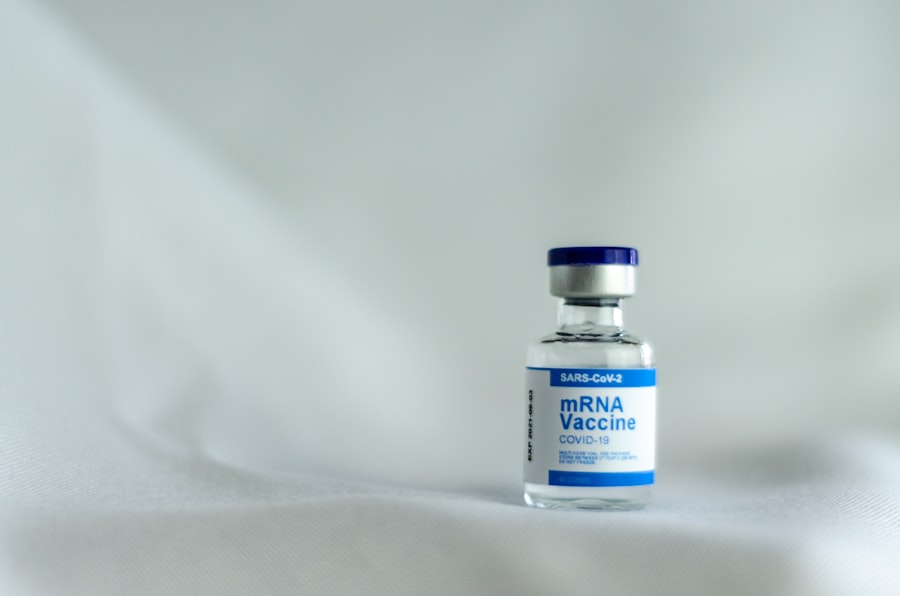
As with any new medication, understanding the safety profile and tolerability of tirzepatide is crucial for its acceptance in clinical practice. The SURPASS trials provided valuable insights into the adverse events associated with tirzepatide treatment. Overall, the safety profile appeared favorable, with most adverse events being mild to moderate in severity.
Common side effects included gastrointestinal issues such as nausea, vomiting, and diarrhea—typical for GLP-1 receptor agonists. Importantly, serious adverse events were relatively rare among participants receiving tirzepatide. The incidence of pancreatitis and other severe complications was comparable to that observed in placebo groups.
This safety profile is particularly encouraging given that many patients with type 2 diabetes often have comorbid conditions that may complicate treatment options. Ongoing monitoring and post-marketing surveillance will be essential to further assess long-term safety as tirzepatide becomes more widely used.
Future Implications and Research
The promising results from clinical trials have sparked interest in further research surrounding tirzepatide’s potential applications beyond type 2 diabetes management. Researchers are exploring its effects on cardiovascular health, given the strong link between diabetes and cardiovascular disease. Preliminary studies suggest that tirzepatide may have beneficial effects on cardiovascular risk factors such as blood pressure and lipid profiles.
Additionally, there is growing interest in investigating tirzepatide’s role in weight management for individuals without diabetes. Given its efficacy in promoting weight loss during diabetes trials, researchers are considering its potential use as an anti-obesity medication for non-diabetic populations. Such studies could expand the therapeutic landscape for tirzepatide and provide new avenues for addressing obesity-related health issues.
Conclusion and Next Steps
As tirzepatide moves closer to becoming a standard treatment option for type 2 diabetes, healthcare providers must stay informed about its evolving role in diabetes management. Continued education on its benefits, risks, and appropriate patient selection will be essential for optimizing outcomes. Furthermore, ongoing research will likely yield new insights into its long-term effects and potential applications beyond diabetes.
In summary, tirzepatide represents a significant advancement in diabetes therapy with its dual-action mechanism offering hope for improved glycemic control and weight management. As clinical experience grows and further studies are conducted, it will be crucial to monitor its impact on patient care and overall health outcomes within the broader context of diabetes management strategies.
