
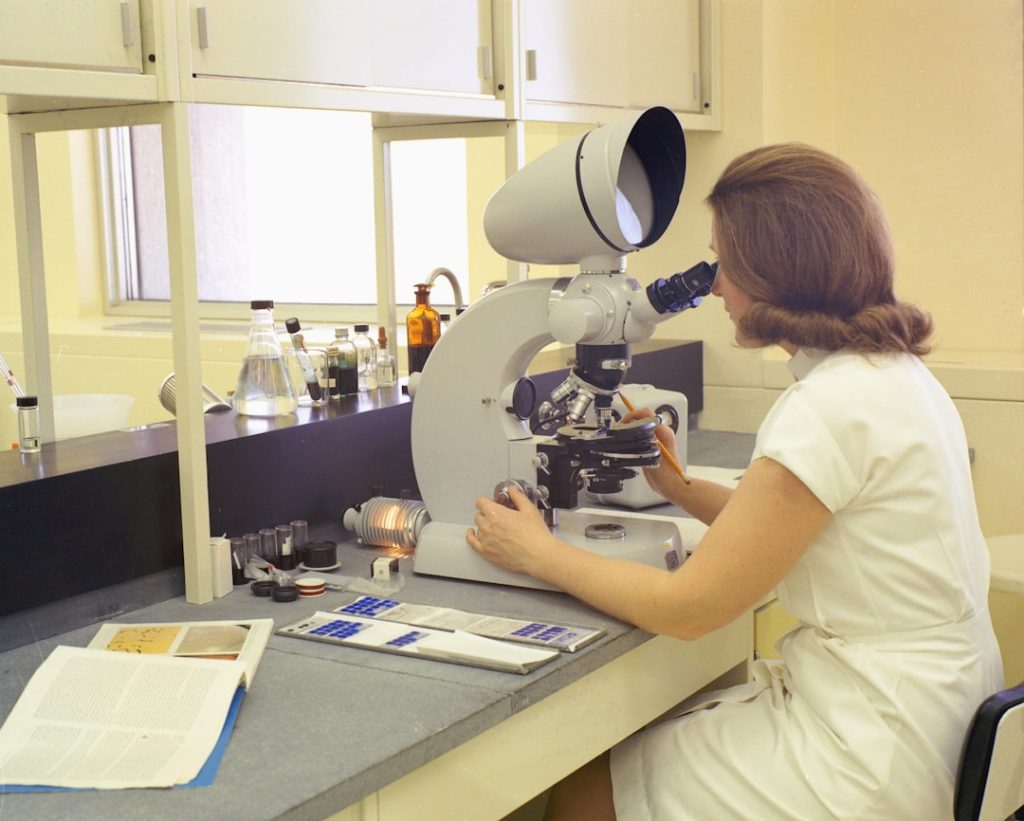
Summer medical research programs serve as structured educational opportunities that allow students to participate in scientific research and clinical investigation during the summer academic break. These programs typically last 8-12 weeks and pair participants with faculty mentors and research teams at universities, medical schools, and research institutions. The programs aim to develop research skills, expose students to scientific methodology, and provide insight into potential research careers in medicine and related fields.
Medical research encompasses multiple disciplines including basic sciences such as biochemistry, molecular biology, and physiology, as well as clinical specialties like cardiology, oncology, and neurology. Additional areas include epidemiology, biostatistics, health services research, and translational medicine. Summer research programs accommodate participants at various educational levels, from high school students to undergraduate students, post-baccalaureate students, and medical students.

Program participants engage in active research projects under faculty supervision, learning laboratory techniques, data collection methods, statistical analysis, and scientific writing. Students may work on ongoing studies or develop independent projects, often presenting their findings at research symposiums or conferences. These experiences provide practical training in research methodology while contributing to the broader scientific knowledge base in medicine and healthcare.
Key Takeaways
- Summer medical research programs offer hands-on experience and skill development for aspiring medical professionals.
- Participants gain valuable benefits including mentorship, research exposure, and enhanced medical school applications.
- The United States hosts several prestigious programs, each with unique focuses and application requirements.
- Applying typically involves submitting transcripts, recommendation letters, and personal statements.
- Maximizing the experience includes active engagement, networking, and seeking career development opportunities.
Benefits of Participating in Summer Medical Research Programs

Engaging in summer medical research programs offers a multitude of benefits that extend beyond the acquisition of technical skills. One of the most significant advantages is the opportunity for hands-on experience in a real-world research setting. Participants are often involved in various stages of the research process, from formulating hypotheses to collecting and analyzing data.
This experiential learning fosters a deeper understanding of scientific methodologies and enhances problem-solving abilities, which are crucial in any medical career. Moreover, these programs provide a unique platform for mentorship. Participants work closely with seasoned researchers and faculty members who can offer invaluable insights into the intricacies of medical research.
This mentorship not only aids in skill development but also helps students navigate their academic and professional journeys. The relationships formed during these programs can lead to lasting connections, recommendations for future opportunities, and guidance on pursuing advanced degrees or specific career paths within medicine.
Top Summer Medical Research Programs in the United States
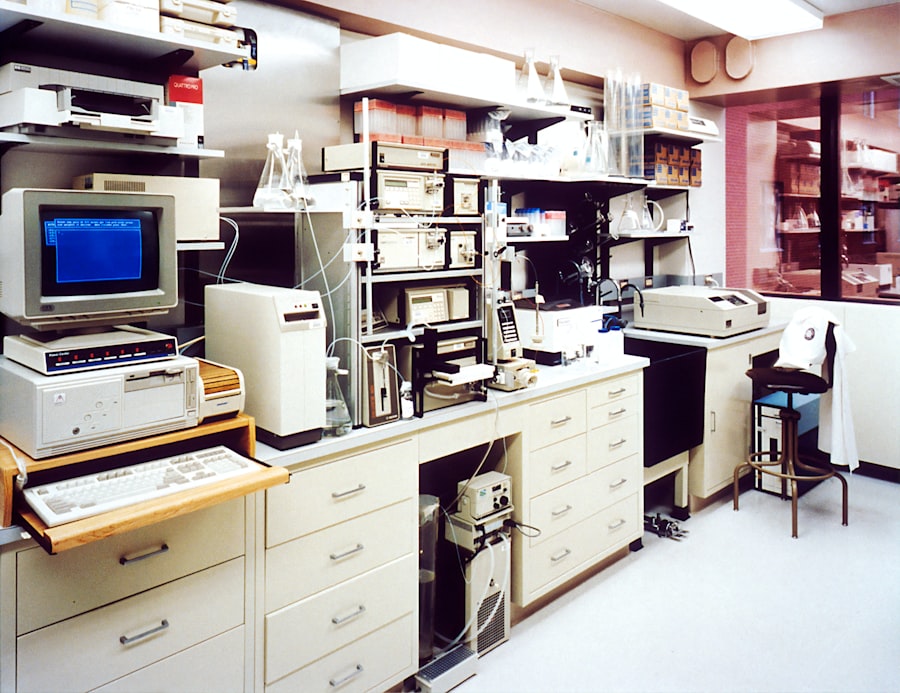
Several prestigious institutions across the United States offer summer medical research programs that attract aspiring researchers from diverse backgrounds. One notable program is the National Institutes of Health (NIH) Summer Internship Program in Biomedical Research. This program provides undergraduate and graduate students with the chance to work alongside leading scientists at the NIH campus in Bethesda, Maryland.
Participants engage in cutting-edge research across various biomedical fields, gaining exposure to advanced techniques and methodologies. Another exemplary program is the Summer Research Program at the University of California, San Francisco (UCSF). This initiative focuses on underrepresented minority students in medicine and health sciences, aiming to increase diversity within the field.
Participants engage in research projects that address health disparities while receiving mentorship from faculty members who are leaders in their respective fields. The program culminates in a symposium where students present their findings, fostering public speaking skills and confidence. Additionally, the Summer Research Program at Johns Hopkins University offers a unique blend of clinical and laboratory research experiences.
Students have the opportunity to work on projects related to infectious diseases, cancer biology, and neuroscience, among other areas. The program emphasizes interdisciplinary collaboration, allowing participants to interact with professionals from various fields and gain a holistic understanding of medical research.
Application Process for Summer Medical Research Programs
The application process for summer medical research programs can vary significantly depending on the institution and specific program requirements. Generally, prospective participants are required to submit an application that includes academic transcripts, letters of recommendation, and a personal statement outlining their interest in research and career aspirations. Crafting a compelling personal statement is crucial; it should reflect genuine enthusiasm for the field and articulate how the program aligns with the applicant’s goals.
In many cases, applicants may also need to demonstrate relevant coursework or prior experience in research or related fields. Some programs may require interviews as part of the selection process, allowing candidates to showcase their passion and commitment to medical research. It is essential for applicants to pay close attention to deadlines and specific requirements outlined by each program, as these can differ widely.
Tips for Making the Most of Summer Medical Research Programs
| Program Name | Institution | Duration | Application Deadline | Stipend | Research Focus | Eligibility |
|---|---|---|---|---|---|---|
| Summer Medical Research Program | Johns Hopkins University | 8 weeks | February 15 | 3000 | Biomedical Sciences | Medical Students (1st-3rd year) |
| Clinical Research Summer Program | Harvard Medical School | 10 weeks | March 1 | 3500 | Clinical Research | Medical Students (all years) |
| Summer Research Fellowship | University of California, San Francisco | 8 weeks | February 28 | 3200 | Translational Medicine | Medical Students (1st-2nd year) |
| Medical Student Summer Research Program | Mayo Clinic | 10 weeks | March 15 | 3300 | Clinical and Basic Science | Medical Students (all years) |
| Summer Research Program | University of Pennsylvania | 8 weeks | February 20 | 3100 | Neuroscience and Immunology | Medical Students (1st-3rd year) |
To maximize the experience gained from summer medical research programs, participants should approach their time with intentionality and enthusiasm. One effective strategy is to set clear goals at the outset of the program. Whether it’s mastering a specific laboratory technique or developing a deeper understanding of a particular area of study, having defined objectives can help guide daily activities and interactions with mentors.
Active engagement is another key component of a successful experience. Participants should not hesitate to ask questions, seek feedback, and participate in discussions with peers and mentors. This proactive approach not only enhances learning but also demonstrates a genuine interest in the research process.
Additionally, taking notes during meetings or lectures can be beneficial for retaining information and reflecting on experiences later. Networking is also an essential aspect of summer medical research programs. Building relationships with fellow participants and faculty members can lead to future collaborations or opportunities in academia or industry.
Attending seminars or workshops offered during the program can further expand one’s professional network while providing exposure to various topics within medical research.
Testimonials from Previous Participants

The impact of summer medical research programs is often best illustrated through the experiences of past participants. For instance, Sarah, a recent undergraduate student who participated in the NIH Summer Internship Program, shared how her time there solidified her desire to pursue a career in medicine. She noted that working alongside leading researchers not only enhanced her technical skills but also inspired her to think critically about health issues affecting diverse populations.
Another participant, James, who attended the UCSF Summer Research Program, emphasized the importance of mentorship he received during his experience. He described how his mentor guided him through complex data analysis techniques and encouraged him to present his findings at a national conference. This experience not only boosted his confidence but also opened doors for future research opportunities.
These testimonials highlight the transformative nature of summer medical research programs, showcasing how they can shape participants’ academic trajectories and professional aspirations.
Opportunities for Networking and Career Development in Summer Medical Research Programs
Networking opportunities abound within summer medical research programs, providing participants with invaluable connections that can influence their future careers. Many programs host seminars featuring guest speakers from various sectors of healthcare and academia. These events allow students to engage with professionals who can offer insights into different career paths, emerging trends in medical research, and potential job openings.
Moreover, participants often have access to alumni networks associated with their respective programs. Engaging with alumni can provide mentorship opportunities and guidance on navigating graduate school applications or job searches post-program. Alumni who have successfully transitioned into careers in medicine or research can offer practical advice based on their own experiences.
Additionally, many summer medical research programs encourage collaboration among participants from diverse backgrounds and disciplines. This interdisciplinary approach fosters an environment where students can share ideas and learn from one another’s perspectives. Such collaborations can lead to innovative solutions to complex health issues and may even result in co-authored publications or presentations at conferences.
Conclusion and Next Steps
As summer medical research programs continue to play an essential role in shaping the next generation of healthcare professionals and researchers, it is crucial for aspiring participants to explore their options thoroughly. Engaging in these programs not only enhances academic knowledge but also provides practical experience that is invaluable in today’s competitive job market. For those interested in applying, it is advisable to start early by researching various programs that align with personal interests and career goals.
Preparing application materials well in advance will allow candidates to present their best selves during the selection process. Once accepted into a program, participants should approach their experience with enthusiasm and an open mind, ready to embrace new challenges and opportunities for growth. Ultimately, summer medical research programs serve as a bridge between academic learning and real-world application, equipping students with the skills necessary to thrive in their future endeavors within medicine and healthcare.
