

The landscape of medical education has evolved significantly over the past few decades, with an increasing emphasis on the importance of research as a fundamental component of training. Medical students are no longer passive recipients of knowledge; they are encouraged to engage actively in the scientific process, contributing to the body of medical literature and enhancing their understanding of clinical practice. This shift reflects a broader recognition that research is integral to the development of critical thinking skills, the application of evidence-based medicine, and the advancement of healthcare as a whole.
As future physicians, medical students are uniquely positioned to explore innovative solutions to pressing health issues, making their involvement in research not just beneficial but essential. Research undertaken by medical students spans a wide array of topics, from basic science investigations to clinical trials and public health studies. This engagement not only enriches their educational experience but also fosters a sense of responsibility towards the communities they serve.

By participating in research, students gain firsthand experience in the methodologies that underpin medical science, learn to navigate ethical considerations, and develop skills in data analysis and interpretation. The journey into research can be transformative, shaping their perspectives on patient care and equipping them with tools that will be invaluable throughout their careers.
Key Takeaways
- Medical students’ research is integral to their education and professional development.
- Engaging in research enhances critical thinking and clinical skills among medical students.
- Students undertake diverse projects, including clinical, laboratory, and public health research.
- Common challenges include limited time, resources, and mentorship availability.
- Collaboration with experienced researchers boosts the quality and impact of student-led studies.
Importance of Research in Medical Education

The integration of research into medical education serves multiple purposes, enhancing both the academic and practical aspects of training. One of the primary benefits is the cultivation of critical thinking skills. Medical students who engage in research learn to question existing paradigms, analyze data rigorously, and draw evidence-based conclusions.
This analytical mindset is crucial in clinical settings where physicians must evaluate treatment options, consider patient histories, and make informed decisions that can significantly impact patient outcomes. Research fosters a culture of inquiry that encourages students to seek out new knowledge and apply it in their practice. Moreover, research involvement helps bridge the gap between theory and practice.
While medical education traditionally emphasizes rote memorization of facts and clinical guidelines, research encourages students to explore the underlying mechanisms of diseases and treatments. For instance, a student investigating the efficacy of a new drug may delve into pharmacodynamics and pharmacokinetics, gaining insights that enhance their understanding of patient care. This experiential learning not only solidifies theoretical knowledge but also prepares students for the complexities they will face in real-world clinical environments.
Types of Research Projects Undertaken by Medical Students
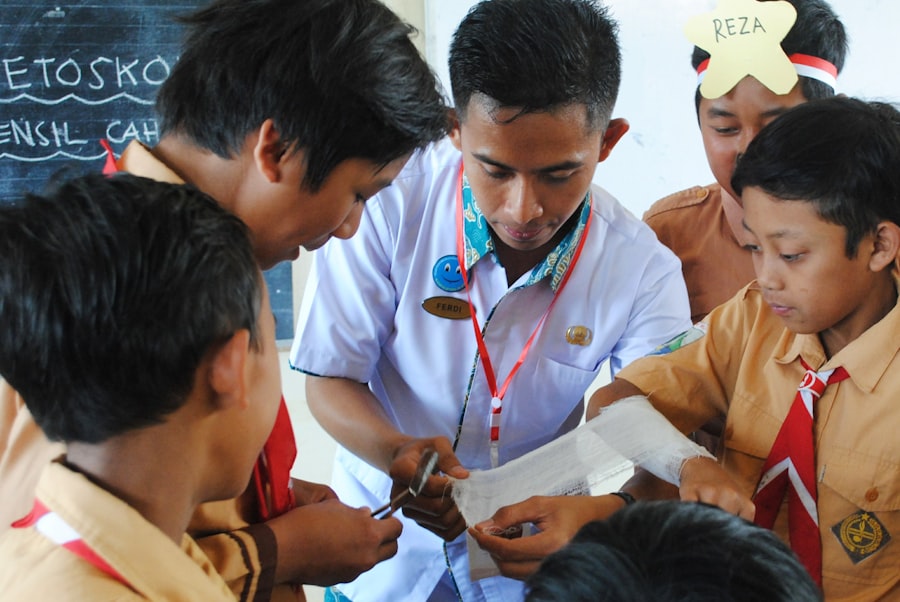
Medical students engage in a diverse range of research projects that reflect their interests and the needs of the healthcare community. One common area of focus is clinical research, where students may participate in studies evaluating new treatments or interventions for various diseases. For example, a student might work on a clinical trial assessing the effectiveness of a novel cancer therapy, collecting data on patient responses and side effects.
Such projects not only contribute to the advancement of medical knowledge but also provide students with invaluable experience in patient interaction and data collection. Another significant area is public health research, which addresses broader societal health issues. Medical students often investigate topics such as health disparities, disease prevention strategies, and the impact of social determinants on health outcomes.
A student might conduct a survey assessing vaccination rates in underserved communities, analyzing factors that contribute to vaccine hesitancy. This type of research not only highlights critical public health challenges but also empowers students to advocate for policy changes that can improve community health. Basic science research is yet another avenue for medical students, allowing them to explore fundamental biological processes that underlie disease mechanisms.
For instance, a student might work in a laboratory studying the genetic mutations associated with a specific hereditary condition. This hands-on experience in a research lab can ignite a passion for scientific inquiry and lead to further academic pursuits in fields such as genetics or molecular biology.
Challenges Faced by Medical Students in Conducting Research
Despite the numerous benefits associated with research participation, medical students often encounter significant challenges that can hinder their progress. One major obstacle is time management. The rigorous demands of medical school leave little room for extracurricular activities, including research.
Balancing coursework, clinical rotations, and personal commitments can be overwhelming, making it difficult for students to dedicate sufficient time to their research projects. Many students find themselves struggling to meet deadlines or feeling pressured to prioritize clinical responsibilities over their research endeavors. Additionally, access to resources can pose a challenge for medical students engaged in research.
While some institutions provide robust support systems, including mentorship programs and funding opportunities, others may lack these resources. Students may find it difficult to secure funding for their projects or gain access to necessary equipment and materials. Furthermore, navigating institutional review boards (IRBs) and ethical approval processes can be daunting for those new to research.
These hurdles can discourage students from pursuing ambitious projects or lead to frustration when progress stalls due to bureaucratic delays.
Impact of Medical Students’ Research on Healthcare
| Metric | Description | Typical Value/Range | Source/Notes |
|---|---|---|---|
| Percentage of Medical Students Involved in Research | Proportion of students participating in research projects during medical school | 30% – 60% | Varies by institution and country |
| Average Number of Research Publications per Student | Mean number of peer-reviewed articles published by medical students | 0.2 – 1.5 | Depends on research opportunities and mentorship |
| Research Hours per Week | Average weekly time dedicated to research activities | 5 – 15 hours | Often during elective or summer periods |
| Common Research Fields | Popular areas of research among medical students | Clinical research, Basic science, Public health, Medical education | Reflects institutional focus and student interest |
| Percentage of Students Presenting at Conferences | Proportion of students who present posters or talks at scientific meetings | 10% – 40% | Often linked to research productivity |
| Impact on Residency Match | Influence of research experience on residency placement success | Positive correlation, especially in competitive specialties | Research can enhance applications |
The contributions of medical students to research have far-reaching implications for healthcare delivery and policy. Their fresh perspectives often lead to innovative solutions that challenge established norms and practices. For instance, studies conducted by medical students have been instrumental in identifying gaps in patient care and proposing evidence-based interventions that improve outcomes.
A notable example is research on telemedicine’s effectiveness during the COVID-19 pandemic, where student-led initiatives helped shape guidelines for remote patient consultations. Moreover, medical students’ involvement in research fosters a culture of collaboration within healthcare teams. As they work alongside experienced researchers and clinicians, they bring new ideas and enthusiasm that can invigorate ongoing projects.
This collaborative spirit not only enhances the quality of research but also promotes interdisciplinary approaches to complex health issues. The insights gained from student-led studies often inform clinical practice guidelines and public health policies, ultimately benefiting patients and communities at large.
Collaboration between Medical Students and Experienced Researchers

Collaboration between medical students and seasoned researchers is vital for fostering an environment conducive to innovation and discovery. Experienced researchers provide mentorship that is invaluable for students navigating the complexities of scientific inquiry. This mentorship can take many forms, from guiding students through the intricacies of study design to offering insights on data analysis techniques.
Such relationships often lead to fruitful partnerships where both parties benefit from shared knowledge and expertise. Furthermore, these collaborations can enhance the quality of research outputs. When medical students work alongside established researchers, they gain access to a wealth of resources and networks that can elevate their projects.
For example, an experienced researcher may have access to specialized equipment or databases that would otherwise be unavailable to students working independently. This synergy not only enriches the student’s learning experience but also increases the likelihood of producing high-quality publications that contribute meaningfully to the field.
Future Opportunities for Medical Students in Research
As the landscape of healthcare continues to evolve, so too do the opportunities available for medical students interested in research. The rise of personalized medicine, genomics, and artificial intelligence presents exciting avenues for exploration. Medical students equipped with knowledge in these cutting-edge fields can contribute significantly to developing innovative treatments tailored to individual patients’ needs.
For instance, a student with an interest in bioinformatics might engage in research analyzing genetic data to identify potential therapeutic targets for rare diseases. Additionally, global health initiatives are increasingly recognizing the importance of involving medical students in research efforts aimed at addressing health disparities worldwide. Opportunities for international collaborations allow students to engage in meaningful projects that have a direct impact on underserved populations.
Whether through internships with global health organizations or participation in international conferences, these experiences broaden students’ horizons and deepen their understanding of global health challenges. The integration of technology into healthcare also opens new doors for medical student researchers. With advancements in telehealth and digital health tools, there is a growing need for studies evaluating their effectiveness and implementation strategies.
Medical students can play a pivotal role in this area by conducting research that assesses patient satisfaction with telehealth services or explores barriers to technology adoption among different demographics.
The Role of Medical Students in Advancing Medical Treatments
The role of medical students in advancing medical treatments cannot be overstated; they are not merely learners but active contributors to the field of medicine through their research endeavors. Their unique perspectives and innovative ideas have the potential to drive significant advancements in healthcare delivery and treatment modalities. As they navigate the challenges associated with conducting research while balancing their rigorous academic schedules, they emerge as resilient problem solvers equipped with critical skills that will serve them throughout their careers.
In an era where evidence-based practice is paramount, the contributions made by medical students through research are invaluable. They help bridge gaps between theory and practice while fostering a culture of inquiry that benefits both patients and healthcare providers alike. As we look toward the future, it is essential to continue supporting and encouraging medical students’ involvement in research initiatives, ensuring that they remain at the forefront of medical innovation and discovery.
