
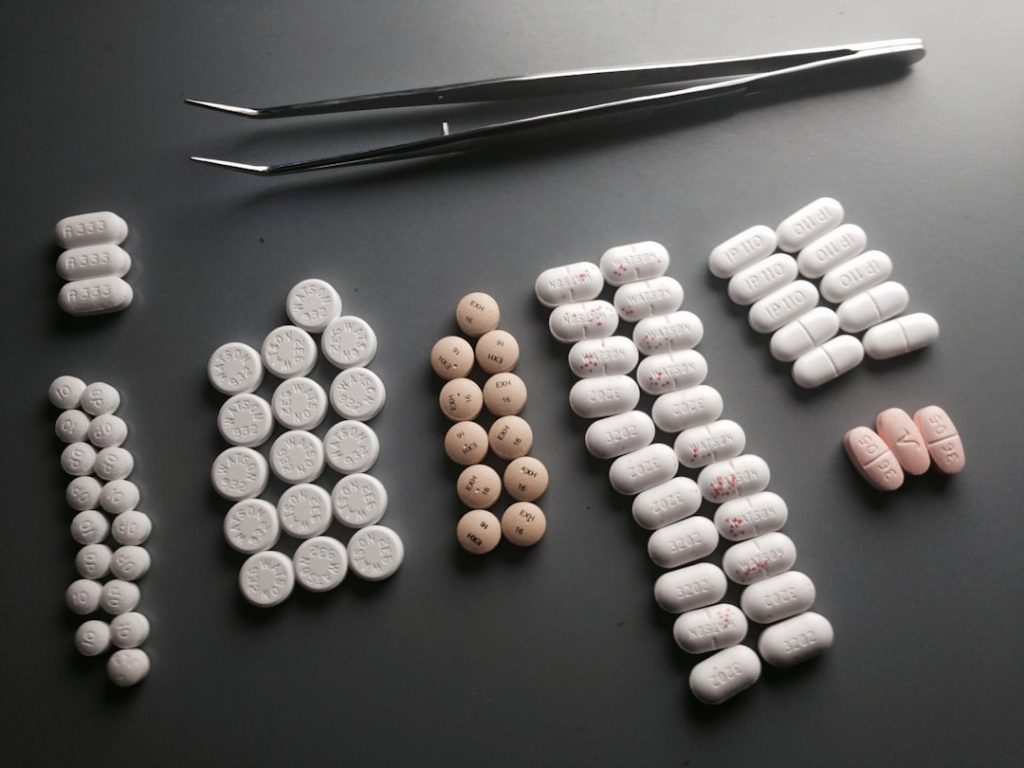
Clinical drug trials are a structured process designed to evaluate the safety and efficacy of new medications or treatments in humans. Before a drug can be made widely available to the public, it must navigate a series of rigorous testing phases. These phases serve as gatekeepers, intended to ensure that any approved treatment offers more benefit than harm. Think of this process as a carefully orchestrated journey, where each step brings us closer to understanding a new therapy’s potential.
Phase 1 trials are the first human testing phase. The primary goal here is to assess the safety of a new drug. This is where researchers begin to understand how a drug is absorbed, distributed, metabolized, and excreted by the body—collectively known as pharmacokinetics. It’s also crucial to identify any immediate side effects.
Determining Safe Dosage Ranges

A key objective of Phase 1 is to find the highest dose of the drug that can be given without causing unacceptable side effects. Researchers typically start with very low doses and gradually increase them in small groups of healthy volunteers. This incremental approach is like carefully treading across a newly laid bridge, testing each plank before putting full weight on it.
Dosage Escalation Studies
These studies involve administering increasing doses of the drug to successive groups of participants. The dose is escalated until either unacceptable toxicity is observed or a predetermined maximum dose is reached. The body’s response to these escalating doses provides vital information about its tolerance and potential toxic thresholds.
Pharmacokinetic and Pharmacodynamic Evaluation

Beyond just safety, Phase 1 also examines what the body does to the drug (pharmacokinetics) and what the drug does to the body (pharmacodynamics). This helps researchers understand how the drug behaves within the biological system. For example, how quickly is it absorbed into the bloodstream? How long does it stay in the body? These insights are foundational for designing subsequent, larger trials.
Participant Selection in Phase 1
Participants in Phase 1 trials are typically healthy volunteers. In some cases, particularly for drugs that are expected to have significant side effects or are intended for specific diseases, patients with the condition being studied might be included. The rationale for using healthy volunteers is to isolate the drug’s effects without the confounding factors of a disease state, making safety assessments clearer.
The Small Scale of Phase 1
Phase 1 trials involve a relatively small number of participants, often ranging from 20 to 100 individuals. This limited scope is practical for early safety assessments. It allows for close monitoring of each participant and minimizes the potential risk associated with a novel agent.
Phase 2: Exploring Efficacy and Side Effects
Once a drug has demonstrated an acceptable safety profile in Phase 1, it moves to Phase 2. The focus shifts from pure safety to assessing the drug’s effectiveness—also known as efficacy—and further evaluating its safety in a larger group of people. This phase is like checking if the bridge is not only sturdy but also leads to the desired destination.
Evaluating Therapeutic Effectiveness
Phase 2 trials aim to determine if the drug has a positive effect on the condition it is intended to treat. Researchers are looking for evidence that the drug works as anticipated. This is often done by comparing participants who receive the drug to those who receive a placebo or a standard treatment.
Controlled Studies and Comparison Groups
To rigorously assess efficacy, Phase 2 trials are often designed as controlled studies. This involves comparing the drug’s effects against a control group. The control group might receive a placebo (an inactive substance) or an existing standard treatment. This comparison is critical for determining if the observed effects are genuinely due to the drug and not just the passage of time or other external factors.
Dose-Response Relationships
Within Phase 2, researchers often explore different doses to find the optimal balance between effectiveness and side effects. Not all doses will work equally well, and some might produce more or different side effects. Identifying the ‘sweet spot’—the dose range that offers the best therapeutic benefit with manageable risks—is a key outcome of this phase.
Continued Safety Monitoring
While efficacy is a major focus, safety remains paramount in Phase 2. The larger group of participants and potentially longer duration of treatment mean that a wider range of side effects might emerge. Researchers continue to track and document all adverse events, building a more comprehensive understanding of the drug’s safety profile.
Participant Numbers in Phase 2
Phase 2 trials involve a larger number of participants than Phase 1, typically ranging from a few dozen to several hundred. This increased sample size provides more statistical power to detect therapeutic effects and identify less common side effects.
Phase 3: Large-Scale Confirmation

Phase 3 trials are the most extensive and crucial stage before a drug can seek regulatory approval. These trials confirm the drug’s efficacy, monitor side effects, compare it to common treatments, and collect information that will allow the drug to be used safely. This phase is like navigating the full length of the bridge, now with many people crossing, to ensure it holds up under real-world conditions.
Confirming Efficacy in Diverse Populations
The primary objective of Phase 3 is to confirm the drug’s effectiveness in a large and diverse patient population. This involves recruiting participants who represent the broad spectrum of people who could potentially benefit from the treatment, including individuals of different ages, genders, ethnicities, and with varying degrees of the disease. This ensures that the drug’s efficacy is not limited to a narrow group.
Randomized Controlled Trials (RCTs)
Phase 3 trials are almost always randomized and controlled. Randomization means participants are randomly assigned to receive either the investigational drug or a placebo/standard treatment. This minimizes bias and ensures that the groups are as similar as possible, allowing for a fair comparison of outcomes. The ‘control’ aspect, as in Phase 2, ensures that any observed differences can be attributed to the drug itself.
Blinding and Double-Blinding
To further reduce bias, Phase 3 trials often employ blinding. In single-blind studies, participants do not know whether they are receiving the active drug or a placebo. In double-blind studies, neither the participants nor the researchers and healthcare providers administering the treatment know who is receiving which. This is essential to prevent the expectations of participants or investigators from influencing the results. Think of this as having blindfolds on both the driver and the passengers to ensure the journey is judged solely on the road ahead.
Extensive Safety Surveillance
With hundreds or even thousands of participants, Phase 3 trials provide a robust platform for detecting rarer side effects that may not have been evident in earlier phases. Continuous monitoring and reporting of all adverse events are critical for building a complete safety profile. This comprehensive surveillance helps regulatory bodies make informed decisions about drug approval.
Comparison Against Existing Treatments
A significant aspect of Phase 3 is often comparing the new drug against existing standard treatments for the same condition. This helps to determine if the new drug offers any advantages, such as higher efficacy, fewer side effects, better tolerability, or improved quality of life for patients. This comparative data is vital for physicians when choosing the best treatment option.
Global Reach and Diverse Settings
Phase 3 trials are often conducted at multiple sites, both nationally and internationally. This multi-center approach ensures the drug’s performance is evaluated across different healthcare systems, geographical locations, and diverse patient populations, increasing the generalizability of the findings.
Phase 4: Post-Marketing Surveillance
Phase 4 trials, also known as post-marketing surveillance, occur after a drug has received regulatory approval and is available on the market. The primary aim is to monitor the drug’s safety and effectiveness in the general population over the long term and in diverse real-world settings. This is like monitoring the bridge’s ongoing performance and any wear and tear after it has been opened to the public.
Long-Term Safety and Efficacy
Even after approval, the long-term effects of a drug may not be fully understood. Phase 4 studies continue to track participants over extended periods to identify any delayed adverse reactions or to confirm ongoing efficacy. This long-term perspective is crucial for understanding the full impact of a medication.
Real-World Data Collection
In Phase 4, researchers collect data from a much larger and more varied population than in earlier phases. This real-world data can reveal how the drug performs in patients with co-existing medical conditions, those taking multiple medications, or individuals who may not have met the strict inclusion criteria for earlier trials.
Identifying Rare Side Effects
While earlier phases are designed to detect common side effects, Phase 4 studies are essential for uncovering very rare adverse events that might only manifest in a small fraction of the population after widespread use. This ongoing surveillance allows for timely updates to prescribing information and, if necessary, regulatory action.
New Uses or Indications
Sometimes, Phase 4 studies identify unexpected benefits or potential new uses for an approved drug. These findings can lead to the exploration of new indications, requiring further investigation and, potentially, new clinical trials to support expanded approval.
Cost-Effectiveness Studies
Phase 4 studies can also be used to evaluate the cost-effectiveness of a drug in real-world clinical practice, contributing to health economics and policy decisions.
Understanding the Ethical and Regulatory Framework
| Phase | Purpose | Number of Participants | Duration | Key Focus | Success Rate |
|---|---|---|---|---|---|
| Phase 1 | Assess safety and dosage | 20-100 healthy volunteers | Several months | Safety, side effects, pharmacokinetics | 70% |
| Phase 2 | Evaluate efficacy and side effects | 100-300 patients | Several months to 2 years | Effectiveness, optimal dose, short-term side effects | 33% |
| Phase 3 | Confirm effectiveness and monitor adverse reactions | 1,000-3,000 patients | 1-4 years | Effectiveness, benefits vs risks, long-term side effects | 25-30% |
| Phase 4 | Post-marketing surveillance | Various (thousands) | Ongoing | Long-term effects, rare side effects, real-world use | N/A |
Throughout all clinical trial phases, ethical considerations and regulatory oversight are paramount. These frameworks are in place to protect the rights, safety, and well-being of participants.
Institutional Review Boards (IRBs) / Ethics Committees
Before any clinical trial can begin, it must be reviewed and approved by an Institutional Review Board (IRB) or an independent ethics committee. These bodies are composed of scientists, doctors, ethicists, and community members. They scrutinize the trial protocol to ensure it is scientifically sound, ethical, and minimizes risks to participants. They also ensure that the informed consent process is adequate.
Informed Consent Process
Informed consent is a cornerstone of ethical research. It is a process by which a potential participant is given all the necessary information about a clinical trial, including its purpose, procedures, potential risks and benefits, and their right to withdraw at any time without penalty. This allows individuals to make a voluntary and informed decision about whether to participate. This is not a one-time event but an ongoing dialogue throughout the trial.
Regulatory Agencies
Regulatory agencies, such as the Food and Drug Administration (FDA) in the United States or the European Medicines Agency (EMA) in Europe, oversee the entire drug development process. They establish guidelines for conducting clinical trials, review trial data, and ultimately decide whether to approve a drug for marketing. Their role is to ensure that drugs are safe and effective for public use.
Data Monitoring Committees (DMCs)
Independent Data Monitoring Committees (DMCs) are often established to review accumulating trial data periodically. These committees, composed of experts not directly involved in conducting the trial, can recommend continuing, modifying, or stopping the trial based on the emerging safety and efficacy data. They act as an independent watchdog, safeguarding participant welfare.
Quality Assurance and Good Clinical Practice (GCP)
Clinical trials must adhere to strict standards of quality assurance and Good Clinical Practice (GCP). GCP guidelines are international ethical and scientific quality standards for designing, conducting, recording, and reporting trials that involve human participants. Compliance with GCP ensures the integrity of the data collected and the protection of participants. This adherence is like following a meticulously crafted blueprint to ensure the final structure is sound.
By systematically progressing through these distinct but interconnected phases, the journey of a new drug from laboratory curiosity to a potential treatment is a testament to scientific rigor and a commitment to public health. Each phase builds upon the last, progressively narrowing the focus from broad safety to specific efficacy and finally to long-term impact.
