
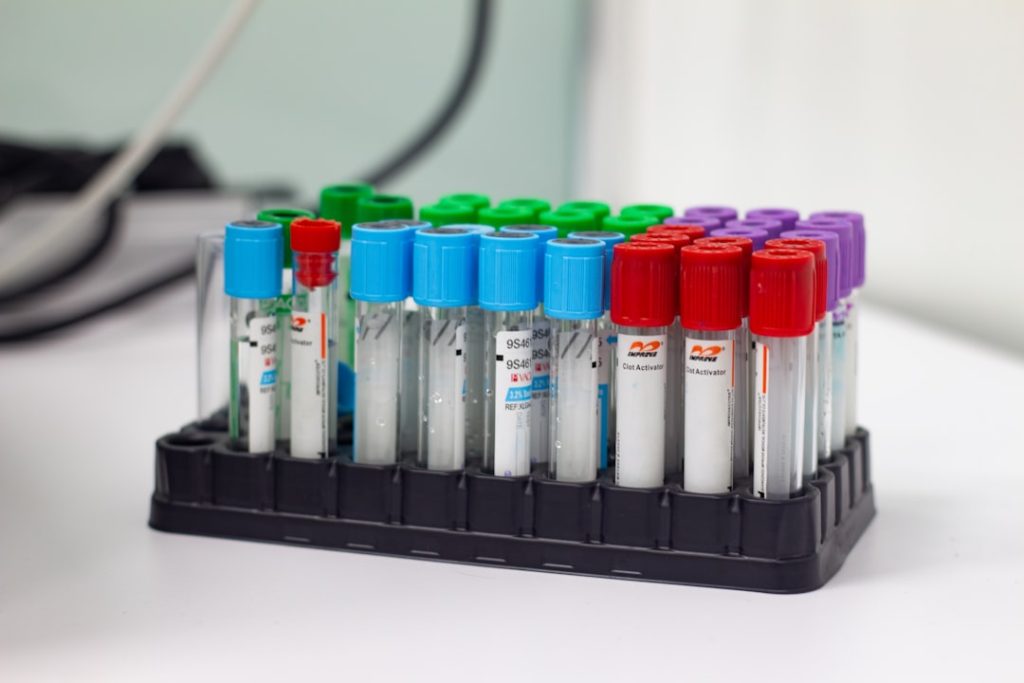
Clinical trials represent the primary methodology for evaluating the safety and efficacy of new medical treatments, pharmaceuticals, and devices. These systematically designed studies determine whether novel interventions are both effective and safe for human application prior to regulatory approval for general use. Clinical trial protocols operate under stringent regulatory oversight to maintain ethical standards and ensure participant protection throughout the research process.
These studies advance medical knowledge while directly contributing to improved patient care and treatment outcomes. The development pathway for new treatments from laboratory research to clinical implementation typically spans years to decades. Clinical trials follow a structured phase-based approach, with each phase addressing specific research objectives through distinct methodologies.

These phases systematically examine various aspects of the intervention, from initial safety assessments to comparative effectiveness against established treatments. Clinical trials constitute rigorous scientific investigations requiring coordinated efforts among researchers, healthcare providers, regulatory agencies, and study participants. Knowledge of clinical trial structure and objectives is fundamental for understanding medical and healthcare research processes.
Key Takeaways
- Clinical trials are essential for testing new medical treatments and ensuring their safety and effectiveness.
- Trials progress through phases I to IV, each with specific goals from safety to long-term monitoring.
- Phase I focuses on determining safe dosage and identifying side effects in a small group.
- Phase II and III assess treatment efficacy and compare it to existing standards in larger populations.
- Phase IV involves ongoing surveillance after market approval to monitor real-world effects and safety.
The Phases of Clinical Trials

Clinical trials are generally categorized into four main phases, each serving a unique purpose in the evaluation of a new treatment. Phase I trials focus primarily on safety and dosage, while Phase II trials assess efficacy and side effects. Phase III trials are designed to compare the new treatment against standard therapies, and Phase IV trials occur after a treatment has been approved for public use, monitoring its long-term effects in a broader population.
This phased approach allows researchers to systematically gather data and make informed decisions about the viability of a new intervention. Each phase builds upon the findings of the previous one, creating a comprehensive understanding of the treatment’s profile. For instance, if a Phase I trial indicates that a drug is safe at certain dosages, researchers can then proceed to Phase II to explore its effectiveness in treating a specific condition.
This stepwise progression is crucial because it minimizes risks to participants and ensures that only those interventions that demonstrate promise move forward in the development process. The rigorous nature of these phases reflects the commitment to scientific integrity and patient safety that underpins clinical research.
Phase I: Safety and Dosage

Phase I clinical trials are typically the first time a new drug or treatment is administered to humans. These trials usually involve a small group of healthy volunteers or patients, often ranging from 20 to 100 participants. The primary objective during this phase is to assess the safety profile of the intervention, including identifying any potential side effects or adverse reactions.
Researchers also aim to determine the optimal dosage that can be administered without causing harm while still being effective. In Phase I trials, various dosing regimens may be tested to establish a safe range for subsequent studies. For example, if a new cancer drug is being evaluated, researchers might start with a low dose and gradually increase it in subsequent cohorts of participants.
This approach allows for careful monitoring of how the body responds to the drug at different levels. Additionally, Phase I trials often employ a design known as “dose escalation,” where doses are increased incrementally until side effects become unacceptable or therapeutic effects plateau. This method not only helps identify the maximum tolerated dose but also provides valuable insights into pharmacokinetics—the study of how the drug is absorbed, distributed, metabolized, and excreted by the body.
Phase II: Efficacy and Side Effects
Once a treatment has demonstrated an acceptable safety profile in Phase I trials, it progresses to Phase II trials, where the focus shifts toward evaluating its efficacy and further assessing its safety. This phase typically involves a larger group of participants, often numbering in the hundreds, who have the condition that the treatment aims to address. The primary goal is to determine whether the intervention produces a beneficial effect on the disease or condition being studied.
In Phase II trials, researchers often employ randomized controlled designs to compare the new treatment against a placebo or standard therapy. This allows for a more rigorous assessment of its effectiveness. For instance, if a new medication for hypertension is being tested, participants may be randomly assigned to receive either the new drug or an existing treatment known to be effective.
By measuring outcomes such as blood pressure reduction over time, researchers can draw conclusions about how well the new drug performs relative to established options. Moreover, Phase II trials also continue to monitor side effects and adverse reactions that may not have been evident during Phase
This ongoing assessment is crucial because it helps identify any potential risks associated with long-term use of the treatment. For example, if patients report unexpected side effects such as severe fatigue or gastrointestinal issues during this phase, researchers can adjust their approach or even halt development if necessary. The findings from Phase II trials are instrumental in determining whether a treatment should advance to Phase III studies.
| Phase | Purpose | Number of Participants | Duration | Success Rate | Key Focus |
|---|---|---|---|---|---|
| Preclinical | Laboratory and animal testing to assess safety and biological activity | Not applicable | 1-3 years | Varies | Safety, dosage, mechanism of action |
| Phase 1 | Assess safety, dosage range, and side effects in humans | 20-100 healthy volunteers or patients | Several months | Approximately 70% | Safety and dosage |
| Phase 2 | Evaluate efficacy and side effects in patients with the condition | 100-300 patients | Several months to 2 years | Approximately 33% | Efficacy and side effects |
| Phase 3 | Confirm effectiveness, monitor side effects, compare to standard treatments | 1,000-3,000 patients | 1-4 years | Approximately 25-30% | Effectiveness and safety |
| Phase 4 | Post-marketing studies to gather additional information on risks, benefits, and optimal use | Varies, often thousands | Ongoing | Not applicable | Long-term safety and effectiveness |
Phase III: Comparative Effectiveness
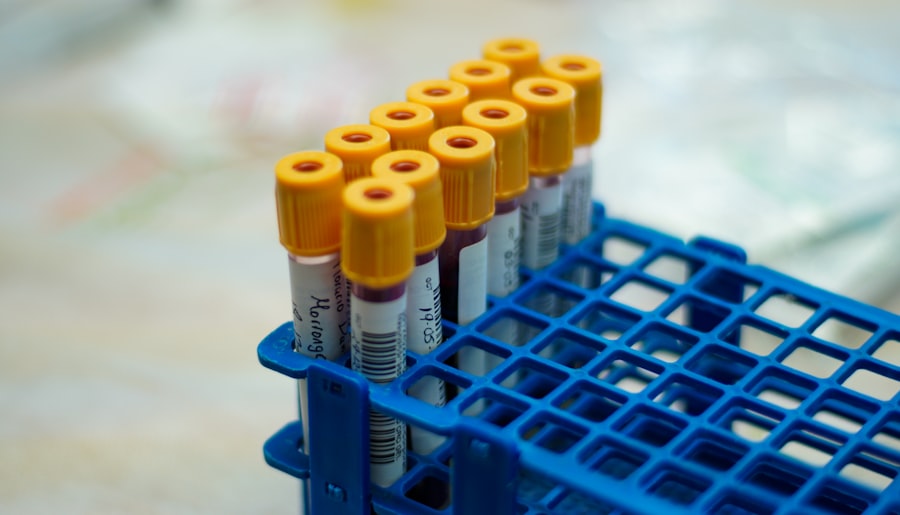
Phase III clinical trials represent a critical juncture in the development of new treatments, as they are designed to provide definitive evidence regarding the effectiveness and safety of an intervention compared to existing therapies. These trials typically involve large populations—often thousands of participants—across multiple sites and may span several years. The primary objective is to confirm whether the new treatment offers significant benefits over standard care or placebo.
In this phase, researchers employ randomized controlled trial designs to minimize bias and ensure that results are reliable. Participants are randomly assigned to receive either the new treatment or a comparator (which could be an existing standard treatment or placebo). This design allows for robust statistical analysis of outcomes such as survival rates, disease progression, or quality of life measures.
For example, in testing a new chemotherapy regimen for breast cancer, researchers would compare outcomes between patients receiving the new regimen and those receiving standard chemotherapy. The results from Phase III trials are pivotal for regulatory approval processes. If the data demonstrate that the new treatment is significantly more effective than existing options with an acceptable safety profile, it can lead to approval by regulatory agencies such as the U.S.
Food and Drug Administration (FDA) or European Medicines Agency (EMA). However, if results are inconclusive or show no significant benefit, further development may be halted. Thus, Phase III trials serve as both a validation step for promising treatments and a safeguard against ineffective or harmful interventions entering the market.
Phase IV: Post-Market Surveillance
Phase IV clinical trials occur after a treatment has received regulatory approval and is available for public use. These studies are essential for ongoing monitoring of the drug’s long-term safety and effectiveness in real-world settings. While earlier phases focus on controlled environments with selected populations, Phase IV trials assess how well a treatment performs across diverse patient groups with varying health conditions and demographics.
Post-market surveillance can take many forms, including observational studies, registries, and randomized controlled trials designed specifically for this phase. For instance, if a new diabetes medication is approved, researchers may conduct long-term studies to monitor its effects on cardiovascular health among patients who have multiple comorbidities. This phase is particularly important for identifying rare side effects that may not have been evident during earlier trials due to limited sample sizes.
Additionally, Phase IV studies can provide valuable insights into how treatments are used in practice and their impact on patient quality of life. They can also inform healthcare providers about best practices for prescribing medications based on real-world evidence. Regulatory agencies may require specific post-marketing studies as part of their approval process to ensure ongoing safety monitoring.
Overall, Phase IV trials play an integral role in maintaining public trust in medical interventions by ensuring that they continue to meet safety and efficacy standards even after they reach the market.
Progress in Clinical Trials
The landscape of clinical trials has evolved significantly over recent years due to advancements in technology, regulatory changes, and an increased emphasis on patient-centered research. Innovations such as electronic health records (EHRs), telemedicine, and mobile health applications have transformed how clinical trials are conducted and monitored. These technologies facilitate more efficient data collection and analysis while enhancing participant engagement through remote monitoring and virtual visits.
Moreover, there has been a growing recognition of the importance of diversity in clinical trial populations. Historically, many studies have underrepresented certain demographic groups, leading to gaps in knowledge about how treatments affect different populations. In response, regulatory agencies have encouraged sponsors to implement strategies that promote inclusivity in trial design and recruitment efforts.
This shift aims to ensure that findings are generalizable across various patient demographics and that all groups benefit from advancements in medical research. Additionally, adaptive trial designs have gained traction in recent years. These flexible approaches allow researchers to modify trial parameters based on interim results without compromising scientific integrity.
For example, if early data suggest that one dosage is significantly more effective than others being tested, researchers can adjust their study design accordingly rather than waiting until all data is collected. Such innovations not only expedite the development process but also enhance patient safety by allowing for quicker identification of effective treatments.
Conclusion and Future Directions
As we look toward the future of clinical trials, several trends are poised to shape their evolution further. The integration of artificial intelligence (AI) and machine learning into trial design and data analysis holds great promise for improving efficiency and accuracy in identifying suitable candidates for studies as well as predicting outcomes based on historical data patterns. These technologies can streamline patient recruitment processes by analyzing vast datasets to identify individuals who meet specific eligibility criteria.
Furthermore, there is an increasing emphasis on patient engagement throughout all phases of clinical research. Involving patients in trial design not only enhances recruitment efforts but also ensures that studies address relevant questions from their perspective. Patient advocacy groups are playing an essential role in this shift by advocating for transparency and collaboration between researchers and participants.
Finally, as global health challenges continue to evolve—exemplified by recent pandemics—there will be an ongoing need for rapid-response clinical trial frameworks that can adapt quickly to emerging threats while maintaining rigorous scientific standards. The lessons learned from recent experiences will undoubtedly inform future approaches to clinical research, ensuring that we remain agile in our quest for innovative solutions to pressing health issues worldwide.
