
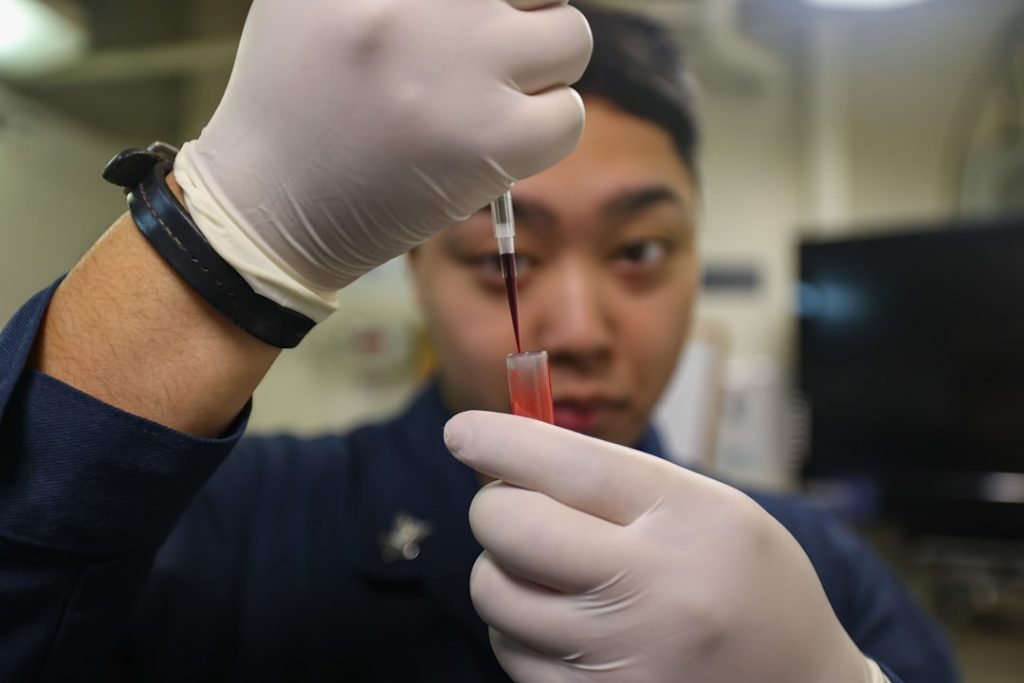
Tandem Clinical Research, a specialized model of collaborative investigation, represents a strategic approach to clinical trials. This methodology involves the simultaneous or sequential execution of two or more distinct research protocols, often with shared infrastructure, participant pools, or investigative teams. The primary objective is to optimize resource utilization, accelerate the research timeline, and enhance the overall efficiency of clinical development. Tandem research is not a novel concept but has gained increasing prominence due to the escalating costs and complexities inherent in modern clinical trials. The model can encompass various configurations, from parallel assessment of different interventions for a single condition to the sequential evaluation of a primary treatment followed by a related secondary investigation. Understanding the nuances of this approach is crucial for stakeholders involved in pharmaceutical development, academic research, and healthcare delivery.
The Evolution of Clinical Trial Design
Historically, clinical trials often operated in isolation, with each study meticulously planned, executed, and analyzed as a self-contained entity. This traditional model, while robust in its individual assessments, frequently led to redundancies in resource allocation, protracted development timelines, and missed opportunities for synergistic insights. The increasing pressure to deliver innovative therapies more rapidly and cost-effectively has spurred a re-evaluation of conventional trial paradigms. The concept of tandem research emerged as a response to these challenges, offering a framework for intertwining research efforts and maximizing the scientific return on investment. Early iterations often involved opportunistic piggybacking of observational studies onto interventional trials. Today, the design is increasingly formalized and integrated into the overarching research strategy from its inception.
Core Principles of Tandem Research

The successful implementation of tandem clinical research hinges on several foundational principles designed to ensure scientific rigor, ethical compliance, and operational efficiency. Deviation from these principles can compromise the integrity of the research and negate the potential benefits.
Strategic Alignment and Collaborative Planning
The bedrock of any tandem research endeavor is a meticulously crafted strategic plan. This involves a comprehensive assessment of the overarching research objectives, the identification of potential synergies between different study arms or phases, and the establishment of clear lines of communication and responsibility among all involved parties. It is essential for all stakeholders – sponsors, investigators, statisticians, regulatory experts, and patient representatives – to collaboratively define the research questions, primary and secondary endpoints, and the methodologies to be employed. A fragmented or uncoordinated planning phase can lead to significant operational hurdles and data inconsistencies down the line. Imagine an orchestra attempting to perform a complex symphony without a conductor or a unified score; the result would be cacophony, not harmony.
Resource Optimization and Shared Infrastructure

One of the primary drivers for adopting a tandem research model is the potential for significant resource optimization. This can manifest in several ways:
- Shared Participant Pools: In contexts where multiple studies target similar patient populations, a tandem approach can facilitate the recruitment and enrollment processes, reducing the burden on individual sites and patients. This “two birds with one stone” approach, when ethically managed, can accelerate accrual rates.
- Leveraged Site Infrastructure: Research sites often possess specialized equipment, trained personnel, and established patient networks. A tandem design can allow multiple protocols to utilize these existing resources, thereby minimizing duplication of effort and investment. Consider a single clinical research unit simultaneously conducting two distinct drug trials for rheumatoid arthritis, utilizing the same imaging facilities and phlebotomy services.
- Centralized Data Management and Biostatistics: Consolidating data collection, management, and statistical analysis across multiple, interconnected studies can enhance data quality, improve standardization, and reduce overhead costs. A unified data platform acts as a central nervous system, connecting disparate research efforts.
- Minimized Overhead Costs: By sharing administrative burdens, regulatory submissions, and monitoring activities, the overall cost per study can be reduced, making research more financially viable, particularly for studies with limited funding or in rare disease indications.
Ethical Considerations and Patient Protection
While tandem research offers significant operational advantages, it also introduces unique ethical considerations that demand careful attention. The welfare and rights of research participants remain paramount.
- Informed Consent Duplicity: When participants are enrolled in multiple studies or their data is intended for multiple research questions, the informed consent process must be exceptionally clear and comprehensive. Participants must fully understand the scope of each study, the potential risks and benefits associated with each, and their right to withdraw from one or all components of the research. Simply put, they need to know precisely what they are signing up for.
- Burden on Participants: Engaging in multiple research protocols, even if ostensibly related, can increase the time commitment, procedural interventions, and potential for adverse events for participants. Researchers must carefully assess and mitigate this burden to ensure participant well-being. Overburdening participants can lead to attrition and compromised data.
- Confidentiality and Data Linkage: When data from different studies are linked or shared, robust measures must be in place to protect participant confidentiality and privacy in accordance with regulatory mandates such as GDPR or HIPAA. This requires secure data infrastructure and clear data governance policies.
- Equipoise and Randomization: In tandem designs where different interventions are being tested, maintaining equipoise (the genuine uncertainty regarding the superior treatment) and ensuring fair randomization processes across all studies is critical for achieving valid and unbiased results.
Methodological Frameworks in Tandem Research

The practical application of tandem research encompasses various methodological frameworks, each suited to different research objectives and logistical constraints.
Parallel Studies with Shared Controls
In this configuration, two or more interventional arms, each testing a different experimental treatment for the same condition, are run concurrently against a single, shared control group. This design is particularly attractive when the ethical implications of multiple placebo arms are a concern, or when the cost of recruiting a separate control group for each intervention is prohibitive.
- Enhanced Statistical Power: By pooling the control group data, the statistical power to detect differences between experimental arms and the control can be increased, potentially reducing the overall sample size required.
- Reduced Patient Recruitment: Less control subjects need to be recruited compared to entirely separate trials, easing the burden on patient recruitment.
- Potential for Confounding: Careful consideration must be given to potential confounding factors if the experimental arms introduce differential attrition or compliance rates. The shared control group, a single thread, must be robust enough to withstand the stress of comparison with multiple experimental fabrics.
Sequential Studies with Adaptive Design Elements
This framework involves a series of studies conducted one after another, where the findings from an earlier study inform and guide the design or execution of subsequent studies. Adaptive design elements can further enhance the efficiency of this approach.
- Dose Escalation and Expansion Cohorts: A classic example is a Phase 1 dose-escalation study (e.g., first-in-human) followed by an expansion cohort (Phase 1b/2a) in the same protocol, where safe and tolerated doses are selected for further investigation in a larger patient group. One might view this as a pathfinder mission, where initial exploration informs subsequent, more elaborate expeditions.
- Biomarker-Driven Selection: Early studies might identify specific biomarkers associated with treatment response. Subsequent studies can then incorporate these biomarkers for patient selection or stratification, making the research more targeted and efficient.
- Early Efficacy Signals: Interim analyses in an initial study might reveal an early efficacy signal, prompting an accelerated progression to a larger confirmatory trial or a modification of the ongoing study’s design. This allows for dynamic course correction as new information emerges.
Platform Trials and Umbrella/Basket Designs
These are specialized forms of tandem research that involve a master protocol enabling the simultaneous evaluation of multiple treatments against a common control, or multiple treatments for different subtypes of a disease, respectively.
- Platform Trials: These trials allow for the ongoing entry and exit of different treatment arms over time, based on emerging evidence. Treatments that show promise can be advanced, while ineffective ones can be dropped, reducing the time and cost associated with drug development. Like a central railway station, new trains (treatments) can arrive and depart, passengers (patients) can embark on different journeys, all within a unified infrastructure.
- Umbrella Trials: Focus on a single disease but evaluate multiple targeted therapies, each matched to a specific molecular subtype of that disease. For example, a single trial for lung cancer might test different drugs for patients with different genetic mutations.
- Basket Trials: Evaluate a single therapy across multiple different disease types that share a common molecular alteration, regardless of their anatomical origin. For instance, a drug targeting a specific oncogene might be tested in various cancers (colorectal, breast, ovarian) that harbor that mutation.
Operationalization and Implementation Challenges

Despite its theoretical advantages, the successful implementation of tandem clinical research is fraught with operational challenges that require meticulous planning and proactive management. Overlooking these hurdles can negate the potential benefits and introduce significant delays.
Regulatory and Ethical Approval Complexities
Navigating the regulatory landscape for tandem studies can be intricate. Submitting multiple protocols or a single master protocol covering diverse research questions requires careful articulation of the overall strategy to regulatory agencies and ethics committees.
- Harmonization of Requirements: Different regulatory bodies or institutional review boards (IRBs) may have varying interpretations or requirements, necessitating a significant effort to harmonize submissions and ensure consistent compliance across all study components.
- Protocol Amendments and Modifications: Changes to one component of a tandem study can have ripple effects across other interconnected components, requiring complex amendment processes and potentially delaying the entire research program. Think of a domino effect; a change in one domino can trigger movement across the entire chain.
- Risk-Benefit Assessment: Ethics committees face a heightened responsibility in assessing the cumulative risks and benefits to participants involved in multiple research endeavors, demanding clearer justifications for the tandem approach.
Data Management and Statistical Analysis
The integration and analysis of data from multiple, often diverse, research components pose significant challenges.
- Data Standardization: Ensuring consistent data collection, coding, and reporting across different study arms or phases is paramount to avoid heterogeneity and facilitate data linkage. A common language and grammar for data are essential.
- Statistical Analysis Plans: Developing robust and comprehensive statistical analysis plans that account for the intertwined nature of the studies, potential multiplicity issues, and shared controls requires specialized biostatistical expertise. Incorrect analysis can lead to spurious findings or missed true effects.
- Data Sharing and Ownership: Clear agreements on data ownership, access, and sharing protocols are crucial, especially when multiple sponsors or research groups are involved. Ambiguity in this area can lead to disputes and delays.
Project Management and Communication
Coordinating multiple investigative teams, sites, vendors, and sponsors across intertwined research projects demands exceptional project management capabilities and seamless communication.
- Cross-Functional Collaboration: Effective tandem research necessitates a high degree of cross-functional collaboration and inter-organizational communication. Regular meetings, standardized reporting structures, and clear communication channels are essential to maintain alignment.
- Risk Management: Identifying and mitigating potential risks – operational, financial, regulatory, and scientific – across all components of the tandem study requires a holistic risk management strategy. A single point of failure in one component can jeopardize the entire research program.
- Stakeholder Alignment: Maintaining alignment among diverse stakeholders, each with potentially differing priorities and objectives, is a continuous challenge. Consistent engagement and transparent communication are vital to keep everyone rowing in the same direction.
Future Prospects and Impact
| Metric | Value | Description |
|---|---|---|
| Number of Clinical Trials | 150+ | Total clinical trials conducted by Tandem Clinical Research |
| Therapeutic Areas | Cardiology, Neurology, Oncology, Endocrinology | Primary medical fields covered in research studies |
| Patient Enrollment | 10,000+ | Number of patients enrolled across all studies |
| Study Completion Rate | 95% | Percentage of studies completed on time |
| Average Study Duration | 12 months | Typical length of a clinical trial |
| Regulatory Approvals | 100% | Rate of successful regulatory submissions |
| Data Accuracy | 99.8% | Accuracy rate of collected clinical data |
The strategic advantages of tandem clinical research suggest its continued expansion and refinement in the scientific landscape. As drug development becomes increasingly complex and personalized, these collaborative models will likely constitute a greater proportion of the research ecosystem.
Acceleration of Drug Development
Tandem approaches hold the promise of significantly accelerating the drug development timeline. By overlapping research phases, sharing resources, and enabling adaptive decision-making, the journey from scientific discovery to approved therapy can be shortened. This is particularly critical in areas with high unmet medical need or for rapidly evolving pathogens. Imagine a relay race where multiple runners are already on the track, ready to seamlessly take the baton, rather than each runner waiting for the previous one to finish their entire lap.
Cost-Effectiveness and Resource Efficiency
In an era of escalating healthcare costs, tandem research offers a compelling pathway to greater cost-effectiveness. By minimizing redundancies and maximizing the utilization of existing resources, it allows funding to be stretched further, enabling more research to be conducted with the same financial investment. This is akin to a finely tuned engine, where every component contributes efficiently to the overall output.
Enhanced Scientific Insights and Learning
The integrated nature of tandem studies frequently leads to a deeper and more comprehensive understanding of disease mechanisms, drug action, and patient responses. By connecting different research questions within a cohesive framework, researchers can uncover synergistic effects, identify novel biomarkers, and refine therapeutic strategies more effectively than through isolated studies. The aggregated data and insights from interconnected studies create a richer tapestry of knowledge.
Adaptability to Precision Medicine
As precision medicine gains traction, tandem research designs, particularly platform, umbrella, and basket trials, are proving invaluable. These models are inherently designed to evaluate multiple targeted therapies within distinct patient subgroups, aligning directly with the principles of personalized healthcare. They provide a flexible framework for responding to new scientific discoveries and evolving clinical understanding.
Conclusion
Tandem clinical research represents a pragmatic and evolving strategy in the pursuit of medical advancements. While not without its inherent complexities and challenges, its potential to optimize resources, accelerate timelines, and deepen scientific understanding positions it as an increasingly vital component of modern drug development. For researchers, sponsors, and regulatory bodies, a thorough understanding and judicious application of tandem methodologies are crucial to navigating the intricate landscape of clinical trials effectively and responsibly. The benefits, when weighed against the operational complexities, suggest that these collaborative research architectures are not merely a fleeting trend but a foundational shift towards more efficient and insightful clinical investigation. As the scientific frontier expands, the innovative structures of tandem research will continue to play a pivotal role in charting new paths forward in healthcare.
