
Cellular medicine represents a transformative approach to healthcare, focusing on the intricate workings of cells and their potential to heal and regenerate tissues. This field encompasses a wide array of techniques and therapies that leverage the natural capabilities of cells to treat diseases, repair damaged tissues, and enhance overall health. The foundation of cellular medicine lies in understanding the biology of cells, including their functions, interactions, and the mechanisms that govern their behavior.
As researchers delve deeper into cellular processes, they uncover new pathways for therapeutic interventions that were previously unimaginable. The evolution of cellular medicine has been propelled by advancements in biotechnology, genetics, and molecular biology. These disciplines have provided the tools necessary to manipulate cells at a fundamental level, allowing scientists to explore innovative treatments for a variety of conditions.

From regenerative therapies that utilize stem cells to gene editing techniques like CRISPR, the potential applications of cellular medicine are vast and varied. As we stand on the brink of a new era in medicine, the implications of these advancements are profound, promising to reshape our understanding of health and disease.
Key Takeaways
- Cellular medicine focuses on repairing and regenerating tissues at the cellular level.
- Stem cells play a crucial role due to their ability to differentiate and promote healing.
- Understanding cellular communication is key to manipulating cell behavior for therapy.
- Cellular regeneration techniques offer promising treatments for various diseases.
- Ethical considerations and integration into mainstream healthcare are vital for future advancements.
The Role of Stem Cells in Cellular Medicine

Stem cells are often heralded as the cornerstone of cellular medicine due to their unique ability to differentiate into various cell types and their capacity for self-renewal. These undifferentiated cells serve as a reservoir for the body, capable of developing into specialized cells that perform specific functions. There are two primary types of stem cells: embryonic stem cells, which are derived from early-stage embryos, and adult stem cells, which are found in various tissues throughout the body.
Each type has its own advantages and challenges in therapeutic applications. In cellular medicine, stem cells are utilized for their regenerative properties. For instance, hematopoietic stem cells, which give rise to blood cells, are routinely used in bone marrow transplants to treat conditions such as leukemia and lymphoma.
Additionally, mesenchymal stem cells (MSCs), which can differentiate into bone, cartilage, and fat cells, are being investigated for their potential in treating orthopedic injuries and degenerative diseases. The ability to harness these cells for therapeutic purposes has opened new avenues for treating previously incurable conditions, offering hope to patients who have exhausted conventional treatment options.
Understanding Cellular Communication and Signaling
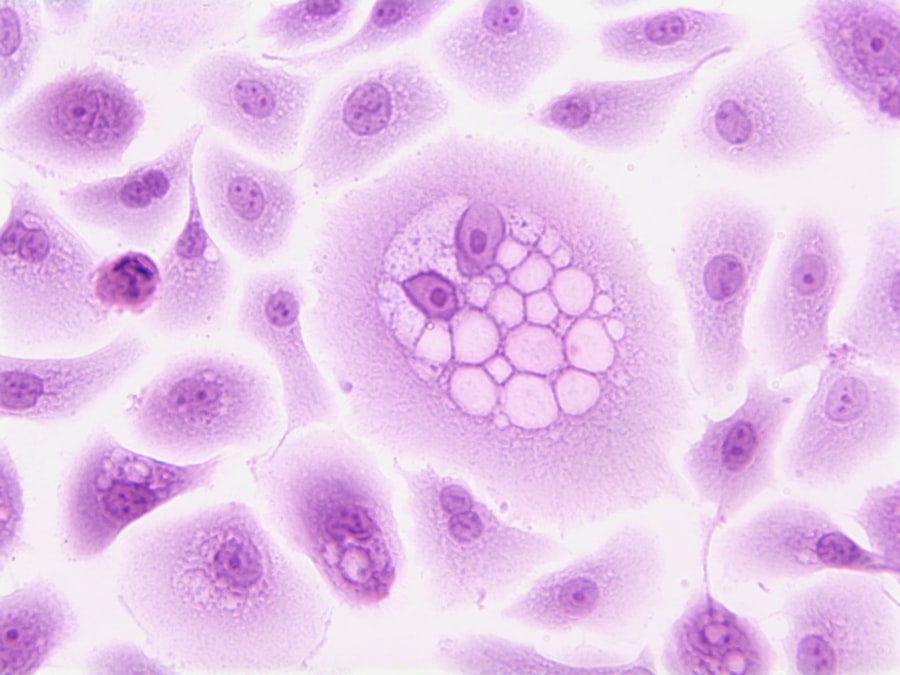
Cellular communication is a fundamental aspect of cellular medicine that underpins how cells interact with one another and respond to their environment. Cells communicate through a complex network of signaling pathways that involve the release of chemical messengers known as cytokines, hormones, and neurotransmitters. These signals can influence a wide range of cellular processes, including growth, differentiation, and apoptosis (programmed cell death).
Understanding these signaling mechanisms is crucial for developing effective therapies that can modulate cellular behavior. One prominent example of cellular signaling in action is the role of growth factors in tissue repair. When an injury occurs, damaged cells release growth factors that attract stem cells to the site of injury.
These stem cells then proliferate and differentiate into the necessary cell types to facilitate healing. Researchers are exploring ways to enhance this natural process by developing therapies that can amplify these signaling pathways or provide exogenous growth factors to accelerate recovery. By manipulating cellular communication, scientists aim to create targeted treatments that can improve outcomes for patients suffering from various ailments.
Harnessing the Power of Cellular Regeneration
The concept of cellular regeneration is at the heart of cellular medicine, emphasizing the body’s innate ability to repair and regenerate tissues. This regenerative capacity varies significantly among different cell types and organisms; for instance, certain species like salamanders can regenerate entire limbs, while humans have a more limited regenerative ability. However, recent research has shown that it is possible to stimulate regeneration in humans through various interventions.
One promising approach involves the use of biomaterials and scaffolds that provide a supportive environment for cell growth and tissue formation. These materials can be engineered to mimic the extracellular matrix (ECM), which is crucial for cell adhesion and signaling. By combining stem cells with these scaffolds, researchers have successfully created functional tissues in vitro that can be implanted into patients to repair damaged organs or tissues.
This strategy not only enhances the regenerative process but also reduces the risk of rejection by the immune system.
Applications of Cellular Medicine in Disease Treatment
| Metric | Description | Value/Example |
|---|---|---|
| Cell Type | Classification of cells based on function and structure | Neurons, Epithelial cells, Muscle cells |
| Cell Size | Average diameter of typical human cells | 10-30 micrometers |
| Cell Count | Estimated number of cells in the human body | Approximately 37.2 trillion |
| Histology | Study of the microscopic structure of tissues | Light microscopy, staining techniques |
| Cytology | Study of individual cell structure and function | Cell morphology, cell cycle analysis |
| Cell Cycle Phases | Stages of cell division and replication | G1, S, G2, M |
| Common Stains | Techniques used to visualize cells under microscope | Hematoxylin & Eosin (H&E), Wright’s stain |
| Medical Term | Term for the study of cells | Histology, Cytology |
The applications of cellular medicine span a wide range of diseases and conditions, showcasing its versatility as a therapeutic approach. One notable area is regenerative medicine, which focuses on repairing or replacing damaged tissues and organs. For example, cellular therapies are being developed for conditions such as heart disease, where damaged cardiac tissue can be regenerated using stem cells derived from the patient’s own body or from donor sources.
Clinical trials have demonstrated promising results in improving heart function and reducing symptoms in patients with heart failure. Another significant application is in the treatment of neurodegenerative diseases like Parkinson’s disease and Alzheimer’s disease. Researchers are investigating the potential of stem cell therapy to replace lost neurons or support existing ones through neuroprotective mechanisms.
In Parkinson’s disease, for instance, dopaminergic neurons are selectively targeted for replacement using induced pluripotent stem cells (iPSCs), which can be generated from a patient’s own skin cells. This personalized approach not only minimizes the risk of immune rejection but also holds promise for restoring motor function in affected individuals.
The Future of Cellular Medicine: Innovations and Breakthroughs
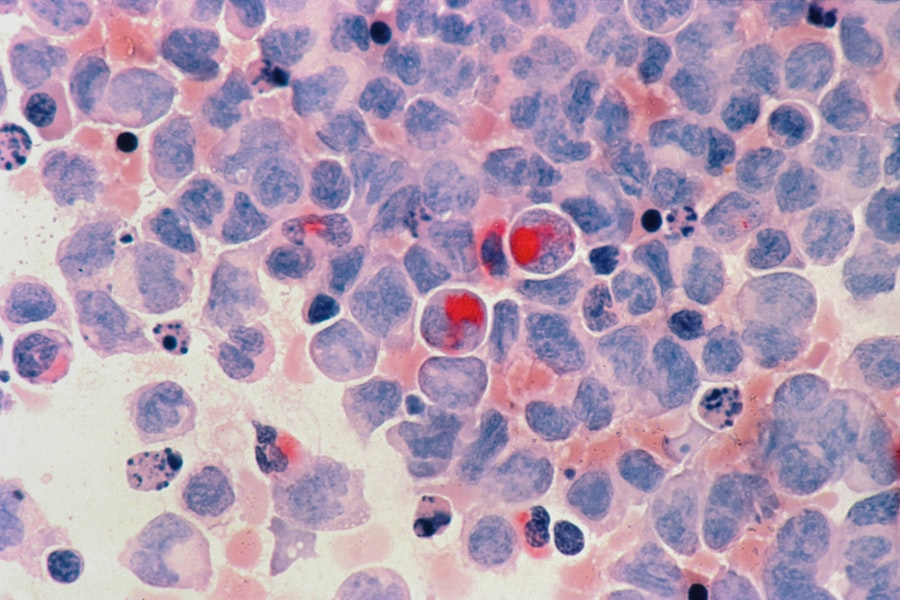
As we look toward the future of cellular medicine, several innovations are poised to revolutionize the field further. One such advancement is the development of gene editing technologies like CRISPR-Cas9, which allows for precise modifications to an organism’s DNThis technology has immense potential in correcting genetic disorders at their source by targeting specific genes responsible for disease pathology. Researchers are exploring its application in conditions such as sickle cell anemia and cystic fibrosis, where correcting genetic mutations could lead to permanent cures.
Additionally, advancements in 3D bioprinting technology are enabling scientists to create complex tissue structures that closely mimic natural organs. By layering living cells with biomaterials, researchers can fabricate tissues that possess functional properties suitable for transplantation or drug testing. This innovation not only enhances our understanding of tissue development but also paves the way for personalized medicine approaches where patient-specific tissues can be created for therapeutic use.
Ethical Considerations in Cellular Medicine Research
The rapid advancements in cellular medicine raise important ethical considerations that must be addressed as research progresses. One major concern revolves around the use of embryonic stem cells, which involves ethical dilemmas related to the destruction of embryos during the extraction process. This has sparked significant debate among scientists, ethicists, and policymakers regarding the moral status of embryos and the implications for research funding and regulation.
Moreover, as gene editing technologies become more accessible, questions arise about the potential for “designer babies” or unintended consequences resulting from genetic modifications. The prospect of altering human DNA raises concerns about equity, consent, and long-term effects on future generations. Establishing ethical guidelines and regulatory frameworks will be essential to ensure responsible research practices while fostering innovation in cellular medicine.
Integrating Cellular Medicine into Mainstream Healthcare
The integration of cellular medicine into mainstream healthcare presents both opportunities and challenges. As clinical applications continue to expand, healthcare systems must adapt to accommodate these novel therapies. This includes training healthcare professionals in new techniques and ensuring that regulatory pathways are established for safe and effective treatments.
Furthermore, public awareness and education about cellular medicine are crucial for fostering acceptance among patients and healthcare providers alike. As more individuals become informed about the potential benefits and risks associated with cellular therapies, they will be better equipped to make informed decisions about their healthcare options. Collaborative efforts between researchers, clinicians, policymakers, and patient advocacy groups will be vital in shaping a future where cellular medicine becomes an integral part of comprehensive healthcare strategies.
In conclusion, cellular medicine stands at the forefront of medical innovation, offering unprecedented opportunities for healing and regeneration through an understanding of cellular biology. As research continues to evolve, it is imperative that we navigate the ethical landscape thoughtfully while striving to integrate these advancements into everyday healthcare practices effectively. The journey ahead promises not only to enhance our understanding of human health but also to redefine what is possible in medical treatment.
