
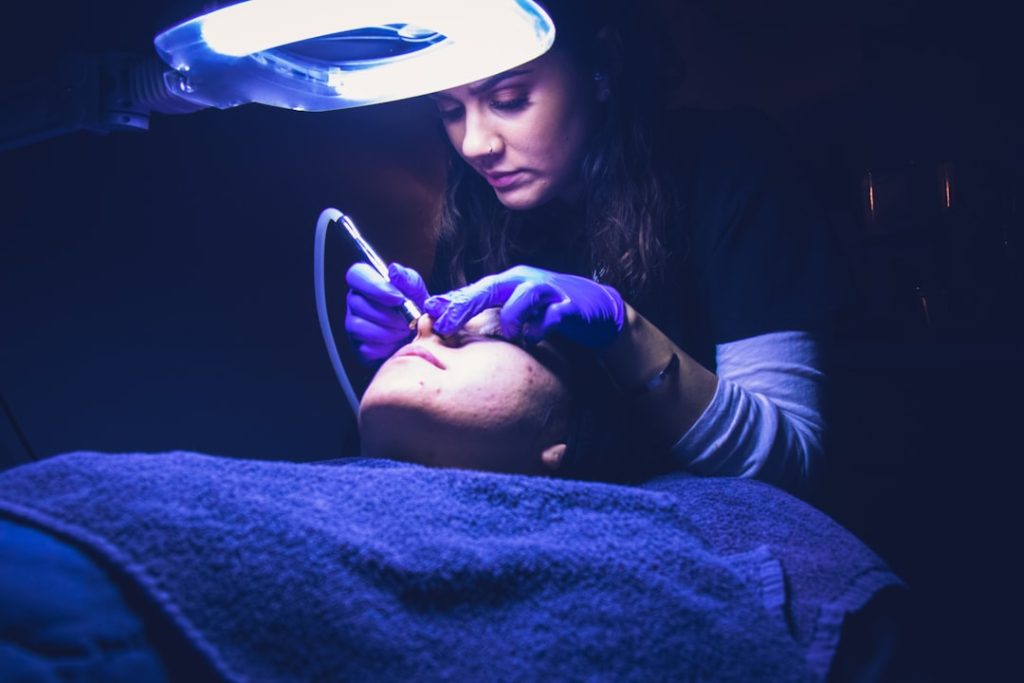
Medical Beauty Research (MBR) has emerged as a distinct field at the convergence of medicine and cosmetics, focusing on the scientific investigation of beauty products and treatments through evidence-based methodologies. This discipline emphasizes the systematic evaluation of product efficacy and safety profiles using controlled research protocols. The development of MBR stems from evolving consumer preferences toward products that demonstrate both aesthetic enhancement and dermatological benefits.
Contemporary consumers increasingly scrutinize ingredient compositions and seek formulations supported by peer-reviewed research rather than relying solely on promotional materials. This trend has driven increased investment in clinical studies and laboratory testing to substantiate product claims. Social media platforms, particularly Instagram and TikTok, have accelerated the dissemination of beauty trends and product awareness.

While these platforms facilitate rapid trend adoption, they have simultaneously cultivated more analytical consumer behavior. Users increasingly evaluate the scientific foundation underlying popular products and treatments, contributing to heightened demand for research-validated cosmetic solutions. This consumer evolution has established evidence-based product development as a standard practice within the beauty industry, replacing traditional marketing-focused approaches with scientifically rigorous methodologies.
Key Takeaways
- Medical Beauty Research (MBR) is rapidly advancing, combining science and skincare for enhanced beauty solutions.
- Understanding the scientific principles behind MBR helps in developing effective skin health treatments.
- Clinical studies play a crucial role in validating the safety and efficacy of MBR products.
- Integrating MBR innovations into daily routines can significantly improve skin health and appearance.
- Ethical considerations are essential to ensure MBR advancements are safe, effective, and responsibly developed.
Understanding the Science Behind MBR

At the core of Medical Beauty Research lies a commitment to understanding the biological mechanisms that underpin skin health and beauty. This involves a multidisciplinary approach that incorporates dermatology, biochemistry, pharmacology, and even psychology. Researchers delve into how various ingredients interact with skin cells, influence cellular processes, and ultimately affect the skin’s appearance and health.
For instance, studies have shown that antioxidants like vitamin C can neutralize free radicals, thereby reducing oxidative stress and promoting a more youthful complexion. Such insights are crucial for developing effective skincare formulations that address specific concerns such as aging, hyperpigmentation, and acne. Moreover, MBR emphasizes the importance of clinical trials in establishing the safety and efficacy of beauty products.
These trials often involve rigorous testing protocols that assess how a product performs under controlled conditions. For example, a new anti-aging cream may undergo a double-blind study where participants are randomly assigned to receive either the cream or a placebo. By measuring outcomes such as wrinkle depth or skin hydration levels over time, researchers can draw meaningful conclusions about the product’s effectiveness.
This scientific rigor not only enhances consumer trust but also elevates the standards within the beauty industry.
The Benefits of MBR for Skin Health and Beauty
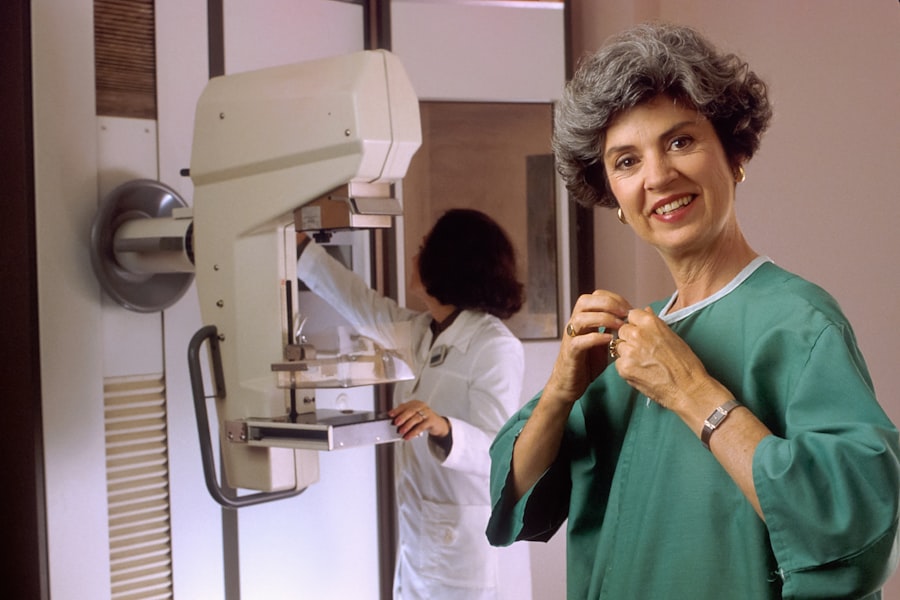
The benefits of Medical Beauty Research extend far beyond mere aesthetics; they encompass a holistic approach to skin health that prioritizes safety and efficacy. One of the most significant advantages is the development of targeted treatments that address specific skin concerns. For instance, individuals suffering from conditions like rosacea or eczema can benefit from products formulated with active ingredients that have been clinically proven to alleviate symptoms.
This tailored approach ensures that consumers are not just applying generic solutions but are instead using products designed to meet their unique needs. Additionally, MBR fosters innovation in ingredient formulation and delivery systems. Advances in technology have led to the creation of novel compounds that enhance the penetration and effectiveness of active ingredients.
For example, liposomal delivery systems can encapsulate vitamins and peptides, allowing them to penetrate deeper into the skin layers for maximum impact. Such innovations not only improve product performance but also contribute to overall skin health by ensuring that beneficial ingredients reach their intended targets. As a result, consumers can experience visible improvements in their skin’s texture, tone, and overall appearance.
Exploring the Latest Innovations in MBR
The landscape of Medical Beauty Research is continually evolving, with new innovations emerging at a rapid pace. One notable trend is the rise of personalized skincare solutions driven by advancements in genetic testing and artificial intelligence. Companies are now able to analyze an individual’s genetic makeup to identify specific skin concerns and recommend tailored products accordingly.
This level of customization represents a significant leap forward in skincare, as it allows for a more precise approach to addressing issues such as sensitivity or predisposition to certain conditions. Another exciting development in MBR is the exploration of microbiome-friendly products. Research has revealed that the skin’s microbiome plays a crucial role in maintaining its health and appearance.
Disruptions to this delicate balance can lead to various skin issues, including acne and inflammation. As a result, brands are increasingly formulating products that support and nurture the skin’s natural microbiome. Ingredients such as prebiotics and probiotics are being incorporated into formulations to promote a healthy skin barrier and enhance overall skin vitality.
The Role of Clinical Studies in Validating MBR Products
| Metric | Description | Value | Unit | Source |
|---|---|---|---|---|
| Market Size | Global medical beauty research market size in 2023 | 12.5 | Billion USD | Industry Report 2023 |
| Annual Growth Rate | Compound annual growth rate (CAGR) from 2020 to 2025 | 8.3 | % | Market Analysis 2023 |
| Top Research Areas | Leading focus areas in medical beauty research | Anti-aging, Skin Regeneration, Laser Therapy | Categories | Research Publications 2023 |
| Number of Clinical Trials | Ongoing clinical trials related to medical beauty | 150 | Trials | ClinicalTrials.gov |
| Key Technologies | Technologies driving innovation in medical beauty research | Stem Cell Therapy, Nanotechnology, AI Diagnostics | Technologies | Tech Review 2023 |
Clinical studies serve as the backbone of Medical Beauty Research, providing essential data that validates product claims and ensures consumer safety. These studies are meticulously designed to assess various aspects of a product’s performance, including its efficacy, safety profile, and potential side effects. Regulatory bodies often require such studies before granting approval for new skincare products, underscoring their importance in maintaining industry standards.
For instance, when a new anti-aging serum is introduced to the market, it typically undergoes several phases of clinical trials. Phase I may focus on safety assessments with a small group of participants, while Phase II expands the study to evaluate efficacy over a longer duration. Phase III trials often involve larger populations and aim to confirm findings from earlier phases while monitoring for any adverse reactions.
The results from these studies not only inform consumers but also guide manufacturers in refining their formulations based on empirical evidence.
Integrating MBR into Skincare and Beauty Routines

As Medical Beauty Research continues to shape the beauty landscape, integrating its principles into daily skincare routines becomes increasingly important for consumers seeking optimal results. Understanding one’s skin type and specific concerns is crucial for selecting appropriate products backed by scientific research. For example, individuals with oily or acne-prone skin may benefit from lightweight formulations containing salicylic acid or niacinamide, both of which have been shown to reduce breakouts effectively.
Moreover, incorporating MBR principles into beauty routines encourages consumers to adopt a more informed approach to their skincare choices. This includes being aware of ingredient lists and understanding how different components work synergistically to enhance skin health. For instance, layering products with complementary ingredients—such as using a vitamin C serum followed by a sunscreen—can maximize benefits while providing comprehensive protection against environmental stressors.
By prioritizing research-backed products and practices, individuals can cultivate healthier skin while enjoying the aesthetic benefits associated with effective beauty treatments.
The Future of MBR: Potential Breakthroughs and Advancements
Looking ahead, the future of Medical Beauty Research holds immense promise for groundbreaking advancements that could revolutionize skincare and beauty practices. One area ripe for exploration is regenerative medicine, particularly in relation to stem cell therapy and tissue engineering. Researchers are investigating how stem cells can be harnessed to repair damaged skin or stimulate collagen production, potentially offering solutions for conditions like scarring or severe aging.
Additionally, advancements in nanotechnology may pave the way for more effective delivery systems that enhance ingredient absorption at the cellular level. By utilizing nanoparticles to encapsulate active compounds, researchers could develop formulations that deliver potent ingredients directly where they are needed most—within the deeper layers of the skin. Such innovations could lead to more effective treatments for various skin concerns while minimizing potential side effects associated with traditional topical applications.
Ethical Considerations in MBR: Ensuring Safety and Efficacy
As Medical Beauty Research continues to expand its influence within the beauty industry, ethical considerations surrounding safety and efficacy must remain at the forefront of discussions. The pressure to innovate quickly can sometimes lead to shortcuts in research or inadequate testing protocols, which may compromise consumer safety. It is imperative for companies engaged in MBR to adhere strictly to ethical guidelines and regulatory standards throughout their research processes.
Transparency is another critical ethical consideration in MBR. Consumers deserve access to clear information regarding product formulations, testing methodologies, and potential risks associated with use. Brands that prioritize transparency not only build trust with their customers but also contribute to an informed consumer base capable of making educated choices about their skincare regimens.
By fostering an environment where ethical practices are prioritized alongside scientific advancement, the beauty industry can ensure that Medical Beauty Research continues to thrive while safeguarding consumer well-being.
