
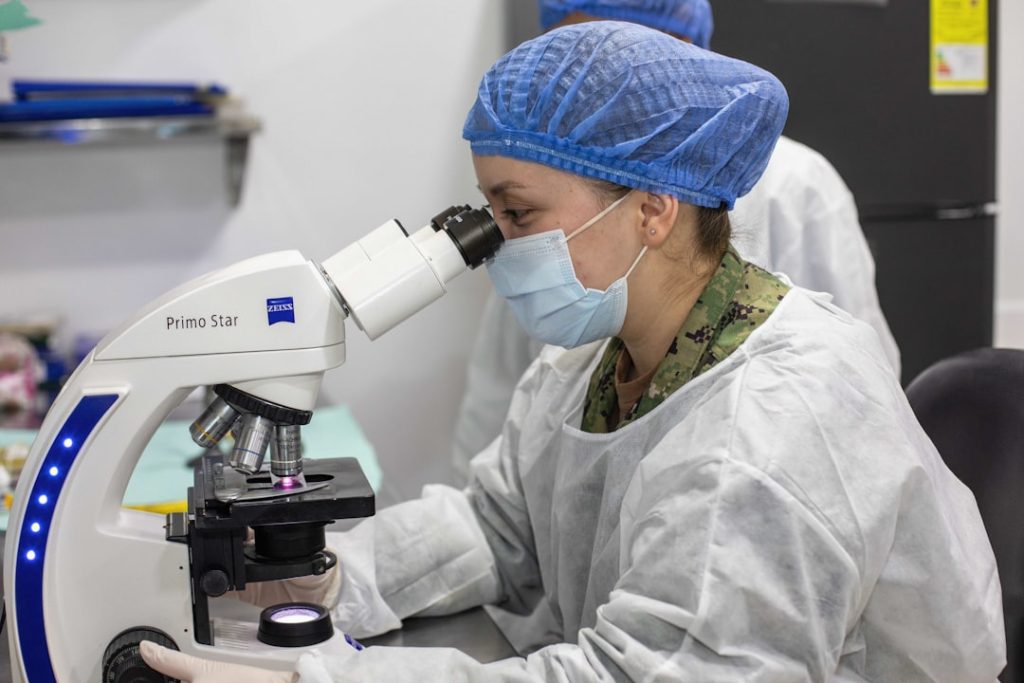
Richards Laboratories is a biomedical research and pharmaceutical development company established in the early 2000s. The organization conducts research focused on therapeutic discovery and development, employing research methodologies across multiple scientific disciplines including molecular biology, pharmacology, and bioinformatics. The laboratory operates advanced research facilities and maintains collaborative relationships with scientists, clinicians, and industry partners.
Richards Laboratories conducts research on various health conditions and works to translate research findings into clinical applications. The company’s research activities span from basic scientific investigation to the development of potential therapeutic treatments. The organization’s multidisciplinary approach allows researchers to examine complex diseases from multiple scientific perspectives.

Richards Laboratories contributes to the broader scientific research community through its research publications and collaborative partnerships within the biomedical field.
Key Takeaways
- Richards Laboratories utilizes advanced technology to drive medical research and innovation.
- The lab has made significant breakthroughs in treating various diseases.
- Collaboration with top research institutions enhances the quality and reach of their studies.
- Their work has a positive impact on public health outcomes globally.
- Ethical considerations are integral to their research practices and future developments.
Cutting-edge Technology and Equipment

At the heart of Richards Laboratories’ success is its investment in cutting-edge technology and equipment. The laboratory boasts an array of sophisticated instruments that enable researchers to conduct high-throughput screening, genomic sequencing, and advanced imaging techniques. For instance, the use of next-generation sequencing (NGS) has revolutionized the way genetic information is analyzed, allowing scientists to identify mutations associated with various diseases more efficiently than ever before.
This technology not only accelerates the pace of discovery but also enhances the accuracy of diagnostic tools. Moreover, Richards Laboratories employs artificial intelligence (AI) and machine learning algorithms to analyze vast datasets generated from experiments. These technologies assist researchers in identifying patterns and correlations that may not be immediately apparent through traditional analysis methods.
By harnessing the power of AI, the laboratory can streamline drug discovery processes, predict potential therapeutic targets, and optimize clinical trial designs. This integration of technology into research practices exemplifies Richards Laboratories’ commitment to remaining at the forefront of scientific advancement.
Breakthroughs in Disease Treatment

Richards Laboratories has made significant strides in developing treatments for a variety of diseases, particularly those that have historically posed challenges to medical science. One notable breakthrough is the development of a novel immunotherapy for certain types of cancer. By harnessing the body’s immune system to target and destroy cancer cells, this therapy has shown promising results in clinical trials, leading to improved survival rates for patients with previously untreatable tumors.
The laboratory’s research team meticulously studied the tumor microenvironment and identified specific immune checkpoints that could be targeted to enhance the efficacy of existing treatments. In addition to cancer therapies, Richards Laboratories has also focused on neurodegenerative diseases such as Alzheimer’s and Parkinson’s. Through extensive research into the underlying mechanisms of these conditions, scientists at the laboratory have identified potential biomarkers that could lead to earlier diagnosis and more effective treatment options.
For example, their work on tau protein aggregation has opened new avenues for therapeutic intervention, with several compounds currently undergoing preclinical testing. These breakthroughs not only represent significant advancements in treatment options but also provide hope for patients and their families who are affected by these debilitating diseases.
Collaboration with Leading Research Institutions
Collaboration is a cornerstone of Richards Laboratories’ approach to research and development. The laboratory actively partners with leading academic institutions, government agencies, and industry stakeholders to leverage collective expertise and resources. These collaborations often result in joint research initiatives that address complex health challenges from multiple angles.
For instance, a partnership with a renowned university’s neuroscience department has led to groundbreaking studies on synaptic plasticity and its implications for cognitive function in aging populations. Furthermore, Richards Laboratories participates in global consortia aimed at tackling infectious diseases such as HIV/AIDS and tuberculosis. By pooling resources and knowledge with other research entities, the laboratory contributes to large-scale studies that can yield more comprehensive insights into disease mechanisms and treatment strategies.
This collaborative spirit not only accelerates the pace of discovery but also fosters an environment where innovative ideas can thrive, ultimately benefiting public health on a broader scale.
Impact on Public Health
| Metric | Value | Details |
|---|---|---|
| Year Established | 1985 | Founded to advance medical research and diagnostics |
| Number of Employees | 150 | Includes researchers, technicians, and administrative staff |
| Research Focus Areas | Oncology, Neurology, Infectious Diseases | Key areas of ongoing research projects |
| Annual Research Publications | 45 | Peer-reviewed articles published per year |
| Laboratory Facilities | 5 | Specialized labs for molecular biology, pathology, etc. |
| Clinical Trials Conducted | 12 | Number of active clinical trials in progress |
| Collaborations | 10 | Partnerships with universities and hospitals |
The work conducted at Richards Laboratories has far-reaching implications for public health. By developing new therapies and diagnostic tools, the laboratory plays a crucial role in addressing unmet medical needs and improving health outcomes for diverse populations. For example, their advancements in personalized medicine have paved the way for treatments tailored to individual patients based on their genetic profiles.
This approach not only enhances treatment efficacy but also minimizes adverse effects, leading to better overall patient experiences. Moreover, Richards Laboratories is committed to disseminating its research findings to inform public health policies and practices. The laboratory collaborates with health organizations to translate scientific discoveries into actionable strategies that can be implemented at the community level.
This includes educational initiatives aimed at raising awareness about disease prevention and management, as well as advocating for policies that support access to innovative treatments. By bridging the gap between research and public health practice, Richards Laboratories contributes to a healthier society.
Future Directions and Potential Discoveries
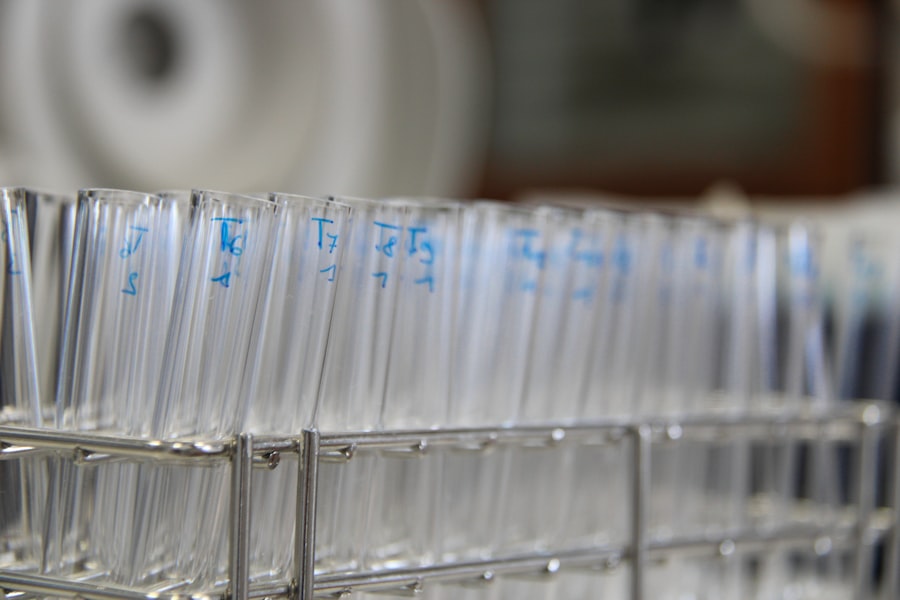
Looking ahead, Richards Laboratories is poised to continue its trajectory of innovation and discovery. The laboratory is exploring several promising avenues for future research, including gene editing technologies such as CRISPR-Cas9. This revolutionary tool has the potential to correct genetic mutations responsible for hereditary diseases, offering hope for conditions that currently lack effective treatments.
Ongoing studies aim to refine these techniques to ensure their safety and efficacy before moving into clinical applications. Additionally, Richards Laboratories is investigating the potential of regenerative medicine, particularly stem cell therapy, as a means to repair damaged tissues and organs. By harnessing the body’s natural healing processes, researchers hope to develop therapies that can restore function in conditions such as heart disease or spinal cord injuries.
The intersection of biotechnology and regenerative medicine represents an exciting frontier that could redefine treatment paradigms across various medical disciplines.
Success Stories and Clinical Trials
Richards Laboratories has a robust portfolio of success stories stemming from its clinical trials. One notable example is the development of a groundbreaking antiviral drug that demonstrated remarkable efficacy against a novel strain of influenza during recent outbreaks. The drug underwent rigorous testing phases, including Phase I safety trials and Phase II efficacy trials, before receiving regulatory approval for widespread use.
This success not only highlights the laboratory’s commitment to addressing urgent public health threats but also underscores its ability to translate research into real-world solutions. Another success story involves a novel treatment for autoimmune disorders that emerged from collaborative research efforts with external partners. After extensive preclinical studies demonstrating its safety profile, the therapy entered Phase III clinical trials, where it showed significant improvements in patient outcomes compared to existing treatments.
These achievements reflect Richards Laboratories’ dedication to advancing medical science while prioritizing patient safety and well-being throughout the research process.
Ethical Considerations in Medical Research
As Richards Laboratories continues to push the boundaries of scientific discovery, it remains acutely aware of the ethical considerations inherent in medical research. The laboratory adheres to strict ethical guidelines governing human subject research, ensuring that all clinical trials are conducted with informed consent and transparency. This commitment extends beyond compliance; it reflects a deep-seated belief in the importance of protecting participants’ rights and welfare throughout the research process.
Moreover, Richards Laboratories actively engages in discussions surrounding ethical dilemmas related to emerging technologies such as gene editing and artificial intelligence in healthcare. The laboratory recognizes that while these innovations hold tremendous potential for improving patient care, they also raise complex ethical questions regarding equity, access, and long-term implications for society. By fostering an ongoing dialogue about these issues within the scientific community and beyond, Richards Laboratories aims to navigate the ethical landscape responsibly while continuing its mission to advance human health through innovative research.
