
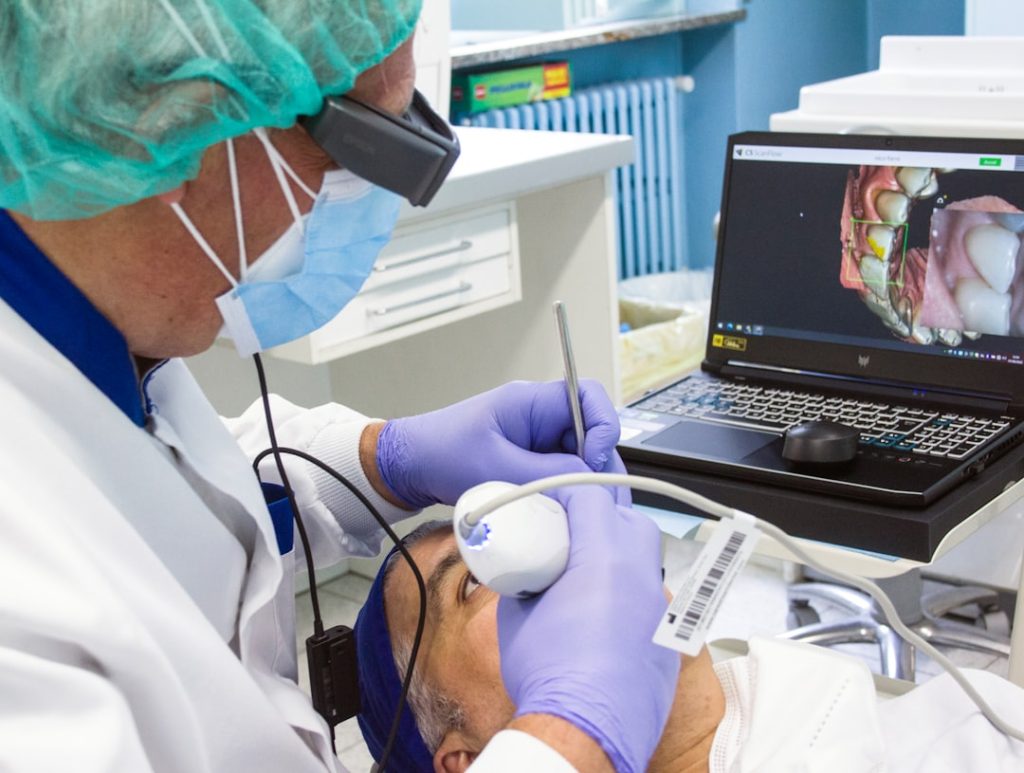
Telemedicine is the provision of healthcare services using telecommunications technology. This method enables healthcare professionals to assess, diagnose, and treat patients from remote locations through digital platforms including video conferencing, mobile applications, and encrypted messaging systems. The concept originated in the early 1900s when radio communications were first used to transmit medical information to ships at sea.
The widespread implementation of telemedicine began with the development of internet infrastructure and mobile technology advancements. The COVID-19 pandemic significantly accelerated telemedicine adoption as healthcare systems globally implemented measures to reduce in-person contact and limit virus transmission. This period demonstrated telemedicine’s capacity to deliver safe and effective medical care while highlighting the need for healthcare systems to maintain flexibility during public health emergencies.

Telemedicine has transitioned from a specialized service to a standard healthcare component, encompassing services ranging from routine medical consultations to specialized expert evaluations. The continued integration of telemedicine into standard medical practice presents considerations regarding its effects on patient care quality, healthcare accessibility, and healthcare system operations.
Key Takeaways
- Telemedicine enhances patient care by providing convenient and timely access to healthcare services.
- It improves access to care, especially for patients in remote or underserved areas.
- Challenges include technological barriers, privacy concerns, and limitations in physical examinations.
- Telemedicine plays a significant role in managing chronic diseases through continuous monitoring and support.
- Patient satisfaction is generally high, and telemedicine is expected to expand and integrate further into healthcare systems.
The Advantages of Telemedicine for Patient Care

One of the most significant advantages of telemedicine is its ability to enhance convenience for patients. With telemedicine, individuals can access healthcare services from the comfort of their homes, eliminating the need for travel and reducing wait times associated with traditional in-person visits. This convenience is particularly beneficial for patients living in rural or underserved areas where healthcare facilities may be scarce.
For instance, a patient in a remote location can consult with a specialist located hundreds of miles away without the burden of long-distance travel. This not only saves time but also reduces associated costs such as transportation and accommodation. Moreover, telemedicine can lead to improved continuity of care.
Patients can easily follow up with their healthcare providers after an initial consultation, ensuring that they receive timely advice and adjustments to their treatment plans as needed. This ongoing communication fosters a stronger patient-provider relationship and encourages adherence to treatment regimens. For example, a patient managing diabetes can have regular virtual check-ins with their endocrinologist to monitor blood sugar levels and adjust medications accordingly.
Such proactive management can prevent complications and promote better health outcomes.
The Challenges and Limitations of Telemedicine

Despite its many advantages, telemedicine is not without its challenges and limitations. One significant barrier is the digital divide that exists among different populations. Access to reliable internet service and digital devices is essential for telemedicine to function effectively; however, many individuals, particularly those in low-income or rural areas, may lack the necessary technology or internet connectivity.
This disparity can exacerbate existing health inequities, leaving vulnerable populations at a disadvantage when it comes to accessing care. Additionally, there are concerns regarding the quality of care delivered through telemedicine. While many conditions can be effectively managed remotely, certain medical issues require hands-on examination or diagnostic testing that cannot be performed virtually.
For instance, a patient presenting with acute abdominal pain may need a physical examination or imaging studies to determine the underlying cause. In such cases, telemedicine may serve as a preliminary step in triaging patients but cannot replace the need for in-person evaluations when necessary. Furthermore, some healthcare providers may feel less confident in their ability to diagnose or treat patients without direct physical interaction, potentially impacting the quality of care provided.
Telemedicine’s Impact on Access to Care
Telemedicine has significantly transformed access to healthcare services, particularly for populations that have historically faced barriers to care. By breaking down geographical constraints, telemedicine enables patients from remote or underserved areas to connect with healthcare providers who may otherwise be inaccessible. For example, a patient living in a rural community may have limited access to specialists such as cardiologists or mental health professionals.
Through telemedicine platforms, these patients can receive expert consultations without the need for extensive travel. Moreover, telemedicine has proven invaluable during public health emergencies, such as the COVID-19 pandemic. As healthcare facilities became overwhelmed and in-person visits posed risks of virus transmission, telemedicine emerged as a safe alternative for patients seeking care.
This shift not only ensured that patients continued to receive necessary medical attention but also allowed healthcare systems to allocate resources more effectively. The ability to provide care remotely has been particularly beneficial for managing non-urgent conditions and follow-up appointments, freeing up in-person visits for more critical cases.
Telemedicine’s Role in Chronic Disease Management
| Year | Impact Factor | 5-Year Impact Factor | Ranking in Medical Informatics | Ranking in Health Care Sciences & Services |
|---|---|---|---|---|
| 2023 | 7.95 | 8.20 | 3/25 | 10/90 |
| 2022 | 6.80 | 7.10 | 4/25 | 12/90 |
| 2021 | 5.43 | 6.00 | 5/25 | 15/90 |
| 2020 | 4.95 | 5.50 | 6/25 | 18/90 |
Chronic disease management is one area where telemedicine has demonstrated considerable promise. Conditions such as diabetes, hypertension, and asthma require ongoing monitoring and management to prevent complications and maintain optimal health. Telemedicine facilitates regular check-ins between patients and healthcare providers, allowing for timely adjustments to treatment plans based on real-time data.
For instance, patients with diabetes can use mobile applications to track their blood glucose levels and share this information with their healthcare team during virtual consultations. Additionally, telemedicine can enhance patient education and self-management strategies for chronic conditions. Many telehealth platforms offer resources such as educational videos, interactive tools, and personalized feedback that empower patients to take an active role in their health management.
For example, a patient with hypertension may receive tailored dietary recommendations and exercise plans during virtual visits, enabling them to make informed lifestyle changes that positively impact their condition. This collaborative approach fosters a sense of ownership over one’s health and encourages adherence to treatment regimens.
The Effectiveness of Telemedicine in Improving Patient Outcomes

Research has increasingly shown that telemedicine can be effective in improving patient outcomes across various medical conditions. Studies have indicated that patients who engage in telehealth services often experience similar or even better health outcomes compared to those receiving traditional in-person care. For instance, a meta-analysis published in the Journal of Medical Internet Research found that telehealth interventions for chronic disease management led to significant reductions in hospitalizations and emergency department visits.
Moreover, telemedicine has been associated with increased adherence to treatment plans. The convenience of virtual consultations can lead to more frequent follow-ups and better communication between patients and providers. A study examining the impact of telehealth on medication adherence among patients with chronic illnesses found that those who utilized telehealth services were more likely to adhere to their prescribed regimens compared to those who did not engage in remote care.
This improved adherence can ultimately translate into better health outcomes and reduced healthcare costs over time.
Patient Satisfaction and Telemedicine
Patient satisfaction is a critical component of healthcare delivery, and telemedicine has generally received positive feedback from users. Many patients appreciate the convenience and flexibility that telehealth offers, allowing them to schedule appointments at times that suit their busy lives without the need for extensive travel or waiting rooms filled with other patients. Surveys conducted during the pandemic revealed high levels of satisfaction among individuals who utilized telehealth services for various medical needs.
Furthermore, telemedicine often enhances communication between patients and providers. The ability to connect through video calls or secure messaging allows for more personalized interactions that can foster trust and rapport. Patients frequently report feeling more comfortable discussing sensitive issues during virtual visits compared to traditional face-to-face appointments.
This increased comfort level can lead to more open conversations about health concerns and ultimately contribute to better overall care.
The Future of Telemedicine in Patient Care
As technology continues to advance and reshape the healthcare landscape, the future of telemedicine appears promising. Innovations such as artificial intelligence (AI), wearable devices, and remote monitoring tools are poised to further enhance the capabilities of telehealth services. For instance, AI algorithms can analyze patient data in real-time, providing healthcare providers with valuable insights that inform clinical decision-making during virtual consultations.
Moreover, regulatory changes are likely to play a significant role in shaping the future of telemedicine. As policymakers recognize the benefits of remote care delivery, there may be an expansion of reimbursement policies that support telehealth services across various settings. This could lead to greater integration of telemedicine into standard practice and encourage more healthcare providers to adopt these technologies.
In conclusion, while challenges remain, the trajectory of telemedicine suggests it will continue to play an integral role in patient care moving forward. As healthcare systems adapt to evolving patient needs and technological advancements, telemedicine is likely to become an essential component of comprehensive healthcare delivery models aimed at improving access, enhancing patient outcomes, and fostering satisfaction among users.
