
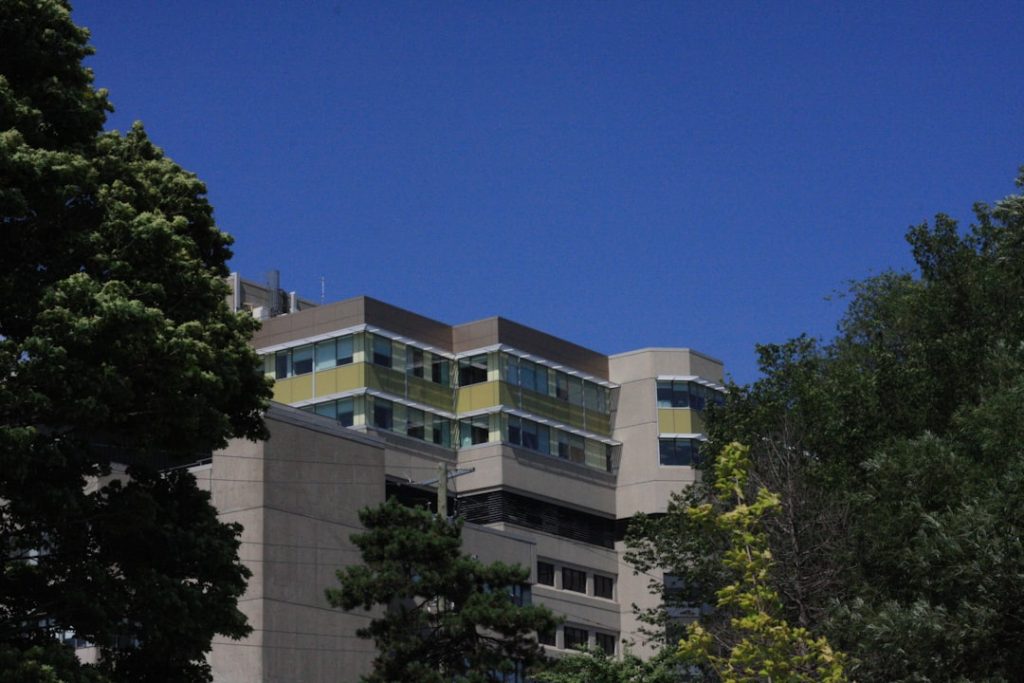
The Janelia Research Campus, established by the Howard Hughes Medical Institute (HHMI) in 2006, stands as a beacon of innovation and scientific inquiry in the field of neuroscience. Nestled in Ashburn, Virginia, this state-of-the-art facility is dedicated to understanding the complexities of the brain and the underlying mechanisms of behavior. The campus was designed not only as a research hub but also as a collaborative environment that fosters interdisciplinary approaches to scientific challenges.
With its unique architecture and commitment to cutting-edge research, Janelia has become a pivotal player in advancing our understanding of neural circuits and their functions. At Janelia, the emphasis is placed on high-risk, high-reward research that pushes the boundaries of traditional neuroscience. The campus is home to a diverse group of scientists, engineers, and support staff who work together to tackle some of the most pressing questions in the field.

This collaborative spirit is reflected in the campus’s layout, which encourages interaction among researchers from various disciplines. The vision behind Janelia is not merely to conduct research but to create an environment where groundbreaking ideas can flourish, ultimately leading to transformative discoveries in neuroscience.
Key Takeaways
- Janelia Research Campus is a leading center dedicated to innovative neuroscience research.
- The campus features state-of-the-art facilities that support advanced scientific investigations.
- Janelia fosters a collaborative environment encouraging interdisciplinary teamwork.
- Research at Janelia has significantly advanced understanding of brain function and neural circuits.
- The campus actively engages in outreach and education to inspire future neuroscientists.
Cutting-edge Research in Neuroscience

Janelia Research Campus is renowned for its pioneering research in neuroscience, particularly in the areas of neural circuit mapping and understanding brain function. Researchers at Janelia employ advanced imaging techniques, such as two-photon microscopy, to visualize neural activity in real-time. This technology allows scientists to observe how neurons communicate with one another and how these interactions give rise to complex behaviors.
For instance, studies on the visual system have revealed intricate pathways through which sensory information is processed, shedding light on how organisms perceive their environment. Moreover, Janelia’s research extends beyond basic neuroscience; it also delves into the genetic and molecular underpinnings of neural function. By utilizing cutting-edge genetic tools like CRISPR and optogenetics, researchers can manipulate specific genes or neuronal populations to observe the effects on behavior and cognition.
This approach has led to significant insights into disorders such as autism and schizophrenia, where disruptions in neural circuits may contribute to behavioral abnormalities. The integration of these advanced methodologies positions Janelia at the forefront of neuroscience research, enabling scientists to explore questions that were previously deemed unapproachable.
State-of-the-Art Facilities at Janelia
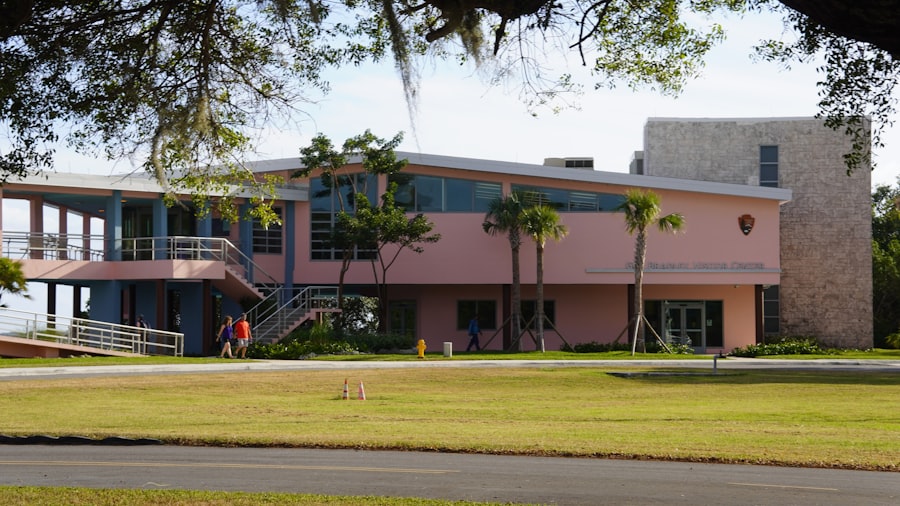
The facilities at Janelia Research Campus are designed to support the ambitious research goals of its scientists. The campus features a range of specialized laboratories equipped with the latest technology for imaging, electrophysiology, and molecular biology. One of the standout features is the advanced imaging center, which houses multiple high-resolution microscopes capable of capturing dynamic processes within living tissues.
This facility not only enhances the quality of research but also attracts top-tier scientists who are eager to utilize these resources. In addition to imaging capabilities, Janelia boasts a robust engineering department that collaborates closely with neuroscientists to develop novel tools and technologies. This includes custom-built devices for recording neural activity and innovative software for data analysis.
The synergy between engineering and neuroscience at Janelia exemplifies a holistic approach to research, where technological advancements directly inform scientific inquiry. Such state-of-the-art facilities empower researchers to conduct experiments that push the envelope of what is possible in neuroscience.
Collaborative Environment for Neuroscience Research
Collaboration is a cornerstone of the Janelia Research Campus ethos. The campus fosters an interdisciplinary culture where scientists from various backgrounds—neuroscience, engineering, computer science, and mathematics—come together to address complex questions about brain function. This collaborative environment is facilitated by open lab spaces and communal areas that encourage spontaneous interactions and discussions among researchers.
Such an atmosphere not only enhances creativity but also leads to innovative solutions that might not emerge in more siloed settings. Janelia’s commitment to collaboration extends beyond its own campus; it actively engages with external institutions and researchers worldwide. By hosting workshops, seminars, and conferences, Janelia creates opportunities for knowledge exchange and networking among scientists from different fields.
These interactions often lead to fruitful partnerships that can accelerate research progress. For example, collaborations with universities and other research institutes have resulted in joint projects that leverage diverse expertise, ultimately enriching the scientific landscape.
Impact of Janelia’s Research on Neuroscience
| Metric | Details |
|---|---|
| Institution Name | Howard Hughes Medical Institute Janelia Research Campus |
| Location | Ashburn, Virginia, USA |
| Founded | 2006 |
| Research Focus | Neuroscience, Imaging, Computational Biology, and Technology Development |
| Number of Scientists | Approximately 300 |
| Campus Size | Approximately 360 acres |
| Annual Research Publications | Over 100 |
| Core Facilities | Advanced Microscopy, Computational Resources, Molecular Biology Labs |
| Collaborations | Global partnerships with universities and research institutes |
The impact of Janelia’s research on the field of neuroscience is profound and far-reaching. By focusing on fundamental questions about brain function, Janelia has contributed significantly to our understanding of neural circuits and their role in behavior. The insights gained from studies conducted at Janelia have not only advanced basic science but have also informed clinical approaches to neurological disorders.
For instance, findings related to synaptic plasticity have implications for developing therapies for conditions such as Alzheimer’s disease and depression. Furthermore, Janelia’s emphasis on open science principles has transformed how research is shared within the scientific community. The campus promotes transparency by making data and resources available to other researchers, fostering an environment where knowledge can be built upon collaboratively.
This commitment to open science has led to a proliferation of new ideas and methodologies that benefit the broader neuroscience community. As a result, Janelia’s contributions extend beyond its own walls, influencing research directions and inspiring new generations of neuroscientists.
Outreach and Education Initiatives at Janelia

Janelia Research Campus recognizes the importance of outreach and education in promoting scientific literacy and inspiring future generations of scientists. The campus engages with local schools and communities through various programs designed to spark interest in science among students. These initiatives include hands-on workshops, lab tours, and interactive demonstrations that allow participants to experience the excitement of scientific discovery firsthand.
In addition to local outreach efforts, Janelia also hosts educational programs for early-career scientists and educators from around the world. These programs provide training in advanced techniques and methodologies used in neuroscience research, equipping participants with valuable skills that they can apply in their own work. By investing in education and outreach, Janelia not only contributes to the development of future scientific leaders but also helps cultivate a broader appreciation for neuroscience among the public.
Future Directions in Neuroscience Research at Janelia
As neuroscience continues to evolve rapidly, Janelia Research Campus is poised to remain at the forefront of this dynamic field. Future directions for research at Janelia include exploring the complexities of brain connectivity and function through large-scale neural circuit mapping projects. These initiatives aim to create comprehensive maps of neural networks that can elucidate how different brain regions communicate with one another during various behaviors.
Additionally, Janelia is increasingly focused on integrating artificial intelligence (AI) into neuroscience research. By leveraging machine learning algorithms, researchers can analyze vast amounts of data generated from experiments more efficiently than ever before. This integration has the potential to uncover patterns and insights that may be difficult for humans to discern alone.
As AI continues to advance, its application in neuroscience will likely lead to new discoveries about brain function and behavior.
The Importance of Janelia’s Contributions to Neuroscience
The contributions of Janelia Research Campus to the field of neuroscience are invaluable and multifaceted. Through its cutting-edge research, state-of-the-art facilities, collaborative environment, outreach initiatives, and commitment to education, Janelia has established itself as a leader in advancing our understanding of the brain. The impact of its work extends beyond individual studies; it shapes the future direction of neuroscience as a whole.
As we look ahead, it is clear that Janelia will continue to play a crucial role in unraveling the mysteries of the brain. Its innovative approaches and dedication to collaboration will undoubtedly lead to new breakthroughs that enhance our understanding of neural circuits and their influence on behavior. In doing so, Janelia not only contributes to scientific knowledge but also holds promise for improving human health through better understanding and treatment of neurological disorders.
