
The Robert H. Lurie Center for Autism is a research and clinical institution focused on autism spectrum disorders (ASD). Founded in 2007, the center bears the name of philanthropist Robert H.
Lurie, whose contributions have supported autism research and care initiatives. The facility operates in Boston, Massachusetts, and functions as an interdisciplinary center where specialists from multiple fields collaborate on autism-related research and treatment. The center combines research activities with clinical services, providing diagnostic evaluations, therapeutic interventions, and support services to individuals with autism and their families.

The Lurie Center conducts studies examining various aspects of autism, including genetic factors, behavioral interventions, and treatment outcomes. Research findings are integrated into clinical practice to develop and refine evidence-based treatment approaches. The center’s interdisciplinary model involves collaboration between researchers, clinicians, educators, and families affected by autism.
This approach encompasses multiple perspectives in addressing the diverse needs of individuals across the autism spectrum. The Lurie Center contributes to the scientific understanding of autism through peer-reviewed publications, clinical trials, and the development of assessment tools and intervention strategies.
Key Takeaways
- The Robert H. Lurie Center is a leading institution specializing in advanced medical research and patient care.
- It utilizes cutting-edge technology and equipment to drive innovative treatments and therapies.
- The center has made significant breakthroughs in genetic research, enhancing understanding of various diseases.
- Collaborations with top medical institutions amplify its impact on patient outcomes and medical advancements.
- Future initiatives focus on expanding research efforts and contributing broadly to the field of medicine.

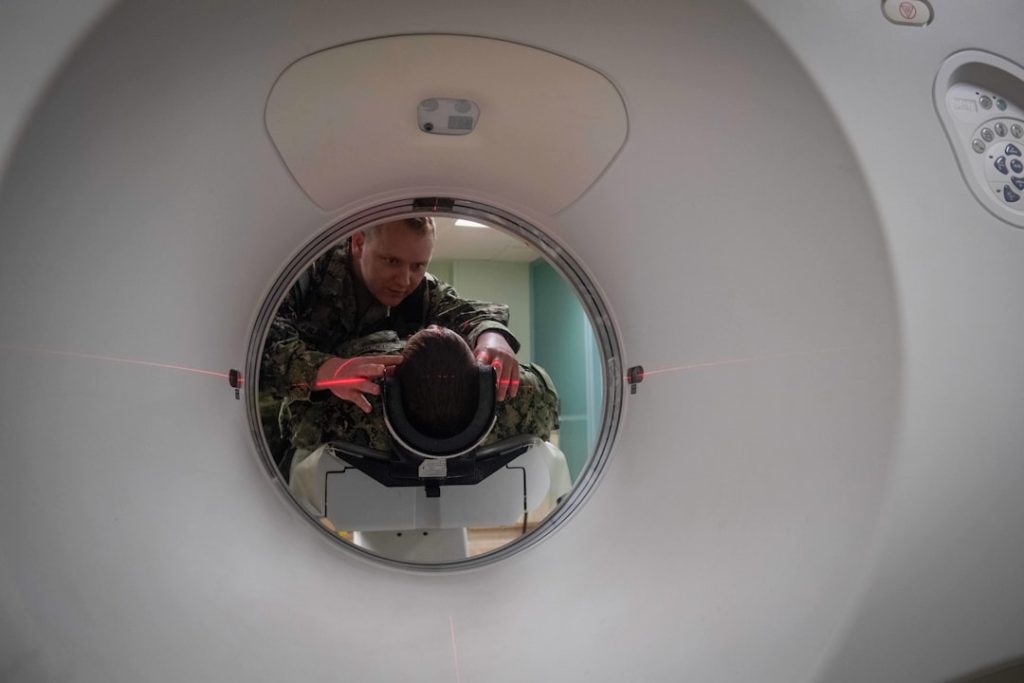
The Robert H. Lurie Center is equipped with state-of-the-art technology that facilitates groundbreaking research and enhances clinical practice. One of the most notable features of the center is its advanced neuroimaging capabilities, which allow researchers to explore brain function and structure in individuals with autism.
Techniques such as functional magnetic resonance imaging (fMRI) and diffusion tensor imaging (DTI) provide invaluable insights into the neural underpinnings of autism, helping to identify biomarkers that may predict outcomes or response to treatment. In addition to neuroimaging, the Lurie Center employs cutting-edge genetic sequencing technologies that enable researchers to investigate the genetic factors associated with autism. High-throughput sequencing methods, such as whole-exome sequencing, allow for the identification of rare genetic variants that may contribute to the development of ASD.
This technology not only aids in understanding the etiology of autism but also holds promise for personalized medicine approaches, where treatments can be tailored based on an individual’s genetic profile. The integration of these advanced technologies into both research and clinical settings exemplifies the Lurie Center’s commitment to leveraging innovation for improved patient outcomes.
Breakthroughs in Genetic Research
Genetic research at the Robert H. Lurie Center has yielded significant breakthroughs that have advanced our understanding of autism spectrum disorders. One of the key areas of focus has been the identification of specific genetic mutations associated with ASD.
Researchers at the center have discovered that certain de novo mutations—genetic changes that occur spontaneously—are more prevalent in individuals with autism compared to neurotypical individuals. These findings have implications for early diagnosis and intervention, as they suggest that genetic testing could play a crucial role in identifying at-risk individuals. Moreover, studies conducted at the Lurie Center have explored the role of polygenic risk factors in autism.
By analyzing large datasets from diverse populations, researchers have identified multiple genes that contribute to the risk of developing ASD. This polygenic approach highlights the complexity of autism as a multifactorial disorder influenced by a combination of genetic and environmental factors. The insights gained from this research not only enhance our understanding of the biological basis of autism but also pave the way for future studies aimed at developing targeted therapies that address these underlying genetic mechanisms.
Innovative Therapies and Treatments

The Robert H. Lurie Center is at the forefront of developing innovative therapies and treatments for individuals with autism spectrum disorders. One notable area of focus is behavioral interventions, which have been shown to be effective in improving social skills, communication, and adaptive functioning in children with ASD.
The center employs evidence-based practices such as Applied Behavior Analysis (ABA) and Natural Language Acquisition (NLA) to tailor interventions to meet the unique needs of each individual. In addition to behavioral therapies, the Lurie Center is exploring pharmacological treatments aimed at alleviating specific symptoms associated with autism, such as anxiety, irritability, and attention deficits. Researchers are investigating the efficacy of various medications, including selective serotonin reuptake inhibitors (SSRIs) and atypical antipsychotics, in managing these symptoms.
By conducting rigorous clinical trials, the center aims to provide empirical evidence for the use of these medications in treating individuals with ASD, ultimately enhancing their quality of life.
Collaborations with Leading Medical Institutions
Collaboration is a cornerstone of the Robert H. Lurie Center’s approach to autism research and care. The center has established partnerships with leading medical institutions, universities, and research organizations both nationally and internationally.
These collaborations facilitate knowledge exchange and resource sharing, enabling researchers to tackle complex questions related to autism from multiple perspectives. One prominent partnership is with Boston Children’s Hospital, where clinicians and researchers work together to provide comprehensive care for children with autism. This collaboration allows for seamless integration of research findings into clinical practice, ensuring that families receive the most up-to-date interventions available.
Additionally, partnerships with academic institutions such as Harvard University and MIT foster interdisciplinary research initiatives that explore cutting-edge topics in neuroscience, genetics, and psychology related to autism.
Impact on Patient Care and Outcomes
| Metric | Value | Details |
|---|---|---|
| Location | Chicago, Illinois | Part of Northwestern University Feinberg School of Medicine |
| Research Focus | Biomedical and Clinical Research | Includes cancer, cardiovascular disease, neuroscience, and more |
| Annual Research Funding | Over 200 million | Includes federal grants and private funding |
| Number of Research Staff | Approximately 1,000 | Includes scientists, clinicians, and support staff |
| Number of Publications per Year | 500+ | Peer-reviewed scientific articles |
| Clinical Trials Conducted | 100+ | Ongoing and completed trials annually |
| Established | 1970 | Named after Robert H. Lurie, a philanthropist |
The work conducted at the Robert H. Lurie Center has had a profound impact on patient care and outcomes for individuals with autism spectrum disorders. By combining research with clinical practice, the center has developed a model of care that prioritizes individualized treatment plans based on each patient’s unique strengths and challenges.
This personalized approach not only enhances engagement in therapy but also leads to more meaningful improvements in social skills, communication abilities, and overall functioning. Furthermore, the Lurie Center’s emphasis on family involvement in treatment has proven beneficial for both patients and their families. By providing resources, support groups, and educational programs for families, the center empowers caregivers to play an active role in their loved ones’ development.
This holistic approach recognizes that addressing the needs of families is essential for fostering positive outcomes for individuals with autism.
Future Directions and Research Initiatives
Looking ahead, the Robert H. Lurie Center is poised to continue its trajectory of innovation and discovery in autism research. One area of future focus is the exploration of early intervention strategies aimed at maximizing developmental outcomes for young children diagnosed with ASD.
Ongoing studies are investigating how early behavioral interventions can be optimized through technology-enhanced delivery methods, such as telehealth services or mobile applications. Additionally, researchers at the Lurie Center are committed to expanding their understanding of how environmental factors interact with genetic predispositions in contributing to autism risk. This includes examining prenatal exposures, dietary influences, and psychosocial factors that may play a role in shaping developmental trajectories.
By integrating findings from genetics, neuroscience, and environmental science, the center aims to develop comprehensive models that inform prevention strategies and therapeutic interventions.
Contributions to the Field of Medicine
The contributions of the Robert H. Lurie Center extend far beyond its immediate community; they resonate throughout the field of medicine as a whole. The center’s commitment to rigorous scientific inquiry has led to numerous publications in prestigious journals, disseminating knowledge that informs best practices in autism care worldwide.
By sharing findings from clinical trials and research studies, the Lurie Center plays a vital role in shaping guidelines for diagnosis and treatment across various healthcare settings. Moreover, the center’s emphasis on interdisciplinary collaboration serves as a model for other institutions seeking to address complex health issues through integrated approaches. By fostering partnerships among researchers, clinicians, educators, and families, the Lurie Center exemplifies how collective efforts can lead to meaningful advancements in understanding and treating autism spectrum disorders.
As it continues to push boundaries in research and clinical practice, the Robert H. Lurie Center remains a beacon of hope for individuals with autism and their families while contributing significantly to the broader field of medicine.
