
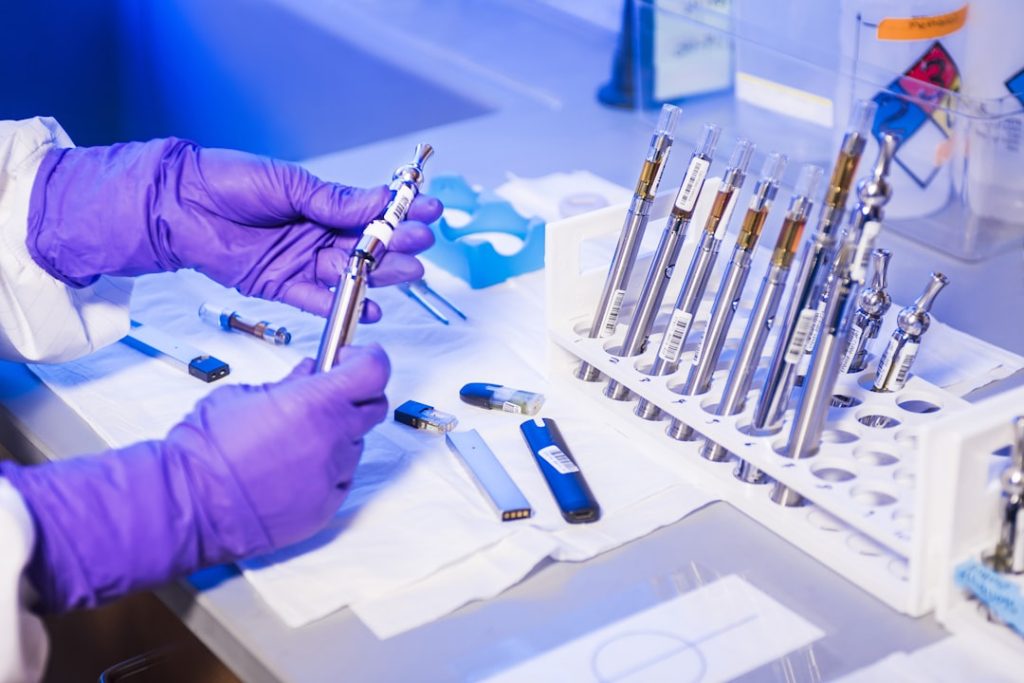
Medical research continues to advance across multiple disciplines, contributing to improved patient care and treatment outcomes. Current research spans oncology, neurology, genetics, infectious diseases, regenerative medicine, and medical imaging. These investigations provide insights into human health mechanisms and lead to the development of new therapeutic approaches for complex medical conditions.
Recent technological developments have increased the rate of medical discoveries. Researchers now utilize artificial intelligence, CRISPR gene editing technology, and advanced imaging systems to study disease processes. Collaboration between scientists, clinicians, and technology specialists has created research environments that facilitate innovation and the translation of findings into clinical applications.

These multidisciplinary approaches are generating new treatment options and diagnostic methods that benefit both patients and healthcare professionals.
Key Takeaways
- Recent medical research has led to significant breakthroughs across multiple fields, including cancer and neurological disorders.
- New gene therapy techniques are showing promise in treating genetic diseases more effectively.
- Innovative methods are improving the diagnosis and treatment of infectious diseases.
- Advances in regenerative medicine offer potential for repairing damaged tissues and organs.
- Emerging medical imaging technologies are enhancing early diagnosis and personalized healthcare.
New Discoveries in Cancer Treatment

Cancer remains one of the most formidable challenges in modern medicine, with millions affected worldwide. However, recent discoveries in cancer treatment are offering new hope. One of the most significant advancements has been the development of immunotherapy, which harnesses the body’s immune system to fight cancer cells.
For instance, checkpoint inhibitors like pembrolizumab and nivolumab have shown remarkable efficacy in treating melanoma and lung cancer by blocking proteins that inhibit immune responses. These therapies have not only improved survival rates but have also transformed the treatment landscape by providing options for patients who previously had limited choices. Moreover, targeted therapies have emerged as a game-changer in oncology.
Drugs such as trastuzumab for HER2-positive breast cancer and imatinib for chronic myeloid leukemia exemplify how understanding the genetic makeup of tumors can lead to more effective treatments. Researchers are now exploring the potential of combining these targeted therapies with immunotherapy to enhance treatment outcomes further. Clinical trials are underway to assess the efficacy of such combinations, which could lead to personalized treatment regimens tailored to individual patients’ tumor profiles.
Advancements in Neurological Disorders
Neurological disorders pose significant challenges due to their complexity and the intricate nature of the nervous system. Recent advancements in understanding these conditions have opened new avenues for treatment and management. For example, researchers are making strides in developing disease-modifying therapies for conditions like Alzheimer’s disease.
The approval of aducanumab, a monoclonal antibody that targets amyloid plaques in the brain, marks a pivotal moment in Alzheimer’s research. While its efficacy remains a topic of debate, it represents a shift towards targeting the underlying pathology rather than merely alleviating symptoms. In addition to Alzheimer’s, advancements in neurodegenerative diseases such as Parkinson’s are also noteworthy.
The exploration of gene therapy as a potential treatment modality is gaining traction. For instance, researchers are investigating the use of viral vectors to deliver genes that can produce neuroprotective factors directly into the brain. This approach aims to slow disease progression and improve motor function in patients.
Furthermore, deep brain stimulation (DBS) has evolved significantly, with new techniques allowing for more precise targeting of brain regions involved in movement disorders. These innovations highlight a growing understanding of neurological conditions and a commitment to developing effective therapies.
Breakthroughs in Genetics and Gene Therapy
The field of genetics has witnessed unprecedented breakthroughs that are reshaping our understanding of hereditary diseases and paving the way for innovative treatments. The advent of CRISPR-Cas9 technology has revolutionized gene editing, allowing scientists to make precise modifications to DNA sequences with remarkable efficiency. This technology holds immense potential for treating genetic disorders such as cystic fibrosis and sickle cell anemia by correcting mutations at their source.
Clinical trials are already underway to assess the safety and efficacy of CRISPR-based therapies in humans, marking a significant milestone in genetic medicine. Moreover, advancements in genomics have led to the identification of numerous disease-associated genes, enabling more accurate diagnoses and personalized treatment plans. The integration of whole-genome sequencing into clinical practice allows for comprehensive assessments of patients’ genetic profiles, facilitating targeted therapies based on individual genetic variations.
For instance, patients with certain mutations may respond better to specific medications, leading to improved outcomes and reduced adverse effects. As our understanding of genetics continues to deepen, the potential for gene therapy to address a wide range of conditions is becoming increasingly tangible.
Innovative Approaches to Infectious Diseases
| Metric | Value | Details |
|---|---|---|
| Number of Articles Published | 1,250 | Articles related to medical research published in major news outlets in the past month |
| Top Research Topics | COVID-19, Cancer, Mental Health | Most frequently covered medical research topics in the news |
| Average Article Reach | 500,000 readers | Estimated average number of readers per article |
| Percentage of Articles with Expert Interviews | 65% | Proportion of articles featuring interviews with medical researchers or experts |
| Public Engagement Rate | 12% | Percentage of readers who comment, share, or like medical research news articles |
| Most Cited Medical Journal | New England Journal of Medicine | Journal most frequently referenced in news articles |
Infectious diseases remain a critical public health concern, particularly in light of recent global pandemics that have underscored vulnerabilities in healthcare systems. Innovative approaches are emerging to combat these challenges effectively. One notable advancement is the development of mRNA vaccines, which gained prominence during the COVID-19 pandemic.
The success of vaccines like Pfizer-BioNTech and Moderna has demonstrated the potential of mRNA technology not only for rapid vaccine development but also for addressing other infectious diseases such as influenza and Zika virus. Additionally, researchers are exploring novel antiviral therapies that target specific stages of viral replication. For example, remdesivir was repurposed for COVID-19 treatment after showing promise against Ebola virus.
Ongoing research is focused on developing broad-spectrum antivirals that could be effective against multiple viruses simultaneously. Furthermore, advancements in diagnostic technologies are enabling faster detection of infectious agents, allowing for timely interventions and containment measures. Rapid point-of-care tests are becoming increasingly sophisticated, providing healthcare providers with critical information at the bedside.
Promising Developments in Regenerative Medicine
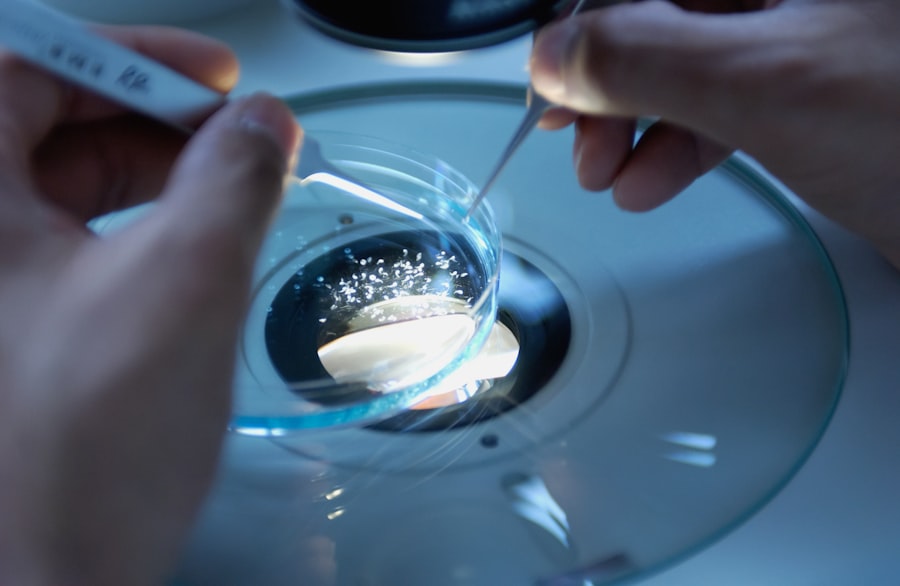
Regenerative medicine is an exciting frontier that aims to restore or replace damaged tissues and organs through innovative techniques such as stem cell therapy and tissue engineering. Recent developments in this field have shown remarkable promise for treating conditions ranging from spinal cord injuries to heart disease. For instance, researchers are investigating the use of induced pluripotent stem cells (iPSCs) derived from adult cells to generate functional tissues for transplantation.
This approach not only holds potential for treating degenerative diseases but also addresses issues related to organ donor shortages. Moreover, advancements in 3D bioprinting technology are revolutionizing tissue engineering by enabling the creation of complex tissue structures that mimic natural organs. Researchers have successfully printed vascularized tissues that can support cell survival and function, paving the way for future applications in organ transplantation and drug testing.
The ability to create patient-specific tissues could significantly reduce the risk of rejection and improve outcomes in transplantation procedures. As regenerative medicine continues to evolve, it holds the potential to redefine how we approach healing and recovery.
Cutting-Edge Technology in Medical Imaging and Diagnosis
Medical imaging plays a crucial role in diagnosing diseases accurately and monitoring treatment progress. Recent advancements in imaging technologies have enhanced our ability to visualize complex biological processes with unprecedented clarity. Techniques such as functional MRI (fMRI) allow researchers to observe brain activity in real-time, providing insights into neurological disorders and cognitive functions.
Similarly, advancements in positron emission tomography (PET) imaging have improved our understanding of cancer metabolism and treatment response. Artificial intelligence (AI) is also making significant strides in medical imaging analysis. Machine learning algorithms can analyze vast amounts of imaging data quickly and accurately, assisting radiologists in detecting abnormalities that may be missed by the human eye.
For instance, AI algorithms have demonstrated high accuracy in identifying early signs of breast cancer on mammograms and lung cancer on CT scans. These technologies not only enhance diagnostic accuracy but also streamline workflows in busy clinical settings, ultimately improving patient care.
Implications for the Future of Healthcare
The implications of these breakthroughs in medical research extend far beyond individual treatments; they herald a new era in healthcare characterized by precision medicine, personalized therapies, and improved patient outcomes. As we continue to unravel the complexities of diseases through innovative research, healthcare systems will need to adapt to integrate these advancements effectively. This may involve rethinking traditional models of care delivery, emphasizing interdisciplinary collaboration among healthcare professionals.
Furthermore, ethical considerations surrounding emerging technologies will play a crucial role in shaping the future landscape of healthcare. As gene editing and regenerative therapies become more prevalent, discussions around consent, equity, and access will be paramount to ensure that all patients benefit from these innovations. Policymakers will need to establish frameworks that promote responsible research practices while fostering an environment conducive to scientific exploration.
In conclusion, breakthrough medical research is transforming our understanding of health and disease while offering new hope for patients facing challenging conditions. The ongoing pursuit of knowledge will undoubtedly lead to further innovations that can enhance healthcare delivery and improve quality of life on a global scale.
