
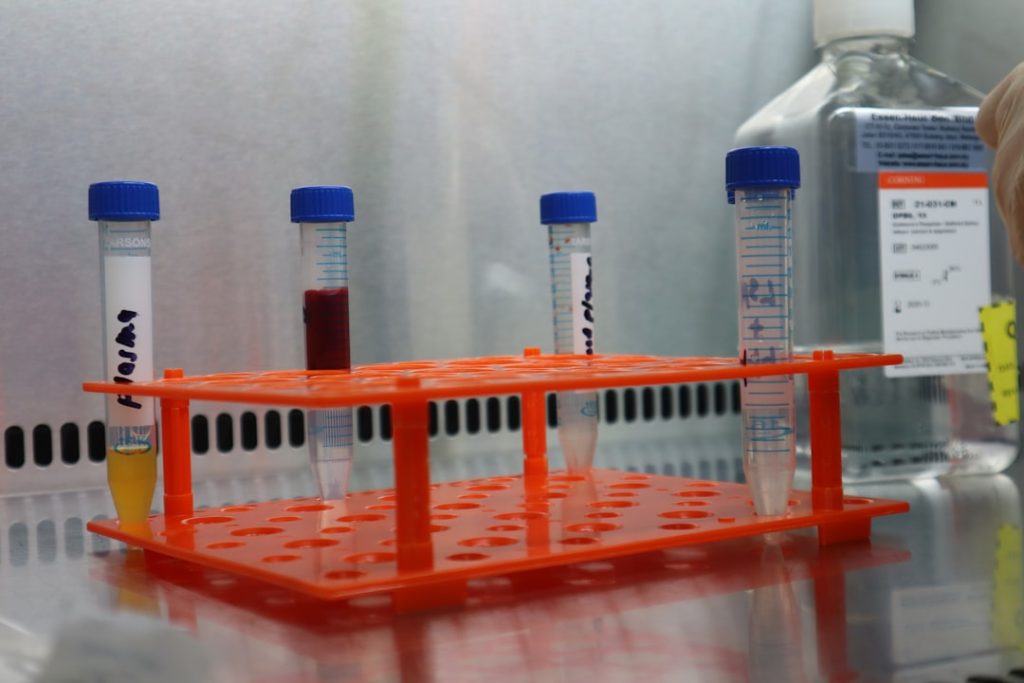
Clinical trials are fundamental to medical progress. They are the crucible where new treatments are tested, ensuring their safety and efficacy before they reach patients. However, the current model of clinical trials is a complex, data-intensive process fraught with challenges. These include issues with data integrity, patient privacy, transparency, and the sheer administrative burden. Blockchain technology, a distributed and immutable ledger system, is emerging as a potential solution to many of these long-standing problems. By offering a secure, transparent, and auditable way to manage data and processes, blockchain has the capacity to revolutionize how clinical trials are conducted, ushering in a new era of efficiency, trust, and patient-centricity.
The cornerstone of any clinical trial is the data collected. This data, meticulously gathered from participants, forms the basis for evaluating a drug or therapy. In the current system, this data can be vulnerable to manipulation, accidental alteration, or even loss. Blockchain, with its inherent cryptographic principles, offers a robust defense against these threats.
Immutability as a Bedrock

Think of a traditional ledger as a notebook where entries can be erased or altered. Blockchain, however, is more akin to a stone tablet inscribed with indelible ink. Once a block of data is added to the chain, it cannot be retroactively modified or deleted without the consensus of the network. This immutability is a critical feature for clinical trial data. It ensures that every data point, from dosage administration to adverse event reporting, is permanently recorded, creating a tamper-proof audit trail. This significantly reduces the risk of data fraud, which can have severe consequences, including the approval of ineffective or unsafe treatments. For instance, if a researcher were to attempt to falsify results, the blockchain would immediately flag the discrepancy, as the altered data would not align with the cryptographically linked previous blocks.
Cryptographic Security for Sensitive Information
Patient data in clinical trials is highly sensitive, subject to rigorous privacy regulations like HIPAA and GDPR. Blockchain employs advanced cryptographic techniques, such as hashing and digital signatures, to protect this information. Each transaction or data entry on the blockchain is associated with a unique cryptographic hash. This hash acts as a digital fingerprint. If even a single character of the data is altered, its hash will change, instantly revealing the tampering. Furthermore, digital signatures allow for the verification of the origin and authenticity of data, ensuring it comes from authorized sources. This combination of immutability and cryptographic security builds a strong foundation of trust in the data generated by clinical trials.
Decentralization as a Shield Against Single Points of Failure

Current clinical trial data management often relies on centralized databases. These databases, while convenient, represent a single point of failure. A system outage, cyberattack, or even administrative error at a central server can have catastrophic consequences, leading to data loss or inaccessibility. Blockchain, by its very nature, is decentralized. Data is distributed across a network of computers, rather than residing in one location. This distributed architecture makes the system inherently more resilient. If one node in the network goes offline, the data remains accessible and operational through other nodes. This redundancy ensures the continuous availability of critical trial information, a vital requirement for ongoing research and regulatory oversight.
Streamlining Consent Management and Patient Engagement
Patient consent is a critical ethical and regulatory requirement. The process can be cumbersome, leading to delays and potential misunderstandings. Blockchain offers a way to make this process more transparent, auditable, and patient-empowering.
Smart Contracts for Dynamic Consent
Traditional consent forms are often static documents. Once signed, they can be difficult to update if the trial protocol changes or if a participant wishes to modify their consent preferences. Blockchain enables the use of smart contracts, self-executing contracts with the terms of the agreement directly written into code. These smart contracts can be programmed to manage patient consent dynamically. For example, a participant could grant consent for specific types of data collection or for a limited duration, with the ability to revoke or modify that consent through verifiable on-chain transactions. This level of granular control empowers patients and ensures their preferences are respected throughout the trial. Imagine a patient who initially agrees to have their genetic data used for research but later decides they are no longer comfortable with it. With a smart contract, they could digitally “sign” a request to revoke access, and this action would be indelibly recorded.
Verifiable Patient Identity and Authorization
Ensuring that the correct individuals are providing consent and that their identities are verified is paramount. Blockchain can be used to create secure, decentralized digital identities for participants. These identities, linked to verifiable credentials, can be used to authenticate consent. This means that a participant’s consent can be cryptographically verified, ensuring it comes from the actual individual and not from an imposter. This also extends to the authorization of access to their data. Participants could grant and revoke access to their trial data to specific researchers or institutions via secure, auditable blockchain transactions, strengthening their control over their personal information.
Enhanced Transparency in Data Usage
Blockchain can provide unprecedented transparency regarding how patient data is used within a clinical trial. Each instance of data access or usage can be recorded on the blockchain, creating an auditable log of all activities. Patients could, in theory, access this log to see exactly who has accessed their data, when, and for what purpose. This level of transparency can build trust and encourage greater participation in clinical research, as individuals feel more confident that their data is being handled responsibly and ethically. It removes the “black box” aspect of data usage, offering a clear picture to the participant.
Improving Supply Chain Management and Drug Traceability

The integrity of the medications used in clinical trials is as important as the data generated. Issues with counterfeit drugs or improper storage can compromise the results and, more importantly, the safety of participants. Blockchain can bring much-needed visibility and security to the pharmaceutical supply chain.
An Immutable Record of Drug Provenance
Every step of a drug’s journey, from manufacturing to distribution to administration in a trial, can be logged on a blockchain. Each transaction – such as a batch being produced, shipped from a manufacturer, received by a distribution center, or delivered to a trial site – can be recorded as a block. This creates a complete, immutable history of the drug, known as its provenance. This allows for the instant verification of a drug’s authenticity and origin. If a batch of investigational drugs is found to be contaminated or faulty, investigators can quickly trace back its entire history on the blockchain to identify the point of failure in the supply chain. This is akin to having a detailed pedigree for every single dose of medication.
Combating Counterfeit Pharmaceuticals
Counterfeit drugs pose a significant threat to public health and the integrity of clinical research. By implementing blockchain-based tracking, it becomes considerably more difficult for counterfeit products to enter the legitimate supply chain. Each genuine drug can be assigned a unique digital identifier linked to its blockchain record. When a product is scanned, its authenticity can be instantly verified against the blockchain. If the identifier doesn’t match or is not found on the ledger, it signals a potential counterfeit. This has the power to act as a powerful deterrent to those who would seek to profit from fraudulent medications.
Real-time Monitoring of Storage Conditions
Many investigational drugs require specific storage conditions, such as controlled temperatures. IoT sensors can be integrated with blockchain technology to monitor these conditions in real-time. Temperature or humidity deviations can be recorded directly onto the blockchain, creating an immutable log of the storage environment for each drug batch. This provides an auditable record of compliance and can alert researchers to potential issues before they compromise the drug’s integrity. Imagine a vaccine that must be kept frozen. A blockchain record, fed by IoT sensors in a refrigerator, would immediately flag if the temperature rises above the acceptable threshold, alerting the site and preventing the use of potentially denatured doses.
Fostering Collaboration and Data Sharing

The nature of clinical trials often involves multiple stakeholders: pharmaceutical companies, academic institutions, contract research organizations (CROs), and regulatory bodies. Sharing data securely and efficiently among these parties can be a bottleneck. Blockchain can facilitate this process with greater control and security.
Secure Multi-Party Data Access Control
Blockchain can enable secure multi-party access to clinical trial data. Instead of sharing raw data directly, which can be risky, participants can grant access to specific data sets or insights to authorized parties through the blockchain. Smart contracts can define the terms of access, ensuring that data is only shared with those who have legitimate need and have been granted permission. This fosters collaboration without compromising data security or patient privacy. It’s like having a high-security vault where different keys can grant access to specific compartments to different authorized individuals.
Decentralized Clinical Trial Networks
Blockchain can support the development of decentralized clinical trial networks. These networks allow for the secure aggregation of data from multiple trial sites and even from different trials. This can lead to more robust and comprehensive datasets, accelerating drug discovery and development. Researchers could, with proper permissions, tap into a broader pool of information, identifying patterns and insights that might be missed in smaller, siloed studies. This opens the door to meta-analyses and real-world evidence gathering on an unprecedented scale.
Enhanced Auditability for Regulators
Regulatory bodies, such as the FDA and EMA, require extensive auditing of clinical trial data and processes. Blockchain provides a transparent and immutable audit trail that can significantly streamline the regulatory review process. Auditors can access verifiable records of data integrity, consent management, and supply chain activities, reducing the burden on trial sponsors and accelerating regulatory approvals. This removes a significant amount of manual cross-referencing and verification that consumes valuable time and resources in the current system.
Overcoming Barriers and Future Outlook
| Metric | Description | Value / Status | Source / Notes |
|---|---|---|---|
| Number of Clinical Trials Using Blockchain | Total registered clinical trials incorporating blockchain technology | 35+ | ClinicalTrials.gov, 2024 |
| Data Integrity Improvement | Percentage increase in data accuracy and tamper resistance | Up to 40% | Industry reports, 2023 |
| Patient Consent Management | Reduction in consent process time using blockchain | Reduced by 50% | Case studies from blockchain pilot projects |
| Trial Data Transparency | Increase in publicly accessible trial data via blockchain | 70% increase | Academic research, 2023 |
| Cost Reduction | Estimated reduction in administrative costs for trials | 15-25% | Blockchain healthcare analysis, 2024 |
| Time to Market | Decrease in clinical trial duration due to blockchain efficiencies | 10-20% faster | Industry pilot programs, 2023 |
| Security Breaches | Reported security incidents in blockchain-enabled trials | 0 reported | Security audits, 2024 |
While the potential of blockchain in clinical trials is considerable, its widespread adoption faces several hurdles. However, progress is being made, and the future looks promising.
Interoperability Challenges
One of the most significant challenges is ensuring interoperability between different blockchain platforms and existing legacy systems used in clinical research. For blockchain to truly revolutionize trials, different systems need to be able to communicate and exchange data seamlessly. This requires standardization efforts and the development of robust middleware solutions. Imagine different cities speaking entirely different languages; for them to trade goods effectively, they need a common language or a reliable translator.
Scalability and Performance Considerations
As the volume of data generated in clinical trials continues to grow, the scalability and performance of blockchain networks become critical. Some blockchain architectures, particularly public ones, can experience limitations in transaction speed and throughput, which might not be sufficient for the demands of large-scale clinical trials. Research and development in areas like sharding and more efficient consensus mechanisms are ongoing to address these limitations.
Regulatory Acceptance and Education
Regulatory bodies are still developing their understanding and frameworks for blockchain-based clinical trials. Education and clear guidelines are essential for widespread acceptance. As regulators gain confidence in the technology’s ability to ensure data integrity and patient protection, adoption will likely accelerate. This is a process of building trust and demonstrating value through pilot projects and case studies.
The Patient-Centric Future of Trials
Blockchain technology has the potential to move clinical trials from being primarily institution-centric to being truly patient-centric. By empowering patients with greater control over their data, enhanced transparency, and more responsive consent mechanisms, blockchain can foster a more engaged and collaborative research ecosystem. This shift promises a future where clinical trials are not only more efficient and secure but also more ethical and aligned with the needs and preferences of the individuals who make them possible. The journey is ongoing, but the destination promises a more robust and trustworthy foundation for medical innovation.
