

Clinical trials are essential for the advancement of medical knowledge and the development of new treatments. However, they also carry inherent risks for participants. The ethical and scientific integrity of a clinical trial hinges on the rigorous protection of participants’ safety, and this is achieved through the implementation of a robust management system. This system acts as the scaffolding upon which participant well-being is built, ensuring that potential harms are identified, mitigated, and managed effectively throughout the entire trial lifecycle. Without such a system, a clinical trial is like a ship adrift without a compass or rudder, vulnerable to unforeseen hazards.
The bedrock of any effective safety management system in clinical trials is a clear understanding of its purpose and the principles that guide its operation. This involves establishing a culture of safety that permeates every level of the trial, from the principal investigator to the newest research assistant. It’s not enough to simply have protocols in writing; these protocols must be understood, internalized, and acted upon consistently. Think of it as the immune system of the trial; it needs to be strong and vigilant to ward off threats.
Ethical Imperatives and Participant Rights

At the forefront of clinical trial safety is the ethical imperative to protect human subjects. This principle is enshrined in various international guidelines and regulations, such as the Declaration of Helsinki and the International Conference on Harmonisation (ICH) Good Clinical Practice (GCP) guidelines. These documents serve as the moral compass for researchers, emphasizing respect for persons, beneficence, and justice.
The Right to Informed Consent
Informed consent is not merely a signature on a document; it is an ongoing process of communication. Participants have the right to be fully informed about the nature of the trial, its potential risks and benefits, alternative treatment options, and their right to withdraw at any time without penalty. This process is crucial for empowering individuals to make autonomous decisions about their participation. It’s like providing a detailed map and clear instructions before embarking on a journey.
Minimizing Risk and Maximizing Benefit

The principle of beneficence dictates that researchers have a duty to protect participants from harm and to maximize potential benefits. This involves a continuous assessment and re-assessment of the risk-benefit ratio throughout the trial. When risks escalate, the potential benefits must remain commensurate.
Regulatory Frameworks and Oversight
The regulatory landscape surrounding clinical trials provides a critical framework for ensuring safety. Regulatory bodies, such as the Food and Drug Administration (FDA) in the United States and the European Medicines Agency (EMA) in Europe, establish stringent requirements for trial design, conduct, and reporting.
Institutional Review Boards (IRBs) / Ethics Committees (ECs)
These independent committees are a cornerstone of participant protection. They review and approve research protocols, monitor trial progress, and ensure that the rights and welfare of participants are maintained. Their oversight is akin to having an independent auditor constantly checking the integrity of the financial records.
Good Clinical Practice (GCP) Guidelines
GCP guidelines represent an international ethical and scientific quality standard for designing, conducting, recording, and reporting trials that involve human participants. Adherence to GCP ensures that the data collected are credible and that participants’ rights are protected. It’s the standardized operating procedure for all responsible parties.
Key Components of a Robust Safety Management System
A robust safety management system is multifaceted, encompassing proactive measures, continuous monitoring, and responsive actions. It’s not a single tool but an integrated system of checks and balances designed to catch any deviations from the safe course.
Protocol Design and Risk Assessment
The safety of participants begins long before the first volunteer enrolls in a trial. The protocol, the blueprint of the study, must meticulously detail all aspects of the trial, with a particular emphasis on safety.
Pre-Clinical Data Evaluation
Extensive pre-clinical research, including animal studies and laboratory investigations, provides crucial information about the potential toxicity and efficacy of investigational products. This prior knowledge is vital for predicting potential adverse events in humans. It’s like studying the ingredients before baking a new recipe.
Identification of Potential Risks
The protocol should systematically identify all potential risks associated with the investigational product, the procedures involved, and the participant population. This includes assessing known side effects, potential drug interactions, and the likelihood of specific adverse events.
Mitigation Strategies
For each identified risk, the protocol must outline specific strategies to prevent or minimize its occurrence. This might involve dose adjustments, exclusion criteria, or specific monitoring procedures.
Investigator and Site Personnel Training
The individuals directly interacting with participants are the frontline defenders of their safety. Comprehensive and ongoing training is therefore paramount.
Understanding the Protocol
All study personnel must possess a thorough understanding of the protocol, including eligibility criteria, treatment regimens, and all procedures. This ensures consistency in trial conduct.
Adverse Event Recognition and Reporting
Personnel must be trained to recognize the signs and symptoms of potential adverse events and to report them promptly and accurately according to protocol. This is like equipping first responders with the knowledge to identify and react to emergencies.
Participant Communication Skills
Effective communication with participants is critical for consent, understanding, and reporting. Training in empathetic communication and clear explanation of complex information is essential.
Data Monitoring and Adverse Event Reporting
Continuous vigilance in monitoring participant data and reporting any untoward occurrences is the mechanism by which the safety system detects and responds to issues.
Routine Monitoring of Safety Data
This involves regularly reviewing laboratory results, vital signs, and any reported symptoms from participants. Trends and deviations from baseline values are closely scrutinized.
Suspected Unexpected Serious Adverse Reactions (SUSARs)
A critical aspect is the identification and rapid reporting of SUSARs – adverse events that are both serious and not previously documented or expected. This allows for swift assessment and potential modification of the trial. It’s like a fire alarm that immediately alerts authorities to a developing crisis.
Data Safety Monitoring Boards (DSMBs)
For many trials, particularly those involving significant risks or novel interventions, an independent DSMB is established. These boards periodically review accumulating safety and efficacy data to determine if the trial should continue, be modified, or be stopped early for safety reasons. The DSMB acts as an independent referee, stepping in when the game becomes too risky.
Managing and Responding to Safety Concerns
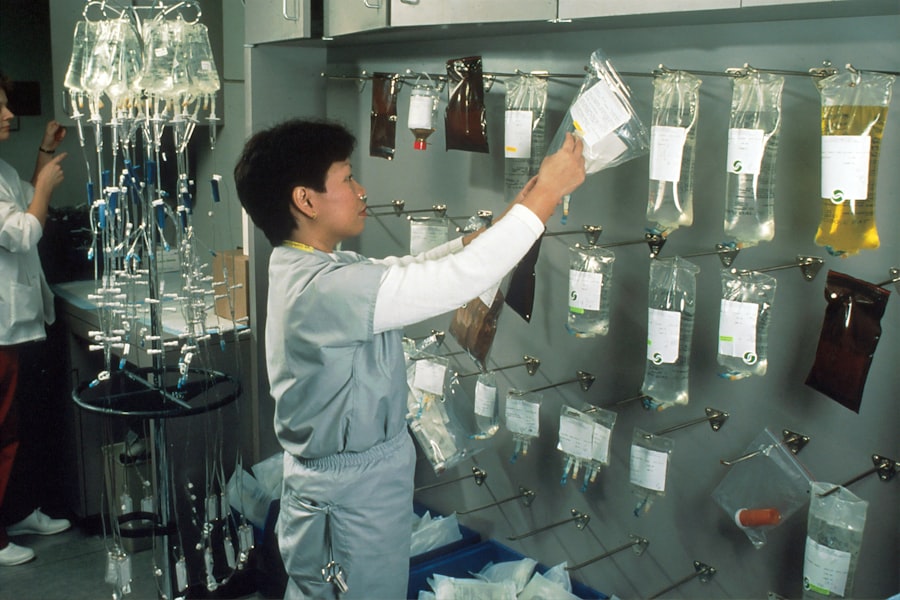
When safety concerns arise, a structured and timely response is crucial. This involves a clear chain of command and well-defined procedures for investigation and action.
Investigation of Adverse Events
Every reported adverse event, no matter how minor, should be investigated to determine its cause, severity, and relationship to the investigational product.
Causality Assessment
Determining whether an adverse event is related to the investigational product is a critical step. This involves considering the timing of the event, the known properties of the drug, and any other potential contributing factors.
Severity Grading
Adverse events are graded according to their severity, which helps to inform the urgency and type of response required.
Risk Communication and Stakeholder Engagement
Open and transparent communication about safety findings is essential for maintaining trust and ensuring appropriate actions are taken.
Reporting to Regulatory Authorities
Serious adverse events and other significant safety findings must be promptly reported to regulatory authorities as mandated by regulations.
Communication with Participants
If a safety issue affects current participants, they must be informed in a clear and understandable manner, and any necessary modifications to their care or participation should be implemented. This is often a difficult but necessary conversation, like explaining a detour on a planned route.
Protocol Amendments and Study Modifications
When safety data indicates a need for change, the trial protocol may be amended. This requires careful consideration and approval by relevant ethics committees and regulatory bodies.
The Long-Term Impact of Robust Safety Management

The benefits of a robust clinical trial safety management system extend far beyond the immediate protection of participants. It underpins the validity of research findings and contributes to the overall progress of medicine.
Ensuring Data Integrity and Reliability
When participant safety is prioritized, the data generated is more likely to be credible. A well-managed trial minimizes confounding factors related to safety issues, leading to more reliable scientific conclusions.
Maintaining Public Trust in Research
Instances of compromised participant safety can severely damage public trust in clinical research. A strong safety record builds confidence in the scientific process and encourages continued participation in vital studies. It’s like building a reputation for dependable quality; it takes consistent effort.
Facilitating Future Research and Development
Successful and safely conducted trials produce valuable data that can inform the design of future studies and the development of new therapies. This iterative process is vital for the relentless pursuit of better health outcomes.
Continuous Improvement in Safety Management
| Metric | Description | Typical Value / Range | Importance |
|---|---|---|---|
| Adverse Event Reporting Time | Average time taken to report an adverse event from occurrence | Within 24-48 hours | Critical for patient safety and regulatory compliance |
| Serious Adverse Event (SAE) Rate | Percentage of participants experiencing serious adverse events | Varies by trial, typically 1-5% | Monitors safety profile of the investigational product |
| Data Entry Accuracy | Percentage of safety data entries without errors | 95-99% | Ensures reliability of safety data analysis |
| Case Processing Time | Average time to process and close a safety case | 7-14 days | Reflects efficiency of safety management system |
| Regulatory Submission Compliance | Percentage of safety reports submitted on time to regulatory authorities | 100% | Mandatory for regulatory adherence |
| Signal Detection Rate | Number of safety signals identified per 1000 cases | Variable, depends on trial phase and drug | Helps in early identification of potential risks |
| System Downtime | Percentage of time the safety management system is unavailable | Impacts timely data entry and reporting |
The landscape of clinical research is constantly evolving, and so too must the systems designed to ensure participant safety. A commitment to continuous improvement is therefore a hallmark of effective safety management.
Learning from Experience and Audits
Regular internal and external audits, as well as post-trial reviews, provide opportunities to identify areas where the safety management system can be strengthened. Lessons learned from past trials, both successful and those with challenges, are invaluable.
Incorporating New Technologies and Methodologies
As technology advances, new tools and approaches can enhance safety monitoring and management. This includes advancements in data analysis, remote monitoring, and digital consent processes.
Proactive Risk Mitigation through Foresight
The most effective safety systems are not just reactive but also proactive. By anticipating potential future risks and developing strategies to address them before they materialize, researchers can stay ahead of emerging challenges. This forward-thinking approach is like building a stronger dam before the inevitable flood.
In conclusion, ensuring clinical trial safety is not a mere regulatory checkbox; it is the ethical cornerstone of all research involving human participants. A robust management system, built on a foundation of ethical principles, regulatory compliance, meticulous protocol design, comprehensive training, vigilant monitoring, and a commitment to continuous improvement, is indispensable. This system, acting as the vigilant guardian of well-being, allows the vital work of medical discovery to progress with confidence and integrity, ultimately benefiting individuals and society as a whole.
