

Hair loss is a multifaceted condition that affects millions of individuals worldwide, transcending age, gender, and ethnicity. It can manifest in various forms, from the gradual thinning of hair to complete baldness, and can have profound psychological and emotional impacts on those who experience it. The phenomenon of hair loss is not merely a cosmetic concern; it often intertwines with issues of self-esteem and identity.
For many, the presence or absence of hair can significantly influence their social interactions and overall quality of life. The prevalence of hair loss is staggering, with estimates suggesting that approximately 50% of men and women will experience some degree of hair thinning by the age of 50. The causes of hair loss are diverse and complex, ranging from genetic predispositions to environmental factors.

Androgenetic alopecia, commonly known as male or female pattern baldness, is one of the most prevalent forms of hair loss, driven primarily by genetic factors and hormonal changes. Other types include alopecia areata, an autoimmune disorder that leads to sudden hair loss in patches, and telogen effluvium, which is often triggered by stress or significant life changes. Understanding the underlying mechanisms of these conditions is crucial for developing effective treatment strategies.
As research continues to evolve, so too does the landscape of available treatments, offering hope to those affected by this condition.
Key Takeaways
- Hair loss has diverse causes and requires tailored treatment approaches.
- Current treatments include medications, surgical options, and lifestyle changes.
- Clinical trials are essential for developing innovative therapies and improving outcomes.
- Emerging technologies show promise but face challenges like recruitment and trial design.
- Future research aims to enhance treatment efficacy and patient participation in trials.

Current Treatment Options for Hair Loss
The treatment landscape for hair loss has expanded significantly over the years, with a variety of options available to address different types and causes of hair thinning. The most commonly used treatments include topical solutions, oral medications, and surgical interventions. Minoxidil, a topical solution available over-the-counter, is one of the most widely recognized treatments for androgenetic alopecia.
It works by stimulating hair follicles and promoting hair regrowth in both men and women. Users typically apply it directly to the scalp, and while results can vary, many report noticeable improvements after several months of consistent use. Another popular option is finasteride, an oral medication that inhibits the conversion of testosterone to dihydrotestosterone (DHT), a hormone linked to hair loss in genetically predisposed individuals.
Finasteride has been shown to be effective in slowing hair loss and promoting regrowth in men; however, it is not approved for use in women due to potential side effects. Beyond these pharmacological treatments, surgical options such as hair transplantation have gained traction. Techniques like follicular unit extraction (FUE) and follicular unit transplantation (FUT) allow for the relocation of hair follicles from donor sites to balding areas, providing a more permanent solution for those seeking to restore their hairline.
Understanding the Causes of Hair Loss
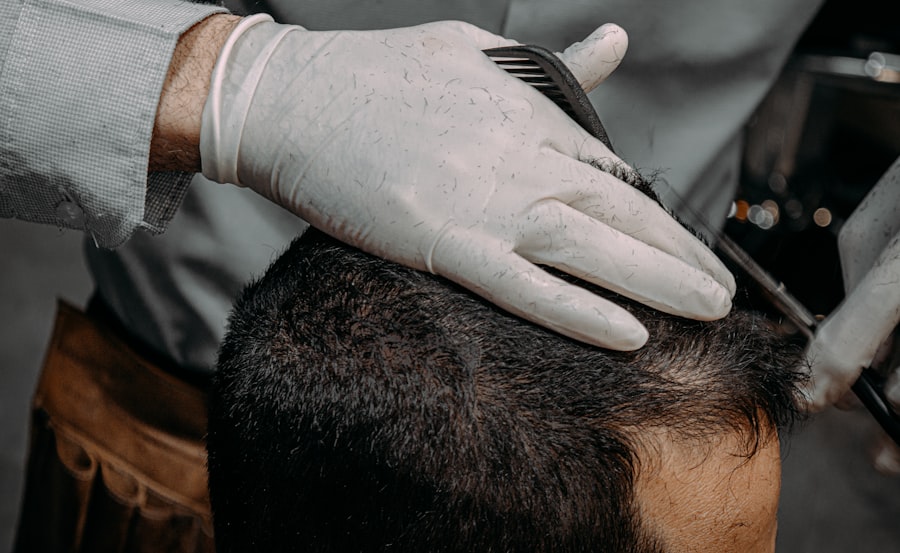
To effectively address hair loss, it is essential to delve into its myriad causes. Genetic factors play a pivotal role in androgenetic alopecia, where inherited traits dictate the sensitivity of hair follicles to DHT. This sensitivity leads to a progressive miniaturization of hair follicles, resulting in thinner and shorter hairs over time.
Research has identified specific genes associated with this condition, shedding light on its hereditary nature. However, genetics is not the sole contributor; environmental factors also play a significant role in hair health. Stress is another critical factor that can precipitate hair loss.
Conditions such as telogen effluvium occur when significant stressors—be they physical or emotional—trigger a large number of hair follicles to enter the resting phase prematurely. This can lead to noticeable shedding several months after the initial stressor. Nutritional deficiencies are also implicated in hair loss; for instance, deficiencies in iron, zinc, and certain vitamins can disrupt the normal hair growth cycle.
Hormonal imbalances, particularly those related to thyroid function or pregnancy, can further exacerbate hair thinning. Understanding these diverse causes is vital for tailoring effective treatment plans that address not just the symptoms but also the underlying issues contributing to hair loss.
Overview of Clinical Trials for Hair Loss
Clinical trials play a crucial role in advancing our understanding of hair loss and developing new treatment modalities. These trials are meticulously designed studies that evaluate the safety and efficacy of new therapies before they receive regulatory approval for widespread use. They often involve multiple phases, starting with small groups of participants to assess safety and gradually expanding to larger populations to evaluate effectiveness.
The rigorous nature of clinical trials ensures that any new treatment is thoroughly vetted before it becomes available to the public. In recent years, there has been a surge in clinical trials focusing on innovative approaches to combat hair loss. These studies explore a range of potential therapies, from novel pharmacological agents to cutting-edge technologies such as stem cell therapy and platelet-rich plasma (PRP) treatments.
The diversity of ongoing trials reflects the complexity of hair loss as a condition and the need for multifaceted solutions. By participating in these trials, individuals not only contribute to scientific knowledge but may also gain access to promising treatments that are not yet available on the market.
Promising Therapies and Technologies in Clinical Trials
| Trial ID | Study Title | Phase | Intervention | Number of Participants | Primary Outcome Measure | Status | Location |
|---|---|---|---|---|---|---|---|
| NCT04567890 | Effectiveness of Topical Minoxidil in Androgenetic Alopecia | Phase 3 | Topical Minoxidil 5% | 200 | Hair density increase at 24 weeks | Completed | USA |
| NCT03987654 | Safety and Efficacy of Platelet-Rich Plasma for Hair Loss | Phase 2 | Platelet-Rich Plasma (PRP) injections | 100 | Hair thickness improvement at 12 weeks | Recruiting | Germany |
| NCT04123456 | Oral Finasteride vs. Placebo in Male Pattern Baldness | Phase 3 | Oral Finasteride 1mg | 300 | Change in hair count at 48 weeks | Active, not recruiting | UK |
| NCT05012345 | Low-Level Laser Therapy for Female Pattern Hair Loss | Phase 2 | Low-Level Laser Device | 150 | Hair regrowth rate at 16 weeks | Completed | Canada |
| NCT04789123 | Investigating JAK Inhibitors in Alopecia Areata | Phase 1/2 | Oral JAK Inhibitor | 80 | Hair regrowth percentage at 24 weeks | Recruiting | USA |
Among the most exciting developments in clinical trials for hair loss are therapies that leverage advancements in biotechnology and regenerative medicine. One such area of exploration is stem cell therapy, which aims to harness the regenerative potential of stem cells to stimulate hair follicle growth. Researchers are investigating various sources of stem cells, including adipose tissue and dermal papilla cells, which play a crucial role in hair follicle development and cycling.
Early-stage trials have shown promise in using these cells to promote hair regrowth in individuals with androgenetic alopecia. Another innovative approach being studied is the use of platelet-rich plasma (PRP) therapy. This technique involves drawing a small amount of blood from the patient, processing it to concentrate the platelets, and then injecting this enriched plasma into the scalp.
The growth factors present in PRP are believed to stimulate dormant hair follicles and enhance blood supply to the scalp, potentially leading to improved hair density and thickness. Clinical trials assessing the efficacy of PRP therapy have yielded encouraging results, with many participants reporting positive outcomes after several sessions.
Challenges and Limitations in Hair Loss Clinical Trials
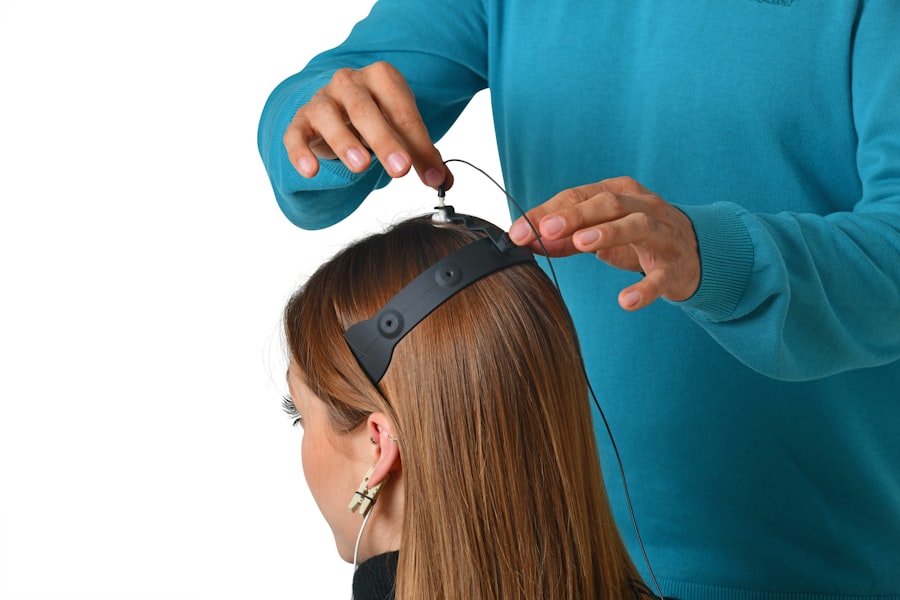
Despite the promising advancements in clinical trials for hair loss treatments, several challenges persist that can hinder progress in this field. One significant limitation is the variability in individual responses to treatment. Hair loss is influenced by numerous factors—genetic predisposition, hormonal levels, lifestyle choices—which can lead to inconsistent results across trial participants.
This variability complicates data interpretation and may necessitate larger sample sizes or more extended study durations to draw meaningful conclusions. Additionally, many clinical trials face recruitment challenges due to stringent eligibility criteria or a lack of awareness among potential participants about ongoing studies. Individuals may be hesitant to enroll due to concerns about side effects or skepticism regarding the efficacy of experimental treatments.
Furthermore, funding limitations can restrict the scope and scale of trials, impacting researchers’ ability to explore innovative therapies comprehensively. Addressing these challenges requires collaboration among researchers, healthcare providers, and patient advocacy groups to enhance awareness and facilitate participation in clinical research.
Patient Recruitment and Participation in Hair Loss Clinical Trials
Effective patient recruitment is essential for the success of clinical trials focused on hair loss treatments. Researchers often employ various strategies to engage potential participants, including outreach through dermatology clinics, online platforms, and social media campaigns aimed at raising awareness about ongoing studies. Clear communication about the purpose of the trial, potential benefits, and risks involved is crucial for fostering trust and encouraging participation.
Moreover, addressing barriers to participation is vital for improving enrollment rates. Many individuals may be unaware of their eligibility for clinical trials or may have misconceptions about what participation entails. Providing educational resources that demystify the clinical trial process can empower patients to make informed decisions about their involvement.
Additionally, offering incentives such as free treatment or compensation for travel expenses can further encourage participation among those who might otherwise be reluctant.
Future Directions in Hair Loss Research and Clinical Trials
The future of hair loss research holds immense potential as scientists continue to explore novel therapeutic avenues and refine existing treatments. One promising direction involves personalized medicine approaches that tailor treatments based on an individual’s genetic makeup or specific type of hair loss. Advances in genomics may enable researchers to identify biomarkers associated with treatment response, paving the way for more effective interventions.
Furthermore, ongoing investigations into combination therapies—utilizing multiple treatment modalities simultaneously—may yield synergistic effects that enhance overall efficacy. For instance, combining pharmacological agents with regenerative therapies like PRP could provide a comprehensive approach to addressing various aspects of hair loss. As technology continues to evolve, innovations such as artificial intelligence (AI) may also play a role in advancing research efforts by streamlining data analysis and identifying patterns within large datasets from clinical trials.
This could accelerate the discovery process for new treatments while enhancing our understanding of complex conditions like hair loss. In conclusion, while significant strides have been made in understanding and treating hair loss through clinical trials and research initiatives, ongoing efforts are essential for developing effective solutions that meet the diverse needs of individuals affected by this condition. The intersection of science, technology, and patient engagement will undoubtedly shape the future landscape of hair loss treatment options.
