

Prostate cancer remains one of the most prevalent malignancies among men, with millions diagnosed globally each year. The complexity of this disease, characterized by its heterogeneous nature and varying degrees of aggressiveness, necessitates ongoing research and clinical trials to develop effective treatment strategies. Clinical trials serve as a critical bridge between laboratory research and patient care, providing a structured environment to test new therapies, assess their efficacy, and monitor side effects.
These trials not only contribute to the advancement of medical knowledge but also offer patients access to cutting-edge treatments that may not yet be available through standard care. The landscape of prostate cancer trials is continually evolving, driven by advancements in technology, molecular biology, and a deeper understanding of the disease’s underlying mechanisms. As researchers explore novel therapeutic approaches, they are also investigating biomarkers that can predict treatment responses and disease progression.

This multifaceted approach aims to improve patient outcomes and tailor therapies to individual needs, reflecting a shift towards personalized medicine in oncology. The importance of clinical trials cannot be overstated; they are essential for validating new hypotheses and ensuring that emerging treatments are both safe and effective for patients.
Key Takeaways
- Prostate cancer trials are essential for developing and evaluating new treatment strategies.
- Emerging treatments include targeted therapies that focus on specific cancer cell mechanisms.
- Immunotherapy is being explored as a promising approach to enhance the immune response against prostate cancer.
- Precision medicine enables personalized treatment plans based on genetic and molecular profiling.
- Advances in early detection and screening improve diagnosis and patient outcomes in prostate cancer research.
New Treatment Options for Prostate Cancer

In recent years, the development of new treatment options for prostate cancer has accelerated, fueled by innovative research and a better understanding of the disease’s biology. Traditional therapies such as surgery, radiation, and hormone therapy remain foundational in managing prostate cancer; however, the introduction of novel agents has expanded the therapeutic arsenal significantly. For instance, androgen receptor inhibitors like enzalutamide and abiraterone have transformed the treatment landscape for metastatic castration-resistant prostate cancer (mCRPC), offering patients improved survival rates and quality of life.
Additionally, the advent of radiopharmaceuticals has introduced a new dimension to prostate cancer treatment. Agents such as radium-223 have demonstrated efficacy in targeting bone metastases, providing symptomatic relief and prolonging survival in patients with advanced disease. These new treatment modalities are often evaluated in clinical trials, where researchers assess their effectiveness compared to standard therapies.
The integration of these innovative options into clinical practice underscores the importance of ongoing research and the need for patients to consider participation in trials that explore these cutting-edge treatments.
Targeted Therapies in Prostate Cancer Trials
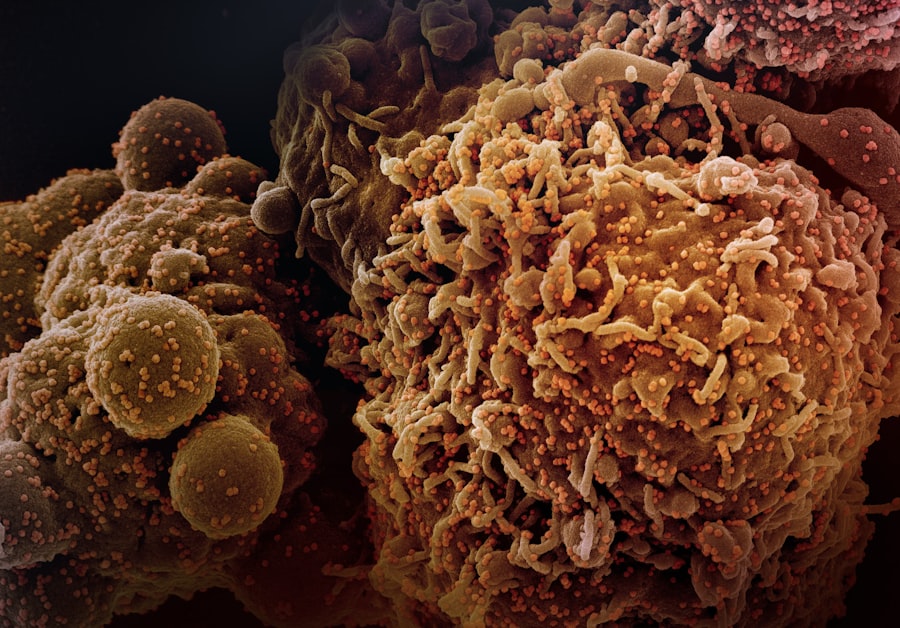
Targeted therapies represent a paradigm shift in the treatment of prostate cancer, focusing on specific molecular targets associated with tumor growth and progression. These therapies aim to disrupt the signaling pathways that cancer cells rely on for survival and proliferation. One prominent example is the use of PARP inhibitors, which have shown promise in treating patients with prostate cancer harboring mutations in DNA repair genes such as BRCA1 and BRCA2.
Clinical trials investigating these agents have demonstrated significant antitumor activity, particularly in patients with advanced disease who have exhausted other treatment options. Moreover, the exploration of other targeted agents continues to expand. For instance, trials are underway evaluating the efficacy of agents that inhibit the PI3K/AKT/mTOR pathway, which is often dysregulated in prostate cancer.
By selectively targeting these pathways, researchers hope to enhance treatment responses while minimizing toxicity associated with conventional therapies. The ongoing investigation into biomarkers that predict response to targeted therapies is crucial; identifying patients who are most likely to benefit from these treatments can lead to more effective and personalized care strategies.
Immunotherapy and Prostate Cancer Trials
Immunotherapy has emerged as a promising approach in oncology, harnessing the body’s immune system to combat cancer cells. In prostate cancer, several immunotherapeutic strategies are being explored through clinical trials. One of the most notable is sipuleucel-T, an autologous cellular immunotherapy designed to stimulate an immune response against prostatic acid phosphatase (PAP), a protein expressed in prostate cancer cells.
Clinical trials have demonstrated that sipuleucel-T can extend survival in men with asymptomatic or minimally symptomatic metastatic castration-resistant prostate cancer. In addition to cellular therapies, immune checkpoint inhibitors have gained attention in prostate cancer research. Agents such as pembrolizumab and nivolumab target pathways that inhibit T-cell activation, thereby enhancing the immune response against tumors.
While initial studies have shown limited efficacy in unselected patient populations, ongoing trials are investigating combinations of checkpoint inhibitors with other therapies or focusing on specific patient subsets with high mutational burdens or specific biomarkers. The potential for immunotherapy to provide durable responses makes it a focal point of current research efforts in prostate cancer.
Precision Medicine and Prostate Cancer Trials
| Trial Name | Phase | Number of Participants | Intervention | Primary Outcome | Status |
|---|---|---|---|---|---|
| PROSPER | Phase 3 | 1401 | Enzalutamide vs Placebo | Metastasis-free survival | Completed |
| SPARTAN | Phase 3 | 1207 | Apalutamide vs Placebo | Metastasis-free survival | Completed |
| ARASENS | Phase 3 | 1306 | Darolutamide + ADT + Docetaxel vs ADT + Docetaxel | Overall survival | Completed |
| STAMPEDE | Phase 3 | 2962 | Multiple arms including hormone therapy and chemotherapy | Overall survival and progression-free survival | Ongoing |
| VISION | Phase 3 | 831 | 177Lu-PSMA-617 vs Standard Care | Overall survival | Completed |
Precision medicine represents a transformative approach in oncology, tailoring treatment based on individual patient characteristics, including genetic makeup and tumor biology. In prostate cancer, this approach is gaining traction as researchers seek to identify specific biomarkers that can guide therapy selection. For example, genomic profiling of tumors can reveal mutations that may be targeted by specific drugs or indicate susceptibility to certain therapies.
Clinical trials are increasingly incorporating genomic testing to stratify patients based on their molecular profiles. One significant advancement in precision medicine is the use of liquid biopsies, which allow for non-invasive monitoring of tumor dynamics through the analysis of circulating tumor DNA (ctDNA). This technology enables researchers to track treatment responses and detect resistance mechanisms early in the course of therapy.
Ongoing clinical trials are exploring how liquid biopsies can inform treatment decisions and improve patient outcomes by allowing for timely adjustments to therapy based on real-time data.
Advancements in Early Detection and Screening

Early detection of prostate cancer is crucial for improving outcomes and reducing mortality rates associated with advanced disease. Recent advancements in screening methodologies have enhanced the ability to identify prostate cancer at earlier stages when it is more amenable to treatment. The use of prostate-specific antigen (PSA) testing has been a cornerstone of early detection; however, its limitations have prompted researchers to explore additional biomarkers and imaging techniques.
Multiparametric magnetic resonance imaging (mpMRI) has emerged as a valuable tool in the early detection and diagnosis of prostate cancer. This imaging modality provides detailed information about prostate anatomy and can help differentiate between clinically significant tumors and indolent forms of the disease. Clinical trials are currently assessing the role of mpMRI in conjunction with biopsy protocols to improve diagnostic accuracy and reduce unnecessary interventions.
Furthermore, ongoing research into novel biomarkers such as urinary exosomes holds promise for enhancing early detection strategies by identifying molecular signatures associated with aggressive disease.
Clinical Trials and Prostate Cancer Research
Clinical trials are fundamental to advancing our understanding of prostate cancer and developing new therapeutic strategies. These studies provide a structured framework for evaluating the safety and efficacy of novel treatments while also addressing critical questions about disease management. The National Cancer Institute (NCI) and various academic institutions sponsor numerous clinical trials focused on different aspects of prostate cancer research, ranging from early-phase studies assessing new drugs to large-scale randomized trials comparing standard treatments.
Participation in clinical trials offers patients access to innovative therapies that may not be available through conventional care pathways. Moreover, these trials often include comprehensive monitoring and supportive care measures that can enhance patient experience during treatment. As researchers continue to explore various therapeutic avenues—such as combination therapies, novel drug delivery systems, and lifestyle interventions—the role of clinical trials remains pivotal in shaping future standards of care for prostate cancer.
Future Directions in Prostate Cancer Trials
The future of prostate cancer trials is poised for exciting developments as researchers leverage technological advancements and deepen their understanding of tumor biology. One promising direction is the integration of artificial intelligence (AI) and machine learning into clinical trial design and analysis. These technologies can enhance patient selection criteria, optimize trial protocols, and improve data interpretation by identifying patterns that may not be apparent through traditional methods.
Additionally, there is a growing emphasis on collaborative research efforts that bring together multidisciplinary teams from various fields such as genomics, bioinformatics, and clinical oncology. This collaborative approach fosters innovation and accelerates the translation of laboratory findings into clinical practice. As we look ahead, the focus will likely shift towards more personalized treatment paradigms that consider not only genetic factors but also environmental influences and patient preferences.
In conclusion, the landscape of prostate cancer research is dynamic and rapidly evolving. With ongoing advancements in treatment options, early detection methods, and trial methodologies, there is hope for improved outcomes for patients facing this challenging disease. The commitment to rigorous clinical research will continue to drive progress in understanding prostate cancer and developing effective strategies for its management.
