
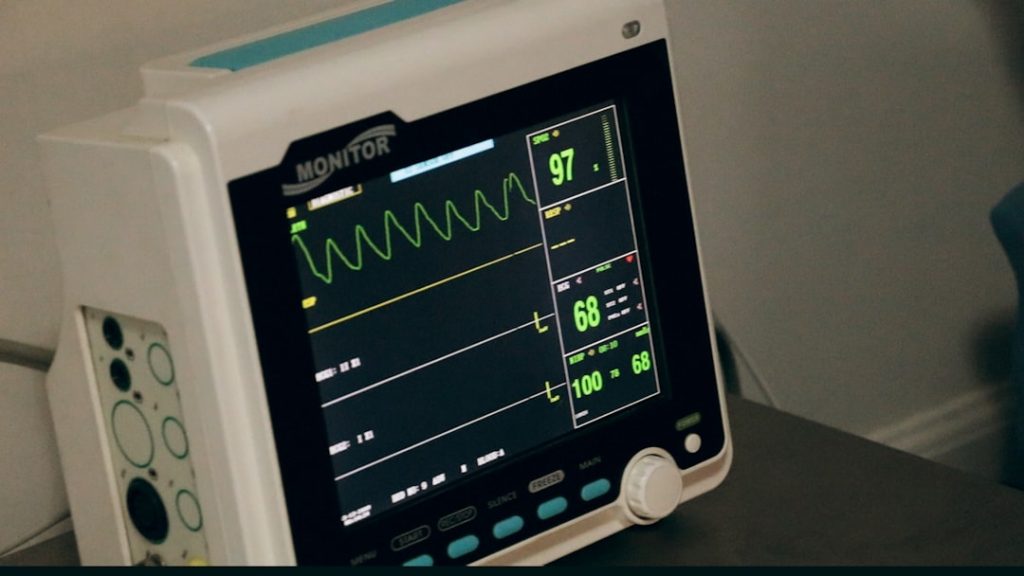
The Investigational Device Exemption (IDE) medical device represents a pivotal advancement in the realm of healthcare, allowing for the exploration and testing of innovative medical technologies that have not yet received full approval from regulatory bodies such as the U.S. Food and Drug Administration (FDA). This exemption is crucial for manufacturers and researchers, as it provides a pathway to gather essential data on the safety and effectiveness of new devices through clinical trials.
The IDE process is designed to ensure that while new devices are being evaluated, patient safety remains a top priority, allowing for the collection of valuable information that can lead to improved treatment options. The IDE medical device framework is not merely a regulatory formality; it embodies a commitment to innovation in medicine. By facilitating clinical trials, the IDE process enables healthcare professionals to assess new technologies in real-world settings, ultimately leading to advancements that can significantly enhance patient care.

The devices that fall under this category can range from cutting-edge surgical instruments to sophisticated diagnostic tools, each with the potential to transform how medical conditions are diagnosed and treated. As such, understanding the IDE medical device is essential for grasping the future trajectory of healthcare innovation.
Key Takeaways
- The IDE Medical Device introduces innovative technology aimed at improving healthcare outcomes.
- It significantly impacts healthcare by enhancing diagnostic accuracy and treatment efficiency.
- The device operates through advanced mechanisms that integrate seamlessly with existing medical systems.
- Development of the IDE Medical Device involves cutting-edge research and continuous innovation.
- Despite its benefits, the device faces challenges such as regulatory hurdles and integration limitations.
The Impact of the IDE Medical Device on Healthcare

The impact of IDE medical devices on healthcare is profound and multifaceted. By allowing for the testing of new technologies in clinical settings, IDEs have accelerated the pace at which innovative treatments can be brought to market. This rapid development cycle is particularly crucial in fields such as cardiology, oncology, and neurology, where timely interventions can mean the difference between life and death.
For instance, consider the development of a new stent designed to treat coronary artery disease. Through the IDE process, researchers can conduct trials that provide critical data on the stent’s performance, leading to quicker adoption and improved patient outcomes. Moreover, IDE medical devices often pave the way for personalized medicine.
As healthcare increasingly shifts towards tailored treatments based on individual patient profiles, IDEs facilitate the exploration of devices that can cater to specific needs. For example, wearable health monitors that track vital signs in real-time can be tested under an IDE framework, allowing developers to refine their technology based on direct feedback from patients and healthcare providers. This iterative process not only enhances device efficacy but also fosters a culture of collaboration between innovators and clinicians, ultimately benefiting patients through more effective and personalized care.
How the IDE Medical Device Works
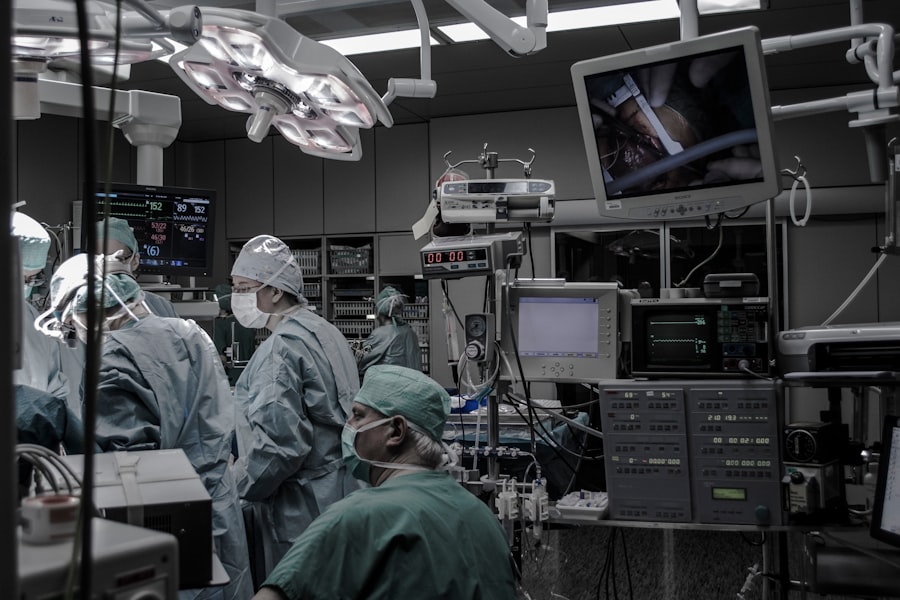
The operational framework of an IDE medical device is built upon rigorous regulatory guidelines that ensure both safety and efficacy during clinical trials. When a manufacturer seeks an IDE, they must submit a comprehensive application to the FDA detailing their proposed study protocol, including objectives, methodology, and plans for data collection and analysis. This application undergoes thorough review by regulatory experts who assess the potential risks and benefits associated with the device.
If approved, the manufacturer can initiate clinical trials involving human subjects, which are conducted under strict ethical standards. During these trials, data is meticulously collected regarding the device’s performance, side effects, and overall impact on patient health. The trials are typically divided into phases, with each phase designed to answer specific research questions.
For instance, early-phase trials may focus on safety and tolerability, while later phases might evaluate effectiveness compared to existing treatments. Throughout this process, continuous monitoring ensures that any adverse events are promptly addressed, safeguarding participant welfare. The insights gained from these trials are invaluable; they not only inform regulatory decisions but also guide future iterations of the device, enhancing its design and functionality.
The Development and Innovation behind the IDE Medical Device
The development of IDE medical devices is a complex interplay of scientific research, engineering innovation, and regulatory navigation. At its core lies a commitment to advancing medical technology through rigorous testing and validation. Researchers often begin with a hypothesis about how a new device could improve patient outcomes or address unmet medical needs.
This initial concept undergoes extensive laboratory testing before moving into preclinical studies involving animal models. These preliminary stages are critical for identifying potential issues and refining the device’s design. Once a device demonstrates promise in preclinical studies, it can then transition into the IDE phase.
This transition is marked by collaboration among multidisciplinary teams that include engineers, clinicians, regulatory experts, and biostatisticians. Each team member plays a vital role in ensuring that the device not only meets technical specifications but also aligns with clinical needs and regulatory requirements. For example, in developing a new orthopedic implant, engineers must work closely with surgeons to understand anatomical considerations while also ensuring compliance with FDA guidelines.
This collaborative approach fosters innovation while maintaining a focus on patient safety and efficacy.
The Benefits of Using the IDE Medical Device for Patients and Healthcare Providers
| Metric | Description | Typical Values | Notes |
|---|---|---|---|
| Device Type | Category of the IDE medical device | Diagnostic, Therapeutic, Monitoring | Varies based on intended use |
| Clinical Trial Phase | Stage of clinical investigation under IDE | Feasibility, Pivotal | Determines data collection scope |
| Number of Subjects | Participants enrolled in IDE study | 10 – 1000+ | Depends on study design and device risk |
| Study Duration | Length of clinical investigation | 6 months – 3 years | Includes follow-up periods |
| Primary Endpoint | Main outcome measured in the study | Safety, Effectiveness | Defined by study protocol |
| Adverse Event Rate | Incidence of negative effects during study | Varies by device and indication | Monitored closely for safety |
| FDA Approval Status | Regulatory status post-IDE study | Pending, Approved, Denied | Based on clinical data submission |
The benefits of utilizing IDE medical devices extend beyond mere technological advancement; they encompass improved patient outcomes and enhanced operational efficiencies for healthcare providers. For patients, access to cutting-edge treatments through clinical trials can be life-changing. Many individuals facing serious health conditions may find themselves with limited options; participating in an IDE trial can provide access to novel therapies that are not yet available through standard care pathways.
This access can be particularly crucial for patients with rare diseases or those who have exhausted conventional treatment options. For healthcare providers, IDE medical devices offer opportunities to stay at the forefront of medical innovation. By participating in clinical trials, providers can gain firsthand experience with new technologies before they become widely available.
This early exposure allows them to better understand how these devices can be integrated into existing treatment protocols, ultimately enhancing their ability to deliver high-quality care. Additionally, involvement in research can foster professional development and collaboration among healthcare teams, creating an environment where continuous learning and improvement are prioritized.
The Future of Healthcare with the IDE Medical Device
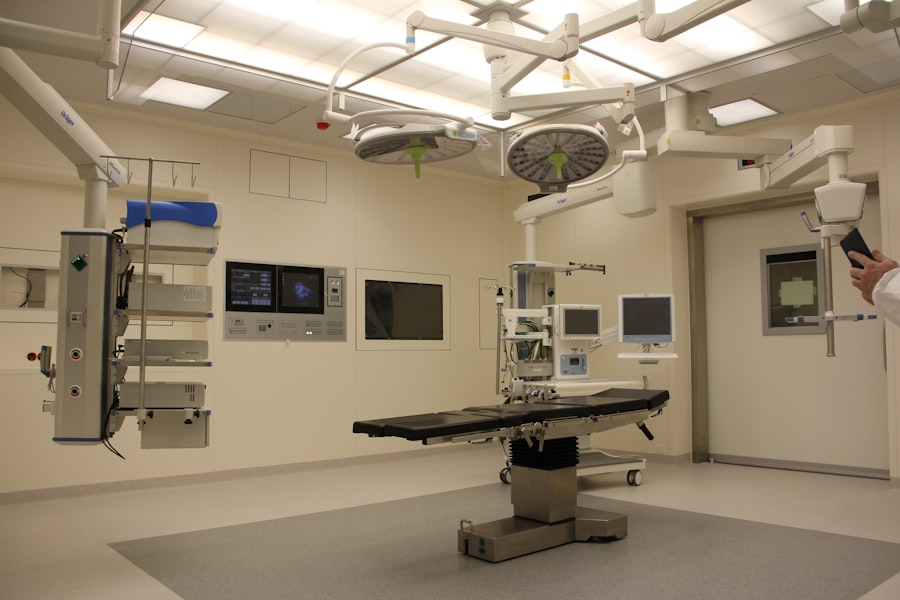
Looking ahead, the future of healthcare is poised for transformation through the continued evolution of IDE medical devices. As technology advances at an unprecedented pace, we can expect to see an influx of innovative devices designed to address complex health challenges. For instance, advancements in artificial intelligence (AI) and machine learning are likely to play a significant role in shaping future IDE devices.
These technologies can enhance diagnostic accuracy and treatment personalization by analyzing vast amounts of patient data in real-time. Moreover, as telemedicine becomes increasingly integrated into healthcare delivery models, IDE medical devices will likely evolve to accommodate remote monitoring and virtual consultations. Devices that enable patients to track their health metrics from home will become essential tools for managing chronic conditions and facilitating timely interventions.
This shift towards remote care not only improves accessibility but also empowers patients to take an active role in their health management.
Challenges and Limitations of the IDE Medical Device
Despite their potential benefits, IDE medical devices face several challenges and limitations that must be addressed to maximize their impact on healthcare. One significant hurdle is the regulatory landscape itself; navigating the complexities of obtaining an IDE can be daunting for manufacturers, particularly smaller companies or startups with limited resources. The application process requires substantial documentation and adherence to stringent guidelines, which can delay the initiation of clinical trials.
Additionally, there are inherent risks associated with clinical trials involving investigational devices. Patient safety remains paramount; however, unforeseen complications may arise during trials that could jeopardize participant well-being or lead to negative publicity for the device manufacturer. Furthermore, recruitment for clinical trials can be challenging; potential participants may be hesitant to enroll due to concerns about safety or uncertainty regarding the experimental nature of the treatment.
These challenges necessitate ongoing dialogue between manufacturers, regulatory bodies, and healthcare providers to ensure that patient safety is prioritized while fostering innovation.
The Potential of the IDE Medical Device in Revolutionizing Healthcare
The Investigational Device Exemption (IDE) medical device framework holds immense potential for revolutionizing healthcare by facilitating the development and testing of innovative technologies that can significantly improve patient outcomes. As we continue to navigate an era marked by rapid technological advancements and evolving healthcare needs, IDEs will play a crucial role in bridging the gap between research and clinical practice. By enabling rigorous testing of new devices while prioritizing patient safety, the IDE process fosters an environment where innovation can thrive.
As we look toward the future, it is clear that IDE medical devices will be instrumental in shaping the landscape of modern medicine. With ongoing advancements in technology and a commitment to collaboration among stakeholders in healthcare, we can anticipate a future where patients have access to safer, more effective treatments tailored to their unique needs. The journey of bringing an IDE medical device from concept to clinical use may be fraught with challenges; however, its potential to transform lives makes it a worthy endeavor in the pursuit of better health outcomes for all.
