

Preclinical testing serves as a critical phase in the drug development process, acting as a bridge between laboratory research and clinical trials. This stage is essential for evaluating the safety and biological activity of new compounds before they are administered to humans. Typically, preclinical testing involves a series of experiments conducted in vitro (in the lab) and in vivo (in living organisms, often animal models) to gather preliminary data on the pharmacological properties of a drug candidate.
The primary goal is to identify any potential toxic effects and to establish a foundational understanding of how the drug interacts with biological systems. The significance of preclinical testing cannot be overstated, as it lays the groundwork for subsequent phases of drug development. Regulatory agencies, such as the U.S.

Food and Drug Administration (FDA) and the European Medicines Agency (EMA), require comprehensive preclinical data before granting approval for clinical trials. This requirement ensures that only those compounds with a favorable safety profile and promising efficacy move forward, thereby protecting human subjects from unnecessary risks. As such, preclinical testing is not merely a formality; it is a rigorous scientific process that demands meticulous attention to detail and adherence to ethical standards.
Key Takeaways
- Preclinical testing is essential for evaluating drug safety and efficacy before human trials.
- It involves various types of studies, including in vitro and in vivo experiments.
- Ensuring safety and efficacy during preclinical testing helps prevent harmful effects in humans.
- Ethical concerns and limitations, such as animal welfare and predictive accuracy, are significant challenges.
- Advances in technology are improving preclinical testing methods, shaping the future of drug development.
The Role of Preclinical Testing in Drug Development

Preclinical testing plays a multifaceted role in drug development, serving both as a risk assessment tool and as a means of hypothesis generation. By evaluating the pharmacokinetics (how the body absorbs, distributes, metabolizes, and excretes a drug) and pharmacodynamics (the effects of the drug on the body), researchers can gain insights into the potential therapeutic window of a compound. This information is crucial for determining appropriate dosing regimens and identifying potential side effects that may arise during human trials.
Moreover, preclinical studies often involve the use of various animal models that mimic human diseases, allowing researchers to observe how a drug behaves in a living organism. For instance, if a new cancer treatment is being developed, researchers might use mouse models that have been genetically engineered to develop tumors similar to those found in humans. This approach not only helps in assessing the efficacy of the drug but also provides valuable information about its mechanism of action, potential resistance pathways, and optimal combination therapies.
Thus, preclinical testing is integral to refining drug candidates and ensuring that they are both safe and effective before entering human trials.
Types of Preclinical Testing
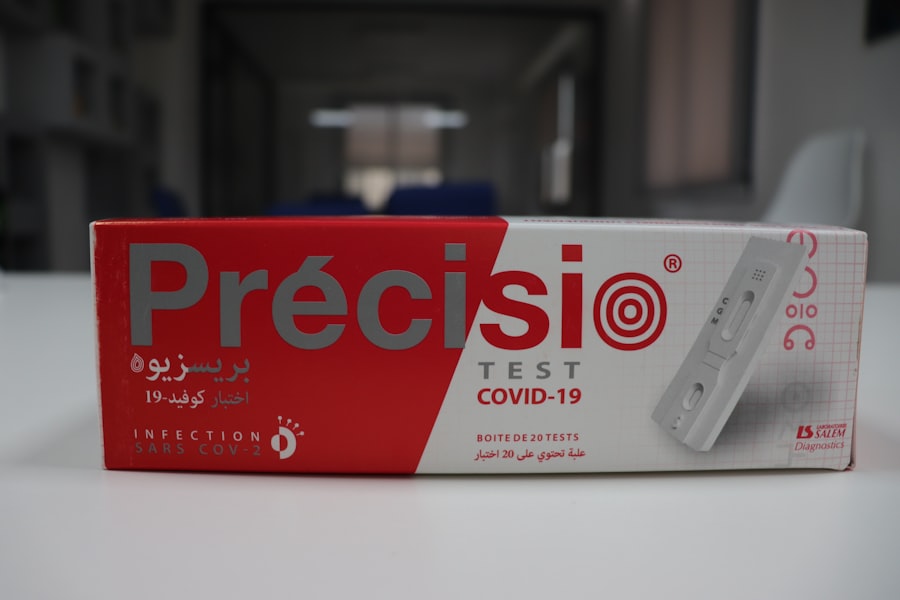
Preclinical testing encompasses several types of studies, each designed to address specific aspects of drug development. One of the primary types is pharmacological testing, which evaluates the drug’s effects on biological systems. This includes assessing its mechanism of action, potency, and therapeutic index.
For example, researchers may conduct dose-response studies to determine the minimum effective dose that produces a desired effect while minimizing adverse reactions. Toxicology studies are another critical component of preclinical testing. These studies aim to identify any harmful effects that a drug may have on various organ systems.
Acute toxicity tests assess the immediate effects of a single high dose, while chronic toxicity studies evaluate the long-term effects of repeated dosing over an extended period. Additionally, reproductive and developmental toxicity studies are conducted to understand how a drug may affect fertility or fetal development. By employing these diverse testing methodologies, researchers can build a comprehensive safety profile for each drug candidate.
Importance of Safety and Efficacy in Preclinical Testing
The dual focus on safety and efficacy during preclinical testing is paramount for successful drug development. Safety assessments are designed to identify any potential adverse effects that could arise from drug administration. This includes evaluating both systemic toxicity and organ-specific toxicity, which can vary significantly depending on the compound’s chemical structure and mechanism of action.
For instance, certain chemotherapeutic agents may exhibit dose-dependent toxicity that affects bone marrow function, leading to immunosuppression or anemia. Efficacy assessments are equally important, as they provide evidence that a drug can produce the desired therapeutic effect in relevant biological models. This often involves comparing the new compound against existing treatments or placebos in controlled experiments.
The results from these studies help researchers determine whether the drug has sufficient therapeutic potential to warrant further investigation in clinical trials. A robust demonstration of both safety and efficacy is essential not only for regulatory approval but also for gaining the trust of healthcare providers and patients who will ultimately use the medication.
Challenges and Limitations in Preclinical Testing
| Metric | Description | Typical Range/Value | Importance |
|---|---|---|---|
| In vitro Assay Success Rate | Percentage of compounds showing desired activity in cell-based or biochemical assays | 10% – 30% | Indicates initial compound efficacy and potential |
| In vivo Efficacy | Effectiveness of the compound in animal models | Variable; often 20% – 50% success in models | Predicts potential therapeutic benefit in humans |
| Toxicity Assessment | Evaluation of adverse effects in animal studies | LD50, NOAEL values specific to compound | Ensures safety before clinical trials |
| Pharmacokinetics (PK) | Absorption, distribution, metabolism, and excretion profiles in animals | Half-life: hours to days; Bioavailability: 20% – 80% | Determines dosing and delivery method |
| Pharmacodynamics (PD) | Relationship between drug concentration and effect | EC50 or IC50 values in relevant models | Helps understand mechanism of action |
| Safety Pharmacology | Assessment of effects on vital organ systems (e.g., cardiovascular, CNS) | Negative or minimal adverse effects preferred | Reduces risk of clinical trial failure |
| Metabolite Identification | Characterization of drug metabolites in preclinical species | Identification of major metabolites | Important for understanding drug metabolism and potential toxicity |
| Preclinical Study Duration | Time taken to complete preclinical testing | 6 months to 2 years | Impacts overall drug development timeline |
Despite its critical role in drug development, preclinical testing is fraught with challenges and limitations that can impact the success rate of new therapies. One significant challenge is the translational gap between animal models and human physiology. While animal studies provide valuable insights, they do not always accurately predict human responses due to differences in metabolism, immune response, and disease progression.
For example, many drugs that show promise in rodent models fail during clinical trials because they do not exhibit the same efficacy or safety profile in humans. Another limitation lies in the complexity of diseases themselves. Many conditions, such as cancer or neurodegenerative disorders, involve multifactorial processes that are difficult to replicate in preclinical models.
This complexity can lead to oversimplified conclusions about a drug’s potential effectiveness or safety. Additionally, ethical considerations surrounding animal testing pose another challenge; there is an ongoing debate about the moral implications of using animals for research purposes, which has led to calls for alternative methods that could reduce or replace animal use.
Ethical Considerations in Preclinical Testing
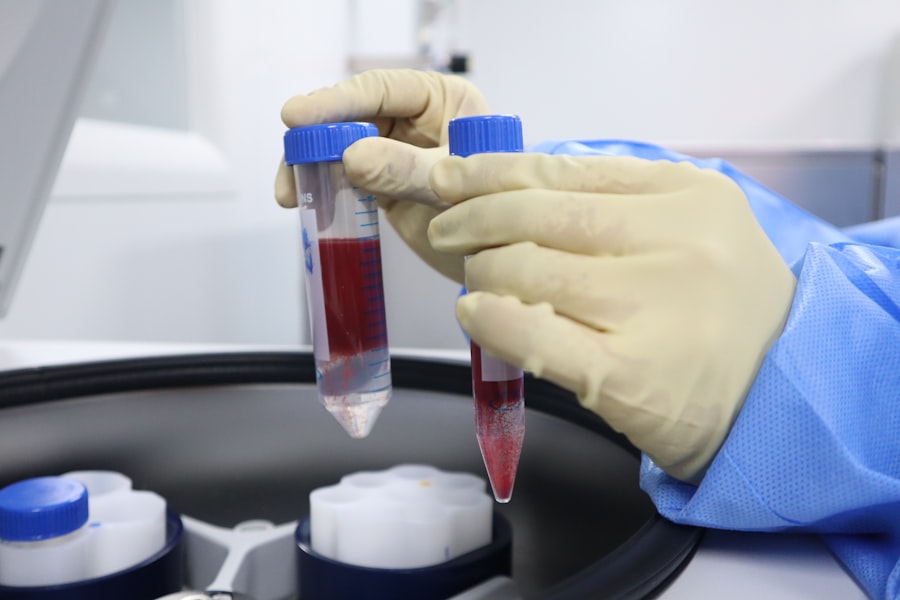
Ethical considerations are paramount in preclinical testing, particularly regarding the use of animal models. The principles of the 3Rs—Replacement, Reduction, and Refinement—guide researchers in conducting ethical research practices. Replacement refers to finding alternatives to animal testing whenever possible; this could involve using computer modeling or in vitro assays that do not require live subjects.
Reduction emphasizes minimizing the number of animals used in experiments while still obtaining statistically significant results. Refinement focuses on improving experimental techniques to enhance animal welfare and reduce suffering. Moreover, ethical oversight is typically provided by Institutional Animal Care and Use Committees (IACUCs) or equivalent bodies that review research proposals involving animal subjects.
These committees ensure that studies are designed with ethical considerations in mind and that they comply with relevant regulations and guidelines. Researchers must justify their use of animals by demonstrating that their studies have scientific merit and that they are likely to yield valuable information that cannot be obtained through alternative methods.
Advances in Preclinical Testing Techniques
Recent advancements in technology have significantly enhanced preclinical testing methodologies, leading to more accurate predictions of human responses and improved efficiency in drug development. One notable advancement is the use of organ-on-a-chip technology, which involves creating microfluidic devices that mimic human organ systems at a cellular level. These chips allow researchers to study drug interactions within a controlled environment that closely resembles human physiology, providing insights into pharmacokinetics and toxicology without relying solely on animal models.
Additionally, high-throughput screening techniques have revolutionized the way compounds are evaluated for their biological activity. By automating the screening process, researchers can rapidly assess thousands of compounds for their potential therapeutic effects against specific targets or disease models. This efficiency not only accelerates the identification of promising candidates but also reduces costs associated with traditional screening methods.
Future Implications of Preclinical Testing in Drug Development
The future of preclinical testing holds great promise as innovations continue to emerge within the field. As our understanding of genomics and personalized medicine expands, preclinical testing may increasingly incorporate patient-derived cells or tissues to create more relevant models for evaluating drug efficacy and safety. This approach could lead to more tailored therapies that account for individual genetic variations, ultimately improving treatment outcomes.
Furthermore, advancements in artificial intelligence (AI) and machine learning are poised to transform preclinical testing by enabling more sophisticated data analysis and predictive modeling. These technologies can help identify potential safety concerns earlier in the development process by analyzing vast datasets from previous studies and clinical trials. As regulatory agencies adapt to these technological advancements, we may see a shift toward more streamlined approval processes that leverage innovative preclinical methodologies while maintaining rigorous safety standards.
In conclusion, preclinical testing remains an indispensable component of drug development, providing essential insights into safety and efficacy while navigating ethical considerations and technological advancements. As researchers continue to refine their approaches and embrace new technologies, the landscape of preclinical testing will evolve, ultimately leading to more effective therapies for patients worldwide.
