

The National Institutes of Health (NIH) Clinical Trials Database serves as a comprehensive repository for information on clinical studies conducted across the globe. Established to enhance transparency and accessibility, this database is a vital resource for researchers, healthcare professionals, and patients alike. It provides detailed information about ongoing and completed clinical trials, including their objectives, methodologies, and outcomes.
The database is part of a broader initiative to promote public awareness of clinical research and to facilitate patient participation in studies that may lead to groundbreaking medical advancements. The NIH Clinical Trials Database is particularly significant in the context of evidence-based medicine. By cataloging a wide array of clinical trials, it allows stakeholders to track the progress of research in various fields, from oncology to neurology.

This centralized platform not only aids in the dissemination of knowledge but also fosters collaboration among researchers and institutions. As a result, the database plays a crucial role in accelerating the development of new therapies and improving patient care.
Key Takeaways
- The NIH Clinical Trials Database provides comprehensive information on ongoing and completed clinical studies.
- Users can easily search and access trial details based on condition, location, and trial phase.
- The database includes various types of trials, from drug testing to behavioral interventions.
- Participating in clinical trials offers potential access to new treatments but involves understanding associated risks.
- Support resources and guidance on informed consent help participants make informed decisions.
How to Access and Use the NIH Clinical Trials Database

Accessing the NIH Clinical Trials Database is straightforward and user-friendly. The database can be found online at ClinicalTrials.gov, where users can search for trials using various criteria such as location, condition, intervention, and phase of the study. The search interface is designed to accommodate both laypersons and professionals, making it easy for anyone interested in clinical research to find relevant information.
Users can filter results based on specific parameters, allowing for a tailored search experience that meets individual needs. Once users have located a trial of interest, they can delve into detailed descriptions that include essential information such as eligibility criteria, study design, and contact details for the research team. Each listing typically provides insights into the trial’s purpose, the interventions being tested, and the expected outcomes.
This level of detail empowers potential participants to make informed decisions about their involvement in clinical research. Additionally, the database is regularly updated to reflect new studies and changes to existing trials, ensuring that users have access to the most current information available.
Understanding the Types of Clinical Trials Listed in the Database

The NIH Clinical Trials Database encompasses a diverse range of clinical trials, each designed to answer specific research questions. These trials can be broadly categorized into several types: interventional studies, observational studies, and expanded access studies. Interventional studies involve participants receiving specific treatments or interventions to evaluate their effects on health outcomes.
These trials are often randomized and controlled, providing robust data on the efficacy and safety of new therapies. Observational studies, on the other hand, do not involve any intervention by researchers; instead, they observe participants in a natural setting to gather data on health outcomes over time. These studies are crucial for understanding disease progression and treatment effectiveness in real-world scenarios.
Expanded access studies provide patients with access to investigational drugs or devices outside of clinical trials when no satisfactory alternatives are available. Each type of trial plays a unique role in advancing medical knowledge and improving patient care.
Exploring New Treatments for Various Medical Conditions
One of the most compelling aspects of the NIH Clinical Trials Database is its role in facilitating the exploration of new treatments for a wide array of medical conditions. From chronic diseases like diabetes and hypertension to rare genetic disorders, the database lists trials that aim to develop innovative therapies and improve existing treatment protocols. For instance, recent trials have focused on novel immunotherapies for cancer patients, showcasing how cutting-edge research is being translated into potential life-saving treatments.
Moreover, the database highlights studies investigating emerging technologies such as gene therapy and personalized medicine. These approaches aim to tailor treatments based on individual genetic profiles, offering hope for more effective interventions with fewer side effects. By providing access to information about these groundbreaking studies, the NIH Clinical Trials Database empowers patients to consider participation in trials that may offer them access to cutting-edge therapies not yet available through standard care.
Benefits and Risks of Participating in Clinical Trials
| Metric | Description | Value | Last Updated |
|---|---|---|---|
| Total Registered Trials | Number of clinical trials registered in the NIH database | 450,000+ | June 2024 |
| Active Recruiting Trials | Trials currently recruiting participants | 25,000+ | June 2024 |
| Completed Trials | Trials that have been completed | 300,000+ | June 2024 |
| Trials by Phase | Distribution of trials by clinical phase | Phase 1: 15%, Phase 2: 35%, Phase 3: 40%, Phase 4: 10% | June 2024 |
| Conditions Studied | Number of unique medical conditions covered | 10,000+ | June 2024 |
| Locations | Number of countries with registered trials | 100+ | June 2024 |
Participating in clinical trials presents both potential benefits and risks that individuals must carefully consider before enrolling. On one hand, participants may gain access to new treatments that are not yet available to the general public. This can be particularly appealing for patients with conditions that have limited treatment options or for those who have not responded well to existing therapies.
Additionally, participants often receive close monitoring from healthcare professionals throughout the trial, which can lead to improved health outcomes. However, there are inherent risks associated with clinical trial participation that must be acknowledged. Experimental treatments may not be effective for every individual, and there is always a possibility of experiencing adverse side effects that are not fully understood at the outset of the study.
Furthermore, participants may face additional time commitments related to follow-up visits and assessments. It is essential for individuals considering participation in a clinical trial to weigh these factors carefully and discuss them with their healthcare providers.
Finding Clinical Trials Near You
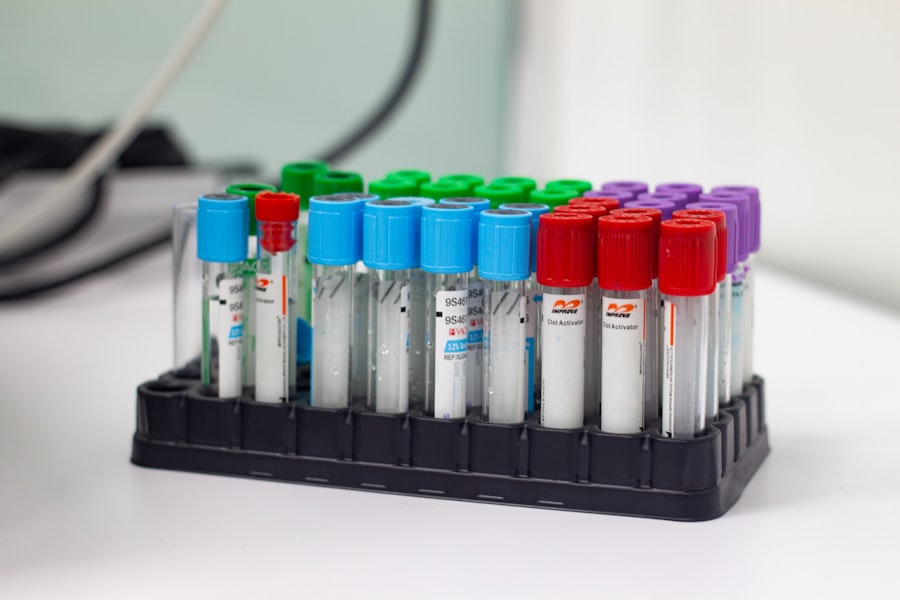
For individuals interested in participating in clinical trials, finding studies located nearby can significantly enhance accessibility and convenience. The NIH Clinical Trials Database offers tools that allow users to search for trials based on geographic location. By entering their zip code or city name into the search function, users can quickly identify relevant studies within their vicinity.
This feature is particularly beneficial for patients who may have mobility issues or those who prefer not to travel long distances for treatment. In addition to using the NIH database, individuals can also consult local hospitals, universities, and research institutions that may be conducting clinical trials. Many healthcare providers maintain their own databases or listings of ongoing studies that are open for enrollment.
Engaging with local patient advocacy groups can also provide valuable insights into available trials and help connect individuals with researchers actively seeking participants.
Navigating the Informed Consent Process
The informed consent process is a critical component of clinical trial participation that ensures participants understand what they are agreeing to before enrolling in a study. This process involves providing potential participants with comprehensive information about the trial’s purpose, procedures, risks, benefits, and their rights as participants. Researchers are required to present this information clearly and transparently, allowing individuals to make informed decisions about their involvement.
During this process, participants are encouraged to ask questions and seek clarification on any aspects they do not fully understand. It is essential for individuals to feel comfortable discussing their concerns with the research team before consenting to participate. The informed consent document itself should be written in plain language and should avoid technical jargon that could confuse potential participants.
This emphasis on clarity helps ensure that individuals are fully aware of what participation entails and can make choices aligned with their values and preferences.
Resources and Support for Participants in Clinical Trials
Recognizing that participation in clinical trials can be a complex journey, various resources and support systems are available for individuals considering enrollment. Many research institutions offer dedicated staff members who can assist potential participants throughout the process, from initial inquiries to post-trial follow-up care. These professionals can provide guidance on navigating eligibility criteria, understanding trial protocols, and addressing any concerns that may arise during participation.
Additionally, numerous online resources exist to support individuals interested in clinical trials. Websites such as ClinicalTrials.gov provide extensive information about ongoing studies, while patient advocacy organizations often offer educational materials tailored to specific conditions or treatment options. These organizations can also connect individuals with others who have participated in similar trials, fostering a sense of community and shared experience that can be invaluable during what may be an uncertain time in their healthcare journey.
