
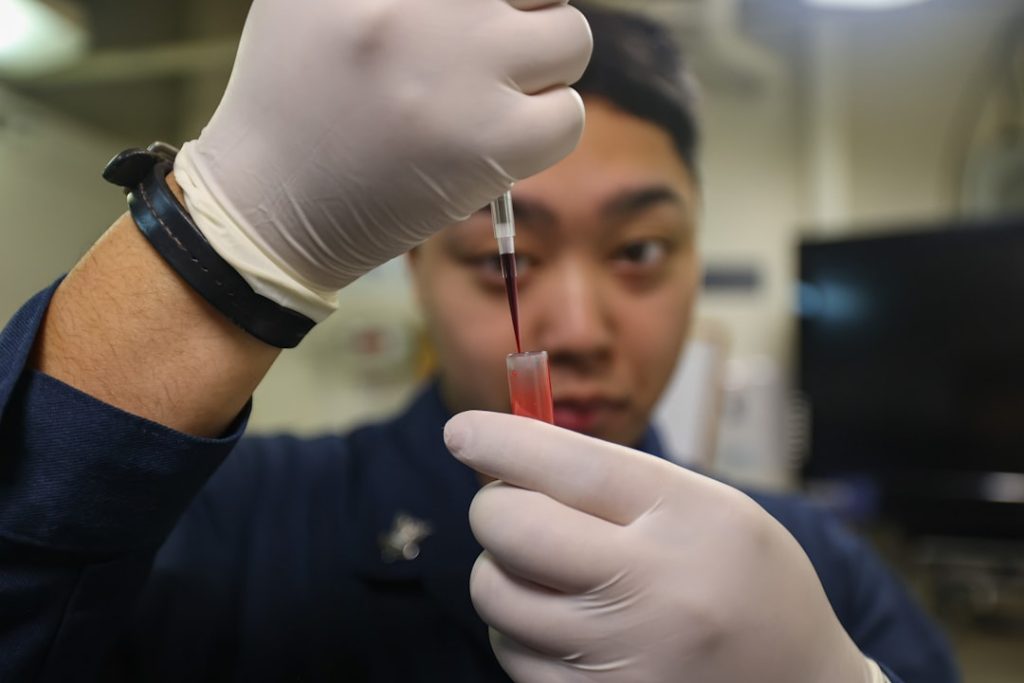
Clinical research serves as the backbone of medical advancement, providing the necessary evidence to support new treatments, therapies, and medical devices. As the healthcare landscape evolves, so too does the methodology and technology that underpin clinical trials. The advancement of clinical research is not merely a matter of improving existing processes; it is about reimagining how we approach the complexities of human health and disease.
The integration of innovative technologies, data analytics, and patient-centric approaches is transforming the way clinical trials are designed and executed, ultimately leading to more effective and efficient outcomes. The importance of advancing clinical research cannot be overstated. It is through rigorous clinical trials that new drugs are tested for safety and efficacy before they reach the market.

Moreover, these trials provide critical insights into disease mechanisms, treatment responses, and patient populations. As we face an increasing burden of chronic diseases and emerging health threats, the need for robust clinical research becomes even more pressing. The convergence of technology and research methodologies is paving the way for a new era in clinical trials, one that promises to enhance the speed, accuracy, and relevance of medical discoveries.
Key Takeaways
- Cutting-edge technologies are transforming clinical research by improving data collection, analysis, and trial efficiency.
- Artificial intelligence plays a crucial role in accelerating research processes and enhancing data insights.
- Virtual and augmented reality offer innovative ways to conduct and simulate clinical trials.
- Wearable technology boosts patient engagement and real-time health monitoring during trials.
- Blockchain technology enhances transparency, security, and efficiency in clinical trial management.
The Role of Cutting-Edge Technology in Clinical Research

Cutting-edge technology plays a pivotal role in reshaping clinical research methodologies. The advent of electronic health records (EHRs), mobile health applications, and telemedicine has revolutionized how data is collected and managed. EHRs facilitate real-time access to patient information, allowing researchers to identify suitable candidates for trials more efficiently.
This not only accelerates recruitment but also enhances the quality of data collected, as it is derived from comprehensive patient histories. Moreover, mobile health applications empower patients to participate in clinical research from the comfort of their homes. These applications can track symptoms, medication adherence, and lifestyle factors, providing researchers with a wealth of real-time data.
This shift towards decentralized trials—where patients are not required to visit clinical sites—has been particularly beneficial during the COVID-19 pandemic, highlighting the need for flexibility in research methodologies. By leveraging technology, researchers can engage a broader demographic, ensuring that clinical trials are more representative of diverse populations.
Innovations in Data Collection and Analysis
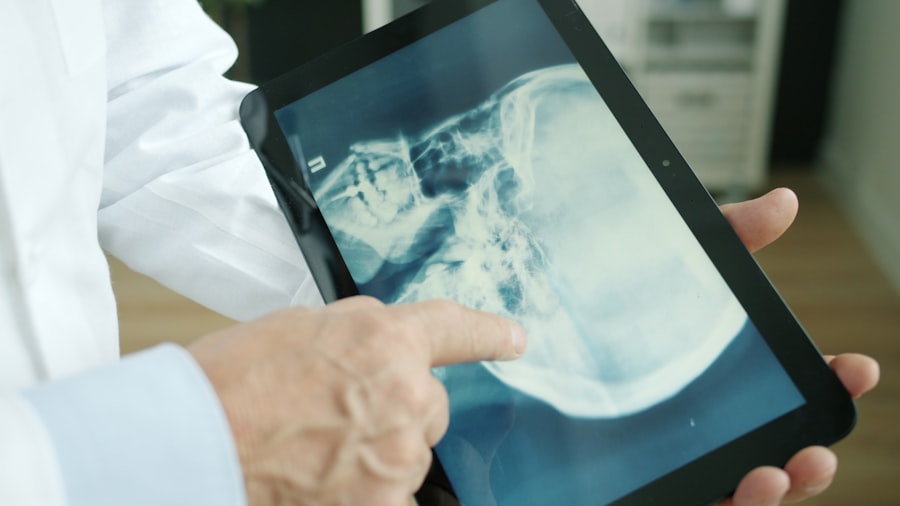
The landscape of data collection and analysis in clinical research has undergone significant transformation due to technological advancements. Traditional methods often relied on paper-based systems that were time-consuming and prone to errors. In contrast, modern innovations such as electronic data capture (EDC) systems streamline the process by allowing researchers to input data directly into digital platforms.
This not only enhances accuracy but also facilitates real-time monitoring of trial progress. Furthermore, the integration of big data analytics has revolutionized how researchers interpret complex datasets. Advanced statistical techniques and machine learning algorithms enable researchers to uncover patterns and correlations that were previously difficult to detect.
For instance, predictive analytics can identify potential adverse events before they occur, allowing for proactive measures to be taken. This level of insight not only improves patient safety but also enhances the overall quality of clinical trials by ensuring that interventions are tailored to specific patient needs.
The Impact of Artificial Intelligence on Clinical Research
Artificial intelligence (AI) is at the forefront of transforming clinical research methodologies. By harnessing vast amounts of data, AI algorithms can assist in various stages of clinical trials—from patient recruitment to data analysis. One notable application is in identifying suitable candidates for trials based on their medical histories and genetic profiles.
AI can analyze EHRs and genomic databases to match patients with specific trial criteria more efficiently than traditional methods. Moreover, AI-driven tools can enhance data analysis by automating the identification of trends and anomalies within large datasets. For example, natural language processing (NLP) can be employed to sift through unstructured data from clinical notes or research publications, extracting relevant information that can inform trial design or therapeutic strategies.
This capability not only accelerates the research process but also allows for a more nuanced understanding of patient responses to treatments.
Utilizing Virtual and Augmented Reality in Clinical Trials
| Metric | Description | Typical Value/Range | Unit |
|---|---|---|---|
| Patient Recruitment Rate | Number of patients enrolled per month in clinical trials | 10 – 100 | patients/month |
| Data Entry Error Rate | Percentage of errors found in electronic data capture (EDC) systems | 0.5% – 2% | % |
| Protocol Deviation Rate | Percentage of clinical trial visits with protocol deviations | 1% – 5% | % |
| Average Study Start-Up Time | Time from site selection to first patient enrolled | 3 – 6 | months |
| eConsent Adoption Rate | Percentage of studies using electronic informed consent technology | 40% – 70% | % |
| Remote Monitoring Coverage | Percentage of clinical trial data monitored remotely | 30% – 60% | % |
| Clinical Trial Management System (CTMS) Usage | Percentage of trials managed using CTMS software | 70% – 90% | % |
| Average Time to Database Lock | Time from last patient last visit to database lock | 1 – 3 | months |
Virtual reality (VR) and augmented reality (AR) technologies are emerging as powerful tools in clinical research, offering innovative ways to enhance patient engagement and training. In clinical trials, VR can be used to simulate treatment environments or procedures, allowing patients to familiarize themselves with what to expect during their participation. This immersive experience can alleviate anxiety and improve compliance by providing a clearer understanding of trial protocols.
AR technology can also play a significant role in training healthcare professionals involved in clinical trials. By overlaying digital information onto real-world environments, AR can assist in demonstrating complex procedures or treatment protocols. For instance, a researcher could use AR to visualize anatomical structures during a surgical trial, enhancing their understanding of how a new device interacts with human anatomy.
This not only improves training outcomes but also ensures that all personnel involved in the trial are well-prepared.
Enhancing Patient Engagement with Wearable Technology
Wearable technology has emerged as a game-changer in enhancing patient engagement within clinical trials. Devices such as smartwatches and fitness trackers enable continuous monitoring of patients’ physiological parameters, including heart rate, activity levels, and sleep patterns. This real-time data collection provides researchers with invaluable insights into how patients respond to treatments outside of controlled clinical settings.
The use of wearables also fosters a sense of ownership among participants regarding their health management. Patients can actively track their progress and share this information with researchers, leading to more personalized treatment approaches. For example, in trials for chronic conditions like diabetes or hypertension, wearables can help monitor adherence to medication regimens and lifestyle modifications, providing a comprehensive view of treatment efficacy over time.
Improving Clinical Trial Efficiency with Blockchain Technology
Blockchain technology is increasingly being recognized for its potential to enhance the efficiency and transparency of clinical trials. By creating a decentralized ledger that securely records all transactions related to trial data, blockchain can ensure data integrity and traceability. This is particularly important in an era where data breaches and fraud pose significant risks to research credibility.
One practical application of blockchain in clinical research is in managing consent processes. Smart contracts can automate consent management by securely storing patient consent information while allowing for easy access by authorized parties. This not only streamlines administrative processes but also enhances patient trust by ensuring that their data is handled transparently and ethically.
Additionally, blockchain can facilitate collaboration among multiple stakeholders—such as researchers, sponsors, and regulatory bodies—by providing a shared platform for accessing real-time trial data.
Ethical Considerations and Future Directions in Advancing Clinical Research
As clinical research continues to advance through technological innovations, ethical considerations must remain at the forefront of these developments. The use of AI and big data raises questions about privacy and consent; researchers must ensure that patient data is handled responsibly and transparently. Moreover, as trials become increasingly decentralized through digital platforms and wearables, maintaining participant engagement while safeguarding their rights becomes paramount.
Looking ahead, the future of clinical research will likely be characterized by an even greater emphasis on patient-centric approaches. Innovations such as telehealth consultations and remote monitoring will continue to evolve, making participation in clinical trials more accessible than ever before. Additionally, as regulatory frameworks adapt to accommodate these advancements, researchers will need to navigate complex ethical landscapes while ensuring that scientific integrity remains intact.
In conclusion, advancing clinical research through cutting-edge technology holds immense promise for improving healthcare outcomes. By embracing innovations in data collection, analysis, patient engagement, and ethical practices, the field is poised for transformative change that will ultimately benefit patients worldwide.
