

Sanofi, a global healthcare leader, is renowned for its commitment to advancing medical science through rigorous clinical trials. With a diverse portfolio that spans pharmaceuticals, vaccines, and consumer healthcare products, Sanofi plays a pivotal role in the development of innovative therapies aimed at addressing some of the most pressing health challenges worldwide. Clinical trials are essential to this mission, serving as the backbone of evidence-based medicine.
They provide the necessary data to evaluate the safety and efficacy of new treatments before they can be made available to the public. Sanofi’s clinical trials encompass a wide range of therapeutic areas, including oncology, diabetes, cardiovascular diseases, and rare diseases, reflecting the company’s dedication to improving patient outcomes across various health conditions. The clinical trial process at Sanofi is characterized by a commitment to scientific rigor and patient safety.

Each trial is meticulously designed to answer specific research questions while adhering to regulatory standards set forth by health authorities such as the U.S. Food and Drug Administration (FDA) and the European Medicines Agency (EMA). By leveraging advanced methodologies and technologies, Sanofi aims to streamline the development process, reduce time-to-market for new therapies, and ultimately enhance the quality of life for patients around the globe.
The company’s extensive experience in conducting clinical trials positions it as a leader in the pharmaceutical industry, with a strong focus on innovation and patient-centric approaches.
Key Takeaways
- Sanofi plays a significant role in advancing medical research through rigorous clinical trials.
- Clinical trials at Sanofi follow strict ethical guidelines to ensure patient safety and integrity.
- Patient participation is crucial for the success and development of new medical treatments.
- Sanofi’s clinical trials contribute to improving healthcare outcomes and innovative medicine.
- The future of Sanofi clinical trials focuses on cutting-edge research and enhanced patient-centered approaches.

Importance of Medical Research and Clinical Trials
Medical research is fundamental to the advancement of healthcare, providing the scientific foundation upon which new treatments and therapies are developed. Clinical trials are a critical component of this research landscape, as they are designed to test hypotheses about new drugs or interventions in a controlled environment. The importance of these trials cannot be overstated; they are essential for determining whether a new treatment is safe and effective for human use.
Without clinical trials, the medical community would lack the evidence needed to make informed decisions about patient care, leading to potentially harmful consequences. Moreover, clinical trials contribute significantly to the understanding of disease mechanisms and treatment responses. They allow researchers to gather data on how different populations respond to therapies, which can inform personalized medicine approaches.
For instance, trials that explore genetic variations among patients can lead to tailored treatments that are more effective for specific groups. This level of precision in medicine is increasingly important as healthcare moves towards more individualized care strategies. The insights gained from clinical trials not only benefit participants but also have far-reaching implications for public health policies and practices.
Sanofi’s Contribution to Advancing Medical Research

Sanofi has made substantial contributions to medical research through its extensive portfolio of clinical trials. The company invests heavily in research and development (R&D), with billions allocated annually to discover and develop new therapies. This investment is reflected in Sanofi’s robust pipeline of investigational drugs that target various diseases, including some that have historically been difficult to treat.
For example, Sanofi has been at the forefront of developing innovative treatments for diabetes, such as insulin glargine and other glucose-lowering agents that have transformed diabetes management. In addition to its focus on chronic diseases, Sanofi has also made significant strides in oncology research. The company has developed several groundbreaking cancer therapies that have improved survival rates for patients with various types of cancer.
By conducting clinical trials that explore novel combinations of existing therapies or new drug candidates, Sanofi continues to push the boundaries of what is possible in cancer treatment. The company’s commitment to advancing medical research is further exemplified by its collaborations with academic institutions and other research organizations, fostering an environment of innovation and knowledge sharing.
The Process of Conducting Clinical Trials at Sanofi
The process of conducting clinical trials at Sanofi is a complex and highly regulated endeavor that involves multiple phases, each designed to answer specific research questions. Initially, preclinical studies are conducted to gather preliminary data on a drug’s safety and efficacy in laboratory settings before moving on to human trials. Once a drug candidate demonstrates promise in preclinical studies, it enters Phase I trials, where it is tested on a small group of healthy volunteers or patients to assess safety and dosage levels.
Following successful Phase I trials, the drug progresses to Phase II trials, which involve a larger group of participants. These trials aim to evaluate the drug’s efficacy while continuing to monitor its safety profile. If Phase II results are favorable, the drug then advances to Phase III trials, where it is tested on thousands of participants across multiple sites.
This phase is crucial for determining how the drug performs in a real-world setting compared to existing treatments or placebos. Throughout this entire process, Sanofi employs rigorous data collection and analysis methods to ensure that results are reliable and scientifically valid.
Ethical Considerations in Sanofi Clinical Trials
| Trial Phase | Number of Trials | Therapeutic Area | Primary Endpoint | Average Duration (months) | Status |
|---|---|---|---|---|---|
| Phase 1 | 25 | Oncology | Safety and Tolerability | 12 | Ongoing |
| Phase 2 | 40 | Immunology | Efficacy and Dose Ranging | 18 | Recruiting |
| Phase 3 | 30 | Cardiovascular | Clinical Outcomes | 24 | Active, not recruiting |
| Phase 4 | 15 | Diabetes | Long-term Safety | 36 | Completed |
Ethical considerations are paramount in the conduct of clinical trials at Sanofi. The company adheres strictly to ethical guidelines established by regulatory bodies and international organizations, such as the Declaration of Helsinki and Good Clinical Practice (GCP) standards. Informed consent is a cornerstone of ethical clinical research; participants must be fully informed about the nature of the trial, potential risks, benefits, and their right to withdraw at any time without penalty.
Sanofi places great emphasis on transparency and communication with trial participants to ensure they understand their involvement. Additionally, Sanofi is committed to protecting vulnerable populations who may be involved in clinical trials. This includes ensuring equitable access to participation and safeguarding against exploitation.
The company actively engages with patient advocacy groups and community organizations to promote awareness about clinical trials and encourage diverse participation. By prioritizing ethical considerations throughout the trial process, Sanofi not only upholds its moral responsibilities but also enhances the credibility and integrity of its research efforts.
Patient Participation in Sanofi Clinical Trials
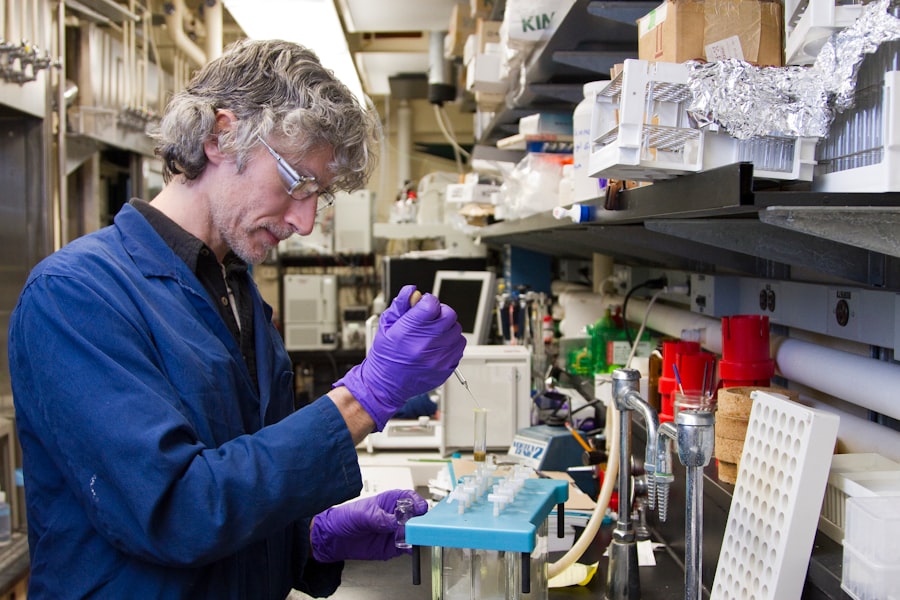
Patient participation is a critical element in the success of clinical trials at Sanofi. Engaging patients not only helps ensure that trials are designed with their needs in mind but also fosters a sense of ownership over their healthcare journey. Sanofi actively seeks out diverse patient populations for its trials, recognizing that variability in genetics, demographics, and health conditions can significantly impact treatment outcomes.
By including a broad spectrum of participants, Sanofi aims to generate data that is more representative of real-world patient experiences. To facilitate patient participation, Sanofi employs various strategies aimed at reducing barriers to enrollment. This includes providing clear information about trial protocols, potential benefits, and risks associated with participation.
The company also offers support services such as transportation assistance or telehealth options for follow-up visits when feasible. Furthermore, Sanofi has established patient advisory boards that allow individuals with lived experiences to provide input on trial design and implementation. This collaborative approach not only enhances trial relevance but also empowers patients by giving them a voice in the research process.
Impact of Sanofi Clinical Trials on Healthcare and Medicine
The impact of Sanofi’s clinical trials on healthcare and medicine is profound and far-reaching. By bringing innovative therapies to market through rigorous testing, Sanofi contributes significantly to improving patient outcomes across various therapeutic areas. For instance, the development of new vaccines through clinical trials has played a crucial role in controlling infectious diseases globally.
Sanofi’s work on vaccines for influenza and dengue fever exemplifies how clinical research can lead to life-saving interventions that protect public health. Moreover, the insights gained from Sanofi’s clinical trials often extend beyond individual therapies; they contribute to broader medical knowledge that informs treatment guidelines and healthcare policies. For example, findings from oncology trials can lead to updated protocols for cancer treatment that benefit not only trial participants but also countless other patients worldwide.
As new data emerges from these studies, healthcare providers can make more informed decisions about patient care, ultimately leading to improved health outcomes on a population level.
Future of Sanofi Clinical Trials and Medical Research
Looking ahead, the future of Sanofi’s clinical trials and medical research appears promising as the company continues to embrace innovation and adapt to evolving healthcare landscapes. Advances in technology, such as artificial intelligence (AI) and machine learning (ML), are poised to revolutionize how clinical trials are designed and conducted. These technologies can enhance patient recruitment strategies by identifying suitable candidates more efficiently or optimizing trial protocols based on real-time data analysis.
Additionally, as personalized medicine gains traction, Sanofi is likely to focus on developing targeted therapies that cater to specific patient populations based on genetic or biomarker profiles. This shift towards precision medicine will require an even greater emphasis on robust clinical trial designs that can accommodate diverse patient characteristics while ensuring safety and efficacy across different demographics. Furthermore, global collaboration will play an increasingly vital role in shaping the future of clinical research at Sanofi.
By partnering with academic institutions, biotech companies, and regulatory agencies worldwide, Sanofi can leverage collective expertise and resources to accelerate drug development processes while maintaining high ethical standards. As healthcare continues to evolve in response to emerging challenges such as pandemics or antibiotic resistance, Sanofi’s commitment to advancing medical research through innovative clinical trials will remain essential in driving progress toward better health outcomes for all.
