

Clinical trials serve as the cornerstone of medical research, providing the necessary framework to evaluate the safety and efficacy of new treatments, drugs, and medical devices. These meticulously designed studies are essential for translating scientific discoveries into tangible health benefits for patients. By rigorously testing hypotheses in controlled environments, clinical trials help to ensure that new interventions are not only effective but also safe for human use.
The data generated from these trials can lead to groundbreaking advancements in medicine, influencing treatment protocols and improving patient outcomes across various diseases. Moreover, clinical trials play a critical role in understanding the complexities of human health. They allow researchers to explore the mechanisms of diseases, identify potential biomarkers, and assess the impact of various factors such as genetics, lifestyle, and environmental influences on health outcomes.

This comprehensive approach to research fosters innovation and drives the development of personalized medicine, where treatments can be tailored to individual patient profiles. As a result, clinical trials are not merely a regulatory requirement; they are a vital component of the healthcare ecosystem that propels medical science forward.
Key Takeaways
- Clinical trials are essential for advancing medical research and developing new treatments.
- Sanofi is dedicated to innovation and rigorous research through its clinical trial programs.
- Sanofi follows a structured and ethical process to conduct clinical trials ensuring patient safety.
- The company’s clinical trials have led to significant medical breakthroughs improving patient care.
- Patients can actively participate in Sanofi’s clinical trials, contributing to future medical advancements.
Sanofi’s Commitment to Innovation and Research

Sanofi, a global healthcare leader, has long been at the forefront of innovation in the pharmaceutical industry. The company’s commitment to research and development is evident in its substantial investment in clinical trials aimed at discovering new therapies for a wide range of diseases. Sanofi recognizes that innovation is not just about developing new drugs; it is about improving the quality of life for patients worldwide.
This philosophy drives the company to explore novel approaches in areas such as immunology, oncology, diabetes, and rare diseases. Sanofi’s dedication to advancing medical research is reflected in its collaborative efforts with academic institutions, healthcare providers, and patient advocacy groups. By fostering partnerships that leverage diverse expertise and resources, Sanofi enhances its ability to conduct impactful clinical trials.
The company actively engages with stakeholders throughout the research process, ensuring that patient perspectives are integrated into trial design and execution. This collaborative approach not only accelerates the pace of innovation but also aligns research objectives with real-world patient needs.
The Process of Conducting Clinical Trials at Sanofi
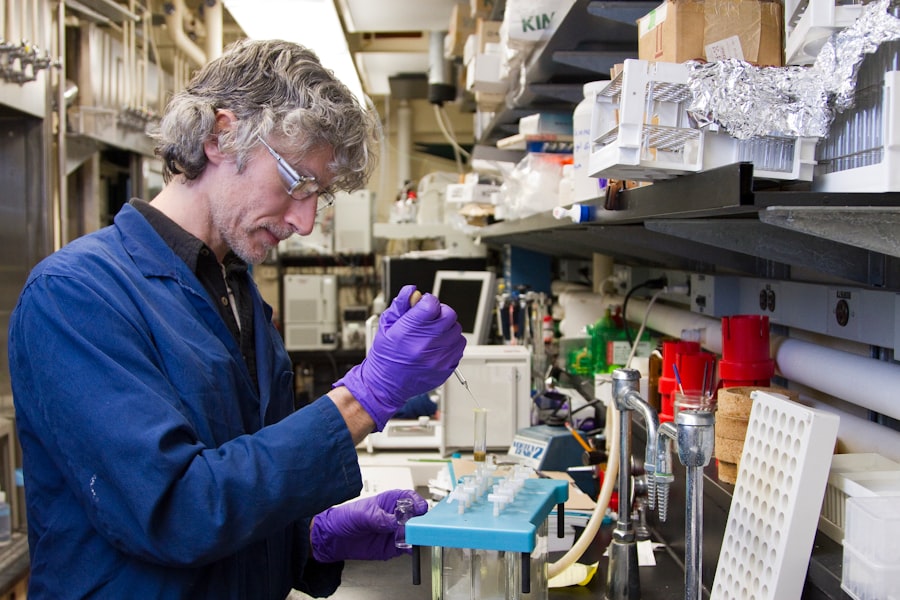
Conducting clinical trials at Sanofi involves a systematic and rigorous process designed to uphold the highest standards of scientific integrity and patient safety. The journey begins with preclinical research, where potential drug candidates are evaluated in laboratory settings and animal models to assess their biological activity and safety profile. Once a candidate demonstrates promise, Sanofi moves forward with designing a clinical trial protocol that outlines the study’s objectives, methodology, and statistical analysis plan.
The clinical trial process is typically divided into three phases. Phase I trials focus on assessing safety and dosage in a small group of healthy volunteers or patients. Phase II trials expand the participant pool to evaluate efficacy and further assess safety in a larger cohort.
Finally, Phase III trials involve thousands of participants across multiple sites to confirm effectiveness, monitor side effects, and compare the new treatment against standard therapies. Throughout each phase, Sanofi adheres to strict regulatory guidelines set forth by authorities such as the U.S. Food and Drug Administration (FDA) and the European Medicines Agency (EMA), ensuring that ethical considerations are prioritized.
Sanofi’s Contributions to Medical Breakthroughs Through Clinical Trials
Sanofi has made significant contributions to medical breakthroughs through its extensive portfolio of clinical trials. One notable example is its work in developing innovative treatments for diabetes management. The introduction of insulin glargine, a long-acting insulin analog, revolutionized diabetes care by providing patients with more stable blood glucose control compared to traditional insulin therapies.
Clinical trials demonstrated its efficacy and safety profile, leading to widespread adoption and improved outcomes for millions of patients living with diabetes. In addition to diabetes, Sanofi has made strides in oncology through its clinical trial programs. The development of monoclonal antibodies targeting specific cancer pathways has transformed treatment paradigms for various malignancies.
For instance, Sanofi’s involvement in clinical trials for monoclonal antibodies like cemiplimab has shown promising results in treating advanced skin cancer, offering new hope for patients who previously had limited options. These breakthroughs underscore the critical role that clinical trials play in advancing therapeutic options and improving survival rates for patients facing life-threatening conditions.
Ethical Considerations in Sanofi’s Clinical Trials
| Trial Phase | Number of Trials | Therapeutic Area | Primary Endpoint | Average Enrollment | Status |
|---|---|---|---|---|---|
| Phase 1 | 25 | Oncology | Safety and Tolerability | 50 | Ongoing |
| Phase 2 | 40 | Immunology | Efficacy and Dose Ranging | 150 | Recruiting |
| Phase 3 | 30 | Cardiovascular | Clinical Outcomes | 1000 | Active |
| Phase 4 | 15 | Diabetes | Long-term Safety | 2000 | Completed |
Ethical considerations are paramount in the conduct of clinical trials at Sanofi. The company is committed to upholding the highest ethical standards throughout the research process, ensuring that participant rights and welfare are protected at all times. Informed consent is a fundamental aspect of this commitment; participants must be fully informed about the nature of the trial, potential risks and benefits, and their right to withdraw at any time without penalty.
Sanofi employs comprehensive consent processes that prioritize transparency and respect for participants’ autonomy. Additionally, Sanofi adheres to strict guidelines regarding participant selection to ensure diversity and representation in clinical trials. This commitment is crucial for understanding how different populations may respond to treatments based on factors such as age, gender, ethnicity, and comorbidities.
By promoting inclusivity in trial design, Sanofi aims to generate data that is applicable to a broad range of patients, ultimately enhancing the generalizability of trial results and improving health equity.
The Impact of Sanofi’s Clinical Trials on Patient Care

The impact of Sanofi’s clinical trials on patient care is profound and far-reaching. By bringing innovative therapies to market through rigorous testing, these trials have transformed treatment landscapes across various therapeutic areas. For instance, advancements in immunotherapy have provided new avenues for treating previously untreatable cancers, significantly improving survival rates and quality of life for patients.
The real-world implications of these breakthroughs extend beyond individual patients; they influence healthcare policies, treatment guidelines, and reimbursement strategies. Moreover, Sanofi’s commitment to patient-centric research ensures that clinical trials are designed with patient needs at the forefront. By incorporating patient feedback into trial protocols and outcomes assessments, Sanofi enhances the relevance of its research efforts.
This focus on patient experience not only improves recruitment and retention rates in clinical trials but also fosters trust between researchers and participants. As a result, patients feel more engaged in their care journey, leading to better adherence to treatment regimens and improved health outcomes.
Future Directions for Sanofi’s Clinical Trials and Medical Research
Looking ahead, Sanofi is poised to continue its leadership role in advancing medical research through innovative clinical trials. The company is increasingly leveraging cutting-edge technologies such as artificial intelligence (AI) and machine learning to enhance trial design and execution. These technologies can streamline patient recruitment processes by identifying suitable candidates more efficiently while also optimizing trial protocols based on real-time data analysis.
Furthermore, Sanofi is exploring adaptive trial designs that allow for modifications based on interim results. This flexibility can lead to more efficient studies that reduce time-to-market for new therapies while ensuring robust data collection. As personalized medicine continues to gain traction, Sanofi is also focusing on biomarker-driven trials that tailor treatments to specific patient populations based on genetic or molecular characteristics.
This approach not only enhances treatment efficacy but also minimizes unnecessary exposure to ineffective therapies.
How Patients Can Get Involved in Sanofi’s Clinical Trials
Patients interested in participating in Sanofi’s clinical trials have several avenues through which they can get involved. One primary resource is the company’s dedicated website that provides comprehensive information about ongoing studies, eligibility criteria, and how to enroll. This platform serves as a valuable tool for patients seeking opportunities to contribute to medical research while potentially gaining access to cutting-edge therapies.
Additionally, Sanofi encourages collaboration with healthcare providers who can guide patients through the process of finding suitable clinical trials based on their medical history and current health status. Physicians play a crucial role in educating patients about the benefits and risks associated with participation in clinical trials, helping them make informed decisions about their involvement. By fostering open communication between researchers and patients, Sanofi aims to create a supportive environment that empowers individuals to take an active role in advancing medical science while benefiting from innovative treatment options.
