

Clinical research is a branch of medical science that focuses on the study of health and illness in humans. It encompasses a wide range of activities aimed at understanding the efficacy and safety of new treatments, drugs, and medical devices. This field is essential for advancing medical knowledge and improving patient care.
Clinical research can take various forms, including clinical trials, observational studies, and epidemiological research. Each of these methodologies plays a crucial role in gathering data that informs clinical practices and regulatory decisions. At its core, clinical research involves the systematic investigation of health-related questions through rigorous scientific methods.

This can include randomized controlled trials, which are considered the gold standard for testing new interventions, as well as cohort studies that follow groups of individuals over time to observe outcomes. The ultimate goal is to generate evidence that can lead to improved health outcomes, better treatment protocols, and enhanced understanding of disease mechanisms. The process is governed by strict ethical guidelines to ensure the safety and rights of participants, making it a highly regulated field.
Key Takeaways
- Clinical research involves studying health and medical interventions to improve patient care.
- Online certificate programs offer flexible, accessible education tailored to clinical research.
- Curriculum covers essential topics like trial design, ethics, data management, and regulatory affairs.
- Certified professionals have diverse career opportunities in pharmaceuticals, hospitals, and research organizations.
- Industry demand is high for accredited clinical research experts, enhancing job prospects and career growth.
Benefits of an Online Certificate Program

Pursuing an online certificate program in clinical research offers numerous advantages for individuals looking to enhance their qualifications or pivot into this dynamic field. One of the most significant benefits is the flexibility that online learning provides. Students can access course materials and complete assignments at their own pace, allowing them to balance their studies with work or personal commitments.
This flexibility is particularly beneficial for working professionals who may not have the time to attend traditional in-person classes. Additionally, online certificate programs often feature a diverse range of courses that cover essential topics in clinical research, such as biostatistics, regulatory affairs, and clinical trial management. This comprehensive curriculum equips students with the knowledge and skills necessary to excel in various roles within the industry.
Furthermore, many programs are designed in collaboration with industry experts, ensuring that the content is relevant and up-to-date with current practices and technologies. This alignment with industry standards enhances the value of the certification and prepares graduates for real-world challenges.
Curriculum and Course Structure
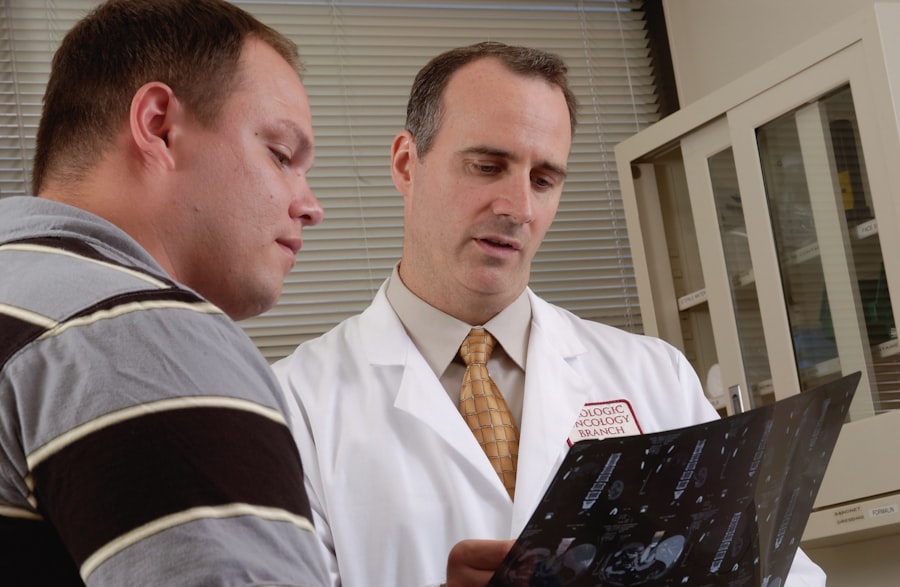
The curriculum of an online certificate program in clinical research typically includes a blend of theoretical knowledge and practical skills. Core courses often cover fundamental topics such as research design, data management, and ethical considerations in clinical trials. For instance, students may learn about the phases of clinical trials, from Phase I safety assessments to Phase III efficacy trials, gaining insights into how each phase contributes to the overall research process.
In addition to core courses, many programs offer elective options that allow students to tailor their education to specific interests or career goals. These electives might include specialized topics such as pharmacovigilance, medical writing, or advanced statistical methods. The course structure is usually designed to facilitate interactive learning through case studies, group projects, and discussions with peers and instructors.
This collaborative approach not only enhances understanding but also fosters networking opportunities among students who may become future colleagues in the field.
Career Opportunities in Clinical Research
The field of clinical research presents a wide array of career opportunities for individuals with the right training and credentials. Graduates of online certificate programs can pursue roles such as clinical research coordinators, who manage the day-to-day operations of clinical trials, ensuring compliance with regulatory requirements and protocol adherence. These professionals play a pivotal role in recruiting participants, collecting data, and liaising between sponsors and regulatory bodies.
Other potential career paths include clinical research associates (CRAs), who monitor clinical trials at various sites to ensure that they are conducted according to established protocols and regulations. CRAs are often responsible for conducting site visits, reviewing data for accuracy, and providing training to site staff. Additionally, there are opportunities in regulatory affairs, where professionals work to ensure that new drugs and devices meet all necessary legal requirements before they can be marketed.
The diversity of roles within clinical research allows individuals to find positions that align with their skills and interests.
Industry Demand for Certified Professionals
| Program Name | Provider | Duration | Cost | Format | Key Topics Covered | Certification |
|---|---|---|---|---|---|---|
| Clinical Research Certificate | Harvard Medical School | 6 months | 1,800 | Online, Self-paced | Clinical trial design, ethics, data management | Certificate of Completion |
| Clinical Research Professional Certificate | University of California, San Diego | 4 months | 1,200 | Online, Instructor-led | Regulatory affairs, GCP, monitoring | Professional Certificate |
| Clinical Research Certificate Program | Society of Clinical Research Associates (SOCRA) | 3 months | 900 | Online, Self-paced | Clinical trial management, compliance, ethics | Certificate of Completion |
| Clinical Research Coordinator Certificate | University of Washington | 5 months | 1,500 | Online, Hybrid | Study coordination, data collection, patient safety | Certificate of Completion |
| Introduction to Clinical Research | Johns Hopkins University | 8 weeks | 700 | Online, Self-paced | Research methods, ethics, clinical trial phases | Certificate of Completion |
The demand for certified professionals in clinical research has been steadily increasing as the healthcare landscape evolves. With the rapid advancement of medical technologies and the growing complexity of clinical trials, organizations are seeking individuals who possess specialized knowledge and skills. Certification serves as a validation of expertise, making candidates more attractive to employers who prioritize quality and compliance in their research activities.
Moreover, regulatory agencies such as the Food and Drug Administration (FDA) have heightened their scrutiny of clinical trials, leading to an increased emphasis on hiring qualified personnel who understand the intricacies of regulatory requirements. As pharmaceutical companies, biotechnology firms, and academic institutions continue to invest in research and development, the need for trained professionals who can navigate this complex environment will only grow. This trend underscores the importance of obtaining certification through recognized programs that demonstrate a commitment to excellence in clinical research.
Flexibility and Convenience of Online Learning

One of the standout features of online learning is its inherent flexibility, which caters to a diverse range of learners. Students can access course materials from anywhere with an internet connection, allowing them to study at times that suit their schedules. This convenience is particularly advantageous for those who may be balancing work commitments or family responsibilities while pursuing their education.
Online programs often utilize a variety of multimedia resources, including video lectures, interactive quizzes, and discussion forums, which enhance the learning experience. This variety not only keeps students engaged but also accommodates different learning styles. For example, visual learners may benefit from video content, while those who prefer reading can access written materials at their own pace.
The ability to revisit lectures or discussions also allows students to reinforce their understanding of complex topics as needed.
Accreditation and Certification
Accreditation is a critical aspect of any educational program, particularly in fields like clinical research where adherence to industry standards is paramount. When selecting an online certificate program, it is essential to ensure that it is accredited by a recognized body. Accreditation signifies that the program meets specific quality standards set by educational authorities or professional organizations.
Certification upon completion of an accredited program further enhances a graduate’s credentials. Various organizations offer certification exams for clinical research professionals, such as the Association of Clinical Research Professionals (ACRP) and the Society of Clinical Research Associates (SoCRA). Achieving certification demonstrates a commitment to professional development and adherence to ethical standards in clinical research practices.
It also provides a competitive edge in the job market, as employers often prefer candidates who have validated their expertise through certification.
Success Stories and Testimonials
The impact of online certificate programs in clinical research can be illustrated through numerous success stories from graduates who have transformed their careers through this educational pathway. Many individuals have reported significant advancements in their professional lives after completing their certification. For instance, a former student who transitioned from a laboratory technician role to a clinical research coordinator position credits her online program for providing her with the necessary skills and knowledge to excel in her new role.
Testimonials from graduates often highlight not only career advancements but also personal growth and increased confidence in their abilities. Many express appreciation for the supportive online community fostered by instructors and fellow students, which enhances the learning experience. These success stories serve as powerful motivators for prospective students considering an online certificate program in clinical research, showcasing the tangible benefits that come from investing in education within this vital field.
