

Clinical trials are a cornerstone of modern medicine, serving as the bridge between laboratory research and the availability of new therapies for patients. These trials are meticulously designed studies that evaluate the safety and efficacy of new drugs, medical devices, or treatment protocols. The process is divided into distinct phases, each with specific objectives and methodologies.
Understanding these phases is crucial for stakeholders, including researchers, healthcare professionals, patients, and caregivers, as they navigate the complex landscape of drug development. The journey of a new treatment begins in the preclinical stage, where laboratory and animal studies provide initial insights into its potential effects. However, it is only through clinical trials that researchers can assess how a treatment performs in humans.

The clinical trial process is typically categorized into four main phases, each building upon the findings of the previous one. This structured approach not only ensures rigorous evaluation but also safeguards participant health and well-being throughout the process.
Key Takeaways
- Clinical trial phases progress from initial safety testing to long-term post-market surveillance.
- Phase 1 focuses on safety and determining appropriate dosage levels.
- Phase 2 evaluates the drug’s efficacy and monitors side effects in a larger group.
- Phase 3 confirms effectiveness and further assesses safety before approval.
- Phase 4 involves ongoing monitoring of the drug’s performance and safety after market release.
Phase 1 Clinical Trials: Exploring Safety and Dosage

Phase 1 clinical trials are the first step in testing a new drug in humans. These trials primarily focus on assessing the safety profile of a drug, determining how it is metabolized in the body, and identifying any potential side effects. Typically involving a small group of healthy volunteers or patients, Phase 1 trials aim to establish a safe dosage range and identify any adverse reactions that may occur at different dose levels.
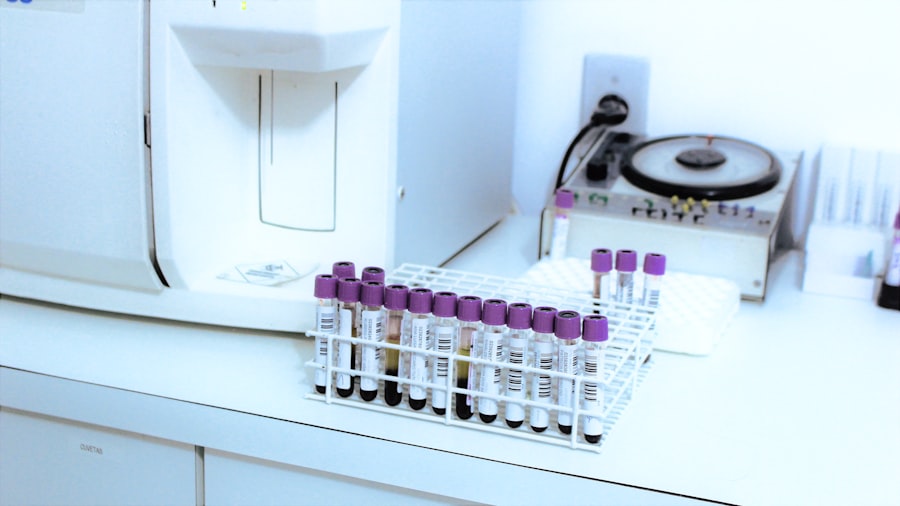
The number of participants usually ranges from 20 to 100, allowing researchers to gather preliminary data without exposing a large population to unknown risks. During this phase, researchers employ various methodologies to monitor participants closely. Blood tests, imaging studies, and other diagnostic tools are utilized to track how the drug interacts with the body.
For instance, if a new cancer treatment is being tested, researchers might measure tumor markers in the blood or use imaging techniques to observe changes in tumor size. The data collected during Phase 1 trials is critical for determining whether the drug can proceed to the next phase of testing.
Phase 2 Clinical Trials: Assessing Efficacy and Side Effects
Once a drug has demonstrated an acceptable safety profile in Phase 1 trials, it advances to Phase 2 trials, where the focus shifts toward evaluating its efficacy. This phase typically involves a larger group of participants, often ranging from 100 to 300 individuals who have the condition that the drug aims to treat. The primary goal is to determine whether the drug produces a beneficial effect on the disease or condition being targeted while continuing to monitor for side effects.
In Phase 2 trials, researchers often employ randomized controlled designs to compare the new treatment against a placebo or standard therapy. This allows for a more accurate assessment of the drug’s effectiveness. For example, if a new antidepressant is being tested, participants may be randomly assigned to receive either the new medication or a placebo.
Researchers then measure outcomes such as changes in mood or quality of life over a specified period. The data gathered during this phase not only helps establish efficacy but also provides further insights into optimal dosing regimens and potential side effects that may arise with longer exposure.
Phase 3 Clinical Trials: Confirming Effectiveness and Monitoring Side Effects
Phase 3 clinical trials represent a critical juncture in the drug development process. These trials are designed to confirm the effectiveness of a treatment in a larger population and provide comprehensive data on its safety profile. Typically involving several hundred to several thousand participants, Phase 3 trials are often multicenter studies conducted across various geographic locations to ensure diverse representation.
In this phase, researchers continue to monitor both efficacy and safety but with a heightened focus on real-world applicability. For instance, if a new diabetes medication is being tested, researchers will assess not only how well it controls blood sugar levels but also how it impacts patients’ daily lives, including factors like weight gain or cardiovascular health. The results from Phase 3 trials are pivotal; they form the basis for regulatory approval by agencies such as the U.S.
Food and Drug Administration (FDA) or the European Medicines Agency (EMA). If successful, these trials can lead to the drug being made available for widespread clinical use.
Phase 4 Clinical Trials: Post-Market Surveillance and Long-Term Safety
| Phase | Purpose | Number of Participants | Duration | Key Focus | Outcome |
|---|---|---|---|---|---|
| Phase 1 | Assess safety and dosage | 20-100 healthy volunteers or patients | Several months | Safety, tolerability, pharmacokinetics | Determine safe dosage range and side effects |
| Phase 2 | Evaluate efficacy and side effects | 100-300 patients | Several months to 2 years | Efficacy and optimal dose | Preliminary data on effectiveness and safety |
| Phase 3 | Confirm effectiveness and monitor adverse reactions | 1,000-3,000 patients | 1-4 years | Effectiveness, benefits vs risks | Definitive evidence for regulatory approval |
| Phase 4 | Post-marketing surveillance | Thousands of patients | Ongoing after approval | Long-term safety and effectiveness | Monitor rare or long-term adverse effects |
After a drug receives regulatory approval and enters the market, it does not signify the end of its evaluation. Phase 4 clinical trials, also known as post-marketing studies, are conducted to monitor long-term safety and effectiveness in a broader patient population. These trials can provide valuable insights into how a drug performs outside of controlled clinical settings and may identify rare side effects that were not apparent during earlier phases.
Phase 4 studies can take various forms, including observational studies, registries, or randomized controlled trials designed to answer specific questions about long-term use. For example, if a new cholesterol-lowering medication is approved, researchers may conduct a Phase 4 trial to assess its impact on cardiovascular events over several years. This ongoing surveillance is essential for ensuring that any emerging safety concerns are promptly addressed and that healthcare providers have access to up-to-date information regarding the drug’s risk-benefit profile.
Key Differences Between Clinical Trial Phases

The differences between clinical trial phases are significant and reflect their distinct objectives and methodologies. Phase 1 trials primarily focus on safety and dosage determination with a small number of participants, while Phase 2 trials expand the participant pool to assess efficacy alongside continued safety monitoring. In contrast, Phase 3 trials involve larger populations and aim to confirm effectiveness in diverse settings while providing comprehensive safety data necessary for regulatory approval.
Another key distinction lies in the design of these trials. Phase 1 studies often utilize open-label designs where both researchers and participants know which treatment is being administered. In contrast, Phase 2 and Phase 3 trials frequently employ randomized controlled designs to minimize bias and enhance the reliability of results.
Furthermore, while Phase 1 trials may include healthy volunteers, later phases predominantly involve individuals with the condition being treated, allowing for more relevant efficacy assessments.
Importance of Understanding Clinical Trial Phases for Patients and Caregivers
For patients and caregivers navigating treatment options, understanding clinical trial phases is paramount. Knowledge of these phases empowers individuals to make informed decisions about participation in clinical research and helps them comprehend the potential risks and benefits associated with new therapies. Patients who are aware of what each phase entails can better appreciate the rigorous evaluation process that drugs undergo before reaching their hands.
Moreover, understanding clinical trial phases can foster greater engagement in discussions with healthcare providers about treatment options. Patients may feel more confident asking questions about ongoing clinical trials or expressing interest in participating in research studies that align with their health needs. This engagement can lead to more personalized care plans that consider not only established treatments but also innovative therapies still under investigation.
The Impact of Clinical Trial Phases on Drug Development and Patient Care
The structured framework of clinical trial phases plays an essential role in advancing medical science and improving patient care. Each phase serves a specific purpose in evaluating new treatments, ensuring that they are safe and effective before becoming widely available. By understanding these phases, patients and caregivers can navigate the complexities of clinical research with greater clarity and confidence.
The impact of clinical trial phases extends beyond individual patients; it shapes public health policies and informs clinical guidelines that govern practice standards across healthcare systems. As new therapies emerge from this rigorous process, they hold the potential to transform lives by offering innovative solutions to previously untreatable conditions. Thus, recognizing the significance of each phase not only enhances patient understanding but also underscores the importance of ongoing research in driving medical progress forward.
