
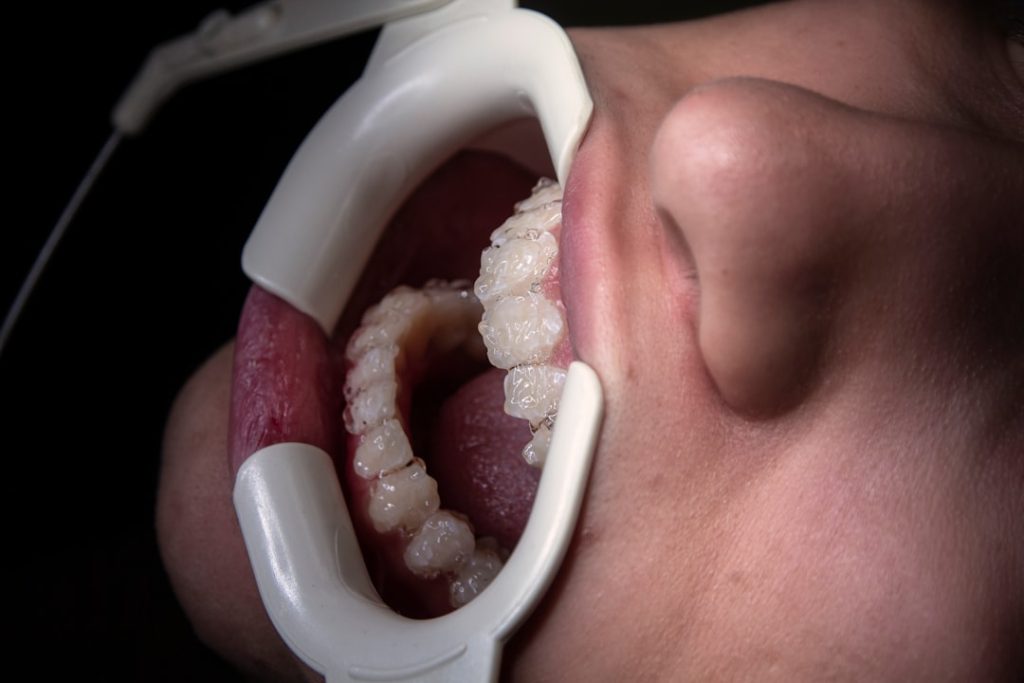
Dental implants are medical devices used to replace missing teeth by providing a permanent foundation that replicates natural tooth function and appearance. The implant component consists of titanium, a biocompatible metal that bonds with jawbone tissue through a biological process called osseointegration. This integration creates a stable base for attaching prosthetic teeth such as crowns, bridges, or dentures.
Dental implants have become widely adopted due to their durability and ability to restore normal chewing function more effectively than removable dentures or traditional bridges. The dental implant procedure consists of multiple phases that begin with comprehensive patient evaluation. Initial assessment includes diagnostic imaging such as radiographs or computed tomography scans to evaluate bone density and determine optimal implant positioning.

The surgical phase involves placing the titanium implant into the jawbone under local anesthesia or conscious sedation. Following implant placement, patients undergo a healing period lasting several months to allow complete osseointegration before the final prosthetic restoration is attached. Knowledge of these procedural stages is important for patients considering implant treatment to understand the time requirements and treatment commitment necessary for successful outcomes.
Key Takeaways
- Dental implant clinical trials offer access to cutting-edge treatments and potential cost savings.
- Eligibility criteria vary, so understanding qualifications is crucial before enrolling.
- Researching the reputation of clinical trial centers ensures safety and quality care.
- Participants should be aware of possible risks and side effects associated with trials.
- Advances in dental implant technology are expected to improve outcomes in 2024.
The Benefits of Participating in Dental Implant Clinical Trials

Participating in dental implant clinical trials can offer numerous advantages for individuals seeking dental solutions. One of the most significant benefits is access to cutting-edge treatments and technologies that may not yet be available to the general public. Clinical trials often explore innovative techniques, materials, or procedures that could enhance the effectiveness of dental implants or reduce recovery times.
For patients who may not have found success with traditional methods, these trials can provide an opportunity to benefit from advancements in dental care. Moreover, participants in clinical trials often receive comprehensive dental care at no cost. This includes not only the implant procedure itself but also follow-up visits and necessary imaging studies.
For individuals who may be uninsured or underinsured, this can represent substantial financial relief. Additionally, being part of a clinical trial means contributing to valuable research that can improve dental health outcomes for future patients. Participants play a crucial role in advancing medical knowledge and helping to refine techniques that could lead to better results for everyone.
How to Find Free Dental Implant Clinical Trials Near You
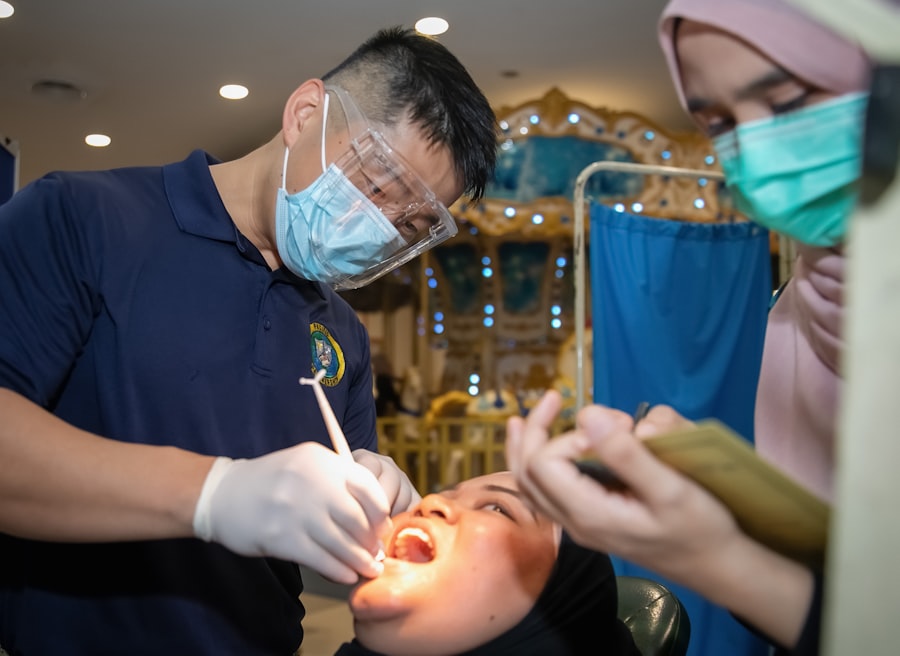
Finding free dental implant clinical trials in your area can be a straightforward process if you know where to look. One of the best resources is ClinicalTrials.gov, a comprehensive database maintained by the U.S. National Library of Medicine. This platform allows users to search for clinical trials based on various criteria, including location, condition, and type of intervention. By entering relevant keywords such as “dental implants” and your geographic area, you can identify ongoing studies that may be recruiting participants. In addition to online databases, local dental schools and universities often conduct clinical trials as part of their research initiatives. These institutions frequently seek volunteers for studies involving new dental technologies or techniques. Contacting dental schools directly or checking their websites can yield information about available trials. Furthermore, networking with local dental professionals can provide insights into upcoming studies or trials that may not be widely advertised. Engaging with community health organizations or support groups focused on dental health can also lead to valuable information regarding clinical trial opportunities.
What to Expect During a Dental Implant Clinical Trial
Participating in a dental implant clinical trial involves several steps that are designed to ensure participant safety and gather valuable data for research purposes. Initially, potential participants will undergo a screening process that includes medical history assessments and diagnostic imaging to determine eligibility. This phase is crucial as it helps researchers identify candidates who meet specific criteria necessary for the study’s objectives.
Once enrolled, participants can expect regular visits to the trial site for monitoring and follow-up care. These visits may include additional imaging studies, assessments of healing progress, and evaluations of any side effects experienced during the trial. Depending on the nature of the study, participants might also be required to keep detailed records of their experiences or complete questionnaires regarding their oral health and overall satisfaction with the implant procedure.
Throughout this process, participants are encouraged to communicate openly with researchers about any concerns or questions they may have, ensuring a collaborative approach to their care.
Qualifications and Eligibility for Dental Implant Clinical Trials
| Clinical Trial Name | Location | Start Date | End Date | Number of Participants | Eligibility Criteria | Contact Information |
|---|---|---|---|---|---|---|
| Free Dental Implants for Adults | New York, NY | January 2024 | December 2024 | 100 | Age 18-65, missing one or more teeth, good general health | nydentaltrials@example.com |
| Implant Success Study | Los Angeles, CA | March 2024 | November 2024 | 75 | Non-smokers, no uncontrolled diabetes, missing teeth | laimplantstudy@example.com |
| Bone Regeneration and Implants | Chicago, IL | February 2024 | October 2024 | 50 | Adults 21-70, adequate bone density, no recent oral surgery | chicagodentaltrials@example.com |
| Affordable Dental Implant Trial | Houston, TX | April 2024 | September 2024 | 120 | Age 25-60, healthy gums, no active infections | houstonimplants@example.com |
| Immediate Load Implant Study | Miami, FL | May 2024 | December 2024 | 80 | Missing front teeth, good oral hygiene, no systemic diseases | miamiimplantstudy@example.com |
Eligibility criteria for dental implant clinical trials can vary significantly depending on the specific study’s goals and design. Common factors considered include age, overall health status, and specific dental conditions. For instance, some trials may target individuals with certain types of tooth loss or those who have experienced complications with previous dental implants.
Conversely, other studies might focus on healthy adults seeking their first dental implants. In addition to these factors, researchers often assess bone density and oral health as part of the eligibility criteria. Participants must have sufficient bone structure to support an implant; otherwise, additional procedures such as bone grafting may be necessary before enrollment.
It is essential for potential participants to discuss their medical history thoroughly with their healthcare provider to determine if they meet the qualifications for a particular trial. Understanding these criteria can help streamline the enrollment process and ensure that candidates are well-informed about what is required.
The Importance of Researching the Reputation of Clinical Trial Centers
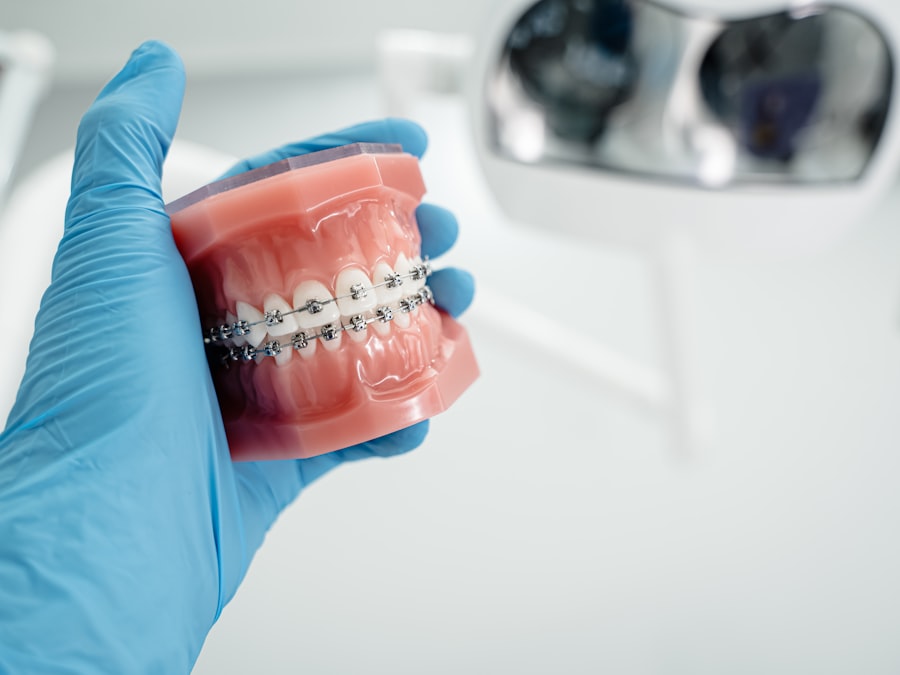
When considering participation in a dental implant clinical trial, it is vital to research the reputation of the clinical trial center conducting the study. A reputable center will have a track record of ethical practices, successful outcomes, and positive participant experiences. Investigating the qualifications and experience of the research team can provide insight into their expertise in conducting clinical trials and managing patient care.
Additionally, reading reviews or testimonials from previous participants can offer valuable perspectives on what to expect during the trial process. Engaging with online forums or support groups dedicated to dental health can also yield recommendations for trustworthy centers. Ensuring that the trial center adheres to regulatory standards set by organizations such as the Food and Drug Administration (FDA) or institutional review boards (IRBs) is crucial for participant safety and ethical conduct throughout the study.
Potential Risks and Side Effects of Dental Implant Clinical Trials
While dental implant clinical trials offer numerous benefits, it is essential for participants to be aware of potential risks and side effects associated with these studies. As with any surgical procedure, there are inherent risks involved in receiving dental implants, including infection at the surgical site, nerve damage, or complications related to anesthesia. Participants should be informed about these risks during the informed consent process and should feel empowered to ask questions about any concerns they may have.
Moreover, because clinical trials often involve new techniques or materials that are still being evaluated for safety and efficacy, there may be unknown risks associated with participation. Some participants may experience unexpected side effects related to the specific treatment being tested. It is crucial for individuals considering participation in a clinical trial to weigh these potential risks against the benefits and discuss them thoroughly with their healthcare provider before making a decision.
The Future of Dental Implants: What to Expect in 2024
As we look toward 2024, advancements in dental implant technology promise exciting developments that could revolutionize patient care in this field. One area of focus is the use of 3D printing technology in creating custom implants tailored to individual patients’ anatomical needs. This innovation could lead to improved fit and integration with existing bone structures, enhancing overall success rates and reducing recovery times.
Additionally, ongoing research into biomaterials aims to develop implants that promote faster healing and better integration with surrounding tissues. These materials could potentially reduce complications associated with traditional titanium implants while offering enhanced aesthetic outcomes. Furthermore, advancements in digital dentistry are paving the way for more precise planning and execution of implant procedures through computer-guided surgery techniques.
As these innovations continue to emerge, patients can expect more personalized treatment options that cater specifically to their unique needs and preferences. The future landscape of dental implants looks promising as researchers strive to improve outcomes and enhance patient experiences through cutting-edge technology and evidence-based practices.
