

Phase 3 clinical trials constitute the final stage of pre-market drug testing, evaluating new treatments in large patient populations ranging from hundreds to thousands of participants. These trials build upon data from Phase 1 studies, which establish basic safety parameters and dosing ranges, and Phase 2 studies, which provide initial evidence of therapeutic effectiveness in smaller groups. The primary purpose of Phase 3 trials is to demonstrate whether an investigational treatment offers superior clinical benefits compared to current standard treatments or placebo controls.
Researchers employ randomized controlled trial designs to minimize selection bias and ensure statistical reliability. Participants are randomly allocated to treatment arms, with neither patients nor investigators typically knowing which specific treatment is being administered until the study concludes. Phase 3 trials measure multiple outcome parameters.

Primary endpoints focus on clinically meaningful results such as overall survival rates, progression-free survival, or cure rates specific to the condition being studied. Secondary endpoints encompass additional factors including treatment-related side effects, quality of life measures, and functional status improvements. This comprehensive data collection enables thorough benefit-risk assessments.
The results from Phase 3 trials form the foundation for regulatory submissions to agencies such as the FDA or EMA. These organizations review the trial data to determine whether the new treatment demonstrates sufficient efficacy and acceptable safety profiles to warrant market approval. Successful Phase 3 trials typically lead to New Drug Applications and potential integration into clinical practice guidelines.
Key Takeaways
- Phase 3 clinical trials are critical for confirming a treatment’s effectiveness and safety before approval.
- These trials typically last several months to years, involving large patient groups.
- Patient participation is essential for gathering diverse and reliable data.
- Regulatory approval heavily depends on successful Phase 3 trial outcomes.
- Ethical considerations and challenges, such as patient safety and trial design, are key throughout the process.

Duration of Phase 3 Clinical Trials
The duration of Phase 3 clinical trials can vary significantly based on several factors, including the nature of the disease being studied, the treatment being tested, and the specific endpoints that researchers aim to measure. Typically, these trials can last anywhere from one to several years. For instance, in oncology studies where survival rates are a primary endpoint, researchers may need to follow participants for an extended period to gather sufficient data on long-term outcomes.
Conversely, trials focusing on acute conditions may have shorter durations since the effects of treatment can be observed more quickly. Moreover, the recruitment process for participants can also influence the timeline of Phase 3 trials. Finding eligible candidates who meet specific inclusion criteria can be challenging and time-consuming.
In some cases, trials may be delayed due to difficulties in enrollment or logistical issues related to coordinating multiple sites. Additionally, regulatory requirements may necessitate longer observation periods to ensure that any potential side effects are adequately documented. As a result, while the goal is to expedite the development of new therapies, the complexity of Phase 3 trials often leads to extended timelines.
Importance of Phase 3 Clinical Trials

Phase 3 clinical trials hold immense significance in the drug development landscape as they provide the definitive evidence needed to support a treatment’s approval for public use. The data generated during this phase not only informs regulatory agencies but also shapes clinical practice guidelines and influences healthcare policy decisions. A successful Phase 3 trial can lead to the approval of a new drug or therapy, which can ultimately change the standard of care for patients suffering from various conditions.
Furthermore, these trials play a vital role in understanding how a treatment performs in diverse populations. By including participants from various demographics—such as different age groups, ethnic backgrounds, and comorbidities—researchers can assess how well the treatment works across different segments of the population. This inclusivity is essential for ensuring that the findings are applicable to real-world settings and that all patients have access to effective therapies.
The insights gained from Phase 3 trials can also guide future research directions and inform subsequent studies aimed at optimizing treatment regimens.
Patient Participation in Phase 3 Clinical Trials
Patient participation is a cornerstone of Phase 3 clinical trials, as these studies rely on volunteers to provide data that will ultimately determine the safety and efficacy of new treatments. Patients who choose to participate often do so for various reasons, including the desire to access cutting-edge therapies that may not yet be available on the market or to contribute to scientific knowledge that could benefit others in the future. However, participation is not without its challenges; patients must navigate complex eligibility criteria and potential risks associated with experimental treatments.
Informed consent is a critical component of patient participation in Phase 3 trials. Before enrolling, patients are provided with detailed information about the study’s purpose, procedures, potential risks, and benefits. This transparency is essential for ensuring that participants make educated decisions about their involvement.
Additionally, many clinical trial sites offer support services to help patients understand their rights and responsibilities throughout the study. This emphasis on patient education fosters trust between researchers and participants, which is vital for successful trial execution.
Regulatory Approval and Phase 3 Clinical Trials
| Phase 3 Clinical Trial Duration | Typical Time Frame | Factors Influencing Duration | Purpose |
|---|---|---|---|
| Average Length | 1 to 4 years | Number of participants, disease studied, endpoints | Confirm effectiveness and monitor side effects |
| Shorter Trials | Less than 1 year | Acute conditions, smaller sample size | Rapid assessment of treatment |
| Longer Trials | Up to 5 years or more | Chronic diseases, long-term outcomes | Evaluate long-term safety and efficacy |
| Enrollment Period | 6 months to 2 years | Recruitment speed, eligibility criteria | Gather sufficient participants |
| Follow-up Period | Several months to years | Monitoring for adverse effects and durability | Assess sustained treatment effects |
The regulatory approval process for new drugs hinges significantly on the outcomes of Phase 3 clinical trials. Once researchers have gathered sufficient data demonstrating a treatment’s safety and efficacy, they compile their findings into a comprehensive submission for regulatory agencies such as the U.S. Food and Drug Administration (FDA) or the European Medicines Agency (EMA).
This submission includes detailed information about trial design, methodology, statistical analyses, and results. Regulatory agencies meticulously review this data to ensure that it meets established standards for safety and efficacy before granting approval for public use. The review process can be extensive, often involving consultations with expert panels and additional requests for information from trial sponsors.
In some cases, regulatory bodies may require post-marketing studies or additional Phase 4 trials to monitor long-term effects once a drug is on the market. This ongoing scrutiny underscores the importance of Phase 3 trials in establishing a treatment’s profile and ensuring that it meets rigorous safety standards before reaching patients.
Challenges and Risks in Phase 3 Clinical Trials
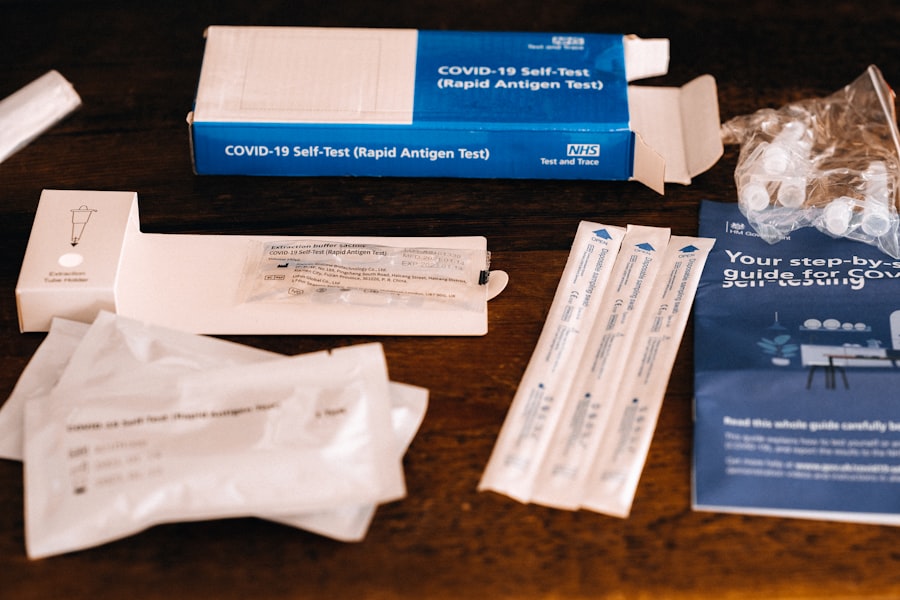
Conducting Phase 3 clinical trials presents numerous challenges and risks that can impact their success and validity. One significant challenge is maintaining participant retention throughout the trial duration. Patients may drop out for various reasons, including adverse side effects, lack of perceived benefit, or logistical issues related to travel and appointments.
High dropout rates can compromise the integrity of trial results and lead to biased conclusions if not adequately addressed. Another challenge lies in managing the complexities of multi-center trials, which involve multiple sites conducting research simultaneously. Coordinating logistics across different locations can introduce variability in data collection methods and patient management practices.
Ensuring consistency in how treatments are administered and how outcomes are measured is crucial for maintaining data integrity. Additionally, unforeseen external factors such as changes in standard care practices or emerging competing therapies can influence participant enrollment and retention rates.
Ethical Considerations in Phase 3 Clinical Trials
Ethical considerations are paramount in Phase 3 clinical trials due to their potential impact on patient health and well-being. Researchers must navigate complex ethical dilemmas related to informed consent, risk-benefit analysis, and equitable access to experimental treatments. The principle of informed consent requires that participants fully understand what their involvement entails, including any potential risks associated with the treatment being tested.
Moreover, ethical oversight is typically provided by Institutional Review Boards (IRBs) or Ethics Committees (ECs), which evaluate study protocols to ensure that they adhere to ethical standards and protect participant rights. These bodies assess whether the potential benefits of the research outweigh any risks involved. Additionally, researchers must consider issues related to vulnerable populations who may be at greater risk of exploitation or coercion in clinical trials.
Ensuring equitable representation among participants is essential for generating valid results that reflect diverse patient experiences.
Future Implications of Phase 3 Clinical Trials
The future of Phase 3 clinical trials is poised for transformation as advancements in technology and methodology continue to evolve. Innovations such as adaptive trial designs allow researchers to modify aspects of a trial while it is ongoing based on interim results. This flexibility can lead to more efficient studies that require fewer resources while still providing robust data on treatment efficacy.
Furthermore, the integration of real-world evidence (RWE) into clinical trial designs is gaining traction. By incorporating data from electronic health records, patient registries, and other sources outside traditional clinical settings, researchers can gain insights into how treatments perform in everyday practice. This approach not only enhances the relevance of trial findings but also supports regulatory decision-making by providing a more comprehensive understanding of a treatment’s impact on diverse patient populations.
As we look ahead, there is also an increasing emphasis on patient-centric approaches in clinical research. Engaging patients in trial design and implementation ensures that studies address their needs and preferences while fostering greater trust between researchers and participants. This shift towards collaboration may enhance recruitment efforts and improve retention rates, ultimately leading to more successful outcomes in Phase 3 clinical trials.
In summary, Phase 3 clinical trials are an essential component of drug development that require careful planning, execution, and ethical consideration. As methodologies evolve and patient engagement becomes more central to research efforts, these trials will continue to play a pivotal role in bringing new therapies to market while ensuring patient safety and efficacy remain at the forefront of medical innovation.
