

The clinical research industry has experienced substantial changes in recent years, driven primarily by the widespread adoption of remote work practices. The COVID-19 pandemic served as a catalyst for this transformation, compelling organizations across multiple sectors to implement virtual work arrangements. Within clinical research, this shift has created increased demand for remote clinical research assistants (CRAs), who perform essential functions including clinical trial support, data management, and regulatory compliance oversight from remote locations.
The concurrent expansion of telehealth platforms and digital health technologies has reinforced this trend, as research organizations increasingly utilize remote monitoring systems and digital data collection methodologies. Organizations have identified several advantages of remote work structures, including decreased operational expenses and expanded access to qualified personnel across broader geographic regions. Consequently, the remote CRA role has gained increased prominence within the industry.

Companies can now recruit experienced professionals from diverse locations, potentially improving research quality while creating more inclusive employment opportunities. This development has particularly benefited individuals who previously encountered employment barriers, including those with family caregiving obligations or residents of rural communities with limited local opportunities. The flexibility and geographic accessibility of remote CRA positions have altered traditional workforce patterns in clinical research, establishing these roles as viable career paths for a broader range of professionals.
Key Takeaways
- Remote clinical research assistant jobs are growing due to advances in technology and increased demand for flexible work.
- Key qualifications include knowledge of clinical research protocols, strong communication skills, and proficiency with digital tools.
- Benefits include flexible schedules, reduced commuting, and opportunities to work with diverse research teams.
- Challenges involve managing time effectively, maintaining communication, and handling technical issues remotely.
- Success tips include staying organized, continuous learning, and leveraging online resources to find job opportunities.
Qualifications and Skills Required for Remote Clinical Research Assistant Jobs

To excel as a remote clinical research assistant, candidates must possess a unique blend of qualifications and skills. A foundational requirement is typically a bachelor’s degree in a relevant field such as life sciences, nursing, or public health. This educational background provides essential knowledge about human biology, research methodologies, and ethical considerations in clinical trials.
Additionally, many employers prefer candidates who have completed specialized training or certification programs in clinical research, such as those offered by the Association of Clinical Research Professionals (ACRP) or the Society of Clinical Research Associates (SoCRA). Beyond formal education, certain skills are paramount for success in this role. Strong organizational abilities are essential, as CRAs must manage multiple tasks simultaneously, including data entry, patient recruitment, and regulatory compliance documentation.
Attention to detail is critical; even minor errors can have significant implications for trial outcomes and patient safety. Furthermore, proficiency in data management software and electronic data capture systems is increasingly important as clinical trials become more digitized. Effective communication skills are also vital, as remote CRAs must collaborate with various stakeholders, including principal investigators, study coordinators, and regulatory bodies, often through virtual platforms.
Benefits of Working as a Remote Clinical Research Assistant

Working as a remote clinical research assistant offers numerous advantages that appeal to a wide range of professionals. One of the most significant benefits is the flexibility that remote work provides. CRAs can often set their own schedules, allowing them to balance their professional responsibilities with personal commitments.
This flexibility is particularly advantageous for individuals with family obligations or those pursuing further education while working. The ability to work from home also eliminates commuting time and costs, contributing to an improved work-life balance. Another notable benefit is the opportunity for professional growth and development.
Remote CRAs can access a wealth of online resources, including webinars, virtual conferences, and e-learning platforms that facilitate continuous education in clinical research practices. This access to knowledge can enhance their skill sets and make them more competitive in the job market. Additionally, remote positions often allow CRAs to work on diverse projects across various therapeutic areas and study phases, broadening their experience and expertise.
This exposure can lead to career advancement opportunities within the field of clinical research.
Challenges of Remote Clinical Research Assistant Jobs
Despite the many benefits associated with remote clinical research assistant positions, there are also challenges that professionals in this role may encounter. One significant challenge is the potential for isolation and lack of direct interaction with colleagues. While technology enables virtual communication, it cannot fully replicate the camaraderie and collaboration that often occur in a traditional office setting.
This isolation can lead to feelings of disconnection from the team and may impact job satisfaction over time. Additionally, remote CRAs must navigate the complexities of managing their time effectively without the structure of a conventional workplace. The absence of direct supervision can lead to difficulties in maintaining productivity and focus.
Some individuals may struggle with distractions at home or find it challenging to establish boundaries between work and personal life. To succeed in this environment, remote CRAs must develop strong self-discipline and time management skills to ensure they meet deadlines and maintain high-quality work.
How to Find Remote Clinical Research Assistant Jobs
| Metric | Details |
|---|---|
| Average Salary | 55,000 – 75,000 per year |
| Job Growth Rate | 8% increase over next 5 years |
| Common Employers | Pharmaceutical companies, Contract Research Organizations (CROs), Academic institutions |
| Required Education | Bachelor’s degree in life sciences, nursing, or related field |
| Key Skills | Data management, patient communication, regulatory compliance, remote monitoring tools |
| Work Environment | Fully remote, flexible hours, virtual team collaboration |
| Typical Job Duties | Data collection, patient follow-up, documentation, coordinating with clinical teams |
| Certifications Preferred | Certified Clinical Research Professional (CCRP), Good Clinical Practice (GCP) training |
Finding remote clinical research assistant positions requires a strategic approach that leverages various resources and networks. Job seekers should begin by exploring specialized job boards that focus on clinical research roles, such as ClinicalTrials.gov or BioSpace. These platforms often feature listings specifically for remote positions, making it easier for candidates to identify opportunities that align with their skills and interests.
Networking is another crucial component of the job search process. Engaging with professional organizations such as ACRP or SoCRA can provide valuable connections within the industry. Attending virtual conferences or webinars hosted by these organizations can also facilitate networking opportunities with potential employers or mentors.
Additionally, utilizing social media platforms like LinkedIn can help candidates showcase their qualifications and connect with recruiters actively seeking remote CRAs.
Tips for Succeeding in a Remote Clinical Research Assistant Role
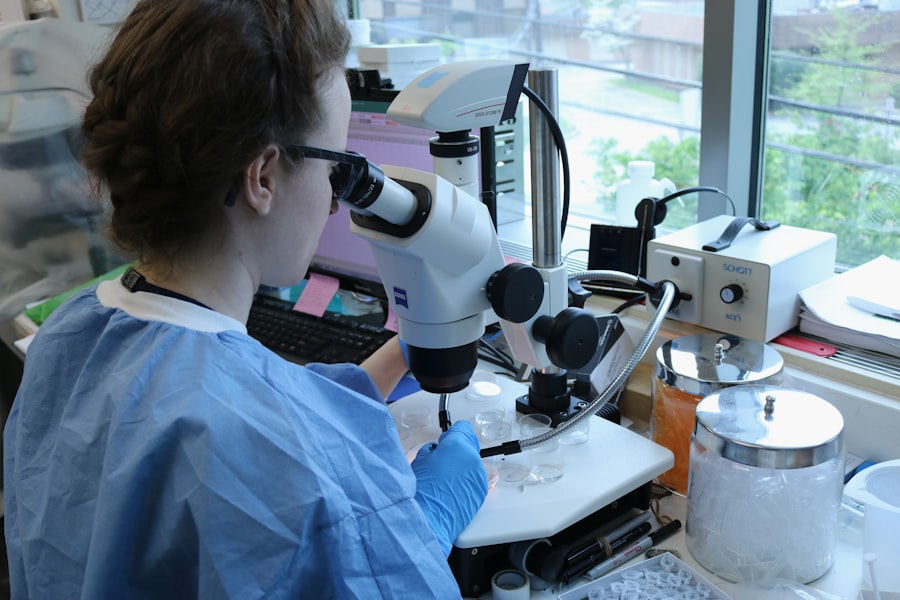
To thrive as a remote clinical research assistant, individuals should adopt specific strategies that enhance their effectiveness in this unique work environment. First and foremost, establishing a dedicated workspace is essential. Creating an organized and distraction-free area for work can significantly improve focus and productivity.
This space should be equipped with all necessary tools and resources, including reliable internet access and appropriate software for data management. Effective communication is another critical factor for success in a remote role. Regularly checking in with team members through video calls or messaging platforms can help maintain strong working relationships and ensure everyone is aligned on project goals.
Additionally, being proactive in seeking feedback from supervisors can foster professional growth and demonstrate commitment to quality work. Time management techniques such as setting specific goals for each day or using productivity tools can also help remote CRAs stay on track and meet deadlines consistently.
The Future of Remote Clinical Research Assistant Jobs
The future of remote clinical research assistant jobs appears promising as the industry continues to evolve in response to technological advancements and changing workforce dynamics. The integration of artificial intelligence (AI) and machine learning into clinical research processes is likely to reshape the role of CRAs significantly. These technologies can streamline data collection and analysis, allowing CRAs to focus more on strategic tasks rather than routine data entry.
Moreover, as organizations increasingly embrace hybrid work models that combine remote and on-site elements, the demand for skilled remote CRAs will likely continue to grow. This shift may lead to more flexible job structures that allow professionals to choose when and where they work based on project needs. As a result, individuals entering the field can expect a dynamic career landscape that offers diverse opportunities for growth and specialization.
Resources for Remote Clinical Research Assistants
For those pursuing a career as a remote clinical research assistant or seeking to enhance their existing skills, numerous resources are available to support professional development. Online platforms such as Coursera and edX offer courses specifically tailored to clinical research topics, including Good Clinical Practice (GCP) training and data management techniques. These courses can provide valuable certifications that enhance employability.
Professional organizations like ACRP and SoCRA not only offer certification programs but also provide access to industry publications, webinars, and networking events that keep members informed about the latest trends in clinical research. Additionally, online forums and communities dedicated to clinical research can serve as valuable spaces for sharing experiences, asking questions, and seeking advice from peers in the field. By leveraging these resources, aspiring remote CRAs can build a solid foundation for a successful career in clinical research.
