

The landscape of clinical research has undergone a significant transformation in recent years, particularly with the advent of remote work technologies. Remote clinical research jobs have emerged as a viable and attractive option for professionals in the field, allowing them to contribute to vital medical studies without the constraints of a traditional office environment. This shift has been accelerated by the global pandemic, which necessitated a reevaluation of how clinical trials are conducted.
As a result, many organizations have embraced remote methodologies, leading to an increase in demand for skilled professionals who can navigate this new terrain. Remote clinical research encompasses a wide range of roles, from clinical trial coordinators and data managers to regulatory affairs specialists and biostatisticians. These positions require a blend of scientific knowledge, technical skills, and an understanding of regulatory frameworks.

The ability to work remotely not only provides flexibility but also opens up opportunities for collaboration across geographical boundaries. This article delves into the various aspects of remote clinical research jobs, exploring their benefits, required qualifications, job search strategies, and the challenges that professionals may face in this evolving field.
Key Takeaways
- Remote clinical research jobs offer flexibility and the ability to work from anywhere.
- Key qualifications include knowledge of clinical protocols, data management, and strong communication skills.
- Job opportunities can be found through specialized job boards, company websites, and networking.
- Success in remote clinical research requires self-discipline, time management, and adaptability.
- The remote clinical research job market is growing, with increasing demand for skilled professionals.
The Benefits of Working in Remote Clinical Research

One of the most significant advantages of remote clinical research jobs is the flexibility they offer. Professionals can often set their own schedules, allowing them to balance work with personal commitments more effectively. This flexibility can lead to increased job satisfaction and improved work-life balance, which are crucial factors in maintaining mental health and overall well-being.
For instance, a clinical research associate working from home can manage their time to accommodate family responsibilities or personal interests, leading to a more fulfilling professional experience. Additionally, remote work can reduce commuting time and associated costs, such as fuel or public transportation expenses. This financial benefit can be particularly appealing in urban areas where commuting can be both time-consuming and expensive.
Furthermore, remote positions often allow for a broader range of job opportunities, as geographical limitations are less of a concern. A qualified candidate in a rural area can apply for positions with organizations located in major cities or even internationally, thereby expanding their career prospects significantly.
Qualifications and Skills Needed for Remote Clinical Research Jobs
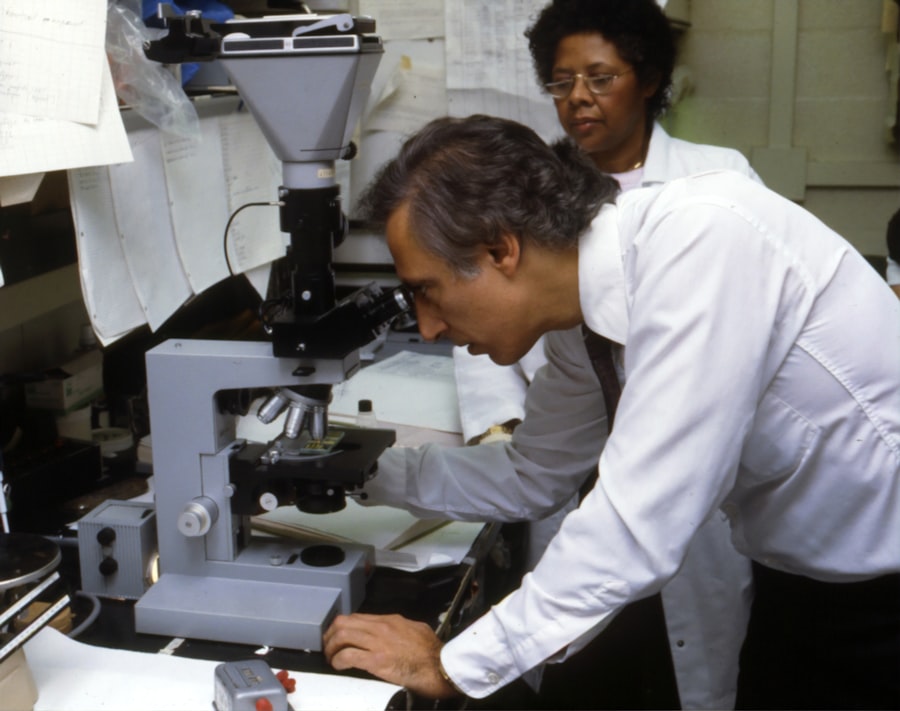
To excel in remote clinical research roles, candidates typically need a combination of educational qualifications and specific skills. A bachelor’s degree in life sciences, nursing, or a related field is often the minimum requirement for entry-level positions. Advanced roles may necessitate a master’s degree or even a Ph.D., particularly in specialized areas such as biostatistics or epidemiology.
Additionally, certifications from recognized organizations, such as the Association of Clinical Research Professionals (ACRP) or the Society of Clinical Research Associates (SoCRA), can enhance a candidate’s credentials and demonstrate their commitment to the field. Beyond formal education, certain skills are essential for success in remote clinical research jobs. Strong communication skills are paramount, as professionals must collaborate with team members, stakeholders, and participants across various platforms.
Proficiency in digital tools and software used for data collection and analysis is also critical. Familiarity with electronic data capture (EDC) systems, statistical analysis software like SAS or R, and project management tools such as Trello or Asana can set candidates apart in a competitive job market. Moreover, attention to detail and strong organizational skills are vital for managing complex projects and ensuring compliance with regulatory standards.
Finding Remote Clinical Research Job Opportunities
Navigating the job market for remote clinical research positions requires strategic planning and resourcefulness. Job seekers can start by leveraging online job boards that specialize in healthcare and clinical research roles. Websites like Indeed, Glassdoor, and LinkedIn often feature listings for remote positions.
Additionally, niche job boards such as BioSpace or ClinicalTrials.gov can provide targeted opportunities within the clinical research sector. Networking plays a crucial role in uncovering hidden job opportunities. Engaging with professional organizations, attending virtual conferences, and participating in webinars can help candidates connect with industry professionals and learn about potential openings before they are publicly advertised.
Social media platforms like LinkedIn are invaluable for building professional relationships; candidates should actively engage with content related to clinical research and join relevant groups to expand their network. Informational interviews with industry veterans can also provide insights into the job market and may lead to referrals or recommendations.
Tips for Navigating a Remote Clinical Research Career
| Job Title | Average Salary | Required Experience | Key Skills | Typical Employers | Remote Work Flexibility |
|---|---|---|---|---|---|
| Remote Clinical Research Coordinator | 75,000 – 95,000 | 2-4 years | Patient recruitment, data management, regulatory compliance | Pharmaceutical companies, CROs, Hospitals | High |
| Remote Clinical Data Manager | 80,000 – 110,000 | 3-5 years | Data analysis, EDC systems, SAS programming | CROs, Biotech firms, Research institutions | High |
| Remote Clinical Research Associate (CRA) | 70,000 – 100,000 | 1-3 years | Monitoring, site management, GCP knowledge | Pharmaceutical companies, CROs | Moderate to High |
| Remote Medical Writer | 65,000 – 90,000 | 2-4 years | Scientific writing, regulatory documents, literature review | Pharma, CROs, Medical communications agencies | Very High |
| Remote Biostatistician | 90,000 – 130,000 | 4-6 years | Statistical analysis, SAS/R, clinical trial design | Pharmaceutical companies, Biotech, CROs | High |
Successfully navigating a remote clinical research career involves more than just securing a job; it requires ongoing professional development and adaptability. One effective strategy is to stay current with industry trends and advancements by subscribing to relevant journals, attending workshops, and pursuing continuing education opportunities. This commitment to lifelong learning not only enhances one’s skill set but also demonstrates dedication to potential employers.
Establishing a productive home office environment is another critical aspect of thriving in a remote role. Creating a dedicated workspace that minimizes distractions can significantly enhance focus and productivity. Setting clear boundaries between work and personal life is essential; this might involve establishing specific work hours or utilizing tools like time management apps to maintain structure throughout the day.
Additionally, regular check-ins with supervisors and team members can foster communication and collaboration, ensuring that remote workers remain engaged and connected with their colleagues.
Challenges of Working in Remote Clinical Research

While remote clinical research jobs offer numerous benefits, they also come with unique challenges that professionals must navigate. One significant hurdle is the potential for feelings of isolation or disconnection from colleagues. The lack of face-to-face interaction can make it difficult to build relationships and foster teamwork, which are essential components of successful clinical trials.
To combat this issue, remote workers should actively seek opportunities for virtual collaboration and social interaction through video calls or team-building activities. Another challenge is the need for self-discipline and time management skills. Without the structure of an office environment, some individuals may struggle to maintain productivity or may find it challenging to separate work from personal life.
Establishing routines and setting clear goals can help mitigate these issues. Additionally, remote workers must be proactive in seeking feedback from supervisors to ensure they remain aligned with project objectives and expectations.
Remote Clinical Research Job Market Trends
The job market for remote clinical research positions is evolving rapidly as organizations adapt to new technologies and methodologies. One notable trend is the increasing reliance on decentralized clinical trials (DCTs), which leverage digital tools to conduct research outside traditional clinical settings. This shift allows for greater participant diversity and improved patient engagement while reducing logistical challenges associated with site-based trials.
As DCTs become more prevalent, there will likely be an increased demand for professionals skilled in managing these innovative approaches. Moreover, advancements in data analytics and artificial intelligence are transforming how clinical research is conducted. The ability to analyze large datasets quickly enables researchers to derive insights that were previously unattainable.
Consequently, there is a growing need for professionals who possess strong analytical skills and are adept at using advanced statistical software. As the industry continues to embrace these technological innovations, candidates who can demonstrate proficiency in data management and analysis will be well-positioned for success in the remote job market.
Conclusion and Future Outlook for Remote Clinical Research Jobs
The future outlook for remote clinical research jobs appears promising as organizations increasingly recognize the benefits of flexible work arrangements. The ongoing evolution of technology will likely continue to shape the landscape of clinical trials, creating new opportunities for professionals in the field. As remote work becomes more entrenched in organizational cultures, candidates who possess the right blend of skills and adaptability will find themselves well-equipped to thrive in this dynamic environment.
Furthermore, as patient-centric approaches gain traction within clinical research, there will be an emphasis on roles that facilitate participant engagement and retention in studies conducted remotely. This shift will necessitate professionals who are not only technically proficient but also possess strong interpersonal skills to foster relationships with participants. Overall, the combination of technological advancements and changing industry paradigms suggests that remote clinical research jobs will remain a vital component of the healthcare landscape for years to come.
