

Medical research has experienced significant changes in recent decades due to technological advances, cross-disciplinary collaboration, and expanded knowledge of human biology. These developments have improved disease understanding and enabled new therapeutic approaches. The incorporation of computational methods, big data analysis, and artificial intelligence into research has increased discovery rates and allowed scientists to analyze complex biological systems and identify intervention targets.
Current medical research advances represent substantial shifts in approach rather than gradual improvements, with potential to transform healthcare delivery. Notable developments include new cancer treatments and gene editing technologies such as CRISPR. The combination of genomics, bioinformatics, and nanotechnology has created conditions conducive to innovation, providing researchers with tools for detailed examination of human physiology.

This analysis examines key medical research advances and breakthrough discoveries that are influencing the future direction of medicine.
Key Takeaways
- Medical research is rapidly evolving with significant advancements across multiple fields.
- Cancer treatment has seen breakthroughs improving patient outcomes and survival rates.
- Gene therapy innovations offer promising solutions for genetic disorders and personalized care.
- Precision medicine is enhancing treatment accuracy by tailoring therapies to individual genetic profiles.
- Emerging technologies in imaging and immunotherapy are revolutionizing diagnosis and treatment approaches.
Breakthroughs in Cancer Treatment

Cancer treatment has witnessed some of the most profound advancements in recent years, with a shift towards more targeted and personalized approaches. Traditional therapies such as chemotherapy and radiation have long been the mainstays of cancer treatment; however, their limitations in terms of specificity and side effects have prompted researchers to seek alternatives. One of the most notable breakthroughs is the development of immunotherapy, which harnesses the body’s immune system to recognize and attack cancer cells.
Drugs like checkpoint inhibitors have revolutionized treatment protocols for various cancers, including melanoma and lung cancer, by blocking proteins that inhibit immune responses. In addition to immunotherapy, targeted therapies have emerged as a cornerstone in oncology. These treatments are designed to interfere with specific molecular targets associated with cancer progression.
For instance, the use of tyrosine kinase inhibitors in chronic myeloid leukemia (CML) has transformed a once fatal disease into a manageable condition for many patients. The drug imatinib (Gleevec) exemplifies this approach; it specifically targets the BCR-ABL fusion protein that drives CML, leading to significant improvements in survival rates. Furthermore, advancements in genomic sequencing have enabled oncologists to tailor treatments based on the unique genetic makeup of an individual’s tumor, ushering in an era of precision oncology that promises to enhance efficacy while minimizing adverse effects.
Innovations in Gene Therapy
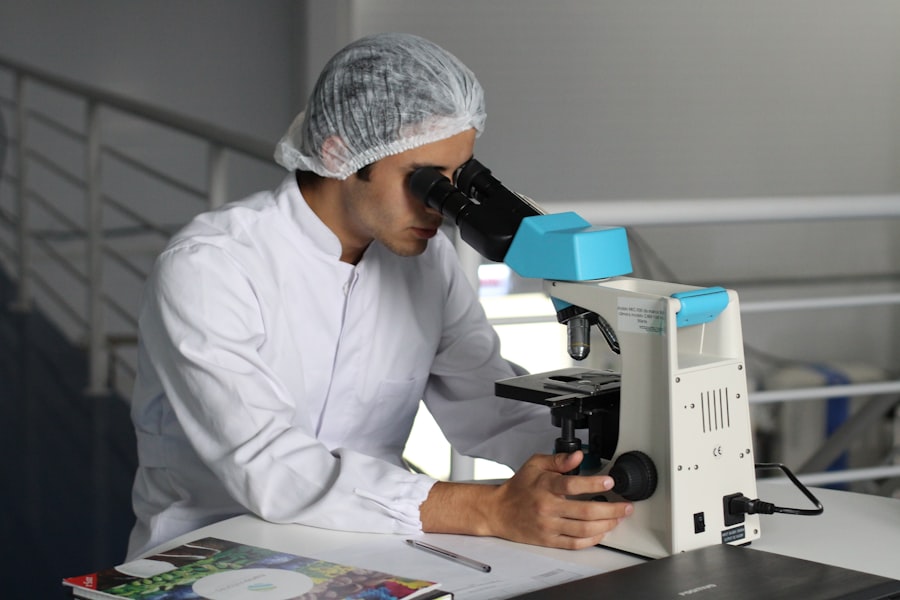
Gene therapy represents one of the most exciting frontiers in medical research, offering the potential to treat or even cure genetic disorders by directly modifying the underlying genetic material. The advent of CRISPR-Cas9 technology has revolutionized this field, allowing for precise editing of DNA sequences with unprecedented ease and accuracy. This powerful tool has opened new avenues for addressing a range of genetic conditions, from inherited diseases like cystic fibrosis to more complex disorders such as muscular dystrophy.
One notable example of gene therapy in action is the treatment of spinal muscular atrophy (SMA), a severe genetic disorder that leads to muscle weakness and atrophy. The approval of onasemnogene abeparvovec (Zolgensma) marked a significant milestone in gene therapy, as it involves delivering a functional copy of the SMN1 gene directly into patients’ motor neurons. This innovative approach has demonstrated remarkable efficacy in clinical trials, with treated infants showing substantial improvements in motor function compared to those receiving standard care.
As researchers continue to refine gene editing techniques and explore their applications across various diseases, the potential for transformative therapies becomes increasingly tangible.
Advancements in Precision Medicine
Precision medicine is reshaping the way healthcare providers approach diagnosis and treatment by emphasizing individualized care based on a patient’s unique genetic, environmental, and lifestyle factors. This paradigm shift is particularly evident in oncology, where genomic profiling of tumors allows for tailored treatment strategies that align with the specific mutations present in a patient’s cancer. The integration of large-scale genomic databases and bioinformatics tools has facilitated this process, enabling clinicians to make informed decisions about targeted therapies that are more likely to yield positive outcomes.
Moreover, precision medicine extends beyond oncology into other fields such as cardiology and endocrinology. For instance, pharmacogenomics—the study of how genes affect a person’s response to drugs—has gained traction in optimizing medication regimens for conditions like hypertension and diabetes. By analyzing genetic variations that influence drug metabolism, healthcare providers can prescribe medications that are more effective and have fewer side effects for individual patients.
This tailored approach not only enhances therapeutic efficacy but also reduces healthcare costs associated with trial-and-error prescribing.
Progress in Stem Cell Research
| Year | Research Focus | Key Metrics | Notable Advances | Funding (in millions) |
|---|---|---|---|---|
| 2018 | Genomic Medicine | 500+ genome sequences analyzed | Identification of new gene variants linked to rare diseases | 120 |
| 2019 | Immunotherapy | 300+ clinical trials initiated | Development of CAR-T cell therapies for cancer | 150 |
| 2020 | COVID-19 Research | 1000+ vaccine candidates screened | Rapid development of mRNA vaccines | 500 |
| 2021 | AI in Diagnostics | 200+ AI models validated | Improved early detection of diseases via imaging | 180 |
| 2022 | Regenerative Medicine | 50+ stem cell therapies in trials | Advances in tissue engineering and organ regeneration | 220 |
| 2023 | Personalized Medicine | 400+ patient-specific treatment plans developed | Integration of multi-omics data for tailored therapies | 250 |
Stem cell research has emerged as a pivotal area within medical science, offering insights into regenerative medicine and potential treatments for a variety of conditions. Stem cells possess the unique ability to differentiate into various cell types, making them invaluable for understanding developmental processes and repairing damaged tissues. Recent advancements have led to significant breakthroughs in both embryonic stem cell research and induced pluripotent stem cells (iPSCs), which are adult cells reprogrammed to an embryonic-like state.
One compelling application of stem cell research is in the treatment of neurodegenerative diseases such as Parkinson’s disease. Researchers are exploring the use of iPSCs derived from patients’ skin cells to generate dopamine-producing neurons that can be transplanted back into the brain. Early studies have shown promise in restoring motor function in animal models, paving the way for future clinical trials.
Additionally, stem cells are being investigated for their potential in treating conditions like heart disease and spinal cord injuries, where their regenerative capabilities could lead to significant improvements in patient outcomes.
Improvements in Vaccines and Immunotherapy
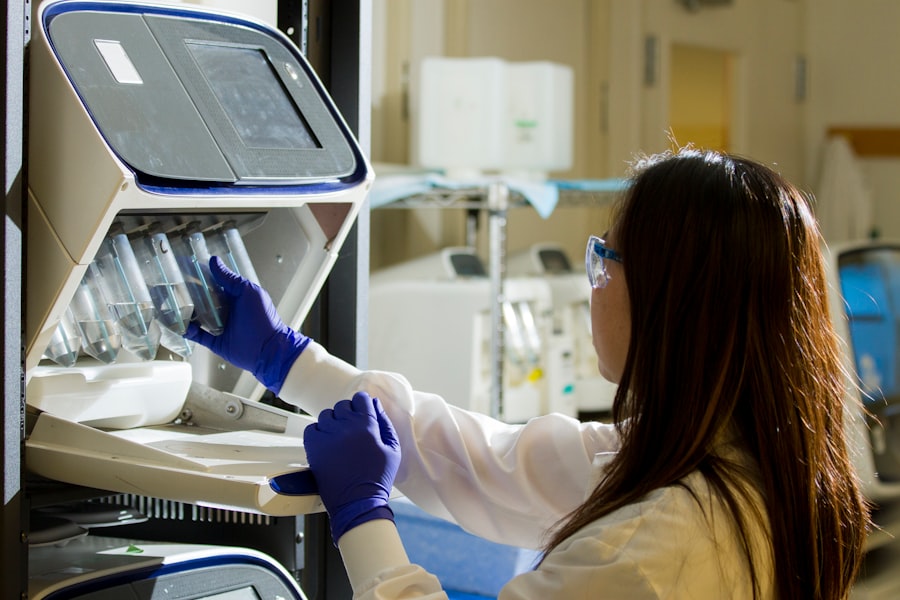
The field of vaccines has experienced a renaissance, particularly highlighted by the rapid development of COVID-19 vaccines utilizing mRNA technology. This innovative approach allows for a swift response to emerging infectious diseases by encoding viral proteins that stimulate an immune response without using live pathogens. The success of mRNA vaccines has not only provided a powerful tool against COVID-19 but has also sparked interest in applying similar technologies to other infectious diseases and even cancer immunotherapy.
Immunotherapy has gained traction as a promising strategy for treating various cancers by enhancing the body’s immune response against tumor cells. Monoclonal antibodies, which are engineered proteins designed to target specific antigens on cancer cells, have become integral components of treatment regimens for several malignancies. For example, trastuzumab (Herceptin) targets HER2-positive breast cancer cells and has significantly improved survival rates for patients with this aggressive subtype.
Furthermore, ongoing research into combination therapies that integrate immunotherapy with traditional treatments holds great promise for improving outcomes across diverse cancer types.
Emerging Technologies in Medical Imaging
Advancements in medical imaging technologies have revolutionized diagnostics and treatment planning across multiple specialties. Techniques such as magnetic resonance imaging (MRI), computed tomography (CT), and positron emission tomography (PET) have become indispensable tools for visualizing internal structures and identifying pathological changes. Recent innovations have further enhanced these modalities, leading to improved resolution and faster imaging times.
One notable advancement is the development of hybrid imaging techniques that combine different modalities to provide comprehensive insights into patient conditions. For instance, PET/CT scans allow clinicians to assess both metabolic activity and anatomical structure simultaneously, facilitating more accurate diagnoses and treatment monitoring. Additionally, artificial intelligence is increasingly being integrated into imaging workflows to assist radiologists in interpreting scans more efficiently and accurately.
Machine learning algorithms can analyze vast datasets to identify patterns that may be missed by human observers, ultimately enhancing diagnostic precision.
Future Prospects and Challenges in Medical Research
As we look toward the future of medical research, several prospects emerge alongside significant challenges that must be addressed. The rapid pace of technological advancement presents opportunities for groundbreaking discoveries; however, it also raises ethical considerations regarding data privacy, consent, and equitable access to new therapies. Ensuring that innovations benefit all segments of society will require concerted efforts from policymakers, researchers, and healthcare providers.
Moreover, as personalized medicine continues to evolve, there is a pressing need for robust regulatory frameworks that can keep pace with emerging technologies while ensuring patient safety and efficacy. The integration of artificial intelligence into clinical practice poses additional challenges related to transparency and accountability; establishing guidelines for its use will be crucial in maintaining trust within healthcare systems. Ultimately, navigating these complexities will be essential for harnessing the full potential of medical research advancements while safeguarding public health interests.
