
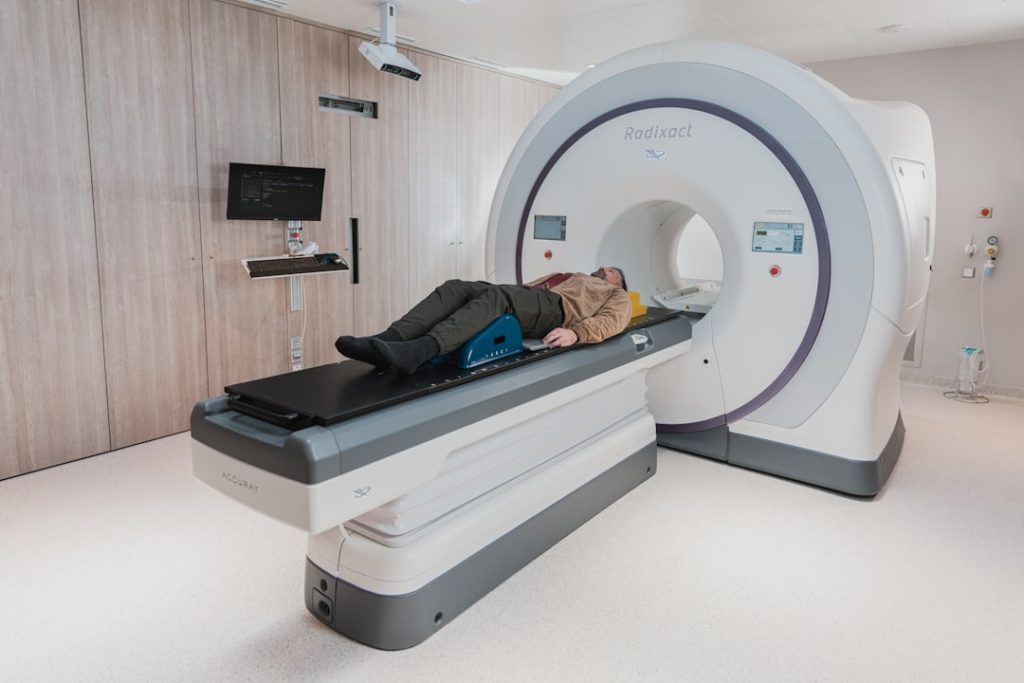
Medical imaging is a cornerstone of modern healthcare, providing critical insights into the human body that facilitate diagnosis, treatment planning, and monitoring of diseases. The field encompasses a variety of techniques, including X-rays, magnetic resonance imaging (MRI), computed tomography (CT), ultrasound, and nuclear medicine. Each modality offers unique advantages and is chosen based on the specific clinical scenario.
For instance, while X-rays are excellent for visualizing bone fractures, MRIs provide detailed images of soft tissues, making them invaluable in neurological assessments. The evolution of medical imaging has been marked by technological advancements that have significantly improved image quality, reduced radiation exposure, and enhanced the speed of diagnosis. The importance of medical imaging extends beyond mere visualization; it plays a pivotal role in research and development within the medical field.

By enabling researchers to observe the effects of diseases and treatments in real-time, medical imaging contributes to the advancement of personalized medicine. As healthcare continues to evolve towards more individualized approaches, the integration of sophisticated imaging techniques becomes increasingly vital. This integration not only aids in understanding complex medical conditions but also enhances the efficacy of clinical trials and therapeutic interventions.
Key Takeaways
- Medidata plays a crucial role in enhancing medical imaging through advanced data management and analytics.
- Innovations in imaging technology are accelerated by Medidata’s integration of AI and cloud-based solutions.
- Medidata significantly impacts medical imaging research by improving data accuracy and facilitating large-scale studies.
- Applications of Medidata in medical imaging include improved diagnostics, treatment planning, and clinical trial efficiency.
- Future developments with Medidata focus on overcoming current challenges to further revolutionize medical imaging capabilities.
The Role of Medidata in Advancing Medical Imaging

Medidata Solutions, a leading provider of cloud-based solutions for clinical research, has emerged as a key player in the advancement of medical imaging. By leveraging its robust data analytics capabilities and innovative technology platforms, Medidata is transforming how medical imaging data is collected, analyzed, and utilized in clinical trials. The company’s commitment to improving patient outcomes through data-driven insights has positioned it at the forefront of medical imaging advancements.
Medidata’s platforms facilitate seamless integration of imaging data with other clinical trial data, allowing for a more comprehensive understanding of treatment effects. One of the most significant contributions of Medidata to medical imaging is its ability to streamline the imaging workflow in clinical trials. Traditional methods often involve cumbersome processes for managing imaging data, which can lead to delays and inefficiencies.
Medidata’s solutions automate many aspects of this workflow, from image acquisition to analysis and reporting. This automation not only accelerates the trial process but also enhances data accuracy and reliability. By providing a centralized platform for managing imaging data, Medidata enables researchers to focus on interpreting results rather than getting bogged down by logistical challenges.
Innovations in Medical Imaging Technology
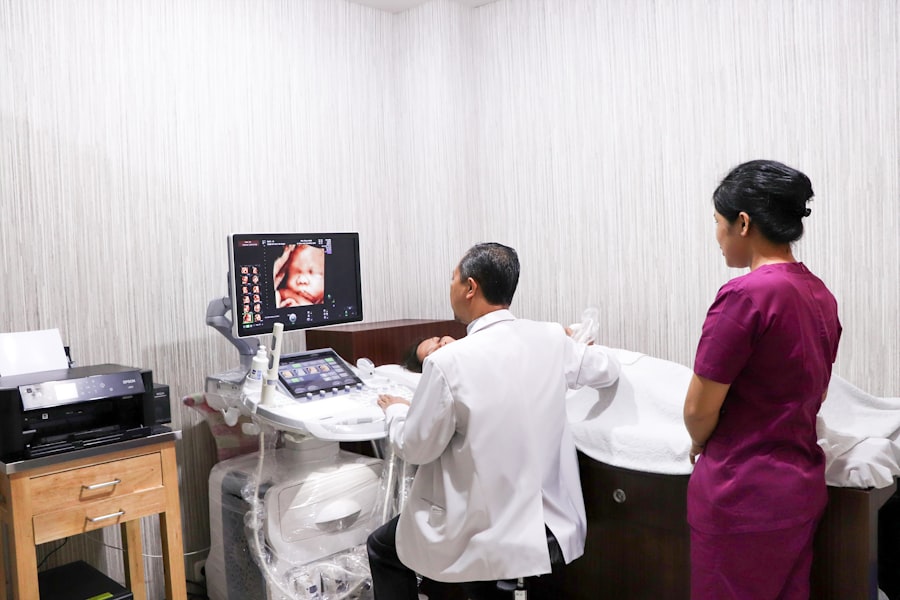
The landscape of medical imaging technology is continually evolving, driven by innovations that enhance diagnostic capabilities and improve patient care. One notable advancement is the development of artificial intelligence (AI) algorithms that assist radiologists in interpreting images. These algorithms can analyze vast amounts of imaging data quickly and accurately, identifying patterns that may be missed by the human eye.
For example, AI has shown promise in detecting early signs of conditions such as breast cancer in mammograms or lung cancer in chest X-rays, leading to earlier interventions and improved patient outcomes. Another significant innovation is the advent of hybrid imaging techniques, such as PET/CT and PET/MRI. These modalities combine the functional imaging capabilities of positron emission tomography (PET) with the anatomical detail provided by computed tomography (CT) or magnetic resonance imaging (MRI).
This fusion allows for a more comprehensive assessment of diseases, particularly in oncology, where understanding both the structure and function of tumors is crucial for effective treatment planning. The integration of these technologies not only enhances diagnostic accuracy but also provides valuable information for monitoring treatment response.
The Impact of Medidata on Medical Imaging Research
Medidata’s influence on medical imaging research is profound, particularly in how it facilitates the collection and analysis of imaging data within clinical trials. By providing a unified platform that integrates imaging with other clinical data, Medidata enables researchers to conduct more robust analyses that consider multiple variables simultaneously. This holistic approach is essential for understanding complex diseases and evaluating the efficacy of new treatments.
For instance, in oncology trials, correlating imaging findings with biomarker data can yield insights into tumor behavior and treatment response. Moreover, Medidata’s commitment to data transparency and accessibility enhances collaboration among researchers. By allowing multiple stakeholders to access and analyze imaging data from various trials, Medidata fosters an environment where knowledge can be shared and built upon.
This collaborative approach accelerates the pace of discovery and innovation in medical imaging research. Additionally, Medidata’s emphasis on regulatory compliance ensures that imaging data is collected and managed according to industry standards, which is crucial for maintaining the integrity of clinical research.
Applications of Medidata in Medical Imaging
| Metric | Value | Description |
|---|---|---|
| Imaging Modalities Supported | 5 | Includes MRI, CT, X-Ray, Ultrasound, and PET |
| Average Image Upload Time | 15 seconds | Time taken to upload a standard imaging study |
| Data Storage Capacity | 100 TB | Cloud storage allocated for imaging data |
| Compliance Standards | HIPAA, GDPR | Regulatory standards adhered to for data security |
| Integration APIs | RESTful APIs | Available APIs for system integration |
| Image Resolution Support | Up to 16K | Maximum supported image resolution |
| Average Processing Time | 30 seconds | Time to process and analyze an imaging study |
| User Base | 500+ | Number of active clinical users |
The applications of Medidata’s solutions in medical imaging are diverse and impactful across various domains within healthcare. One prominent application is in oncology clinical trials, where precise imaging is essential for assessing tumor size, location, and response to therapy. Medidata’s platforms enable researchers to standardize imaging protocols across multiple sites, ensuring consistency in data collection and analysis.
This standardization is critical for multicenter trials where variations in imaging techniques can lead to discrepancies in results. In addition to oncology, Medidata’s solutions are also being utilized in neurology research. Conditions such as Alzheimer’s disease require detailed imaging assessments to track disease progression and evaluate treatment efficacy.
Medidata’s ability to integrate neuroimaging data with cognitive assessments allows researchers to explore correlations between brain changes and clinical outcomes. This integrated approach not only enhances our understanding of neurological disorders but also supports the development of targeted therapies that address specific disease mechanisms.
Future Developments in Medical Imaging with Medidata
Looking ahead, the future developments in medical imaging with Medidata are poised to be transformative as technology continues to advance at an unprecedented pace. One area ripe for innovation is the incorporation of real-time imaging analytics into clinical workflows. By harnessing cloud computing and machine learning algorithms, Medidata could enable clinicians to receive immediate feedback on imaging studies during patient consultations.
This capability would enhance decision-making processes and allow for more timely interventions. Furthermore, as telemedicine becomes increasingly prevalent, the role of remote imaging consultations will likely expand. Medidata’s platforms could facilitate remote access to imaging studies for specialists across the globe, enabling expert opinions regardless of geographical barriers.
This development would not only improve access to high-quality care but also promote collaborative approaches to complex cases that require multidisciplinary input.
Challenges and Limitations in Advancing Medical Imaging with Medidata
Despite the promising advancements facilitated by Medidata in medical imaging, several challenges and limitations persist that must be addressed to fully realize its potential. One significant challenge is ensuring data interoperability among various imaging modalities and systems. As different institutions may use different technologies or standards for image acquisition and storage, achieving seamless integration can be complex.
Medidata must continue to work towards establishing universal standards that allow for consistent data sharing across platforms. Another limitation lies in the ethical considerations surrounding patient data privacy and security. As medical imaging increasingly relies on large datasets for AI training and analysis, safeguarding sensitive patient information becomes paramount.
Medidata must navigate regulatory frameworks while ensuring that its solutions comply with privacy laws such as HIPAA in the United States or GDPR in Europe. Balancing innovation with ethical responsibilities will be crucial as the company continues to advance its offerings in medical imaging.
The Future of Medical Imaging with Medidata
The future of medical imaging is bright with the contributions of companies like Medidata leading the charge towards more efficient, accurate, and patient-centered care. As technology continues to evolve, so too will the capabilities of medical imaging systems that integrate seamlessly with clinical research workflows. With ongoing innovations such as AI-driven analytics and hybrid imaging techniques, healthcare professionals will be better equipped to diagnose and treat complex conditions.
Medidata’s role in this transformation cannot be overstated; its commitment to enhancing data management processes will undoubtedly pave the way for breakthroughs in medical research and patient care alike. As challenges are addressed and new technologies emerge, the synergy between medical imaging and clinical research will continue to grow stronger, ultimately benefiting patients around the world through improved diagnostic accuracy and treatment outcomes.
