
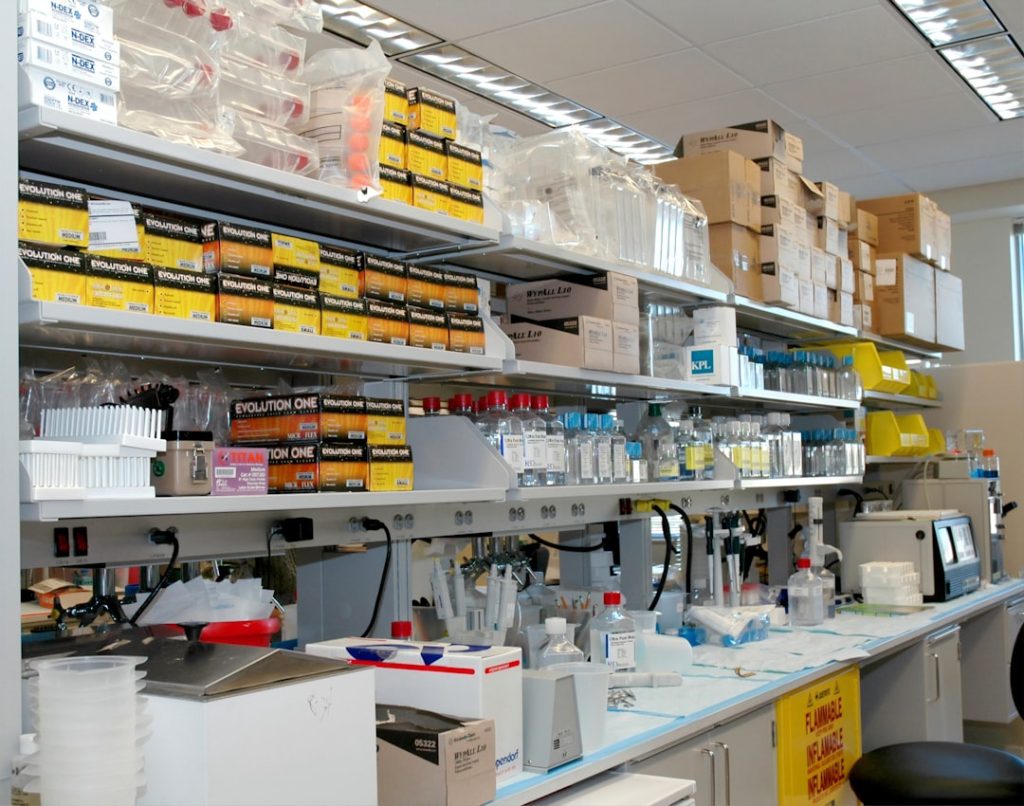
Biomolecular building encompasses the systematic construction of biological molecules, including proteins, nucleic acids, and other macromolecules, through synthetic and natural methodologies. This discipline has experienced substantial growth due to advances in molecular biology, biochemistry, and bioengineering. The capacity to manipulate and assemble biomolecules creates opportunities for investigating biological systems, developing therapeutic interventions, and producing novel materials.
Biomolecular building fundamentally applies chemical and biological principles to generate functional entities that can replicate or augment natural processes. The importance of biomolecular building extends to multiple sectors, with particular relevance to medicine. Through the construction of biomolecules with defined functions and properties, researchers can investigate disease mechanisms, create targeted therapeutic approaches, and develop diagnostic instruments.

The integration of technology and biology in this field has accelerated medical research, advancing the development of personalized medicine and customized treatments. Biomolecular building represents both a scientific discipline and a significant factor in healthcare innovation.
Key Takeaways
- Biomolecular building is essential for understanding complex biological systems in medical research.
- Recent advancements have enhanced precision and efficiency in biomolecular construction techniques.
- Applications include studying disease mechanisms and developing targeted therapies.
- Biomolecular building significantly accelerates drug discovery and development processes.
- Ethical considerations and technical challenges remain critical for future progress in this field.
The Role of Biomolecular Building in Medical Research

In medical research, biomolecular building plays a pivotal role in elucidating the complexities of biological systems. By constructing specific biomolecules, researchers can create models that mimic disease states or biological pathways. For instance, synthetic peptides can be designed to study protein-protein interactions that are crucial in signaling pathways associated with cancer.
These models allow scientists to dissect the molecular underpinnings of diseases, providing insights that are essential for developing effective interventions. Moreover, biomolecular building facilitates the development of novel therapeutic agents. By engineering proteins or nucleic acids with enhanced stability or specificity, researchers can create drugs that target specific cells or tissues.
An example of this is the development of monoclonal antibodies, which are engineered to bind to specific antigens on cancer cells. This targeted approach minimizes off-target effects and enhances the efficacy of treatments. The ability to design and construct these biomolecules has revolutionized the way researchers approach disease treatment and prevention.
Advancements in Biomolecular Building Techniques
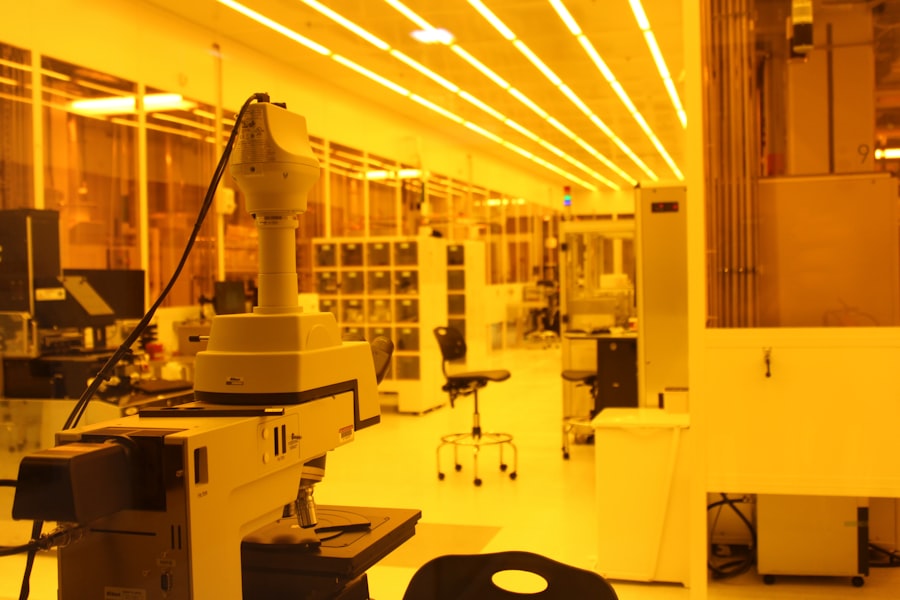
The field of biomolecular building has witnessed remarkable advancements in recent years, driven by innovations in technology and methodology. Techniques such as CRISPR-Cas9 gene editing have transformed the landscape of genetic engineering, allowing for precise modifications to DNA sequences. This technology enables researchers to create genetically modified organisms that can produce desired biomolecules or exhibit specific traits.
The implications for medical research are profound, as it allows for the exploration of gene functions and the development of gene therapies. In addition to gene editing, advancements in synthetic biology have paved the way for the construction of entirely new biological systems. Researchers can now design and assemble genetic circuits that can perform logical operations within living cells.
This capability opens up new avenues for creating biosensors that detect disease markers or engineered microbes that produce therapeutic compounds. The integration of computational tools with experimental techniques has further accelerated progress in biomolecular building, enabling researchers to model complex biological interactions and predict outcomes with greater accuracy.
Applications of Biomolecular Building in Disease Research
The applications of biomolecular building in disease research are vast and varied, encompassing a range of approaches aimed at understanding and combating illnesses. One prominent application is the development of vaccines through the engineering of viral proteins or antigens. For example, the rapid development of mRNA vaccines for COVID-19 exemplifies how biomolecular building can be harnessed to respond to emerging health threats.
By constructing mRNA sequences that encode viral proteins, researchers were able to stimulate an immune response without using live pathogens. Another significant application lies in the realm of cancer research. Biomolecular building techniques enable the creation of tumor-specific antigens that can be used to develop personalized cancer vaccines.
These vaccines are tailored to an individual’s unique tumor profile, enhancing their effectiveness by training the immune system to recognize and attack cancer cells specifically. Additionally, engineered T cells, known as CAR-T cells, have emerged as a groundbreaking treatment modality for certain types of leukemia and lymphoma. By modifying a patient’s T cells to express chimeric antigen receptors that target cancer cells, researchers have achieved remarkable success in treating previously refractory cases.
The Impact of Biomolecular Building on Drug Development
| Metric | Value | Unit | Description |
|---|---|---|---|
| Building Area | 25,000 | square meters | Total floor space dedicated to biomolecular research |
| Number of Labs | 40 | labs | Specialized laboratories for molecular biology, biochemistry, and genetics |
| Research Staff | 150 | persons | Scientists, technicians, and support staff working in the building |
| Annual Research Output | 120 | publications | Peer-reviewed articles published per year |
| Equipment Investment | 10 | million | Investment in advanced biomolecular research equipment |
| Energy Consumption | 1,200 | MWh/year | Annual energy usage for building operations |
| Funding Received | 15 | million | Annual research funding from grants and partnerships |
| Collaborations | 25 | institutions | Number of active research collaborations worldwide |
The impact of biomolecular building on drug development cannot be overstated; it has fundamentally altered the landscape of pharmaceutical research and development. Traditional drug discovery methods often relied on serendipity and empirical approaches, but biomolecular building allows for a more rational design process. By understanding the structure-function relationships of biomolecules, researchers can design drugs with specific mechanisms of action.
One notable example is the development of small-molecule inhibitors that target specific enzymes involved in disease pathways. Through structure-based drug design, researchers can create compounds that fit precisely into the active sites of these enzymes, effectively blocking their activity. This approach has led to the successful development of drugs for conditions such as hypertension and cancer.
Furthermore, biomolecular building has facilitated the creation of biologics—therapeutic proteins derived from living organisms—that have become a cornerstone of modern medicine.
Challenges and Limitations of Biomolecular Building in Medical Research
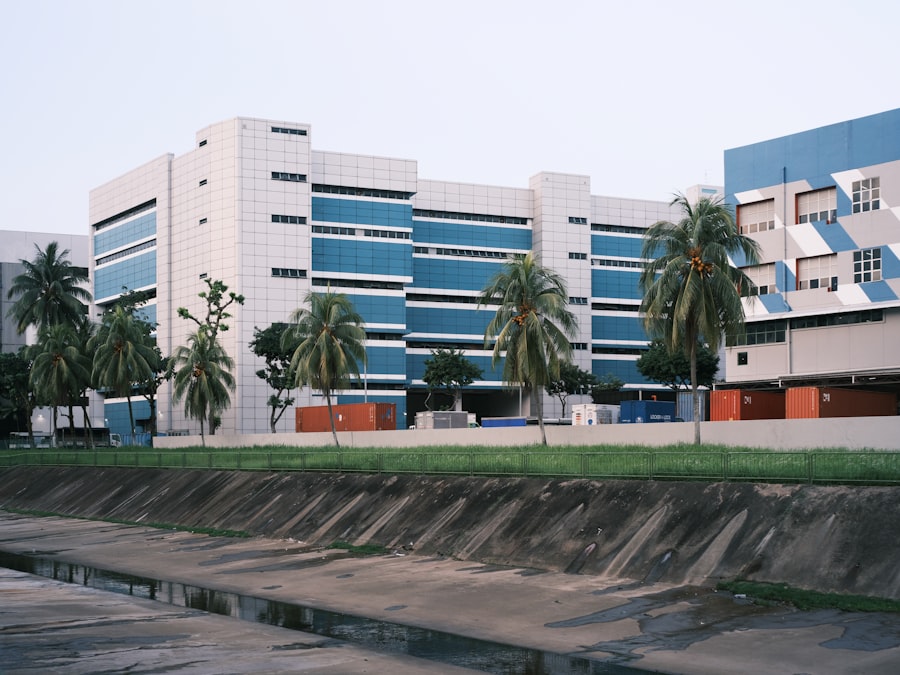
Despite its promise, biomolecular building faces several challenges and limitations that must be addressed to fully realize its potential in medical research. One significant challenge is the complexity of biological systems; living organisms are composed of intricate networks of interactions that are not easily replicated or understood. As a result, models constructed through biomolecular building may not always accurately reflect the dynamics of real biological processes.
Additionally, there are technical limitations associated with current biomolecular building techniques. For instance, while CRISPR-Cas9 has revolutionized gene editing, off-target effects remain a concern, potentially leading to unintended consequences when modifying genomes. Furthermore, the scalability of biomolecular production can be an issue; while small-scale experiments may yield promising results, translating these findings into large-scale production for clinical use poses logistical and regulatory challenges.
Future Directions in Biomolecular Building for Medical Research
Looking ahead, the future directions in biomolecular building for medical research are promising and multifaceted. One area poised for growth is the integration of artificial intelligence (AI) and machine learning into biomolecular design processes. By leveraging vast datasets and computational models, researchers can predict how modifications to biomolecules will affect their function and interactions within biological systems.
This approach could significantly accelerate the pace of discovery and lead to more effective therapies. Another exciting avenue is the exploration of novel materials derived from biomolecules for therapeutic applications. For instance, bioengineered hydrogels made from proteins or polysaccharides could be used as drug delivery systems that release therapeutics in a controlled manner.
Additionally, advancements in 3D bioprinting technology may enable the construction of complex tissue structures that mimic human organs for drug testing and regenerative medicine applications.
Ethical Considerations in Biomolecular Building for Medical Research
As with any rapidly advancing field, ethical considerations surrounding biomolecular building are paramount. The ability to manipulate genetic material raises questions about the potential consequences of such actions on individuals and society at large. Issues related to gene editing—particularly germline modifications—spark debates about consent, equity, and the long-term implications for future generations.
Moreover, there are concerns regarding access to these advanced therapies; as biomolecular building techniques become more sophisticated and costly, disparities in healthcare access may widen. Ensuring that innovations benefit all segments of society rather than a privileged few is a critical ethical challenge that must be addressed by policymakers and researchers alike. As we navigate these complexities, fostering an open dialogue about ethical practices will be essential in guiding the responsible advancement of biomolecular building in medical research.
