
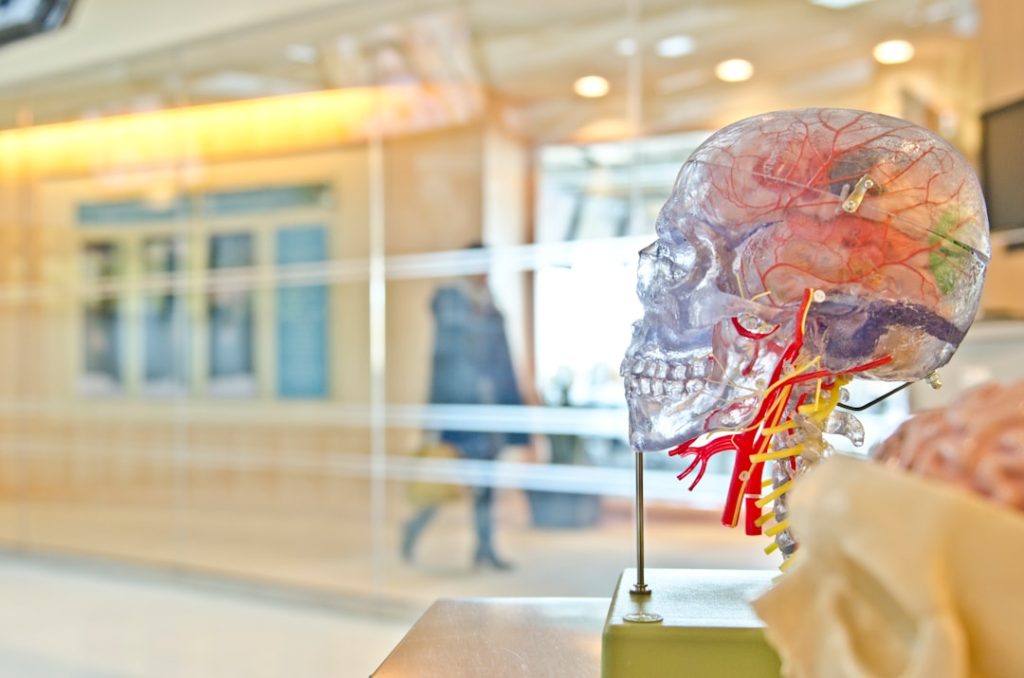
Neurobehavioral research is an interdisciplinary field that merges neuroscience, psychology, and behavioral science to understand the complex interplay between brain function and behavior. This area of study seeks to unravel the mechanisms underlying various neurobehavioral disorders, such as autism spectrum disorder, attention-deficit/hyperactivity disorder (ADHD), and schizophrenia. By examining how neurological processes influence behavior, researchers aim to develop more effective interventions and treatments for individuals affected by these conditions.
The significance of this research extends beyond academic inquiry; it has profound implications for public health, education, and social policy. The foundation of neurobehavioral research lies in the understanding that behavior is not merely a product of environmental influences but is also deeply rooted in biological processes. This perspective challenges traditional views that often separate mental health from physical health.

Instead, neurobehavioral research emphasizes the need for a holistic approach that considers both biological and environmental factors. As we delve deeper into this field, it becomes increasingly clear that the brain’s structure and function are intricately linked to behavior, cognition, and emotional regulation. This understanding paves the way for innovative therapeutic strategies that can address the root causes of neurobehavioral disorders rather than merely alleviating symptoms.
Key Takeaways
- Neurobehavioral research integrates clinical insights to better understand brain-behavior relationships.
- Technological advances, including neuroimaging, have enhanced the study of neurobehavioral disorders.
- Genetics plays a crucial role in identifying the underlying causes of neurobehavioral conditions.
- Environmental factors significantly influence the development and progression of neurobehavioral disorders.
- Translating research findings into clinical practice is essential for improving diagnosis and treatment outcomes.
The Importance of Clinical Insights in Neurobehavioral Research

Clinical insights play a pivotal role in shaping neurobehavioral research by providing a real-world context for understanding disorders. Clinicians who work directly with patients offer invaluable perspectives on the manifestations of neurobehavioral conditions, which can inform research questions and methodologies. For instance, observations made during clinical assessments can highlight specific behavioral patterns or cognitive deficits that warrant further investigation.
This feedback loop between clinical practice and research ensures that studies remain relevant and focused on the needs of individuals affected by these disorders. Moreover, clinical insights can guide the development of assessment tools and intervention strategies. For example, clinicians may identify gaps in existing diagnostic criteria or treatment protocols, prompting researchers to explore new avenues for evaluation and care.
The collaboration between researchers and clinicians fosters a more comprehensive understanding of neurobehavioral disorders, leading to improved outcomes for patients. By integrating clinical observations with empirical research, the field can advance more rapidly and effectively address the complexities of neurobehavioral conditions.
Advances in Technology and Techniques for Studying Neurobehavioral Disorders
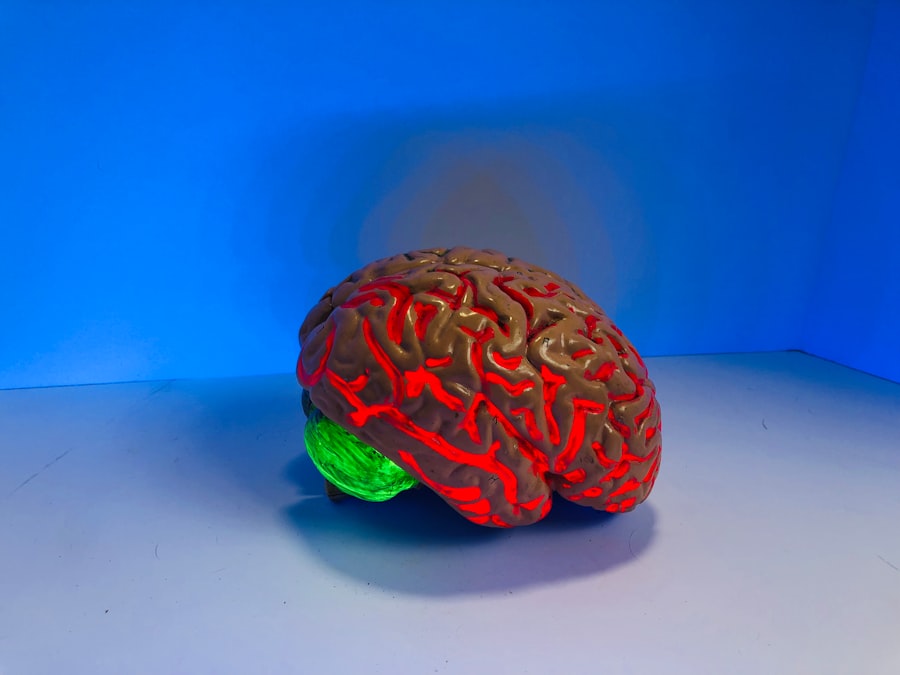
The landscape of neurobehavioral research has been transformed by significant technological advancements that enhance our ability to study brain-behavior relationships. One notable development is the advent of high-resolution neuroimaging techniques, such as functional magnetic resonance imaging (fMRI) and positron emission tomography (PET). These tools allow researchers to visualize brain activity in real-time, providing insights into how specific regions of the brain are activated during various cognitive tasks or emotional responses.
Such capabilities have revolutionized our understanding of disorders like ADHD, where researchers can observe differences in brain activation patterns compared to neurotypical individuals. In addition to neuroimaging, advancements in genetic sequencing technologies have opened new avenues for exploring the biological underpinnings of neurobehavioral disorders. The ability to analyze an individual’s genome has led to the identification of specific genetic markers associated with conditions such as autism and bipolar disorder.
These findings not only enhance our understanding of the heritability of these disorders but also pave the way for personalized medicine approaches that tailor interventions based on an individual’s genetic profile. As technology continues to evolve, researchers are better equipped to dissect the multifaceted nature of neurobehavioral disorders and develop targeted treatments.
The Role of Genetics in Neurobehavioral Disorders
Genetics plays a crucial role in the etiology of many neurobehavioral disorders, influencing both susceptibility and resilience to these conditions. Twin studies have consistently shown that genetic factors contribute significantly to the risk of developing disorders such as schizophrenia and ADHD. For instance, research indicates that if one identical twin is diagnosed with schizophrenia, there is approximately a 50% chance that the other twin will also be affected, highlighting the strong genetic component involved.
Recent advances in genomics have further elucidated the complex interplay between multiple genes and environmental factors in shaping neurobehavioral outcomes. Genome-wide association studies (GWAS) have identified numerous single nucleotide polymorphisms (SNPs) linked to various disorders, providing insights into the biological pathways involved. However, it is essential to recognize that genetics alone does not determine behavior; rather, it interacts with environmental influences to shape an individual’s neurodevelopmental trajectory.
This nuanced understanding underscores the importance of considering both genetic predispositions and environmental contexts when studying neurobehavioral disorders.
Neuroimaging and Neurobehavioral Research
| Metric | Description | Typical Range/Value | Unit | Relevance in Neuro Behavioral Clinical Research |
|---|---|---|---|---|
| Sample Size | Number of participants enrolled in a study | 30 – 300 | Participants | Determines statistical power and validity of findings |
| Effect Size (Cohen’s d) | Magnitude of treatment or intervention effect | 0.2 (small) – 0.8 (large) | Unitless | Measures clinical significance of behavioral changes |
| Neuropsychological Test Scores | Performance scores on cognitive and behavioral assessments | Varies by test (e.g., 0-30 for MMSE) | Score points | Assesses cognitive function and behavioral symptoms |
| fMRI Activation Levels | Brain activity measured during tasks or rest | Variable (e.g., % signal change) | Percent signal change | Identifies neural correlates of behavior and treatment effects |
| Behavioral Symptom Rating | Severity rating of symptoms (e.g., anxiety, depression) | 0 – 40 (e.g., Hamilton Anxiety Scale) | Score points | Tracks symptom changes over time or post-intervention |
| Compliance Rate | Percentage of participants adhering to study protocol | 70% – 95% | Percent | Ensures data reliability and validity |
| Dropout Rate | Percentage of participants who discontinue participation | 5% – 30% | Percent | Impacts study completion and data integrity |
| Reaction Time | Time taken to respond to stimuli in cognitive tasks | 200 – 800 | Milliseconds | Measures processing speed and attention |
| Neurotransmitter Levels | Concentration of chemicals like dopamine, serotonin | Varies by assay and neurotransmitter | ng/mL or μmol/L | Links biochemical changes to behavioral outcomes |
| Quality of Life Scores | Self-reported well-being and functioning | 0 – 100 (e.g., SF-36) | Score points | Evaluates impact of interventions on daily living |
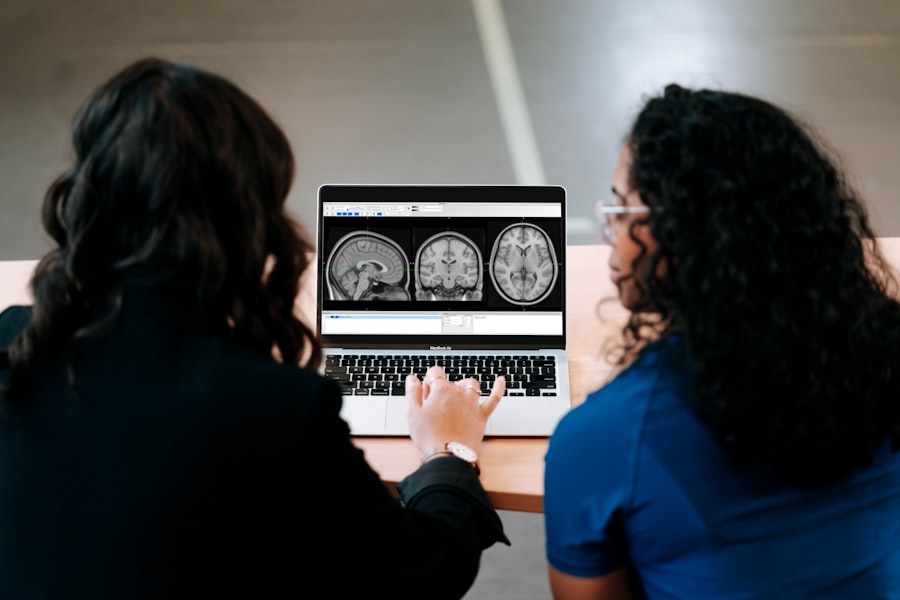
Neuroimaging techniques have become indispensable tools in neurobehavioral research, allowing scientists to investigate the structural and functional aspects of the brain associated with various disorders. Functional MRI (fMRI) has emerged as a particularly powerful method for examining brain activity during cognitive tasks or emotional processing. For example, studies utilizing fMRI have revealed altered activation patterns in individuals with autism when processing social stimuli, providing insights into the neural correlates of social communication deficits.
Structural imaging techniques, such as diffusion tensor imaging (DTI), enable researchers to examine white matter integrity and connectivity within the brain. This approach has been instrumental in understanding how disruptions in neural pathways may contribute to behavioral symptoms observed in conditions like ADHD or obsessive-compulsive disorder (OCD). By mapping out these neural networks, researchers can identify potential targets for intervention and develop more effective treatment strategies tailored to individual needs.
The Impact of Environmental Factors on Neurobehavioral Disorders
While genetics provides a foundational understanding of neurobehavioral disorders, environmental factors play an equally critical role in shaping behavior and cognitive function. Prenatal exposure to toxins, maternal stress during pregnancy, and early childhood experiences can significantly influence neurodevelopment and increase the risk of developing disorders later in life. For instance, studies have shown that children exposed to high levels of lead during critical developmental periods exhibit increased rates of behavioral problems and cognitive deficits.
Furthermore, psychosocial factors such as socioeconomic status, family dynamics, and access to education can also impact neurobehavioral outcomes. Adverse childhood experiences (ACEs), including abuse or neglect, have been linked to a higher likelihood of developing mental health issues in adulthood. Understanding these environmental influences is essential for developing comprehensive prevention strategies that address not only biological vulnerabilities but also social determinants of health.
Translating Research into Clinical Practice
The ultimate goal of neurobehavioral research is to translate scientific findings into effective clinical practices that improve patient outcomes. This process involves bridging the gap between laboratory discoveries and real-world applications through evidence-based interventions. For example, cognitive-behavioral therapy (CBT) has been shown to be effective for various neurobehavioral disorders, including anxiety and depression.
Research supporting its efficacy has led to its widespread adoption in clinical settings. Moreover, the integration of technology into clinical practice has facilitated the implementation of innovative treatment approaches. Digital therapeutics, which leverage mobile applications and online platforms, offer new avenues for delivering interventions tailored to individual needs.
These tools can enhance accessibility and engagement while providing real-time data on patient progress. As researchers continue to uncover new insights into neurobehavioral disorders, it is imperative that these findings are effectively communicated to clinicians and incorporated into practice guidelines.
Future Directions in Neurobehavioral Research
Looking ahead, several promising directions are emerging within the field of neurobehavioral research. One area of focus is the exploration of personalized medicine approaches that consider individual genetic profiles, environmental exposures, and unique behavioral patterns when developing treatment plans. This shift towards precision psychiatry holds great potential for improving outcomes by tailoring interventions to meet the specific needs of each patient.
Additionally, interdisciplinary collaborations between neuroscientists, psychologists, geneticists, and clinicians will be crucial for advancing our understanding of complex neurobehavioral disorders. By fostering a collaborative research environment that encourages diverse perspectives and expertise, we can tackle the multifaceted nature of these conditions more effectively. Finally, as technology continues to evolve, researchers will have access to increasingly sophisticated tools for studying brain-behavior relationships.
The integration of artificial intelligence and machine learning into neuroimaging analysis may enable researchers to identify subtle patterns in brain activity associated with specific behaviors or symptoms. Such advancements could lead to earlier detection and intervention strategies that significantly improve quality of life for individuals affected by neurobehavioral disorders. In summary, neurobehavioral research stands at a critical juncture where advances in technology, genetics, and clinical practice converge to enhance our understanding of complex disorders.
By continuing to explore these intersections and prioritizing collaboration across disciplines, we can pave the way for innovative solutions that address the challenges faced by individuals with neurobehavioral conditions.
