
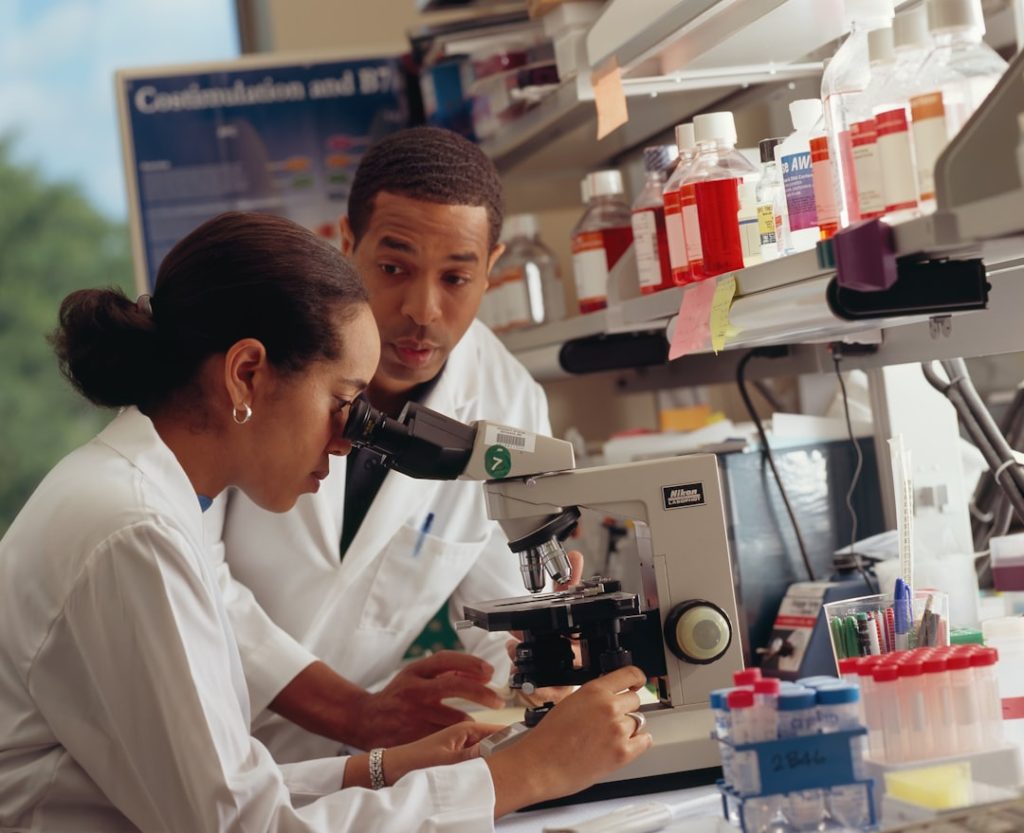
Medical research scientists play a critical role in advancing healthcare through the development of new treatments, therapies, and medical technologies. These professionals conduct scientific investigations to understand disease mechanisms, test potential interventions, and evaluate treatment efficacy. Their responsibilities include designing experimental protocols, collecting and analyzing data, interpreting results, and disseminating findings through peer-reviewed publications and scientific conferences.
Medical research scientists frequently work in interdisciplinary teams alongside physicians, pharmacologists, biostatisticians, and public health specialists to ensure research findings are effectively translated into clinical practice. A career in medical research science requires extensive education and specialized training. Entry into the field typically demands advanced degrees, with most positions requiring a Ph.D.

in relevant disciplines such as biology, biochemistry, pharmacology, or medicine. Many researchers also pursue postdoctoral fellowships to gain specialized expertise in specific research areas. Essential skills include proficiency in research methodology, statistical analysis, laboratory techniques, and scientific writing.
Additional competencies in grant writing, project management, and regulatory compliance are increasingly valuable. The employment outlook for medical research scientists remains positive, driven by continued investment in biomedical research, an aging population requiring new therapeutic approaches, and emerging health challenges. Growth is particularly strong in areas such as personalized medicine, immunotherapy, and biotechnology development.

Career opportunities exist across various sectors, including academic institutions, pharmaceutical companies, government agencies, and private research organizations.
Key Takeaways
- Medical research scientists require strong foundational education, typically starting with an undergraduate degree in a relevant field.
- Advanced graduate education, such as a master’s or PhD, is often necessary for specialized research roles.
- Specialized training and certifications enhance expertise and career opportunities in medical research.
- Practical research experience and internships are crucial for skill development and job readiness.
- Ongoing professional development is important to stay current with scientific advancements and maintain career growth.
Undergraduate Education Requirements
To embark on a career as a medical research scientist, individuals typically begin with a solid foundation in the sciences during their undergraduate studies. A bachelor’s degree in a relevant field such as biology, chemistry, biochemistry, or biomedical sciences is essential. These programs provide students with a comprehensive understanding of fundamental scientific principles and laboratory techniques.
Courses in organic chemistry, microbiology, genetics, and statistics are particularly important, as they equip students with the knowledge necessary for conducting research. In addition to coursework, undergraduate students are encouraged to engage in laboratory work and research projects. Many universities offer opportunities for students to assist faculty members in their research endeavors or participate in summer internships at research institutions.
This hands-on experience is invaluable, as it allows students to apply theoretical knowledge in practical settings and develop essential laboratory skills. Furthermore, involvement in research during undergraduate studies can enhance a student’s graduate school applications, making them more competitive candidates for advanced programs.
Graduate Education Requirements
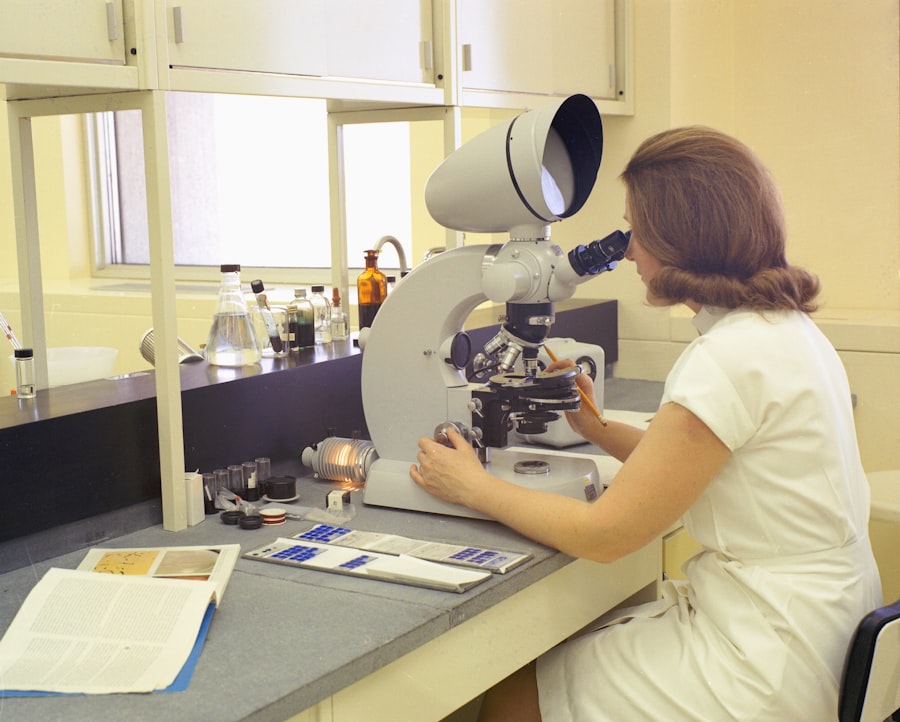
After completing an undergraduate degree, aspiring medical research scientists typically pursue graduate education to deepen their expertise and specialize in a particular area of research. A master’s degree or Ph.D. in fields such as biomedical sciences, pharmacology, or public health is often required for advanced positions in medical research.
Graduate programs emphasize rigorous coursework, advanced laboratory techniques, and independent research projects that culminate in a thesis or dissertation. Ph.D. programs are particularly demanding and can take several years to complete.
Students engage in original research that contributes to the existing body of knowledge in their field. This process involves formulating hypotheses, designing experiments, collecting and analyzing data, and disseminating findings through publications and presentations. The experience gained during graduate studies not only hones technical skills but also fosters critical thinking and problem-solving abilities essential for a successful career as a medical research scientist.
Specialized Training and Certifications
In addition to formal education, many medical research scientists pursue specialized training and certifications to enhance their qualifications and expertise. These programs may focus on specific areas such as clinical research, epidemiology, or laboratory management. Certifications from recognized organizations can demonstrate a commitment to professional development and adherence to industry standards.
For instance, the Clinical Research Coordinator (CRC) certification offered by the Association of Clinical Research Professionals (ACRP) is highly regarded in the field. It signifies that an individual possesses the knowledge and skills necessary to oversee clinical trials effectively. Similarly, certifications in Good Clinical Practice (GCP) ensure that researchers are well-versed in ethical standards and regulatory requirements governing clinical research.
Such credentials not only bolster a scientist’s resume but also provide valuable networking opportunities within the research community.
Research Experience and Internships
| Education Level | Typical Duration | Key Coursework | Additional Requirements | Purpose/Outcome |
|---|---|---|---|---|
| Bachelor’s Degree | 4 years | Biology, Chemistry, Physics, Mathematics, Statistics | Laboratory experience, internships | Foundation in sciences, eligibility for graduate programs |
| Master’s Degree (optional) | 2 years | Advanced biology, research methods, data analysis | Research project or thesis | Specialized knowledge, research skills development |
| Doctoral Degree (PhD) | 4-6 years | Advanced research, experimental design, scientific writing | Original research dissertation, publications | Expertise in a specific research area, qualification for independent research |
| Postdoctoral Training | 2-4 years | Specialized research, grant writing, collaboration | Research publications, presentations | Advanced research experience, preparation for faculty or senior scientist roles |
| Continuing Education | Ongoing | Workshops, seminars, certifications | Professional development credits | Keeping current with scientific advances and techniques |
Gaining practical experience through internships and research assistant positions is crucial for aspiring medical research scientists. These opportunities allow individuals to work alongside experienced researchers, gaining insights into the day-to-day operations of a laboratory or clinical setting. Internships can be found in various environments, including academic institutions, pharmaceutical companies, government agencies, and nonprofit organizations.
During these experiences, interns may be involved in various tasks such as data collection, laboratory analysis, literature reviews, and even contributing to grant proposals. This exposure not only enhances technical skills but also helps interns develop professional relationships that can be beneficial when seeking employment after graduation. Furthermore, many graduate programs value applicants with substantial research experience, making internships an essential component of a successful career trajectory.
Skills and Qualities Needed for Success

Success as a medical research scientist requires a unique blend of technical skills and personal qualities. Strong analytical skills are paramount; researchers must be able to interpret complex data sets and draw meaningful conclusions from their findings. Proficiency in statistical analysis software and laboratory techniques is also essential for conducting experiments effectively.
In addition to technical expertise, personal attributes such as curiosity, perseverance, and attention to detail play a significant role in a scientist’s success. The nature of scientific inquiry often involves trial and error; thus, resilience in the face of setbacks is crucial. Furthermore, effective communication skills are vital for presenting research findings to diverse audiences, including peers, funding agencies, and the general public.
The ability to convey complex information clearly and concisely can significantly impact a scientist’s ability to secure funding or collaborate with other researchers.
Continuing Education and Professional Development
The field of medical research is constantly evolving due to advancements in technology and scientific discovery. As such, continuing education is essential for medical research scientists who wish to stay current with emerging trends and methodologies. Many professionals engage in lifelong learning through workshops, conferences, webinars, and online courses that focus on new techniques or developments within their area of expertise.
Professional organizations often provide resources for continuing education as well as networking opportunities that can lead to collaborations or job openings. For example, attending annual meetings hosted by organizations like the American Association for Cancer Research (AACR) allows scientists to connect with peers while learning about cutting-edge research in oncology. Additionally, some institutions offer formal training programs that focus on leadership development or grant writing skills—both critical components for advancing one’s career in medical research.
Job Outlook and Salary Expectations
The job outlook for medical research scientists remains robust as the demand for innovative healthcare solutions continues to grow. According to the U.S. Bureau of Labor Statistics (BLS), employment opportunities for medical scientists are projected to increase by 17% from 2021 to 2031—much faster than the average for all occupations.
This growth is driven by factors such as an aging population requiring more medical care and ongoing advancements in biotechnology. In terms of salary expectations, medical research scientists can anticipate competitive compensation that varies based on factors such as education level, experience, geographic location, and the specific sector of employment. As of May 2021, the median annual wage for medical scientists was approximately $95,000 according to BLS data.
Those working in pharmaceutical companies or biotechnology firms often earn higher salaries compared to those employed in academic settings or government agencies. Overall, pursuing a career as a medical research scientist offers individuals the opportunity to make significant contributions to healthcare while enjoying a dynamic work environment filled with intellectual challenges and opportunities for growth.
