
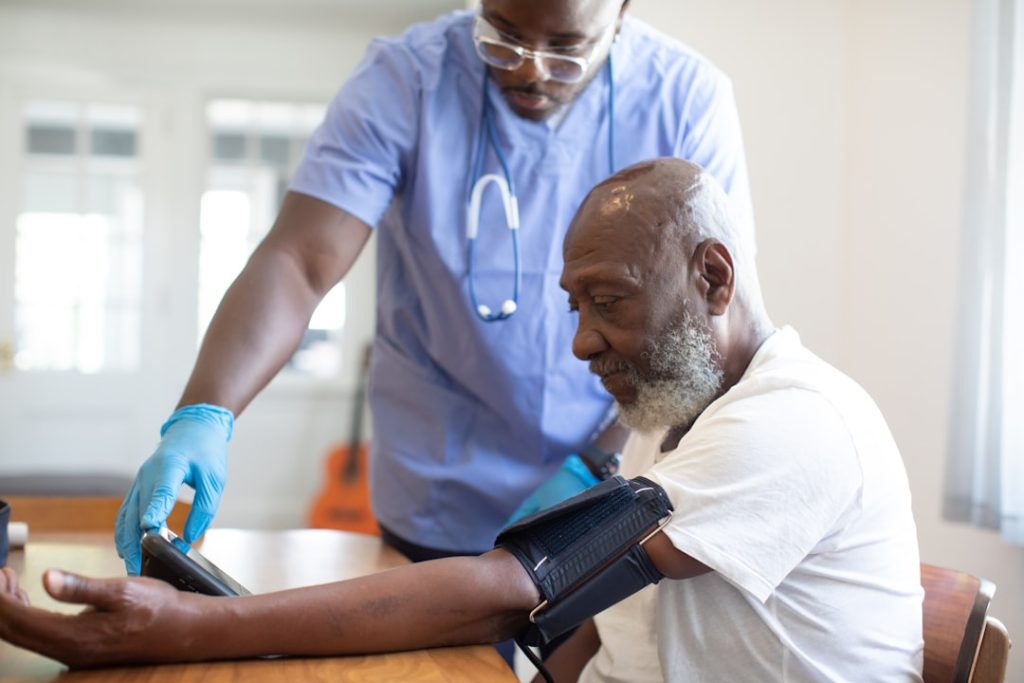
Blind clinical trials are a cornerstone of modern medical research, designed to evaluate the efficacy and safety of new treatments while minimizing bias. In these trials, participants are unaware of whether they are receiving the experimental treatment or a placebo, which helps to ensure that the results are not influenced by their expectations or beliefs about the treatment. This methodological approach is crucial in establishing the true therapeutic value of new drugs, therapies, or interventions.
The term “blind” refers to the lack of knowledge among participants regarding their treatment allocation, but it can also extend to researchers in some cases, known as double-blind trials, where neither the participants nor the investigators know who is receiving the treatment. The significance of blind clinical trials cannot be overstated. They provide a rigorous framework for testing hypotheses in a controlled environment, allowing researchers to draw more reliable conclusions about the effectiveness of new medical interventions.

By controlling for variables that could skew results, blind trials help ensure that any observed effects can be attributed to the treatment itself rather than external factors. This level of control is essential in a field where the stakes are high, and the implications of findings can affect patient care and public health on a large scale.
Key Takeaways
- Blind clinical trials are essential for objectively assessing the efficacy of new treatments without bias.
- Ethical considerations, including informed consent and patient safety, are critical in conducting blind trials.
- Placebos play a key role in blind trials by helping to distinguish treatment effects from psychological factors.
- Challenges in blind trials include maintaining blinding and addressing limitations like sample size and variability.
- Results from blind clinical trials significantly contribute to medical advancements and guide future research directions.
The Importance of Unveiling the Efficacy of New Treatments

Unveiling the efficacy of new treatments is paramount in advancing medical science and improving patient outcomes. As new diseases emerge and existing conditions evolve, there is a continuous need for innovative therapies that can address these challenges effectively. Blind clinical trials serve as a critical mechanism for determining whether a new treatment offers real benefits over existing options or placebo treatments.
This process not only informs healthcare providers but also guides regulatory bodies in making decisions about drug approvals and market availability. Moreover, understanding the efficacy of new treatments has broader implications for healthcare systems and society at large. Effective treatments can lead to reduced healthcare costs by minimizing hospitalizations and complications associated with untreated conditions.
For instance, the development of effective antiretroviral therapies for HIV has transformed what was once a fatal diagnosis into a manageable chronic condition, significantly improving quality of life and reducing transmission rates. Blind clinical trials are essential in establishing such breakthroughs, ensuring that only those treatments that demonstrate clear benefits are brought to market.
The Process of Conducting a Blind Clinical Trial

Conducting a blind clinical trial involves several meticulously planned steps to ensure scientific rigor and ethical integrity. The process typically begins with the formulation of a research question and hypothesis, followed by the design of the trial protocol. This protocol outlines the objectives, methodology, participant selection criteria, and statistical analysis plan.
Researchers must also consider factors such as sample size, which is crucial for ensuring that the trial has enough power to detect meaningful differences between treatment groups. Once the protocol is established, researchers recruit participants who meet the inclusion criteria while ensuring that they provide informed consent. Randomization is a key component of blind trials; participants are randomly assigned to either the treatment group or the control group (which may receive a placebo).
This random allocation helps eliminate selection bias and ensures that both groups are comparable at baseline. Throughout the trial, data is collected systematically, often involving regular assessments of participants’ health status and responses to treatment. The analysis phase follows completion of data collection, where statistical methods are employed to evaluate the outcomes and determine whether any observed effects are statistically significant.
Ethical Considerations in Blind Clinical Trials
Ethical considerations are paramount in conducting blind clinical trials, as they involve human subjects who may be vulnerable or suffering from serious health conditions. One of the primary ethical concerns is ensuring informed consent; participants must be fully aware of the nature of the trial, including potential risks and benefits, before agreeing to participate. This process requires clear communication from researchers about what participation entails, including the possibility of receiving a placebo instead of an active treatment.
Another critical ethical consideration is the principle of equipoise, which asserts that there must be genuine uncertainty within the expert medical community about which treatment is superior before conducting a trial. If researchers believe that one treatment is significantly better than another, it would be unethical to randomize participants to receive an inferior option. Additionally, researchers must ensure that participants have access to appropriate care during and after the trial, particularly if they experience adverse effects or if the treatment proves ineffective.
These ethical frameworks are designed to protect participants while allowing for valuable scientific inquiry.
Challenges and Limitations in Unveiling the Efficacy of New Treatments
| Metric | Description | Typical Value/Range | Importance |
|---|---|---|---|
| Blinding Type | Level of blinding used in the trial (single, double, triple) | Single, Double, Triple | Reduces bias in treatment administration and assessment |
| Sample Size | Number of participants enrolled in the trial | 50 – 1000+ | Ensures statistical power and validity of results |
| Randomization Method | Technique used to randomly assign participants to groups | Simple, Block, Stratified | Prevents selection bias and balances groups |
| Primary Endpoint | Main outcome measured to assess treatment effect | Varies by trial (e.g., symptom improvement, survival rate) | Determines trial success and efficacy |
| Duration | Length of time participants are followed in the trial | Weeks to years | Ensures adequate observation of treatment effects |
| Placebo Control | Use of placebo to compare against active treatment | Yes/No | Helps isolate treatment effect from placebo effect |
| Dropout Rate | Percentage of participants who do not complete the trial | 5% – 30% | Impacts data integrity and interpretation |
| Adverse Event Reporting | Frequency and severity of side effects recorded | Varies by treatment | Ensures safety monitoring and risk assessment |
Despite their importance, blind clinical trials face several challenges and limitations that can complicate the process of unveiling new treatments’ efficacy. One significant challenge is participant recruitment; finding individuals who meet specific inclusion criteria and are willing to participate in a trial can be difficult. This issue is exacerbated by concerns about potential side effects or the uncertainty surrounding experimental treatments.
Additionally, maintaining participant retention throughout the trial is crucial for ensuring robust data; dropouts can introduce bias and affect the validity of results. Another limitation arises from the complexity of human biology and disease processes. Individual responses to treatments can vary widely due to genetic factors, comorbidities, and lifestyle choices.
This variability can make it challenging to draw definitive conclusions from trial results. Furthermore, blind trials often require significant time and financial resources, which can limit their feasibility for smaller research institutions or in low-resource settings. These challenges necessitate careful planning and innovative strategies to enhance recruitment, retention, and data analysis in order to maximize the impact of blind clinical trials on medical research.
The Role of Placebo in Blind Clinical Trials

The placebo plays a pivotal role in blind clinical trials by serving as a control against which the efficacy of an experimental treatment can be measured. A placebo is an inert substance or treatment designed to mimic the appearance and administration of an active intervention without providing any therapeutic effect. By comparing outcomes between participants receiving the active treatment and those receiving a placebo, researchers can determine whether observed effects are due to the treatment itself or simply a result of participants’ expectations or psychological factors.
The use of placebos raises important ethical questions, particularly when effective treatments already exist for a condition being studied. In such cases, researchers must carefully consider whether it is ethical to withhold effective treatment from participants assigned to the placebo group. Regulatory guidelines often require that participants in placebo-controlled trials have access to standard care or alternative treatments if they are not receiving the experimental intervention.
This balance between scientific rigor and ethical responsibility is crucial in ensuring that blind clinical trials contribute meaningfully to medical knowledge without compromising patient welfare.
The Impact of Blind Clinical Trials on Medical Advancements
Blind clinical trials have had a profound impact on medical advancements over the past several decades. They have been instrumental in bringing numerous groundbreaking therapies to market across various fields, including oncology, cardiology, psychiatry, and infectious diseases. For instance, the development of monoclonal antibodies for cancer treatment was made possible through rigorous blind trials that demonstrated their efficacy compared to traditional chemotherapy regimens.
These advancements have not only improved survival rates but have also enhanced patients’ quality of life by reducing side effects associated with conventional treatments. Moreover, blind clinical trials have contributed significantly to our understanding of disease mechanisms and treatment responses. By systematically evaluating how different populations respond to various interventions, researchers can identify biomarkers that predict treatment efficacy or adverse reactions.
This knowledge paves the way for personalized medicine approaches tailored to individual patients’ needs based on their genetic makeup or specific disease characteristics. As such, blind clinical trials continue to play a vital role in shaping the future landscape of healthcare by fostering innovation and improving patient outcomes.
Future Implications and Considerations for Blind Clinical Trials
Looking ahead, blind clinical trials will likely evolve in response to emerging technologies and changing healthcare landscapes. The integration of digital health tools, such as wearable devices and mobile health applications, presents new opportunities for enhancing data collection and participant engagement in trials. These technologies can facilitate remote monitoring and real-time feedback, potentially improving retention rates and providing richer datasets for analysis.
Additionally, as personalized medicine gains traction, future blind clinical trials may need to adapt their designs to account for genetic variability among participants. Adaptive trial designs that allow for modifications based on interim results could become more prevalent, enabling researchers to respond dynamically to emerging data while maintaining blinding protocols. Furthermore, addressing ethical considerations will remain paramount as researchers navigate complex issues related to informed consent and access to care during trials.
In conclusion, blind clinical trials will continue to be essential in advancing medical science while ensuring ethical standards are upheld. As we move forward into an era characterized by rapid technological advancements and an increasing emphasis on personalized medicine, these trials will play a crucial role in determining which treatments truly benefit patients and how best to deliver them effectively within diverse populations.
